Perimenopause Diet: What to Eat During Perimenopause
Optimize your perimenopause diet! Discover what to eat to balance hormones, get key nutrients, and manage weight for better overall health during perimenopause and menopause.
Perimenopause bloating is common because shifting estrogen and progesterone levels can affect gut motility, water retention, stress response, bile flow, and the balance of the gut microbiome. After 40, digestion often becomes slower or more sensitive, which is why familiar foods can suddenly cause gas, constipation, reflux, or belly swelling even when nothing about your diet has changed.
That last part is what brings most women into our studio in the first place. They tell us some version of the same sentence. I am eating the way I have always eaten, and now I am bloated all the time. They are not imagining it, and they are not doing anything wrong. Their body has simply changed the rules without sending a memo.
Perimenopause is the transitional stretch leading up to menopause, and it can begin in the late thirties for some women and last several years. Most of the conversation around it focuses on symptoms like hot flashes, sleep disruption, and irregular cycles. Digestion barely gets mentioned, which is strange when you look at how many women are affected. The Menopause Society, formerly the North American Menopause Society, highlighted digestive symptoms as a major midlife concern, pointing to one study of nearly 600 participants aged 44 to 73 in which 94 percent reported digestive symptoms, with bloating, constipation, stomach pain, and acid reflux most common.
So if your stomach has felt unpredictable lately, you are in extremely large company. This guide covers what changes during perimenopause, what to eat, what to limit in your diet, and where wellness support fits, along with the symptoms that need a doctor rather than a diet change.
What Perimenopause Bloating Actually Feels Like
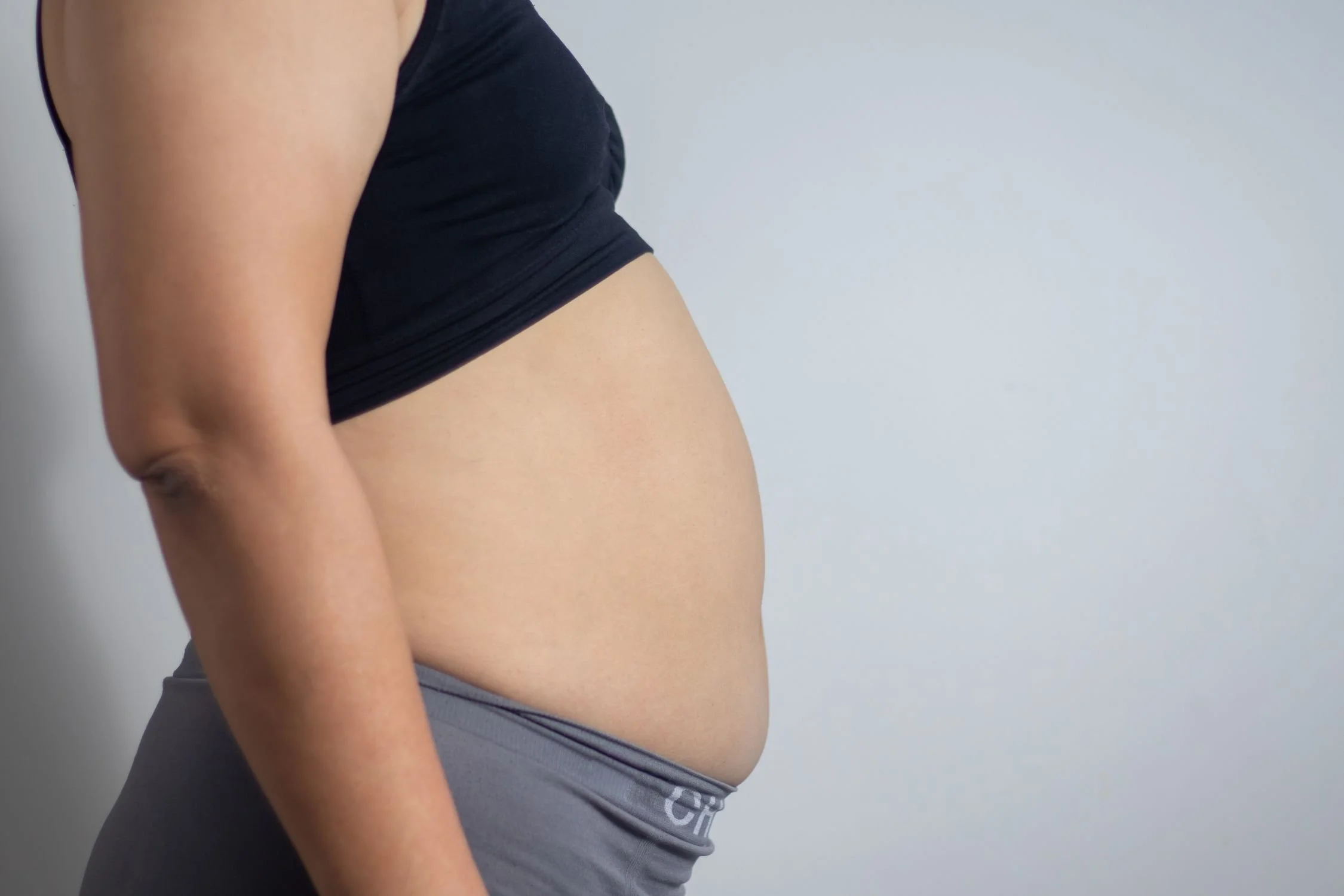
Perimenopause bloating is a feeling of fullness, swelling, tightness, pressure, gas, or heaviness in the abdomen that becomes more noticeable during the hormonal transition before menopause. It may come from slower digestion, constipation, water retention, food sensitivity, stress, or shifts in the gut microbiome, and very often several of those at once.
Women describe it in ways that are unmistakable once you have heard it enough times. The waistband that fit in the morning and does not fit by four in the afternoon. The feeling of being nine months pregnant after a salad. It often worsens in the days before a period even when periods have become irregular, and it frequently shows up alongside constipation, gas, reflux, or puffiness in the face, fingers, and ankles.
Before changing anything about your diet, it helps to identify which kind of bloating you are dealing with, because the two most common types respond to different support.
Digestive Bloating
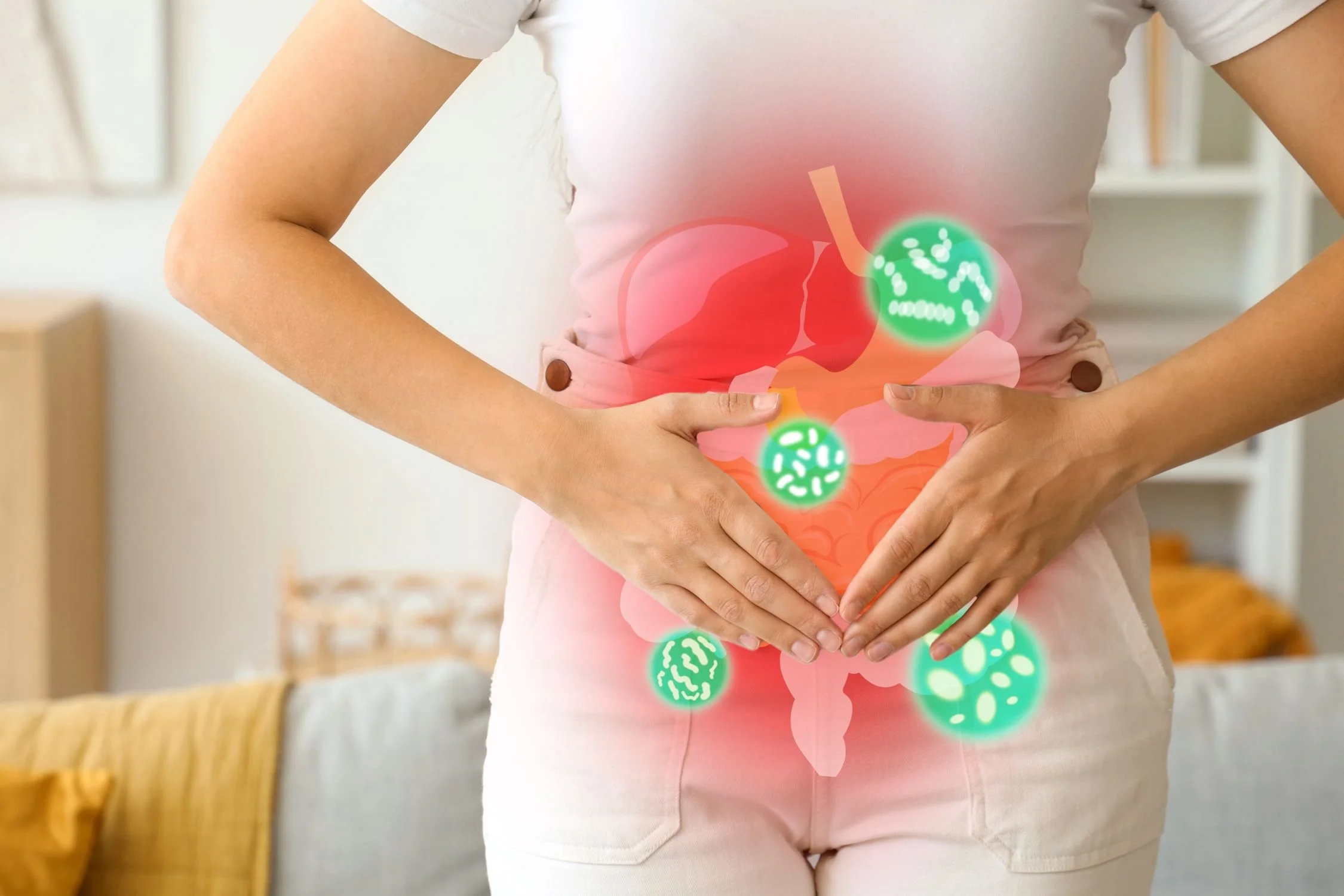
This bloating originates in the gut itself. The signs are gas, burping, gurgling, pressure that builds through the day, constipation, cramping, and specific foods that reliably set it off. It feels like pressure from the inside and often eases after a bowel movement. Our guide on bloating and gas breaks down the mechanics.
Hormonal Water Retention
This is fluid, not food. The signs are puffiness rather than pressure, rings that feel tighter, a fuller looking face in the morning, breast tenderness, weight that jumps two or three pounds overnight and drops just as fast, and a belly that looks swollen but does not feel gassy. Salt, alcohol, poor sleep, heat, and hormone levels all make it more pronounced.
Many women have both, which is why generic advice fails them. If your symptoms are gas, burping, and cramping, slower eating and cooked foods help most. If it is hard stool and straining, constipation is driving it, so fiber, water, physical activity, and a morning routine come first. If the puffiness shows up in your face and fingers, that points toward water retention, where hydration, sodium awareness, and lymphatic support matter more.
What Changes During Perimenopause
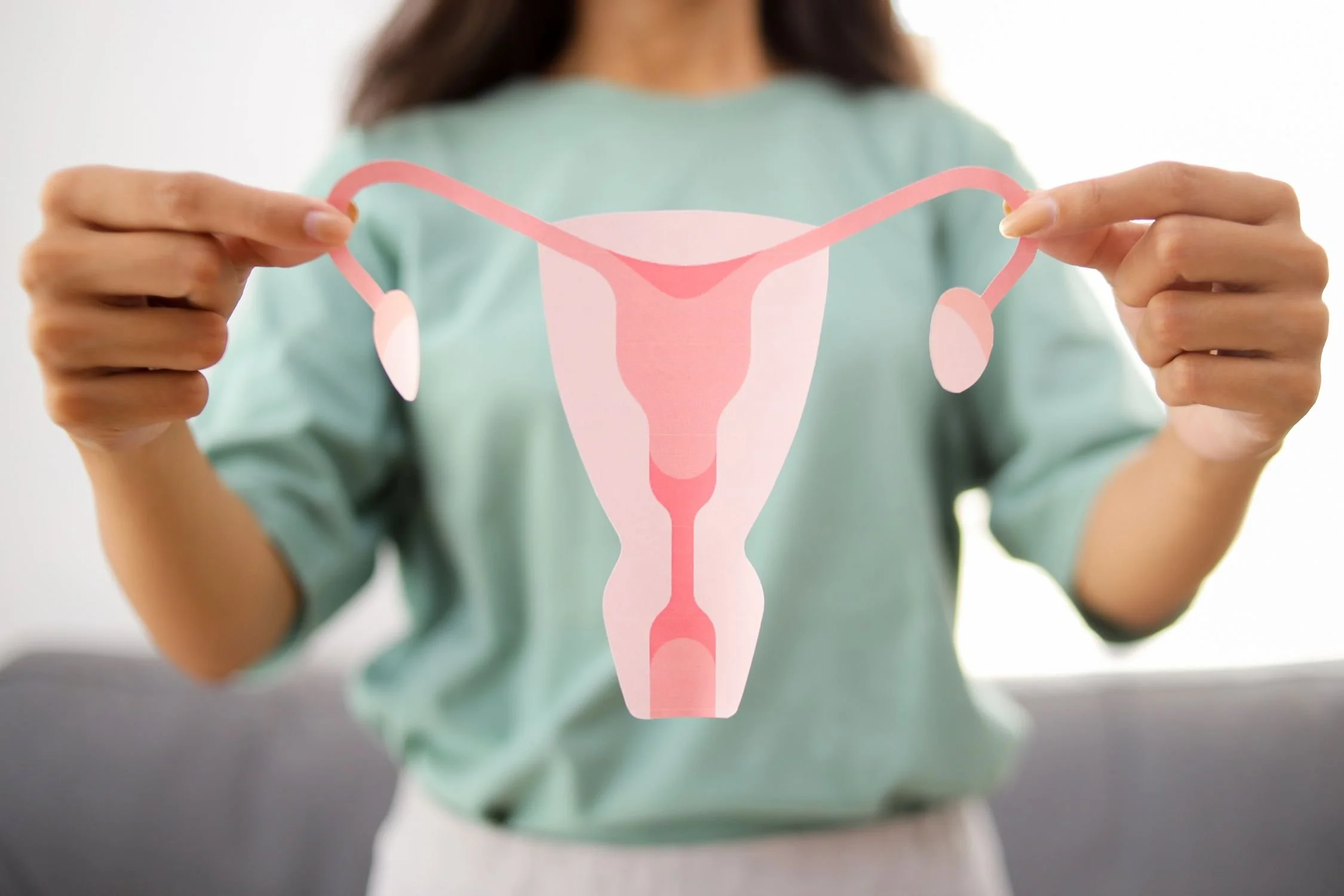
Several systems shift at once, and digestion sits downstream of all of them.
Estrogen Fluctuations and Gut Sensitivity
The word most people miss about perimenopause is fluctuation. Estrogen does not decline in a tidy straight line. It swings, sometimes dramatically within a single cycle, and those swings are often what the body reacts to most.
Estrogen receptors exist throughout the body, including in tissues involved in digestion. Estrogen is thought to influence the gut lining, immune signaling, serotonin pathways that regulate motility, microbiome balance, and visceral sensitivity, which is essentially how loudly your gut reports what it feels. When that sensitivity increases, the same amount of gas that used to go unnoticed can feel like a balloon. A 2026 review in Frontiers in Endocrinology describes menopause related hormone changes as having complex, context dependent effects on gastrointestinal function, which explains why two menopausal women the same age can have completely different experiences.
Progesterone Changes and Slower Motility
Progesterone relaxes smooth muscle, and your colon moves waste using smooth muscle contractions. During perimenopause, progesterone commonly becomes erratic and often trends lower, and both of those affect how efficiently the colon moves.
When motility slows, stool sits longer, more water is absorbed out of it, and it becomes harder to pass. Constipation then traps gas behind it, and that trapped gas is what most women actually feel as bloating. This is why so much perimenopause bloating is really a constipation story wearing a different name. Our article on menopause and constipation goes further into that connection.
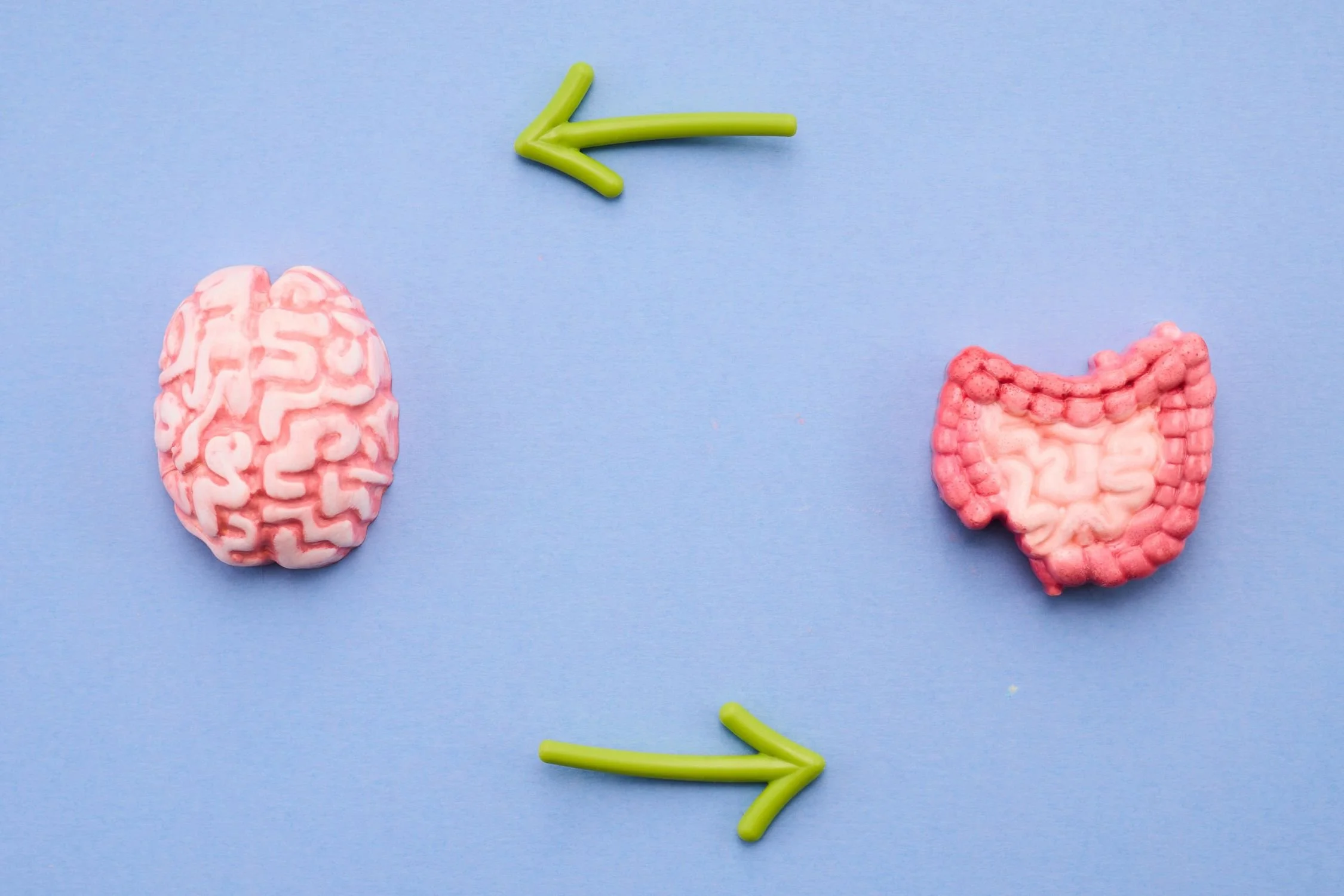
The Gut Brain Axis and Stress
Perimenopause rarely arrives during a quiet season of life. It lands in the middle of career pressure, teenagers, aging parents, and broken sleep. Cortisol reroutes blood flow away from digestion during stress. For some women that means constipation and slower transit, for others urgency and loose stools, and many swing between the two. The Seattle Midlife Women's Health Study examined constipation and diarrhea across the menopause transition alongside stress measures including cortisol, anxiety, and perceived daily stress. Poor sleep compounds all of it by affecting hunger hormones, cravings, and the daily rhythm your colon relies on, which we covered in our piece on sleep and gut health.
Microbiome Shifts After 40
Your gut microbiome helps break down fiber, influences stool consistency, supports immunity, and participates in how the body metabolizes hormones. That community responds to diet, stress, sleep, alcohol, medications, and hormonal change, all of which are in motion during perimenopause. When the balance shifts, the result can be more gas, less predictable bowel movements, and foods you tolerated for decades suddenly causing trouble. Our guide on prebiotics vs probiotics sorts out what each one does.

Bile Flow and Heavier Meals
Many women notice rich meals feel heavier than they used to. The steak dinner that was fine at 35 sits like a rock at 46. Bile helps digest fat, and metabolic changes in midlife may influence how comfortably larger fat loads are handled. This one gets overstated online, so to be clear, estrogen decline does not automatically cause gallbladder problems. What is fair to say is that meals heavy in saturated fat, fried foods, and late night eating are frequent complaints among women experiencing perimenopause, and adjusting portion size and timing usually helps more than cutting fat out.
Blood Sugar, Cravings, and Weight Changes
Insulin sensitivity can shift during perimenopause, and so can appetite. Long gaps between meals lead to being ravenous by evening, which leads to eating faster and eating more. High sugar meals drive blood sugar spikes that worsen water retention, feed gas producing bacteria, and set up the crash that fuels the next craving. This is where weight changes enter the conversation, because the pattern that contributes to weight gain in midlife tends to worsen digestion at the same time. Protein, fiber, and healthy fats at each meal support weight management without the restriction that usually backfires.
It Is Almost Never One Cause
Perimenopause bloating is rarely caused by one hormone or one food. It is the combined result of hormonal fluctuation, slower motility, stress, disrupted sleep, diet shifts, microbiome changes, and fluid retention overlapping, which means the fix is rarely one dramatic elimination. It is several small adjustments that stack.
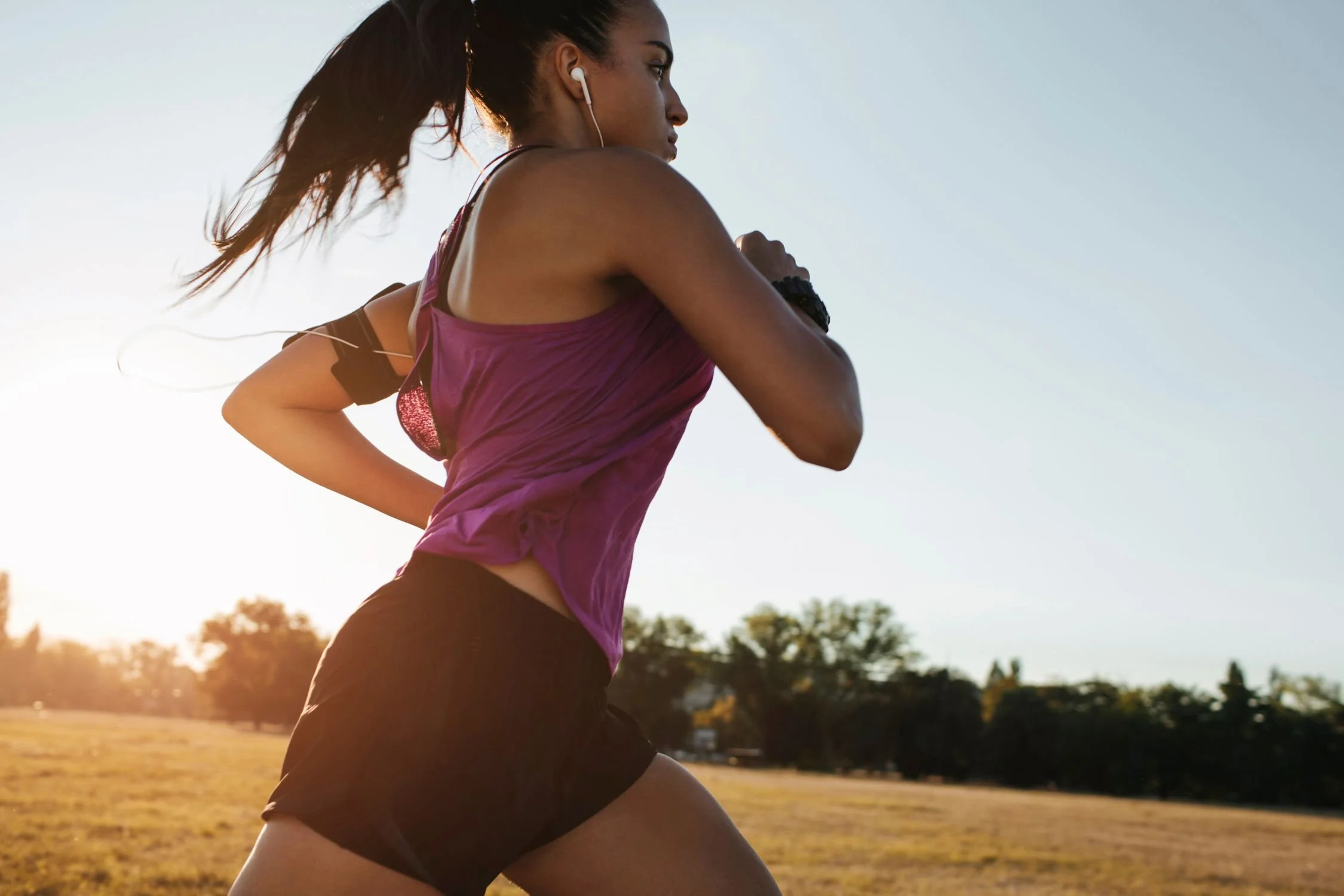
The Best Perimenopause Diet for Bloating and Gut Health
The best diet for perimenopause bloating is not a restrictive cleanse or a fourteen day detox. It is a steady, fiber rich, protein supported, hydration focused way of eating that keeps blood sugar stable, supports daily bowel movements, feeds the gut microbiome, and reduces the foods that trigger gas or water retention in your body.
If you want a named eating plan to anchor to, the Mediterranean diet is the closest match to everything below. It leans on fruits and vegetables, whole grains, legumes, olive oil, and fatty fish, it is rich in anti inflammatory foods, and it has a deep research base for heart health in menopausal women. The important words, though, are your body. Personalization matters more here than in almost any other area of diet and nutrition.
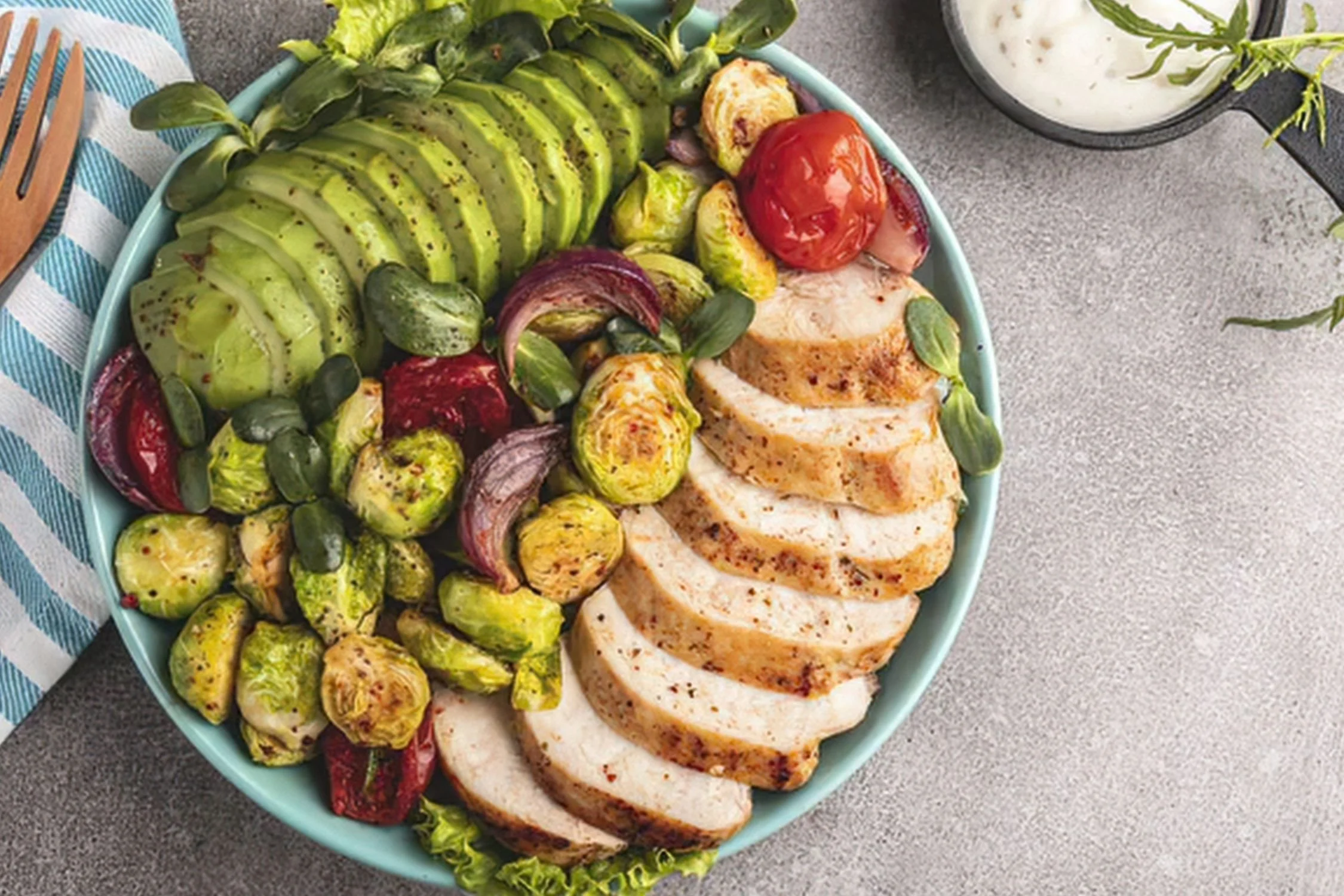
Start With Protein at Every Meal
Protein supports muscle mass, which matters enormously after 40 for metabolic health and weight management, and it slows the blood sugar rise that drives cravings and evening overeating. Good options include eggs, fish, chicken, turkey, tofu, tempeh, lentils, beans, and Greek yogurt if you tolerate dairy.
One caution. If you increase protein without also increasing water and fiber, constipation almost always follows. It is one of the most common causes of backed up digestion we see, which we also covered in our article on colon hydrotherapy after travel, stress, or diet changes. More protein requires more water.
Increase Fiber Slowly
Fiber supports regular bowel movements, feeds beneficial bacteria, and helps stool hold the right amount of water. It is also the most common reason people feel worse after deciding to eat healthier, because they double their intake overnight and their gut has no time to adapt.
Add fiber gradually over two to three weeks. Soluble fiber tends to be gentler for people who bloat easily, so oats, chia, ground flaxseed, berries, apples, lentils, sweet potatoes, and cooked vegetables are good starting points. Whole grains like quinoa, brown rice, and barley also support cholesterol and blood sugar stability, which matters more in this decade than it did in your twenties. Our guide to high fiber foods has a longer list.
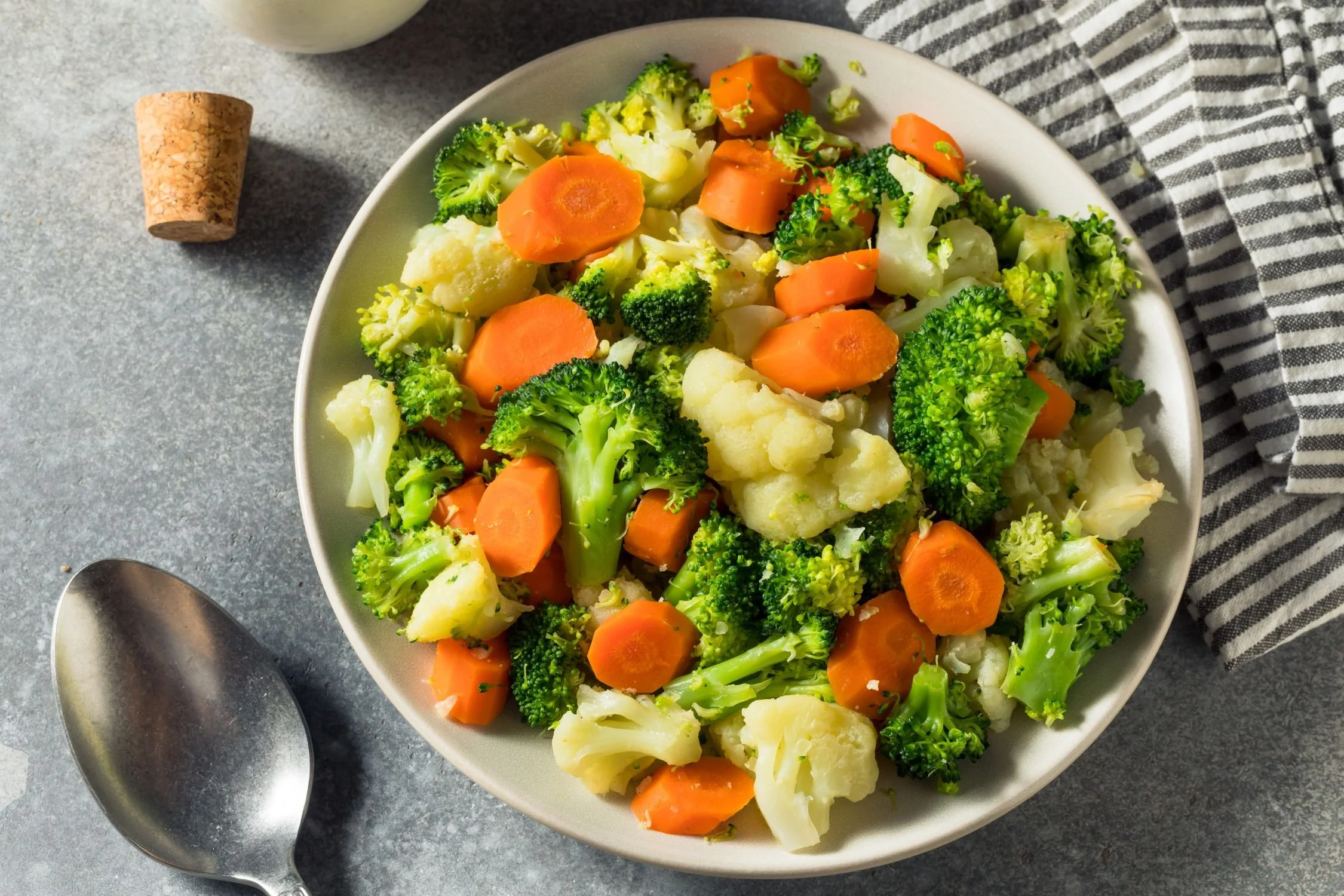
Choose Cooked Vegetables When Bloating Is High
Enormous raw salads are widely considered the healthiest lunch available, and for a bloated perimenopausal gut they can be a genuine problem. Raw vegetables carry a heavy fiber load and require more work to break down, while steaming, roasting, or sautéing does part of that work for you. Zucchini, carrots, spinach, squash, green beans, and sweet potato are all easier to handle cooked. You are not giving up fruits and vegetables, you are changing their form so your gut can use them comfortably.
Fermented Foods
Fermented foods may support microbial diversity, and many women do well with small amounts of sauerkraut, kimchi, kefir, plain yogurt, or miso. The word small is doing real work there. If you have IBS type symptoms or suspected SIBO, fermented foods can increase gas rather than reduce it. Start with a tablespoon, not a bowl.
Add Healthy Fats Without Overloading One Meal
Fat supports hormone production and satiety, and it makes vegetables taste good enough that you keep eating them. Too much in one sitting can slow already sluggish digestion and worsen reflux.
Omega-3 fatty acids deserve a specific mention, because they are among the most useful nutrients in perimenopause. Fatty fish like salmon, sardines, and mackerel, along with walnuts, chia, and ground flaxseed, support heart health at a stage of life when the risk of heart disease begins to climb for women. Avocado, olive oil, nuts, and seeds in moderate portions across the day work better than one very rich meal.
Do Not Forget Calcium, Vitamin D, and Bone Health
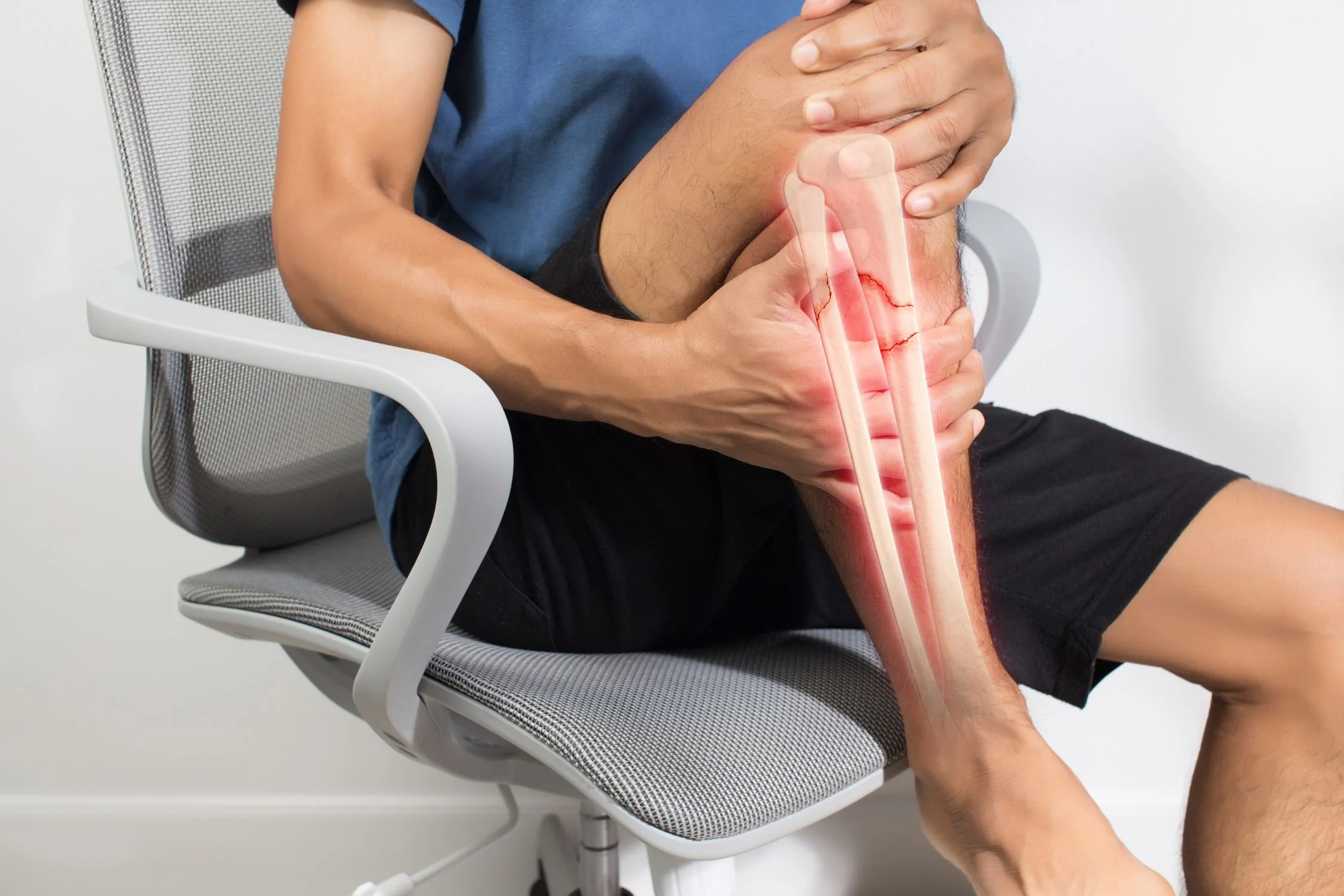
Estrogen decline accelerates the loss of bone density, which raises the risk of osteoporosis around menopause, and the same food strategy can support your bones with very little extra effort.
Calcium rich foods include yogurt, kefir, cheese if you tolerate it, sardines with bones, tofu set with calcium, almonds, tahini, white beans, and leafy greens like kale and bok choy. Vitamin D is essential for absorbing that calcium and difficult to get from food alone, so ask your provider to check your levels rather than guessing. Magnesium, vitamin K, and protein support bone health too, which is another reason a balanced diet beats a restrictive one at this stage.

Hydrate With Minerals and Support Magnesium
Hydration keeps stool soft and helps the colon move, and most women are drinking less than they think. Aim for steady intake through the day rather than a giant bottle at nine at night. If you sweat a lot, drink coffee, travel often, or deal with hot flashes and night sweats, adding electrolytes to one glass of water helps you hold onto the fluid instead of passing it straight through. Warm water or herbal tea in the morning is one of the simplest and most effective habits for bowel rhythm we recommend.
Magnesium belongs in the same conversation, because it supports the muscle that moves stool through the colon along with sleep quality and stress regulation. Pumpkin seeds, spinach, almonds, black beans, dark chocolate, and avocado are good sources. Supplements help some women, though discuss them with your provider first, particularly with kidney concerns or interacting medications.
Use Meal Timing to Support Digestion
Your colon likes rhythm. Eating at wildly different times each day disrupts the gastrocolic reflex, which is the signal a meal sends to your colon to get moving. Breakfast, ideally with something warm, is one of the strongest triggers for morning elimination. Heavy late night dinners are one of the strongest triggers for reflux and overnight bloating. Shifting dinner earlier by an hour is often the highest impact change a woman makes in her first two weeks.
Foods to Limit During Perimenopause
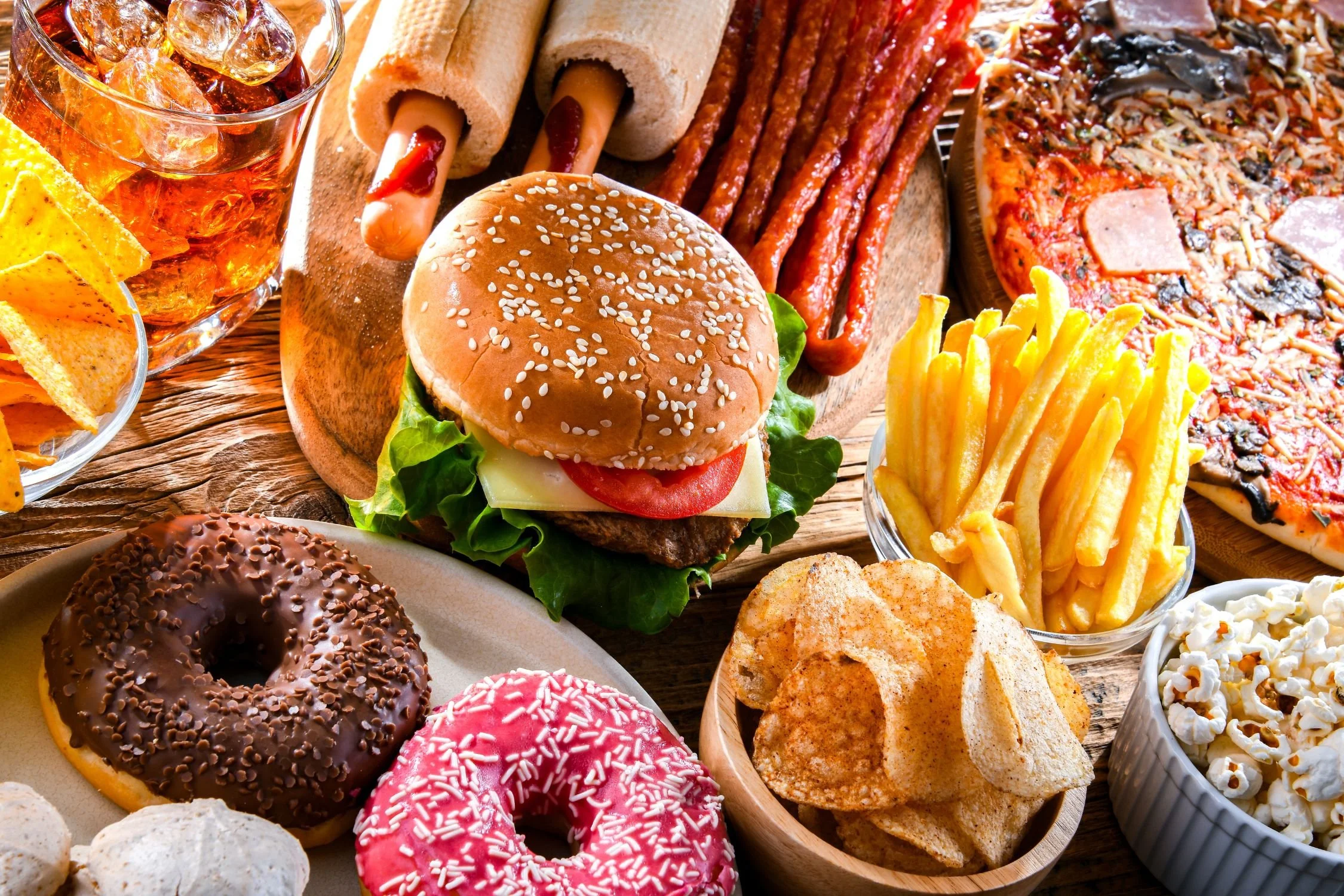
None of these are bad foods. They are the most common triggers we see when hormones, stress, sleep, and digestion are already shifting. Treat this as a list to test out, not a list to fear or eliminate completely.
High sodium and ultra processed foods pull water into tissue, and that retention is often what women are feeling when they say they look puffy rather than bloated. Restaurant food, takeout, packaged snacks, deli meats, sauces, and canned soups carry far more sodium than most people estimate. Processed foods also tend to be higher in saturated fat and refined sugar, a combination that can raise cholesterol and increase the risk of heart disease and type 2 diabetes in the years around menopause. Cooking at home two or three more times a week usually makes a visible difference within days.
Alcohol irritates the digestive tract, contributes to dehydration and rebound water retention, disrupts sleep quality, and can worsen perimenopause symptoms like hot flashes and night sweats. Tolerance frequently changes after 40. Our article on the long term effects of alcohol on the digestive system goes deeper if this is a pattern you are watching.
Carbonated drinks introduce gas directly into your digestive tract, and for someone already distended that is the difference between comfortable and miserable. Try still water or peppermint tea for a week and see whether anything changes.
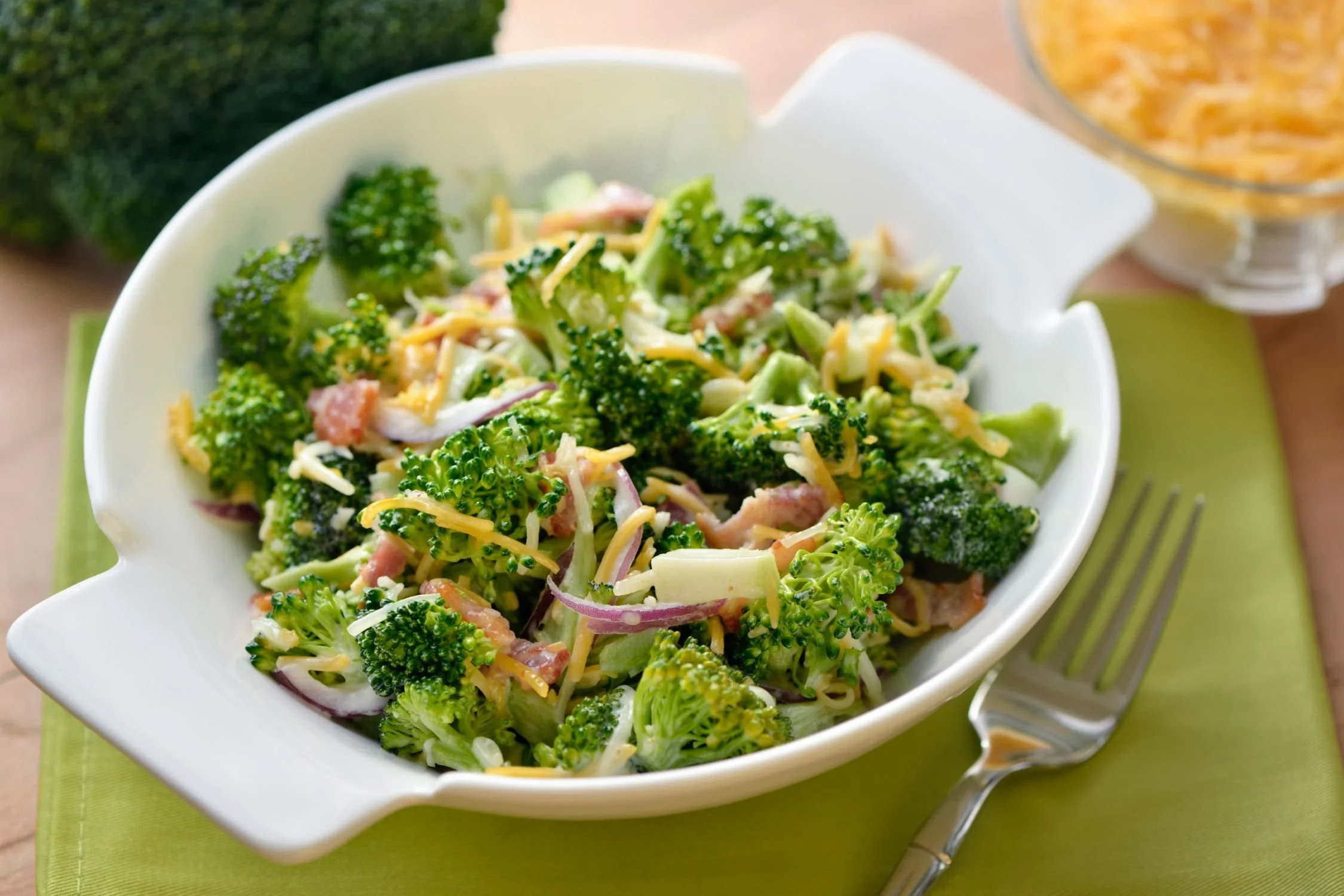
Large raw salads and cruciferous vegetables like broccoli, cauliflower, cabbage, kale, and Brussels sprouts produce significant gas during digestion. We ask clients to avoid them raw in the day or two before a colon hydrotherapy session for that reason. Cook them, reduce the portion, and notice how differently they land.
Dairy, gluten, and high FODMAP foods deserve testing rather than blanket elimination. Tolerance genuinely shifts in midlife, and dairy, wheat, onions, garlic, beans, and apples are frequent culprits. Cutting all of them at once leaves you with a shrinking diet and no useful information. Test one category at a time for two weeks, or work with a registered dietitian.
Artificial sweeteners and sugar alcohols like sorbitol, xylitol, and erythritol are poorly absorbed and famously gassy. They live in protein bars, sugar free gum, and diet drinks, which means the woman doing everything right nutritionally is often consuming the most of them. This is one of the fastest wins available if it applies to you.
Eating too fast and too late matters as much as what is on the plate. Sitting down, chewing properly, and finishing dinner two to three hours before bed costs nothing and works.
Perimenopause Constipation and Why It Comes With Bloating
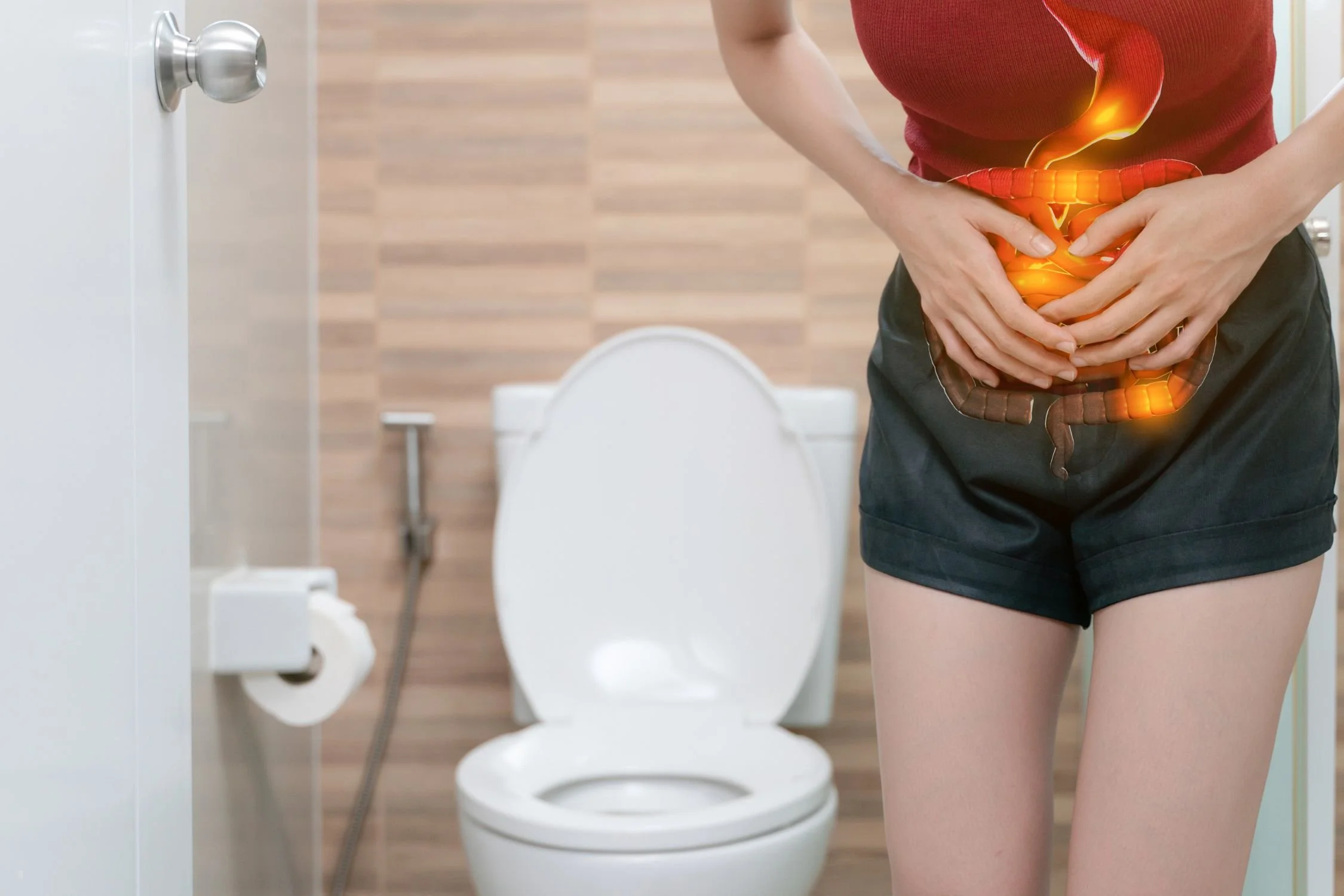
Constipation is one of the biggest reasons perimenopause bloating feels so uncomfortable. When stool moves slowly, gas builds up behind it, the belly feels heavy and distended, and bowel movements start to feel incomplete even when they happen.
The pattern usually looks like fewer bowel movements than you are used to, harder stool, straining, a sense that you did not fully empty, and bloating that worsens as the day goes on. Pelvic floor changes, less physical activity, dehydration, stress, and disrupted sleep all feed into it. A 2025 scoping review found constipation was the most studied gastrointestinal symptom in research on natural perimenopause and postmenopause.
If you are unsure whether what you are experiencing counts as constipation, the Bristol Stool Chart is the simplest tool available. Types one and two indicate stool that has been in the colon too long. Types three and four are the target.
For practical support, our guides on natural remedies for constipation and colon hydrotherapy for constipation relief cover both the at home approaches and the professional ones, and if this has been a long running pattern rather than a recent change, it is worth reading why chronic constipation deserves real attention.
The order we suggest is simple. Water first, then fiber, then movement, then a consistent morning routine, then professional support if the pattern is entrenched. Adding fiber to a dehydrated colon makes things worse, which is the most common mistake we see.
A Simple Perimenopause Anti Bloat Plate
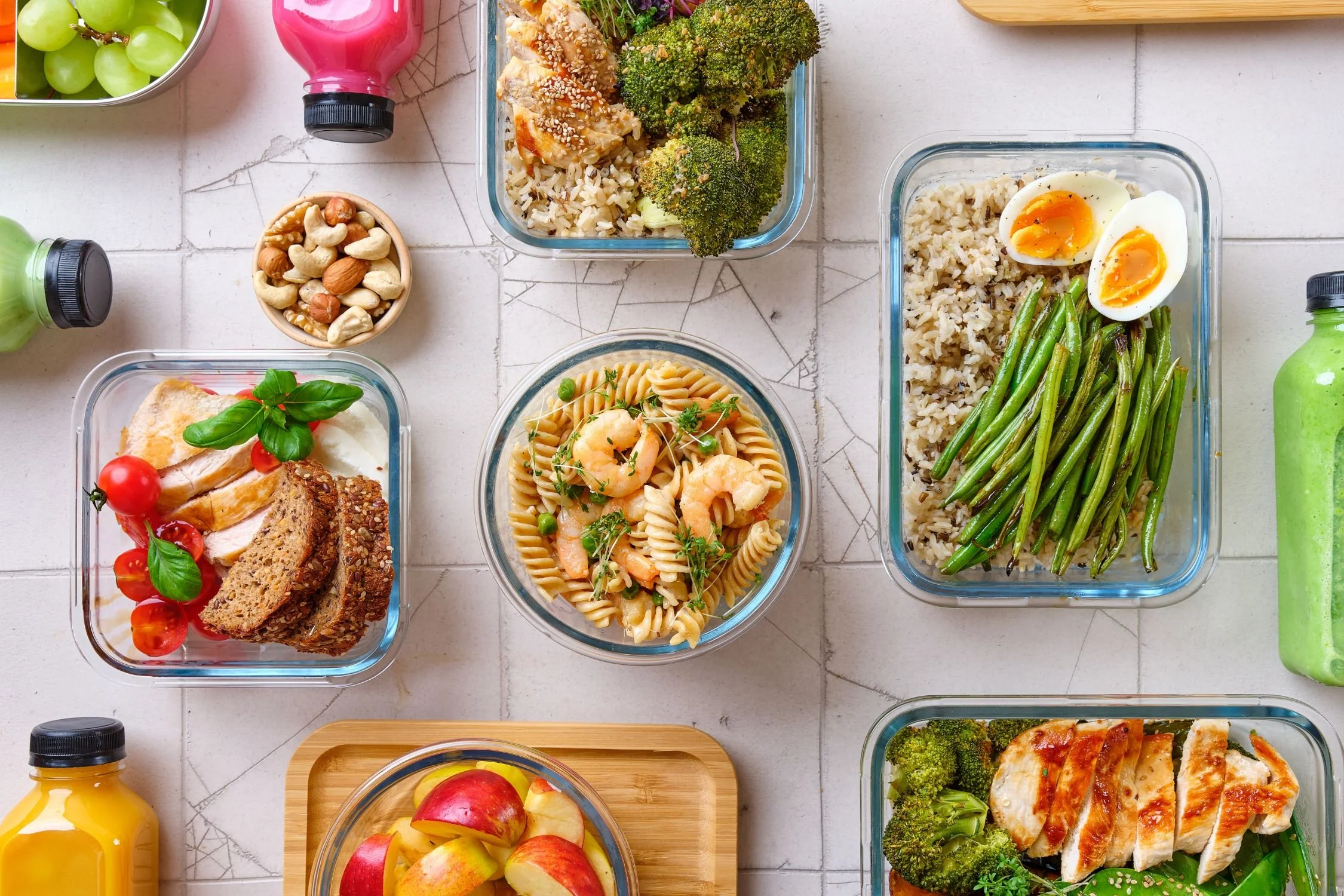
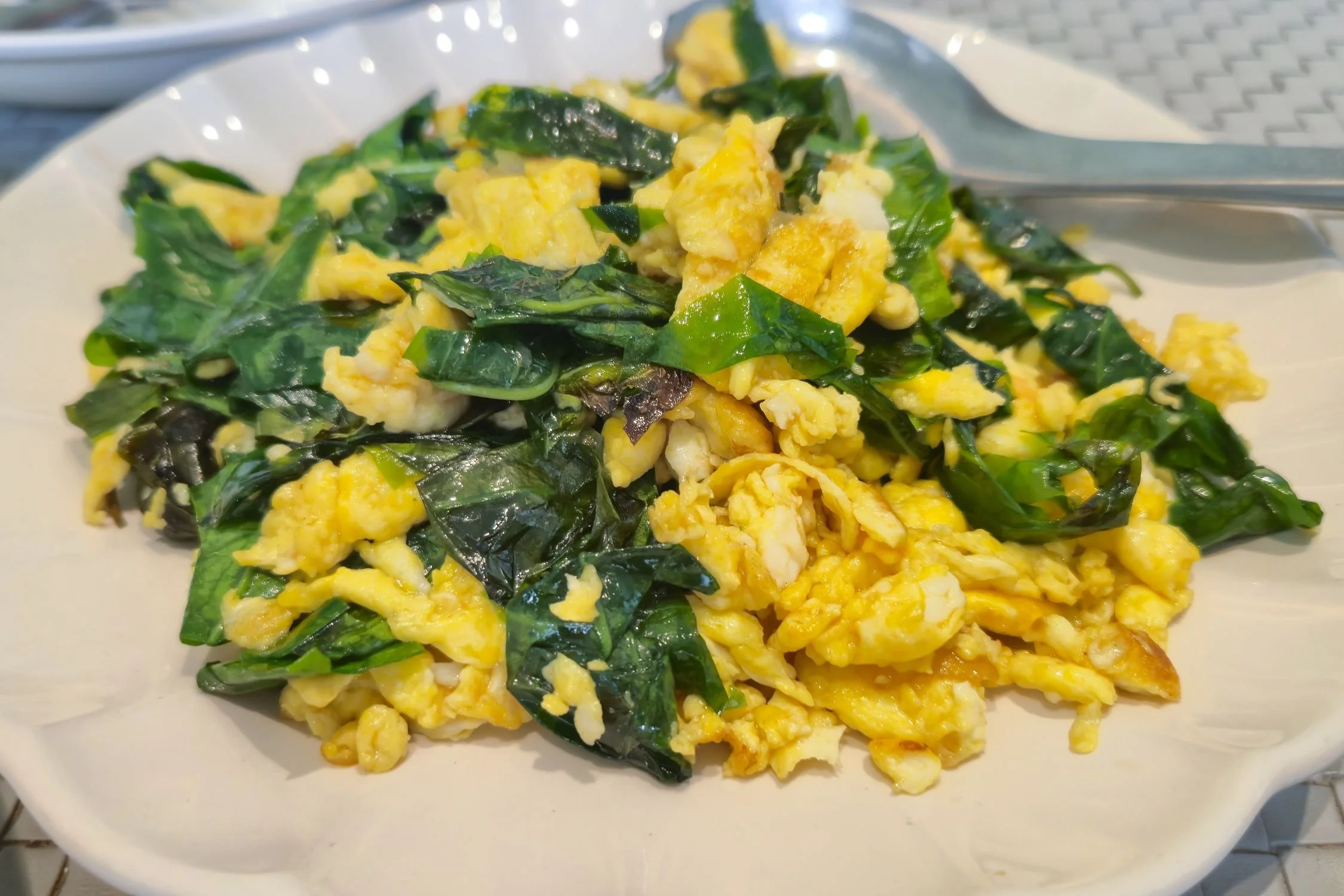
Frameworks work better than rules, because rules break the moment life gets complicated. Fill one quarter of the plate with protein and one quarter with a fiber rich or whole grain carbohydrate like sweet potato, quinoa, brown rice, or lentils. Fill the remaining half with cooked or easy to digest vegetables. Add one to two tablespoons of healthy fat, a little fermented food if you tolerate it, and water or herbal tea alongside.
For breakfast that might look like eggs with sautéed spinach and avocado, Greek yogurt with berries, chia, and cinnamon, or oatmeal with ground flax and pumpkin seeds. For lunch, a salmon bowl with rice, cooked greens, and olive oil works beautifully, as does lentil soup with cooked vegetables or chicken and quinoa with roasted carrots. For dinner, think turkey or tofu with cooked vegetables, white fish with sweet potato and sautéed greens, or a rice bowl with tempeh, carrots, and avocado. For snacks, kiwi, chia pudding, pumpkin seeds, boiled eggs, kefir if tolerated, and peppermint tea all tend to sit well.
Two notes worth holding onto. When bloating is high, cooked and warm food almost always feels better than a large cold salad. And you do not need to eat this way perfectly. Women who hit this structure for two thirds of their meals feel dramatically better than women who attempt perfection for nine days and then quit.
The Three Day Perimenopause Bloating Reset
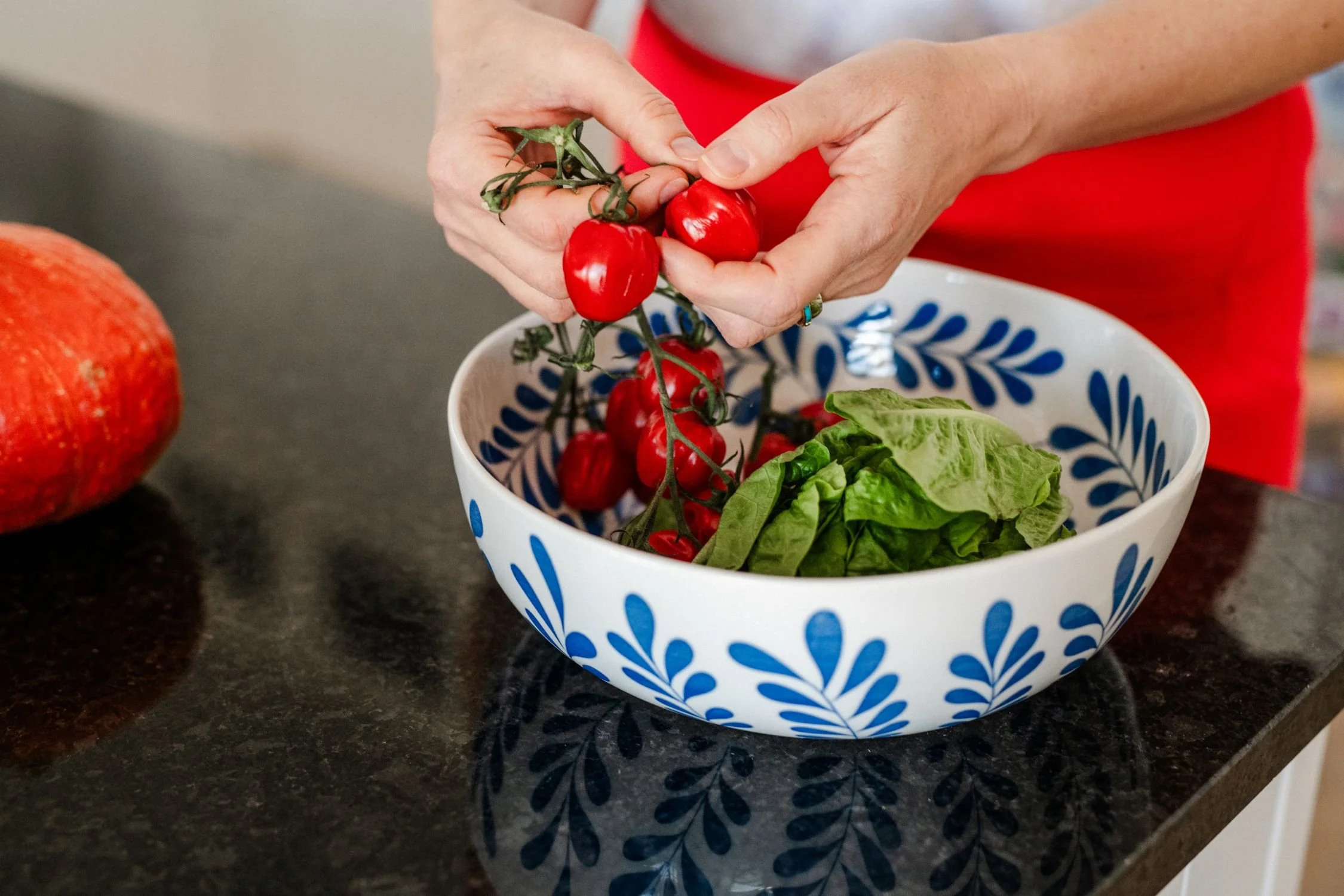
This is not a crash diet, a cleanse, or a detox. It is a gentle three day rhythm to calm digestion, reduce common triggers, support elimination, and help you notice what your body responds to.
Day one calms the gut. Warm, cooked, simple food. Soups, stews, roasted vegetables, easily digested protein, no alcohol, no carbonation, and a ten minute walk after your two largest meals.
Day two supports elimination. Warm liquid first thing, adequate fiber paired with genuinely adequate water, magnesium rich foods, and a protected window in the morning where you can respond to your body's signal without rushing. Day three rebuilds rhythm. Balanced meals at consistent times, steady protein, a small amount of fermented food if tolerated, and honest tracking of what you notice.
By the end of day three most women see one of two things. Either the bloating has meaningfully reduced, which tells you food, timing, and hydration were driving it, or it has barely moved, which points toward constipation, fluid retention, or something that needs a medical look. If high fiber or fermented foods make things worse, scale back rather than pushing through.

Diet and Lifestyle Changes That Help Perimenopause Digestion
Food matters enormously and it is still only part of the picture.
Walk after meals. Ten minutes is enough. Gentle movement supports motility and helps clear gas rather than letting it sit, and the after dinner walk doubles as a stress reset before bed.
Build a morning bowel routine. Warm drink, breakfast, then time on the toilet without your phone and without rushing. A small foot stool improves the angle and reduces straining. Most importantly, respond to the urge when it comes, because repeatedly ignoring it teaches the colon to stop signaling.
Protect your sleep. Perimenopausal sleep is often broken by night sweats, anxiety, or waking at three in the morning for no obvious reason, and poor sleep raises cortisol, increases cravings, and disrupts the daily rhythm your digestive system depends on. Working on sleep frequently improves digestion more than any supplement does.
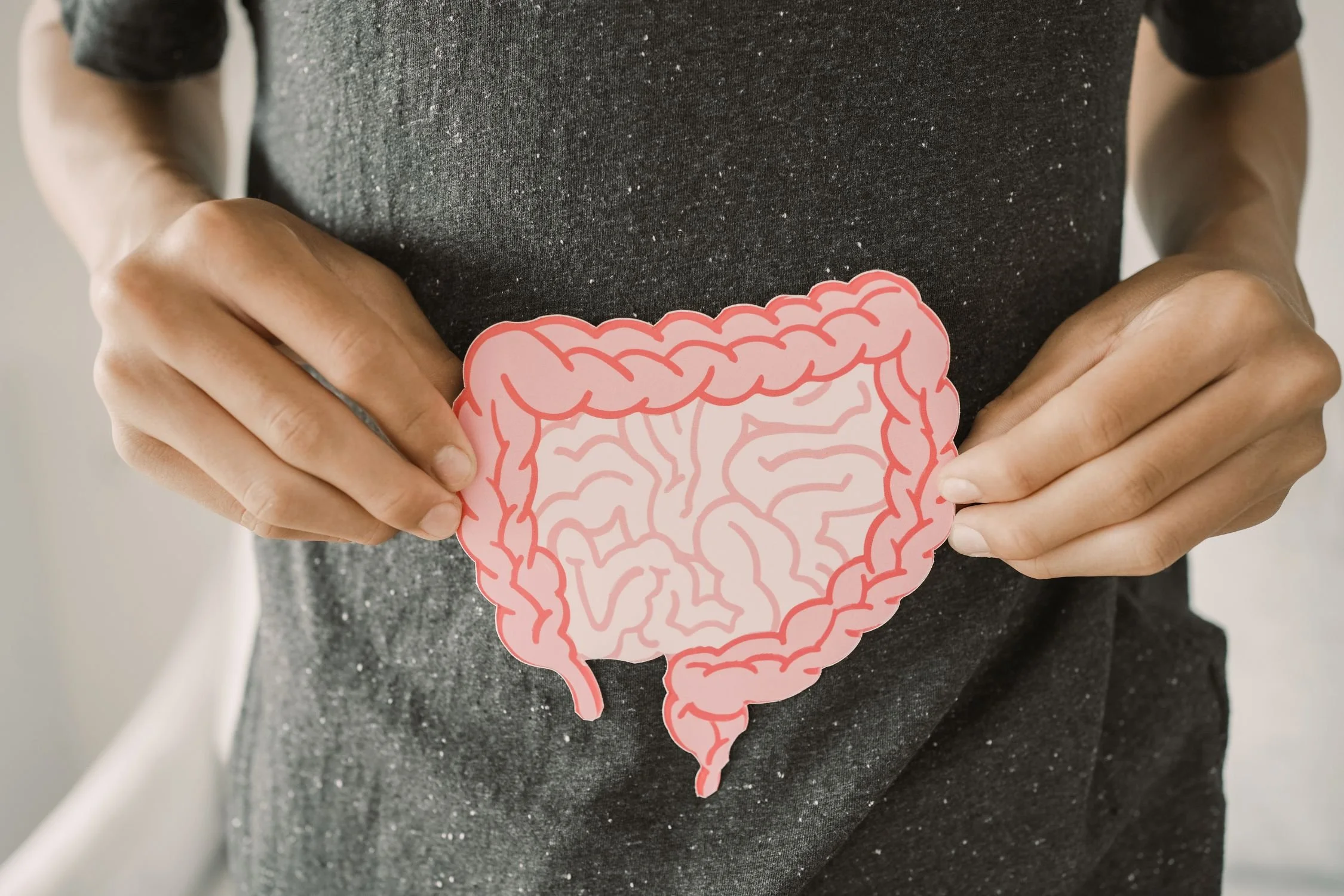
Regulate stress before you eat. Three slow breaths before your first bite, sitting down, and chewing thoroughly sound too simple to matter. They matter. Our article on how emotional stress affects gut health explains why.
Strength train. Muscle mass supports metabolic health and a healthy weight during years when it naturally declines, weight bearing movement supports bone health and reduces the risk of bone loss, and regular physical activity supports bowel regularity. Core and pelvic floor function also affect your ability to have a comfortable, complete bowel movement.
Track loosely. A note on your phone covering your eating habits, sleep, stress, and bowel movements will reveal patterns within two to three weeks that you would never spot from memory.

When Perimenopause Bloating Is Not Just Food
This matters because so many women quietly blame themselves for something that has nothing to do with willpower.
Bloating in midlife can also be driven by constipation, IBS, reflux, SIBO, food intolerances, thyroid dysfunction, ovarian cysts and other gynecologic conditions, celiac disease, medication side effects, GLP-1 medications, iron supplements, pelvic floor dysfunction, and anxiety.
Iron deserves a mention, because many women in perimenopause supplement it for heavy or irregular bleeding, and constipation is one of its best known effects. If your digestion changed within a few weeks of starting a new supplement or medication, look there first before overhauling your diet. If you already have an IBS diagnosis, our guide on understanding irritable bowel syndrome covers how symptoms and triggers tend to behave.
Perimenopause is a real explanation for a lot of digestive change, and it should never become the explanation you use to talk yourself out of getting something checked.
Where Colon Hydrotherapy and Electro Lymphatic Therapy Fit In
We will be straightforward, because you deserve that more than a sales pitch. Neither of the services we offer treats perimenopause, reverses hormonal change, or balances hormones. Anyone telling you otherwise is selling something. What they can do is support two experiences that show up constantly at this stage.
Colon Hydrotherapy for Sluggish Digestion and Constipation Related Bloating
Colon hydrotherapy may be supportive for clients who feel backed up, sluggish, or heavy, particularly when constipation is driving the bloating. It is digestive wellness support, not medical treatment, and not a replacement for care from your provider.
We use a LIBBE open system, which means warm filtered water, a small sterile single use speculum, and complete client control throughout. Most women arrive nervous and leave saying it was far more comfortable and private than they expected. Our guides on open system colonics and how often to get a colonic walk through the process and a sensible frequency.
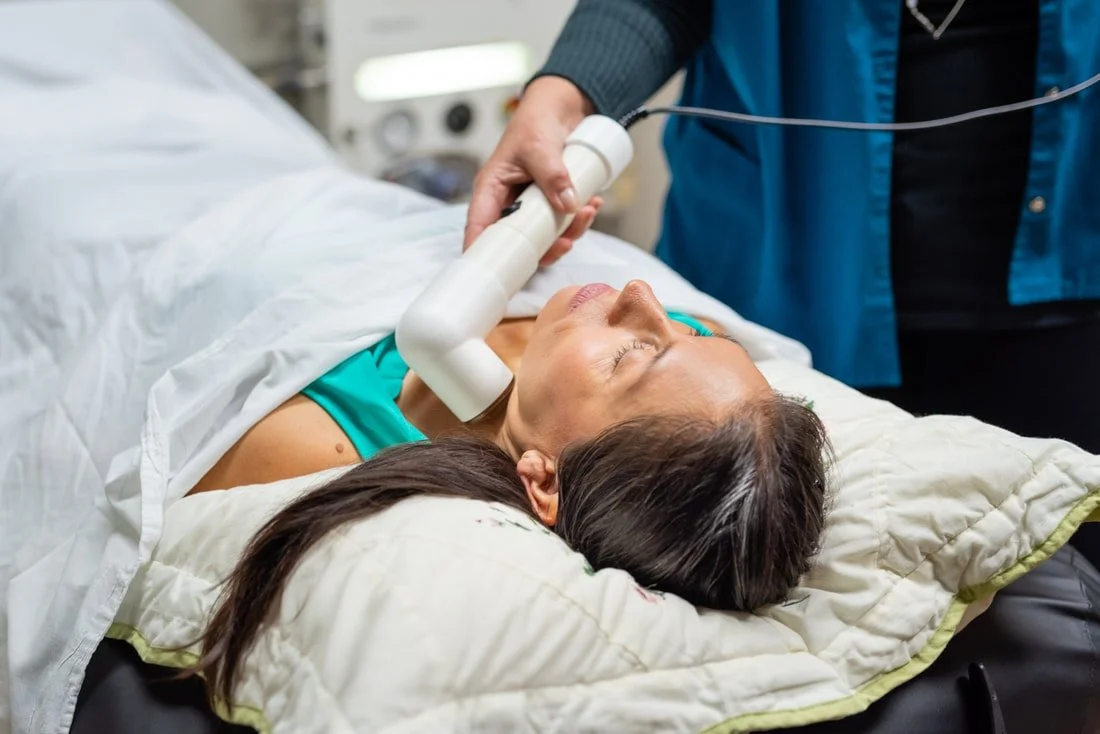
Electro Lymphatic Therapy for Puffiness and Water Retention
ELT tends to be the better fit when bloating feels less like gas and more like fluid. Puffiness in the face and hands, swelling that comes and goes overnight, and that inflamed heaviness no amount of water seems to touch. Your lymphatic system has no pump of its own and relies on movement, breath, and healthy surrounding tissue to keep flowing, so when it slows, fluid and cellular waste linger where you can see and feel them. Our articles on the signs of a sluggish lymphatic system and electro lymphatic drainage therapy explain how it works and who it suits.
The RESET Approach for Women Who Feel Both
Most perimenopausal clients do not fall neatly into one category. They feel constipated and puffy, bloated and swollen, sluggish and inflamed, all in the same week. That is where combining colon hydrotherapy for elimination support with ELT for fluid support makes sense, and it is the foundation of the RESET experience at our Los Angeles studio. You can see how it fits into a broader plan on our services page, and our article on holistic wellness in Los Angeles explains how we sequence care.

When to See a Doctor About Perimenopause Bloating
Please get evaluated by a healthcare provider if your bloating is severe, persistent, worsening, new and unexplained, interfering with daily life, or accompanied by bowel changes that are not resolving.
Seek medical attention rather than wellness support for unexplained weight loss, rectal bleeding, black or tarry stool, vomiting, fever, severe abdominal pain, pelvic pain, persistent diarrhea, persistent constipation that responds to nothing, difficulty swallowing, feeling full very quickly after a few bites, or abdominal swelling that stays constant rather than fluctuating through the day. A family history of colon, ovarian, or gastrointestinal cancers raises the priority on getting anything unusual looked at promptly.
Every client completes a detailed intake before booking with us, and if something in that intake suggests medical evaluation should come first, we say so directly and refer out. Knowing when not to offer a session is as important as knowing when to.

Colon Hydrotherapy and Lymphatic Drainage in Los Angeles at Fernz Wellness
If you are looking for colon hydrotherapy and lymphatic drainage services in Los Angeles, we are located in the Mid-Wilshire area, which keeps us close and convenient for clients across Los Angeles, including Beverly Hills, West Hollywood, Santa Monica, Culver City, Hancock Park, Hollywood, Koreatown, and the Miracle Mile.
Conclusion
Perimenopause bloating is very real. Digestion changes after 40 because hormones fluctuate, motility slows, stress runs high, sleep breaks down, the microbiome shifts, fluid balance changes, and food tolerance moves without warning. All of that at once explains why the diet that worked for twenty years suddenly does not.
The most effective perimenopause diet is not extreme. It is protein at every meal, fiber added slowly, cooked fruits and vegetables when bloating is high, whole grains, real hydration with minerals, calcium and vitamin D for bone health, omega-3 fatty acids for heart health, steady meal timing, and enough attention to notice your own patterns. Constipation and puffiness are different problems and they need different support. Red flags need a doctor, not a diet.
Be patient with a body that is doing something genuinely demanding. It is not working against you.
If you are in Los Angeles and you have been feeling bloated, puffy, sluggish, or backed up through perimenopause, Fernz Wellness offers open system colon hydrotherapy, Electro Lymphatic Therapy, and combined RESET sessions designed to support your body's natural elimination and lymphatic flow.
Book a session or reach out with your questions first. We would genuinely love to hear where you are and help you figure out what your body actually needs.

Frequently Asked Questions About Perimenopause Bloating
Why am I so bloated during perimenopause?
Perimenopause bloating happens because estrogen and progesterone fluctuate, which may affect gut motility, water retention, stress response, bile flow, and the microbiome. Bloating can also come from constipation, poor sleep, alcohol, high sodium foods, food sensitivities, or stress, and most women are dealing with several of these at once.
What are the best foods for perimenopause bloating?
Helpful foods often include protein rich meals, cooked vegetables, oats and other whole grains, chia, ground flaxseed, berries, sweet potatoes, lentils, soups, fatty fish for omega-3 fatty acids, small amounts of fermented food, and magnesium rich options like pumpkin seeds and spinach. Increase fiber gradually and drink enough water alongside it.
What foods should I limit during perimenopause?
Common triggers include alcohol, carbonated drinks, high sodium and processed foods, fried foods high in saturated fat, large raw salads, cruciferous vegetables, dairy, gluten, high FODMAP foods, and sugar alcohols. None of these are bad foods universally, they simply tend to aggravate digestion that is already sensitive.
Is perimenopause bloating digestive or hormonal?
It can be both. Hormone shifts may affect water retention, gut motility, stress response, and microbiome balance, while digestive factors like constipation, gas, reflux, and food sensitivity contribute separately. Many women experience a mix, which is why identifying your dominant pattern matters.
Can perimenopause and menopause cause constipation?
Yes. Hormonal fluctuation may slow gut motility, and stress, poor sleep, dehydration, reduced physical activity, low fiber intake, medications, and pelvic floor changes can all make it worse. Constipation usually makes bloating feel significantly heavier and more uncomfortable.
Does gut health change during perimenopause?
Gut health can change during perimenopause because hormones, stress, sleep, diet, and metabolism all influence the microbiome and digestion. Many women notice more bloating, constipation, reflux, gas, or new food sensitivity even when their eating habits have stayed the same.
Can colon hydrotherapy help perimenopause bloating?
Colon hydrotherapy may offer supportive relief for clients whose bloating relates to sluggish digestion, constipation, or incomplete elimination. It is not a treatment for perimenopause and does not replace medical care, though it can fit well into a broader gut support plan.
Can lymphatic drainage help perimenopause puffiness?
Electro Lymphatic Therapy may be supportive when bloating feels more like puffiness, swelling, or water retention. It is not a cure for hormonal change, and it may help support fluid movement as part of a holistic wellness routine. you wrote this article about perimenopause bloating mostly, not as much about diet.
See more FAQ’s here.
Additional Resources
Digestive Health Issues More Common During Perimenopause and Menopause – The Menopause Society
Navigating Digestive Issues During Menopause – Cleveland Clinic
Bloating: What It Is, Causes & When To Be Concerned – Cleveland Clinic
Navigating Perimenopause: 5 Tips From a Women’s Health Provider – Johns Hopkins Medicine
Perimenopause: Diagnosis and Treatment – Mayo Clinic
Treatment for Constipation – National Institute of Diabetes and Digestive and Kidney Diseases
What Is Menopause? – National Institute on Aging
Staying Healthy During and After Menopause – National Institute on Aging
The Menopause Years – American College of Obstetricians and Gynecologists
*The services provided by Fernz Wellness are intended for general wellness and educational purposes only. They are not designed to diagnose, treat, cure, or prevent any medical condition. Please consult with a healthcare provider before starting any new treatment or wellness routine. Results may vary.