Discover how stress and gut health impact your immune system to trigger inflammation and autoimmune flares in conditions.

Can stress trigger autoimmune flares? Stress can worsen symptoms and may contribute to flare risk in certain autoimmune conditions, but it does not automatically cause autoimmune disease or every flare. Stress affects nervous system signaling, gut function, immune regulation, sleep, and inflammation. How strongly these pieces connect varies by condition, and symptoms alone cannot confirm active inflammation.
If you live with an autoimmune condition, you probably know this pattern already. A hard week at work, a family crisis, a few nights of broken sleep, and suddenly your gut is cramping, your joints ache, or your skin is flaring in a way it was not a week ago. You are not imagining it. Your brain, your gut, and your immune system talk to each other all day long, and stress changes the tone of that conversation. It works the other way too, because living with an unpredictable illness is stressful all on its own.

Can Stress Trigger an Autoimmune Flare?
Stress can play a part, and how big that part is depends a lot on your diagnosis. Researchers have not found that stress causes autoimmune disease. Genetics, infections, hormones, your environment, and the way your own immune system is wired all shape who develops these conditions. What the research does show is more specific. In people who already live with certain autoimmune or immune-mediated conditions, stressful stretches tend to line up with worse symptoms and, in some studies, a higher chance of a flare.
Many flares happen with no obvious trigger at all, so a flare is not a sign that you did something wrong or failed to manage your stress well enough. And the way you feel does not always match what is happening inside your tissues.

What Is an Autoimmune Flare?
A flare is a stretch of time when symptoms or disease activity pick up, and each condition looks a little different. In rheumatoid arthritis, a flare usually means more joint swelling, stiffness, and pain. With lupus, it may show up as fatigue, joint pain, rashes, or in some cases changes in organs such as the kidneys. A psoriasis flare brings new or spreading plaques. In Crohn's disease or ulcerative colitis, a flare often means more frequent or urgent bowel movements, pain, or bleeding that may reflect fresh inflammation in the intestine.
Stress can also make pain, fatigue, and diarrhea worse all by itself, with no new inflammation underneath. A symptom flare and a measured inflammatory flare can be two different things, and sometimes only your doctor's tests can tell them apart.

How Stress Communicates With the Immune System
Scientists have a long name for the way your emotions, nerves, hormones, and immune cells influence each other. It is called psychoneuroimmunology, and the big idea behind it is simple. Your nervous system and immune system are in constant contact, a little like two close colleagues who check in with each other all day. They share chemical messengers, carry receptors for each other's signals, and adjust what they do based on what the other reports.
The HPA Axis and Cortisol
When your brain senses a threat, the hypothalamus signals the pituitary gland, which signals your adrenal glands to release cortisol. This chain is called the HPA axis. In short bursts, cortisol is on your side. It raises blood sugar for energy and calms inflammation, which is why synthetic versions such as prednisone are used as anti-inflammatory medicines. A healthy system also has a built-in brake. Once cortisol rises, it tells the brain to ease off production.
Repeated or long-lasting stress can make that system less precise. Research suggests that in some people, immune cells slowly become less responsive to cortisol's calming signal, a pattern called glucocorticoid receptor resistance (PNAS, 2012). We steer away from simple cortisol stories for this reason, and the popular idea of adrenal fatigue does not hold up as an explanation for autoimmunity.

The Sympathetic Nervous System
The fight-or-flight side of your nervous system releases adrenaline and noradrenaline. Your heart beats faster, your breathing quickens, and blood moves toward your muscles and away from digestion. Gut motility can speed up or slow down, which explains the stress diarrhea or constipation so many of us know well. Sympathetic nerve fibers also reach lymph nodes, the spleen, and the gut wall, where immune cells carry receptors for these chemicals. The nerves that carry your stress response live right next door to the cells that run your immune defenses.
The Vagus Nerve and Parasympathetic Signaling
The vagus nerve runs from the brainstem down to most of your digestive organs and drives the rest-and-digest state, encouraging digestive juices, steady motility, and recovery. Animal research has described a vagal pathway that can quiet inflammatory signaling, and scientists are still learning how it works in people. Slow breathing and relaxation shift the body toward this calmer state. They will not cure an autoimmune disease, and they are still lovely, low-risk ways to help your body feel safe.
Cytokines, the Immune System's Messengers
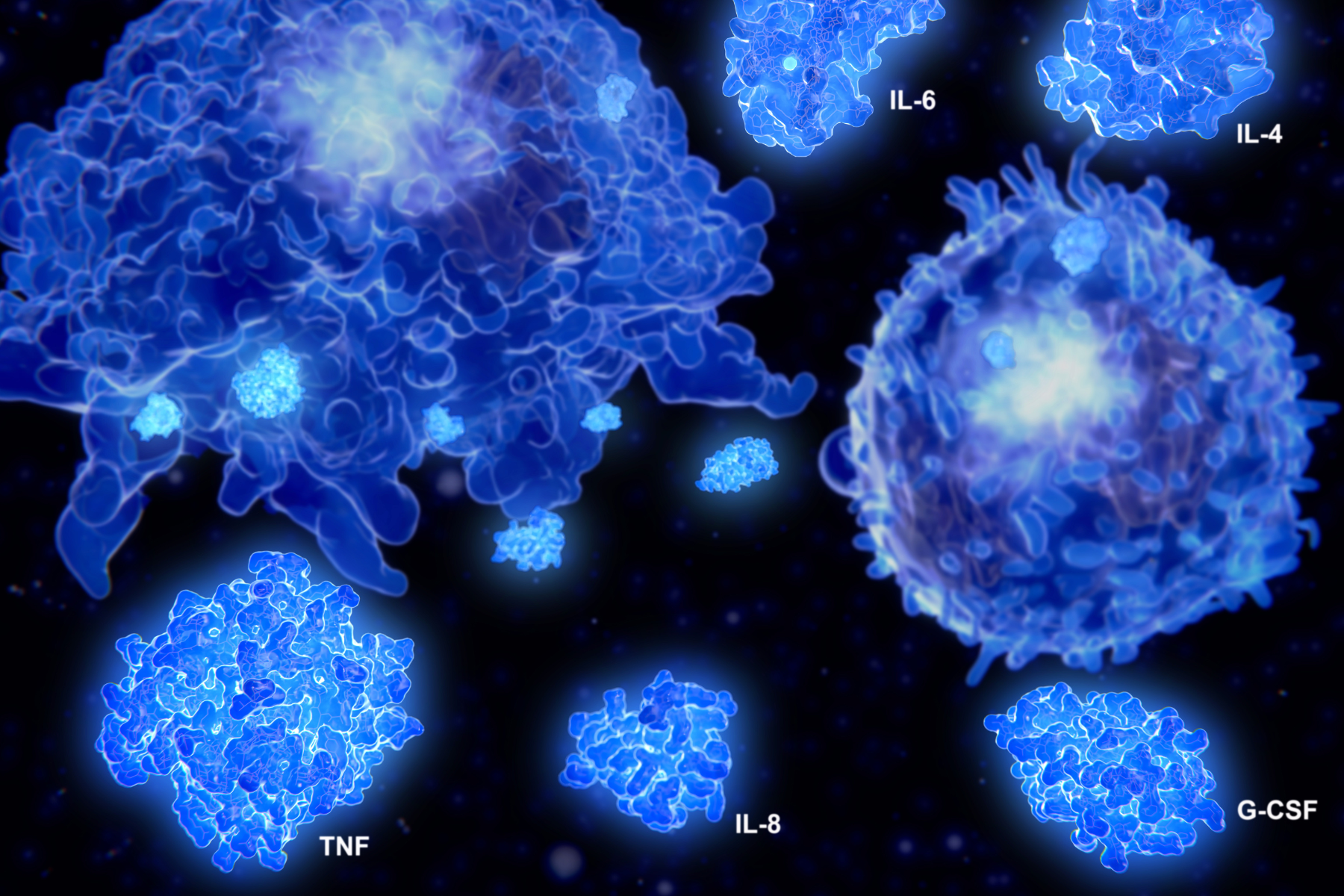
Cytokines are small proteins your immune cells use to talk to each other. Some, such as interleukin-6 and tumor necrosis factor, push inflammation forward. Others help calm it down. Studies link chronic stress with shifts in cytokine activity, though results vary from person to person and condition to condition.
The Feedback Loop Between Illness and Stress
Symptoms such as pain, urgency, or itching disrupt sleep. Poor sleep makes the stress response more reactive and makes pain feel louder. More stress then makes symptoms harder to ignore, and worry about the next flare adds another layer. Researchers following people with IBD found this two-way pattern between stress and symptoms over time (Inflammatory Bowel Diseases, 2017). Seeing the loop laid out like this can feel like a relief, because it shows you several gentle places to step in.
How Stress Affects Gut Health and the Microbiome
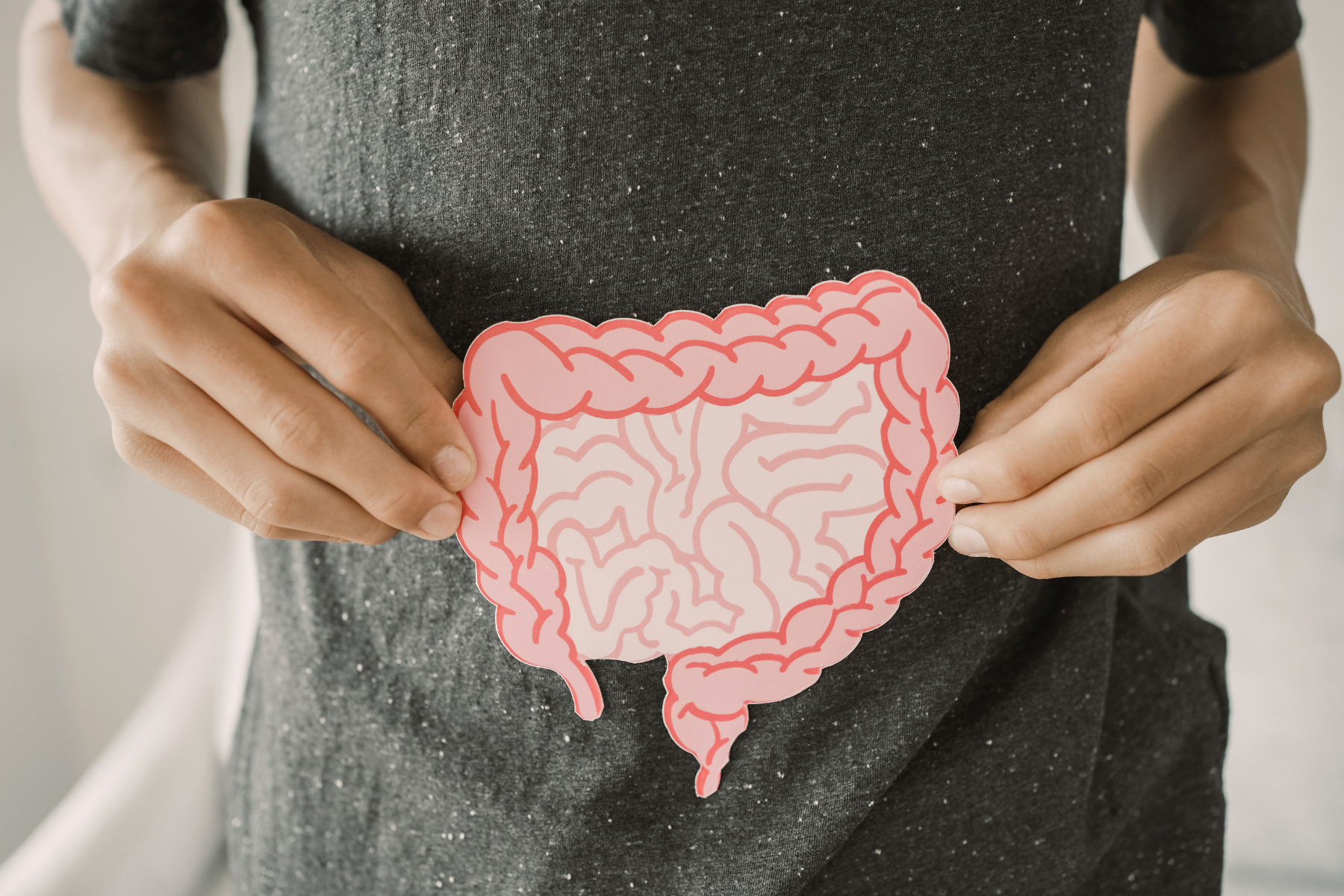
The gut microbiome is part of the body's communication network, interacting with the intestinal barrier, immune cells, nervous system, and metabolic signals. Stress may influence this environment, but microbiome changes alone do not diagnose or explain every autoimmune condition. If you want the everyday digestive side of this story, our article on how emotional stress affects gut health is a great place to start.

How Stress May Change the Gut Microbiome
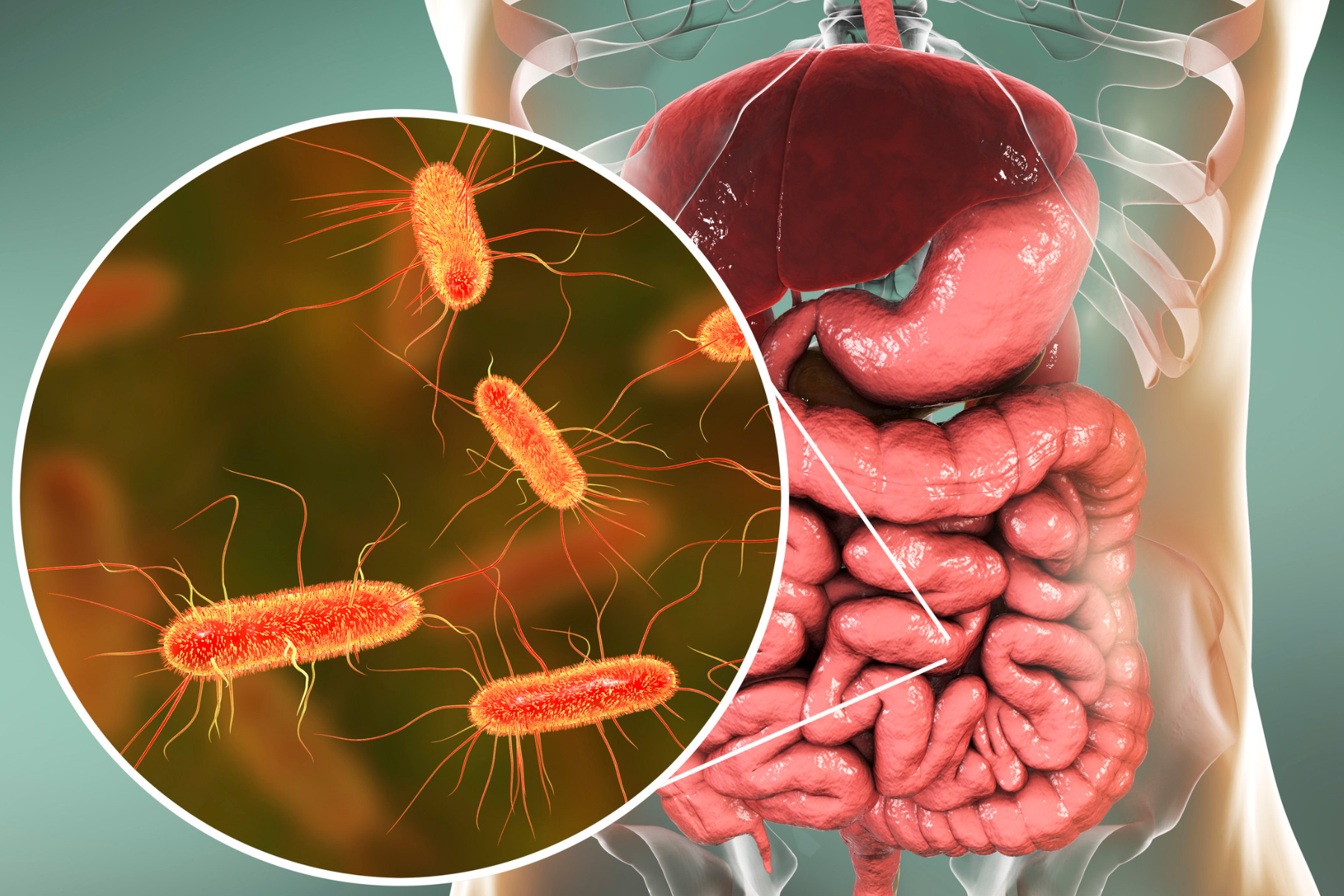
Your gut is home to trillions of microbes, and their mix shifts with what you eat, how you sleep, and how you feel. Stress changes how quickly food moves through the intestine, which changes where those microbes live and what they get to eat. It changes appetite and food choices, and honestly, very few of us reach for vegetables during a crisis week. Stress hormones can also influence how bacteria behave, and gut microbes in turn appear to shape how the HPA axis responds (Journal of Applied Physiology, 2025). Human research is still catching up, and no single ideal microbiome exists.
The Intestinal Barrier
A single layer of cells lines your intestine, held together by tiny structures called tight junctions. This lining lets nutrients and water through while keeping most bacteria and their fragments on the gut side, with a layer of mucus and immune defenses adding protection. In active IBD and celiac disease, changes in this barrier are well documented, and stress research in animals points to similar effects.
You have probably seen this idea marketed online as leaky gut syndrome. Changes in intestinal permeability are a real research and clinical concept. A single leaky gut diagnosis that explains bloating, fatigue, and every autoimmune condition has not been established, though, so please do not let everyday bloating convince you that your gut lining is failing.
Why So Much Immune Activity Happens Around the Gut
Your gut wall holds one of the largest collections of immune tissue in the body, called gut-associated lymphoid tissue. These immune cells spend their days telling food and friendly bacteria apart from real threats. That skill is called immune tolerance. For someone with an autoimmune condition, the goal is a calm, well-regulated immune system. Boosting one that already reacts against your own tissue would not make much sense.
Microbial Metabolites and Inflammation
When gut bacteria ferment dietary fiber, they produce short-chain fatty acids such as butyrate. Butyrate feeds the cells lining your colon, supports the barrier, and helps encourage regulatory T cells, the immune cells that keep inflammation in check. Lower levels of butyrate-producing bacteria show up in several inflammatory conditions, though none of this means any single food or supplement can prevent an autoimmune flare.

Which Autoimmune Conditions Are Linked to Stress?
The research looks different for each condition, so it helps to take them one at a time.
Crohn's Disease and Ulcerative Colitis
Inflammatory bowel disease is an immune-mediated condition marked by chronic inflammation of the digestive tract. A 2023 study in Cell, summarized by the National Institute of Diabetes and Digestive and Kidney Diseases, found that in mice, stress hormones activated support cells in the gut's own nervous system, which drew in inflammatory white blood cells and worsened colitis. The team also found signs that similar pathways may be at work in people with IBD. Recent reviews from 2025 and 2026 describe how stress hormones, the nervous system, gut microbes, and the barrier may interact in IBD, while noting that human evidence is still limited.
More symptoms do not always mean more inflammation, though. In the IBD study we mentioned earlier, stress predicted worse symptoms without predicting a rise in fecal calprotectin, a stool marker of gut inflammation. Your gastroenterologist may use calprotectin, blood work, imaging, or endoscopy to sort this out (Mayo Clinic).

Rheumatoid Arthritis
In rheumatoid arthritis, the immune system targets the lining of the joints, bringing swelling, morning stiffness, and fatigue. Many people with RA name stress as a flare trigger, and the Arthritis Foundation describes stress as one of the things that can switch on the body's inflammatory response. Stress also lowers your pain threshold and disrupts sleep, so joints can hurt more without more inflammation. New, visible joint swelling is the sign worth reporting to your rheumatologist.
Lupus
Lupus can affect the skin, joints, blood cells, kidneys, and other organs. The Lupus Foundation of America lists emotional stress among possible triggers, along with sunlight, infections, and exhaustion. Because lupus can involve major organs, any new symptom deserves a conversation with your rheumatologist before you chalk it up to a hard month.

Psoriasis and Psoriatic Arthritis
Stress is one of the most commonly reported psoriasis triggers, alongside infections, skin injury, cold dry weather, smoking, and alcohol. It can easily become a cycle. Visible plaques and itching bring self-consciousness and broken sleep, which raise stress, which can make the skin worse.
Celiac Disease and Autoimmune Thyroid Conditions
Celiac disease works differently. Gluten drives the immune reaction in people who are genetically susceptible, and the treatment is a strict gluten-free diet (NIDDK). Stress may make digestive symptoms more noticeable, but it does not replace gluten as the trigger, and no amount of relaxation makes gluten safe.
Hashimoto's thyroiditis and Graves' disease have a more complex relationship with stress. Thyroid hormone changes can affect digestion, slowing it with an underactive thyroid and speeding it up with an overactive one. Those digestive symptoms reflect hormone levels and do not by themselves signal an autoimmune flare. With this many differences between conditions, one gut-healing protocol cannot fit them all.

Stress Can Change Symptoms
Stress makes the nerves of the gut more sensitive, so normal stretching from gas or food can register as pain. Doctors call this visceral hypersensitivity. Stress can also speed digestion into loose stools or slow it into constipation, bring on cramping and bloating, and change your appetite. Poor sleep turns up the volume on all of it. These symptoms are real and uncomfortable, and they can happen with no new inflammation at all. If bloating is your main complaint, our guide to bloating and gas covers the everyday causes.
What Inflammatory Flares May Look Like
Depending on your diagnosis, signs that may point toward active inflammation include persistent diarrhea, blood in the stool, abdominal pain that keeps getting worse, fever, new joint swelling, rising inflammatory markers on blood or stool tests, and new or worsening symptoms specific to your condition. None of these is diagnostic on its own. Each one is a good reason to call your care team.

Why IBS and IBD Must Not Be Confused
Irritable bowel syndrome is a disorder of gut-brain interaction. It causes very real pain and changes in bowel habits, and it does not create the tissue inflammation that defines IBD. Inflammatory bowel disease, which includes Crohn's disease and ulcerative colitis, involves chronic immune-driven inflammation that can damage the intestine.
The two can overlap. A 2020 meta-analysis found that about a third of people with IBD in remission still had IBS-type symptoms, and about one in four did even under stricter definitions of remission (The Lancet Gastroenterology and Hepatology). If your IBD looks controlled on paper and your gut still feels unsettled, you are far from alone, and it is worth raising with your gastroenterologist. Our article on irritable bowel syndrome has more.

Why Symptom Tracking Matters
A simple daily log shows patterns that memory tends to blur. Jot down your stress level, sleep, bowel movements, pain, fatigue, any skin or joint changes, what you ate, and any changes to your medication. The Bristol Stool Chart makes bowel changes easier to describe. After a few weeks you may notice that bad sleep tends to come before joint pain, or that your gut acts up the day after a deadline. Tracking cannot diagnose a flare, but it gives your doctor much better information to work with.

What Else Can Increase the Risk of Symptoms or Flares?
Stress is one factor among many, and blaming everything on it can hide something important.
Poor Sleep
Sleep loss lowers pain tolerance, deepens fatigue, and makes the stress response more reactive. Night pain, sweats, or urgent trips to the bathroom also break up sleep, so the two problems feed each other. Our article on the connection between sleep and gut health explains more.
Infection and Illness
Infections put the immune system on high alert, and a cold or stomach bug can bring symptoms that look a lot like a flare. If you take immunosuppressive medication, infections deserve prompt attention.

Medication Changes
Missed doses or stopping a prescribed medicine can allow disease activity to return. Talk with your prescriber before changing anything, even on days you feel great.
Hormonal Changes
The menstrual cycle, pregnancy, the postpartum months, and perimenopause can shift symptoms for some people with autoimmune conditions, and the pattern is personal. If midlife changes are part of your picture, our guides to gut health and hormones and the perimenopause diet may help.
How to Support Gut Health and Manage Stress With Autoimmune Disease
Supporting your gut and managing stress can lift your overall well-being and make symptoms easier to live with, and these habits work hand in hand with your medical treatment. At Fernz Wellness, we organize this everyday support around three pillars, Nourishment, Movement, and Regulation, which together form The Fernz Method. Nourishment is how you feed your body and your gut microbes. Movement keeps digestion, circulation, lymph, and mood flowing. Regulation is how you calm your nervous system and protect your rest. None of this needs to be perfect. Small, steady habits usually do more than a dramatic overhaul.
Nourishment Through Consistent, Balanced Meals
Regular meals with enough calories, protein, and fluids give your body steady material for repair and keep your gut on a predictable rhythm. Add fiber as your body tolerates it. If you are in a significant IBD flare or have been told you have a narrowing of the bowel, your doctor or dietitian may recommend a lower-fiber plan for a while.

Movement Within Your Capacity
Gentle walks, mobility work, and low-impact exercise support digestion, mood, sleep, and lymph flow, which relies on your muscles moving to circulate. Strength training as tolerated helps protect joints and bones, especially if you have taken steroids. Do a little on hard days, skip the boom-and-bust cycle of overdoing it on good ones, and scale back when you are sick or flaring. Our list of 15 ways to stimulate your lymphatic system has easy movement ideas for home or the office.
Regulation for Sleep and Your Nervous System
Try to keep your sleep and wake times consistent, even on weekends. Make your bedroom cool and dark, and give yourself a wind-down window without screens or work email. If symptoms wake you at night, let your healthcare team know, since better symptom control often helps sleep more than any bedtime routine.
For your nervous system, slow breathing is the simplest place to start. Breathe in for four counts and out for six, and repeat for one minute. Progressive muscle relaxation, mindfulness, meditation, and gentle stretching also help your body settle into rest-and-digest. Cognitive behavioral therapy has research behind it for coping and quality of life with chronic illness. These approaches can ease distress and make symptoms feel more manageable, though they do not reliably reduce inflammation. Feeling more capable day to day matters on its own. If tension tends to settle in your shoulders and jaw, read our piece on muscle tension from stress.

Build a Sustainable Stress Routine
Look for the stressors that repeat, like a monthly deadline, a draining commitment, or a commute that leaves you wound up, and plan recovery around them. Put rest on your calendar the way you would an appointment. Protect your workload where you can, take short breaks during demanding days, and stay close to people who make you feel supported. If stress starts to feel like too much, a counselor who understands chronic illness can make a real difference.
Coordinate With Your Medical Team
Keep your regular appointments and take medications as prescribed. Bring your symptom log to visits along with a few questions. Ask whether your current symptoms suggest active inflammation, which tests could tell, which symptoms should prompt a call between visits, and whether a dietitian or psychologist might help.
A Five-Minute Daily Wellness Check-In
Once a day, rate your stress from one to ten. Take one minute of slow breathing. Notice how your gut and body feel, including pain, bloating, stiffness, or skin changes. Check in on the basics of water, meals, last night's sleep, and your medication routine. Then write down anything that changed. Over time those short notes paint a clearer picture of your body than any single bad day can.

What Should You Eat for Gut Health When You Have an Autoimmune Condition?
Good nourishment for an autoimmune condition starts with eating enough and eating consistently. Restriction is rarely the right first step.
A Food-First Foundation
Aim for enough protein, a variety of plant foods you tolerate, unsaturated fats from foods such as olive oil, nuts, avocado, and fish, and regular meals with plenty of fluids. Fruits and vegetables add fiber and protective plant compounds when your gut can handle them, and cooked, peeled, or blended versions are often easier on sensitive days.

Fiber, Prebiotics, and Fermented Foods
Fiber feeds the bacteria that make butyrate, and fermented foods such as yogurt, kefir, and kimchi add variety to the microbial mix. Tolerance is personal. Too much fiber too fast can worsen gas, bloating, and pain, so build up slowly. People with active IBD or intestinal strictures need individual advice, because some high-fiber foods can be unsafe for them. Our guide to high-fiber foods and our explainer on prebiotics vs probiotics are good next reads.
Do Probiotics Help?
Probiotic strains differ from one another, and the evidence depends on both the strain and the condition. Some specific products have shown benefit in certain situations, many lack solid data, and none cure an autoimmune disease. People with weakened immune systems, including some on immunosuppressive treatment, should check with their doctor before taking probiotics (NCCIH).

Avoid the Autoimmune Diet Trap
No single diet cures all autoimmune diseases. Gluten avoidance is essential for celiac disease and is not automatically necessary for every other diagnosis. Broad elimination diets can lead to deficiencies, unwanted weight loss, and more anxiety around food, which is the last thing a stressed gut needs. A registered dietitian who knows your condition can help you try changes without the fear.

When to Seek Medical Care for Possible Autoimmune Flares
Please never put new, severe, or worsening symptoms down to stress alone. Contact your doctor promptly if you notice severe or persistent abdominal pain, significant rectal bleeding, black or bloody stool, persistent vomiting, signs of severe dehydration, a high fever (especially while taking immunosuppressive medication), severe weakness, rapidly worsening swelling, significant new joint inflammation, or trouble keeping down fluids or medication. Chest pain, difficulty breathing, and new neurological symptoms such as sudden numbness, weakness on one side, or confusion need emergency care right away, so call 911 or go to the nearest emergency room.
For changes that suggest your disease may be active, reach out to the specialist who manages your condition. Please do not stop or reduce prescribed immunosuppressants, biologics, steroids, or other medications without medical guidance, even if you suspect stress is behind how you feel. Trust your instincts. You know your body.
Stress may influence how you feel, but it should never be used to dismiss symptoms that require medical evaluation.

Where Whole-Body Wellness Fits In at Fernz Wellness
Managing a chronic condition can involve many layers of support, including medical treatment, nutrition, sleep, emotional well-being, movement, and restorative routines. Some people also enjoy professional wellness experiences for relaxation or comfort when their healthcare team feels they are a good fit.
Fernz Wellness is a boutique wellness studio on Wilshire Boulevard in Los Angeles, founded by Megan Fernandez, an I-ACT certified colon hydrotherapist and National Board Certified Integrative Nutrition Health Coach. We do not diagnose or treat autoimmune disease, and your medical care always comes first.

The Fernz Method in Practice
In the studio, we offer Electro Lymphatic Therapy, a gentle, light-touch session for general lymphatic wellness that many clients find deeply relaxing. ELT has not been established as a treatment for autoimmune flares, and we will never tell you it corrects your immune system or clears inflammation. If you have an autoimmune diagnosis, please check in with your doctor before booking. We also offer colon hydrotherapy. If you live with Crohn's disease or ulcerative colitis, it is not the right fit for you, and if you have lupus, please talk with your doctor before booking anything with us.
A Thoughtful Place to Start in Los Angeles
At Fernz Wellness, we believe restorative care begins with understanding your body and respecting what it needs. Explore The Fernz Method and our services, then reach out for a free 15-minute phone consultation. We are happy to talk through what feels right for your body, wherever you are in Los Angeles.

Frequently Asked Questions About Stress, Gut Health, and Autoimmune Flares
What is autoimmunity?
Autoimmunity happens when the immune system loses some of its ability to tell your own tissues apart from real threats and starts reacting against the body itself. That lost skill is called immune tolerance. Genetics, hormones, infections, and environment all seem to play a part.
What are the different types of autoimmune diseases?
There are more than 80 recognized autoimmune diseases. Some focus on one organ or tissue, like celiac disease in the small intestine, Hashimoto's thyroiditis in the thyroid, or type 1 diabetes in the pancreas. Others are systemic and can affect many parts of the body, like lupus and rheumatoid arthritis.

Can stress trigger autoimmune flares?
Stress may contribute to worsening symptoms or a higher flare risk in some autoimmune conditions. Stress does not cause autoimmune disorders on its own, and symptoms that worsen during stressful periods do not always reflect measurable inflammation.
How does stress affect gut health?
Stress can change gut motility, pain sensitivity, appetite, nerve signaling in the intestine, and possibly the activity of gut microbes. These changes may lead to bloating, constipation, diarrhea, or abdominal discomfort, even in people without inflammatory bowel disease.

Does chronic stress increase inflammation?
Chronic stress can influence immune and inflammatory signaling through the HPA axis and the sympathetic nervous system. Immune responses are complex, though, and stress does not raise every inflammatory marker in every person.
Can stress cause an IBD flare?
Research links high perceived stress with a greater risk of symptom flares in some people with IBD. Stress does not cause IBD itself. Clinicians may use tests such as fecal calprotectin to check whether symptoms reflect active intestinal inflammation.
Can gut bacteria influence autoimmune disease?
The gut microbiome communicates closely with the immune system. Microbiome differences are associated with several conditions. That does not mean a single bacterial imbalance causes autoimmune disease, or that probiotics can cure one.

Is bloating a sign of an autoimmune flare?
Not necessarily. Bloating can come from stress, constipation, food intolerance, IBS, medications, or hormonal shifts. If you have an autoimmune condition and bloating is persistent, worsening, or paired with pain, bleeding, weight loss, or fever, talk with your healthcare provider.
What is it like living with an autoimmune condition?
It can feel unpredictable, and that uncertainty is tiring in itself. Many people juggle fatigue, pain, appointments, and worry about the next flare. Feeling frustrated or sad is completely normal, and support groups or a therapist who understands chronic illness can help.
What can help manage autoimmune symptoms day to day?
Your prescribed treatment is the foundation. Around it, steady meals, gentle movement, consistent sleep, slow breathing, and a simple symptom log can help you feel more in control and notice changes early.
Conclusion
Your brain, gut, and immune system are in constant conversation, and stress changes what they say to each other. That relationship is biological, it runs in both directions, and it looks different from one condition to the next. No single hormone, bacterium, or protocol explains every flare.
What you can do is care for the foundations. Eat enough and eat consistently, move within your capacity, protect your sleep, find calming practices you enjoy, ask for emotional support when you need it, and stay close to your care team. Your body is working hard for you every day, and it deserves care that is patient, informed, and kind.
If you would like to explore restorative wellness in Los Angeles with people who respect medical boundaries, learn more about The Fernz Method or contact Fernz Wellness here.

Additional Resources
Uncovering Biological Links Between Stress and Inflammatory Bowel Disease Flare-Ups - National Institute of Diabetes and Digestive and Kidney Diseases
The Enteric Nervous System Relays Psychological Stress to Intestinal Inflammation - Cell, 2023
Effects of Psychological Stress on Inflammatory Bowel Disease via the Microbiota-Gut-Brain Axis - 2025 review
Chronic Stress at the Crossroads, the HPA-SAM-Immune-Gut Axis in Inflammatory Bowel Disease - Seminars in Immunology, 2026
Evidence of Bidirectional Associations Between Perceived Stress and Symptom Activity in IBD - Inflammatory Bowel Diseases, 2017
Prevalence of IBS-Type Symptoms in Patients With IBD in Remission - The Lancet Gastroenterology and Hepatology, 2020
Exploring the Complex Relationship Between Psychosocial Stress and the Gut Microbiome - Journal of Applied Physiology, 2025
How Stress Affects Arthritis - Arthritis Foundation
Does Stress Make Rheumatoid Arthritis Worse? - Mayo Clinic
Inflammatory Bowel Disease Diagnosis and Treatment - Mayo Clinic
Celiac Disease - National Institute of Diabetes and Digestive and Kidney Diseases
Probiotics, What You Need to Know - National Center for Complementary and Integrative Health
*The services provided by Fernz Wellness are intended for general wellness and educational purposes only. They are not designed to diagnose, treat, cure, or prevent any medical condition. Please consult with a healthcare provider before starting any new treatment or wellness routine. Results may vary.