Build a healthy daily routine with lifestyle changes and habits that support your well-being. Discover 12 simple habits that make a big impact.

Most of us carry a feeling that we should be doing more for our health. More water, more steps, more sleep, more vegetables. Then we look at the calendar, see back to back meetings, a school pickup, and a crawl home on the 10, and the whole idea of a wellness routine starts to feel like a second job.
So let's ask a more useful question. How much time does your body actually need for wellness each day?
Some things really do take time. Sleep is measured in hours, and there's no shortcut around it. A lot of the rest takes minutes. A brisk walk, two minutes of slow breathing, a water bottle you fill before you leave the house. These daily wellness habits fit into the life you already have, they support both your physical and mental health, and they work better together than alone.
Below, we walk through 12 healthy daily habits organized around the three pillars of The Fernz Method, Nourishment, Movement, and Regulation. Each one comes with a realistic time commitment, the reason it matters, and simple ways to make it part of your routine on a busy day.

How Much Time Should You Spend on Wellness Every Day?
For most adults, everyday wellness includes at least 150 minutes of moderate aerobic activity each week, muscle strengthening exercise on two or more days, enough sleep, balanced meals, and steady hydration. Smaller habits like breathing, stretching, and movement breaks can usually be folded into routines you already have, so they don't require hours of extra time.
Here are the real numbers. 150 minutes a week works out to about 21 or 22 minutes a day if you move every day. If you prefer weekdays, 30 minutes five days a week gets you to exactly 150. Walk 30 minutes every single day and you're at 210 minutes for the week, comfortably above the minimum.
It helps to sort your wellness time into three buckets. The first is foundational time. That's sleep, seven or more hours a night for most adults, and meals you're eating anyway.
The second is intentional wellness minutes. Walking, breathing, stretching, movement breaks, and a short evening wind-down live here, and for most people they add up to about an hour.
The third is periodic care. Strength sessions, a massage, an ELT appointment, or a restorative yoga class happen weekly or monthly.

What Do Public Health Guidelines Actually Recommend?
Before we get into the habits, it helps to know which numbers come from health authorities and which are simply helpful starting points.
Physical Activity
The CDC's physical activity guidelines for adults recommend at least 150 minutes of moderate intensity aerobic activity per week, or 75 minutes of vigorous activity, or an equal mix of the two. They also recommend muscle strengthening activity that works all major muscle groups on at least two days a week.
Intensity matters here. A slow, window shopping stroll down Larchmont is lovely, but it probably doesn't count as moderate. Moderate activity raises your heart rate and breathing enough that you can still talk but couldn't comfortably sing.

Sleep
According to the CDC, adults ages 18 to 60 need seven or more hours of sleep a night. Adults 61 to 64 are generally advised to get seven to nine hours, and adults 65 and older seven to eight. Sleep quality and a steady schedule matter as well.

Hydration
There's no single water number that fits everyone. The National Academies set adequate intake at about 2.7 liters of total water a day for women and about 3.7 liters for men. That total includes water from food and every beverage, so it isn't a plain drinking water target. The CDC also notes that needs shift with climate, activity, and health.
The Difference Between Recommendations and Helpful Habits
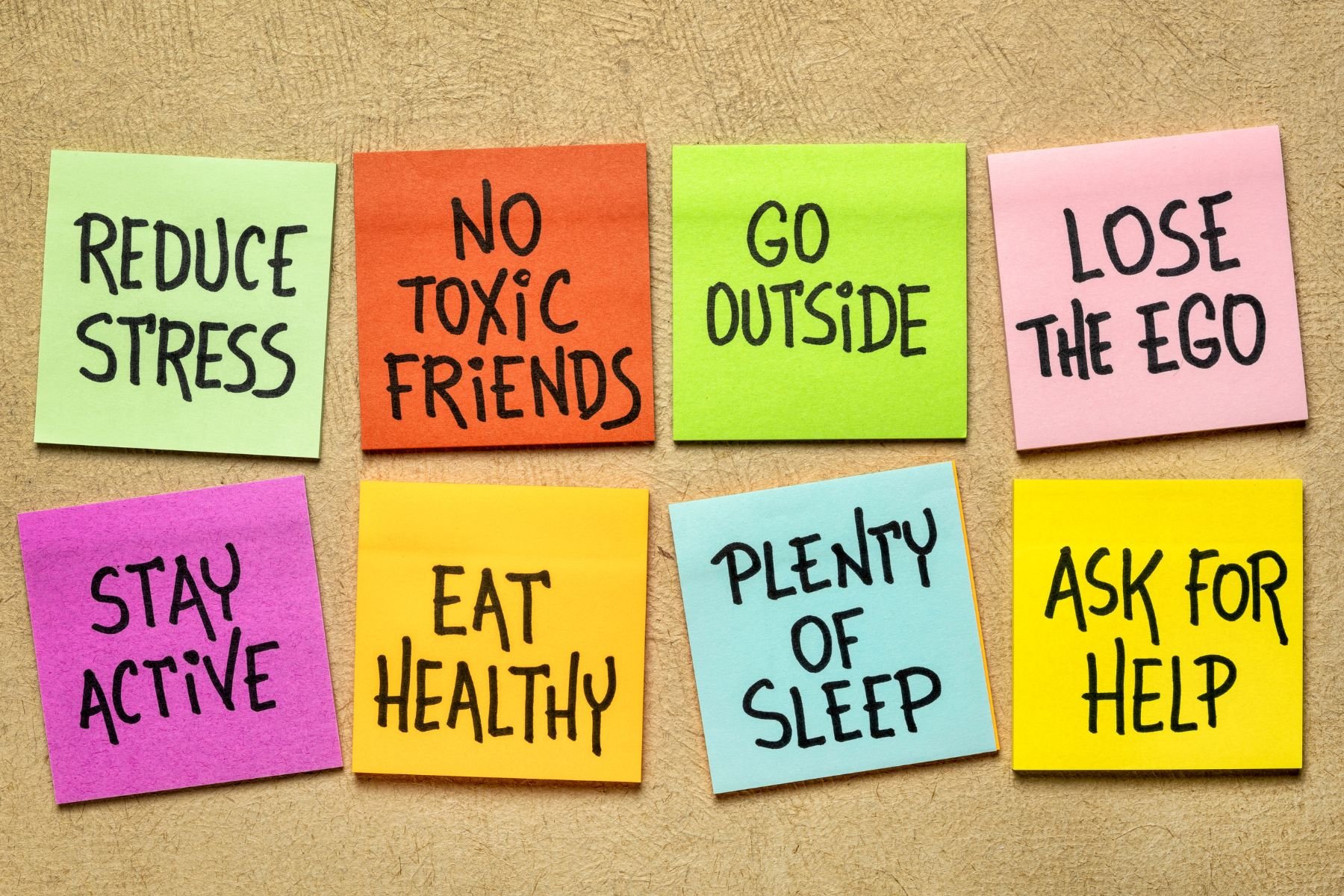
No health authority says you must stretch exactly five minutes a day, breathe slowly for exactly two minutes, or book a monthly wellness treatment. Those are suggestions we share because they're realistic, easy to start, and easier to maintain. Whenever a time below is our own suggestion, we'll say so.

Nourishment Habits for Healthy Eating
Nourishment is the first pillar of The Fernz Method, and it starts with the basics. What you drink and eat sends signals to your whole body all day long, and these three healthy eating habits take very little extra time.
1. Hydrate Throughout the Day
Water helps regulate body temperature, cushions joints, and supports normal digestion and regular bowel movements. On hot days, or on a sweaty hike in Griffith Park, your needs go up.
Remember that the National Academies figures include water from food, coffee, tea, and soups. Most healthy adults can let thirst guide them, and anyone with heart, kidney, or other medical conditions should follow their doctor's advice on fluids. Most people don't need electrolyte packets every day.
How to make it easier. Fill a bottle before you leave the house and keep it where you can see it. Drink a glass of water with each meal, and refill whenever you get up from your desk.

2. Build Meals Around Protein and Fiber
How much time it takes. About 5 minutes of simple planning. Eating and prep times vary.
Protein helps your body maintain muscle and repair tissue, which matters more and more as we age. Fiber supports regular digestion and feeds the helpful bacteria in your gut. Together they make meals more satisfying and easier to stick with. Round things out with fruits and vegetables, whole grains, and a sprinkle of nuts and seeds, and save processed foods and added sugar for once in a while.
You don't need a perfect formula or a gram count at every meal. As you plan, ask yourself two quick questions. Where's my protein, and where's my plant? Eggs with spinach and whole grain toast. Greek yogurt with berries and oats. Black beans with rice and vegetables. Salmon or tofu with quinoa and greens.
Fiber needs and tolerance vary, especially for people with IBS or other digestive conditions, so add it gradually and drink water as you go. Our guide to high fiber foods is full of ideas, and our post on prebiotics and probiotics explains how fiber and gut bacteria work together.
How to make it easier. Spend five minutes on Sunday choosing two proteins and two vegetables for the week.

3. Cook or Assemble One Balanced Meal at Home
How much time it takes. About 15 to 30 minutes, or 10 on your busiest nights.
Cooking at home makes it easier to include vegetables, protein, and whole grains, and it doesn't need to be fancy. Frozen produce, a rotisserie chicken, and prewashed greens all count.
A one pan roasted dinner, a pot of lentil soup, or a rice bowl with leftover chicken all work beautifully. For the busiest nights, scramble two eggs with a handful of spinach and cherry tomatoes, warm a tortilla, and add some avocado. That's dinner in 10 minutes.
We also know home cooking isn't always cheaper, easier, or realistic for everyone. Takeout, prepared meals, and your favorite taco truck are part of life in LA, and there's no shame in them. At least one home meal a day is simply a healthy choice to aim for.
How to make it easier. Cook once and eat twice. Double dinner and pack the leftovers for tomorrow's lunch while the kitchen is already messy.

Movement Habits for Overall Health
Movement is the second pillar. Your heart, muscles, joints, and even your lymphatic system rely on you regularly moving your body through the day. Lymph has no pump of its own, so it depends on muscle contraction and breathing to keep flowing.
4. Walk for 30 Minutes
How much time it takes. 30 minutes, five days a week, as one easy way to meet activity guidelines.
Walking might be the most underrated health habit there is. It's free, and a brisk walk counts toward your weekly moderate activity goal. Regular aerobic activity supports heart health, mobility, and mood, and the CDC notes it can help lower the risk of type 2 diabetes.
The math is simple. Thirty minutes five days a week equals 150 minutes, which meets the CDC minimum. Thirty minutes every day equals 210 minutes.
You also don't need to do it all at once. Fifteen minutes before work and fifteen after counts, and so do three brisk 10 minute walks, a lunch break loop, or an evening walk with a friend.
One important note. Walking doesn't replace strength training. Adults still need muscle strengthening activity at least two days a week, so think about adding strength training like bodyweight squats, resistance bands, weights, or a Pilates class. For more on how movement and lymphatic wellness connect, read our post on 15 ways to stimulate your lymphatic system.
How to make it easier. Make a plan and put your walk on the calendar like a meeting, and keep sneakers by the door or in the car.

5. Take Movement Breaks From Sitting
Desk workers can easily spend hours in nearly the same position. Short breaks interrupt that stillness, add up to more daily movement, and often leave your back, hips, and neck feeling better by evening.
There isn't one official rule that every adult must stand every 30 minutes. Treat intervals as a flexible tool. Stand between calls, take phone calls on your feet, use the stairs, walk to refill your water, or roll your shoulders while a file uploads.
How to make it easier. Tie the break to something that already happens, like the end of a meeting or a sent email.

6. Stretch or Practice Gentle Mobility
How much time it takes. About 5 minutes, as a practical starting point.
Mobility work helps you move comfortably, and it can ease the stiffness that builds from sitting, driving, and holding stress in your shoulders. The goal is gentle movement through a comfortable range. There's no need to force a muscle to let go.
Try slow shoulder rolls, gentle head tilts toward each shoulder, seated upper back twists, easy hip circles, and ankle circles while holding a counter.
Five minutes is our own suggestion, and stretching doesn't replace aerobic exercise or strength training. If tension tends to settle in your neck and shoulders during stressful weeks, our article on muscle tension from stress explains why it happens.
How to make it easier. Stretch while the coffee brews, during a TV episode, or right before bed.

Regulation Habits for Body and Mind
Regulation is the third pillar, and it's all about your nervous system and your body's daily rhythm. Sleep, light, breath, and rest help your body move between alert and calm, and these habits range from 20 seconds to a full night. Together, they're some of the simplest ways to help reduce stress and support your mental health.
7. Protect Seven or More Hours of Sleep
How much time it takes. About 7 to 9 hours a night for many adults, depending on age and individual needs.
Sleep is the biggest time commitment on this list, and it belongs at the foundation. While you sleep, your brain consolidates memories and supports cognitive function, your body supports metabolic and immune function, and your mood and stress response get a chance to reset. When sleep runs short, every other habit gets harder. You're less likely to walk and more likely to grab whatever's quick.
Set a time to sleep and wake, and try to maintain a regular sleep schedule on weekends too. It's one of the simplest ways to improve your sleep. Keep the bedroom cool, dark, and quiet, and ease off stimulating content late at night. No amount of water, caffeine, massage, or wellness treatments makes up for missing sleep. If you snore loudly, wake up exhausted, or struggle with insomnia for weeks, talk with your doctor. Curious how rest and digestion affect each other? Our post on sleep and gut health explores the connection.
How to make it easier. Set an evening alarm for when to start getting ready for bed, the same way you set one for the morning.

8. Get Outdoor Light Earlier in the Day
Light is one of the strongest signals your internal clock receives. Morning light tells your body it's daytime, which helps set your circadian rhythm, the cycle that shapes when you feel alert and when you feel sleepy. The CDC's NIOSH training on light and circadian rhythms explains how light at different times of day can shift that clock earlier or later.
There's no rule that you need exactly 10 minutes of direct sunlight. Some time outside earlier in the day, even when it's overcast, gives your body that daytime cue. Take your coffee onto the balcony or take a walk with the dog before work. For a lot of people, it's an easy way to improve your mood before the day gets busy.
9. Practice Slow Breathing
When you're stressed, breathing often gets faster and shallower. Slow breathing is one of several mindfulness and relaxation techniques that may help reduce stress, and the NCCIH describes how these practices aim to bring on the relaxation response, a state of lower physical arousal. The research is still growing, but it's a low cost, low risk habit worth trying.
Sit comfortably and let your shoulders drop. Breathe in gently through your nose if that feels comfortable, and let each exhale be a little slower than the inhale. Keep going for about two minutes. On our Fernz Method page, we suggest breathing in for four counts and out for six. Skip forceful breathing and breath holding challenges, and if you feel dizzy or lightheaded, go back to breathing normally. To understand more about how stress shows up in the body, read our post on emotional stress and gut health.

10. Give Your Eyes and Attention Regular Screen Breaks
Long stretches of screen time can lead to digital eye strain, with tired or dry eyes, headaches, and blurry vision, plus a stiff neck and shoulders.
The American Optometric Association suggests the 20-20-20 rule. Every 20 minutes, look at something about 20 feet away for 20 seconds. Use the pause to blink, look out a window, or raise your monitor to eye level. Many people find these little resets help them stay focused, too. The rule won't prevent every eye problem, so keep up with regular eye exams.
How to make it easier. Use a timer for the first week. After a while, looking up becomes automatic.
11. Build a Short Evening Wind-Down Routine
Your body loves cues, and a short bedtime routine tells your mind the day is ending. Bright light and stimulating activity late at night can push your sleep timing later, while a calming ritual can make it easier to drift off.
Dim the lights, close the laptop, and put work away for the night. Take a warm shower, read a few pages, do some light stretching or slow breathing, and set out what you need for tomorrow. The 10 minutes covers the active part. Many sleep experts also suggest putting screens down an hour before bed, so start with 15 minutes and build.
How to make it easier. Do the same few steps in the same order each night so your wind-down routine starts to run on autopilot.
12. Make Space for Restorative Self-Care
This last habit is a daily commitment to noticing how you actually feel. A quick check in can help you catch stress, fatigue, or tension before it builds. Ask yourself how your energy, sleep, digestion, mood, and body feel today, and what would help. The answer might be tiny, like a few minutes with your feet up, a cup of tea in silence, a phone call that helps you stay connected with a friend, or time for a new hobby that makes you happy.
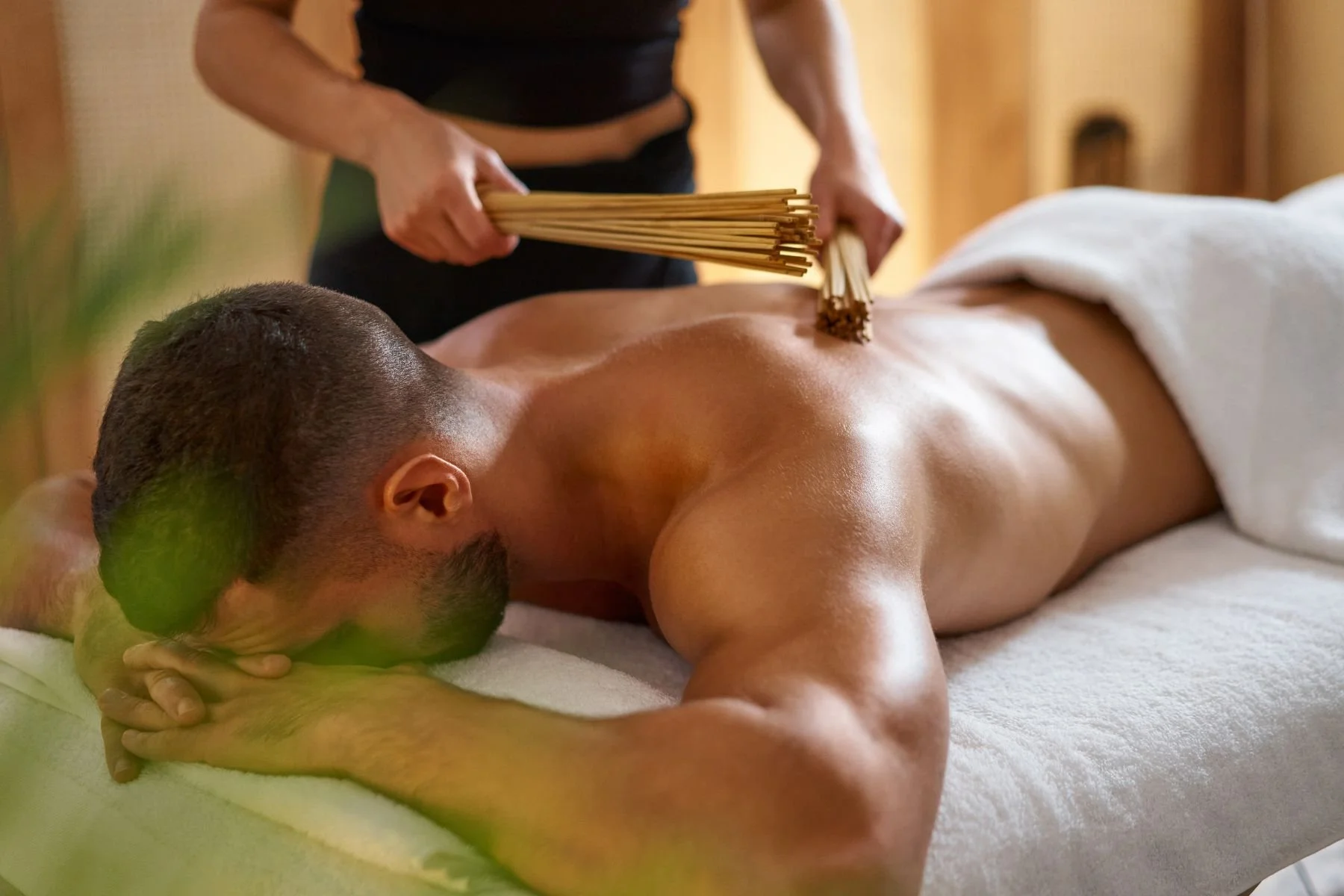
Some people also like to set aside time for professional care now and then. That might be an Electro Lymphatic Therapy session at Fernz Wellness, acupuncture with a licensed acupuncturist, a restorative yoga class, guided relaxation, or counseling when life feels heavy and your mental health needs extra support.

Can All 12 Wellness Habits Fit Into One Hour a Day?
Many of the intentional habits can fit into about an hour a day. That hour doesn't include sleep, all of your meal prep, or occasional appointments.
Here's how the hour might look. A brisk walk takes 30 minutes. Movement breaks across the workday add about 5 minutes. Slow breathing takes 3 minutes and gentle stretching another 5. Your evening wind-down is 10 minutes. Filling and refilling your water bottle takes about 2 minutes, and a dozen 20 second screen breaks add up to about 4 minutes. Altogether, that's 59 minutes.
Morning light can happen during your walk, protein and fiber are choices made at meals you already eat, and your self-care check in fits inside your breathing practice.
Other things live outside the hour. Cooking takes its own 15 to 30 minutes and changes from day to day. Sleep is seven or more hours on its own. A massage or ELT session happens occasionally, and strength training days will add some extra time.
You don't need to check every box every day, and small changes still add up. A day when you walk, eat a decent dinner, and get to bed on time is a good day.
So think of the hour as a helpful framework for intentional wellness activity. It doesn't mean your body's complete health needs fit into 60 minutes.

How to Stack Healthy Habits Into Your Daily Routine
Habit stacking means attaching a new habit to something you already do, or letting one activity cover several goals at once. It's one of the easiest ways to build healthy habits and make lifestyle changes stick, because you aren't asking your brain to remember one more separate task.
A morning walk outside gives you movement, daylight, fresh air, and time away from screens before the day gets loud. Cooking dinner is a natural moment to add protein, fiber, and vegetables, pour a glass of water, and pack tomorrow's lunch. A short work break can include standing, walking to the kitchen, looking out the window, and rolling your shoulders, which covers a movement break and a screen break together. In the evening, a few minutes of stretching flows easily into slow breathing and then into your wind-down.
Stacking is an efficiency strategy. Each activity still does its own job, so a walk outside won't give you the same benefits as strength training, and stretching can't stand in for sleep. Stacking simply helps you fit more good habits into fewer moments.

A Realistic Seven-Day Wellness Schedule You Can Start Today
On Monday, take a 30 minute brisk walk and spend a few minutes planning meals and filling your water bottle. On Tuesday, walk for 30 minutes, add a short strength session, and focus on movement breaks at work. Wednesday is another 30 minute walk, with extra attention on your wind-down and getting to bed on time. Thursday is a strength training day, plus five minutes of stretching and some morning light. On Friday, walk for 30 minutes and be intentional about screen breaks and slow breathing. Saturday brings another 30 minute walk, maybe somewhere you love, and a meal cooked at home. Sunday is for gentle movement or rest, a little weekly planning, and some restorative time for yourself.
That adds up to five brisk walks totaling 150 minutes, plus two strength sessions, as long as each walk feels moderate by the talk test.
This is only a sample, so adjust the duration and intensity to your own fitness and energy. Older adults should include activities that improve balance, and people with disabilities or chronic conditions may need an adapted plan from their healthcare provider.
To help your routine survive real life, have a backup version of each day. If a meeting runs long, walk for 10 minutes three times instead of 30 at once. If you miss a day, pick up with the next one. A week with four good days still counts for a lot.
Do Your Daily Wellness Time Needs Change With Age?
The basics stay the same throughout adulthood, for women and men alike. What shifts is the intensity, frequency, and focus that feel right for you.
Adults in Their 20s and 30s
This is a great time to build habits that last. Focus on protecting sleep when your social life or career pushes back, managing work stress, and setting up regular movement and strength routines.
Adults Over 40
Muscle mass gradually declines as we get older, so strength training becomes a real priority. Mobility, sleep, and recovery deserve more attention, especially if you sit for most of the workday. For women moving through hormonal changes, our perimenopause diet guide covers nutrition during that season of life.
Adults Over 60
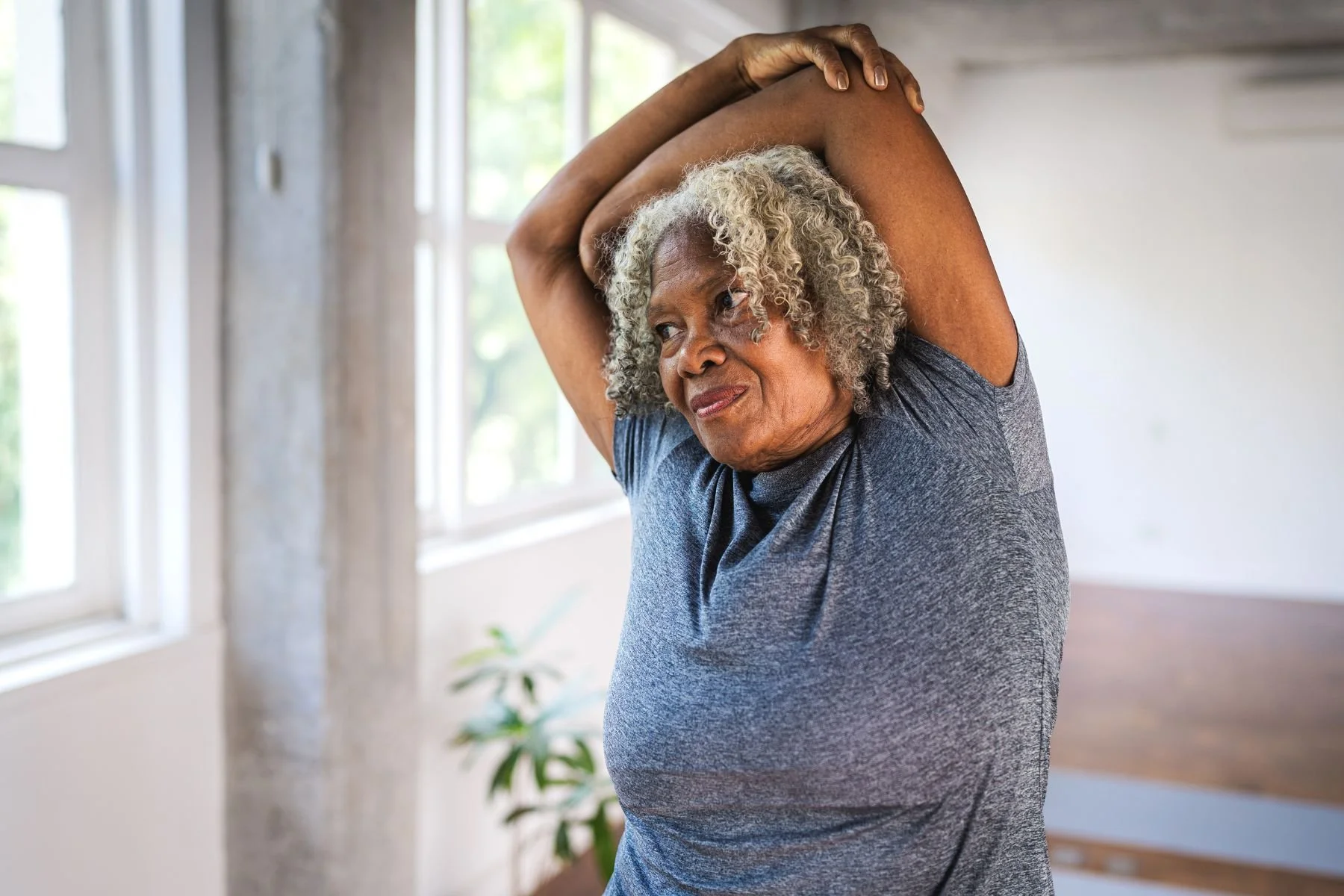
Staying active within your ability matters most. Strength and balance work help lower the risk of falls, mobility keeps you doing what you love, and enough protein supports muscle maintenance. Your doctor can help you tailor activity around any health conditions.

Why Small Habits Matter More Than an All-or-Nothing Routine
We see it all the time. Someone overhauls everything on a Monday, with 5 a.m. workouts, a new diet, a gallon of water, and journaling. By Thursday they're exhausted, and by the next week they've given up.
Perfectionism makes consistency harder. Complicated routines are easy to abandon, and an all-or-nothing mindset turns one missed day into a reason to quit.
Small, flexible habits are much easier to keep, and small steps are how a new healthy habit actually sticks. If you're starting from scratch, choose three. Keep a consistent sleep schedule, walk or move in a way that suits you each day, and set up a simple hydration and meal routine. Once those feel natural, layer in breathing, stretching, screen breaks, and the rest.
Keep in mind the difference between a good starting point and a long term health target. A 10 minute walk is a wonderful place to begin, and it isn't the same as meeting the 150 minute weekly guideline. Starting small is how you eventually get there. Busy weeks, travel, and sick days are all normal, and healthy daily habits are something you can always come back to. Wherever you are in your health journey, you can start today.

Where The Fernz Method Fits Into a Healthy Lifestyle
The Fernz Method is the signature approach created by our founder, Megan Fernandez, and it rests on three pillars that connect body and mind, Nourishment, Movement, and Regulation. Every habit in this article fits under one of them, because the method was built on the same belief. What you do at home every day shapes your overall well-being just as much as anything that happens in a treatment room.
In the studio, the method follows a rhythm of Cleanse, Rebalance, and Restore, shaped around how you feel and what your body is asking for. Fernz Wellness offers Electro Lymphatic Therapy and colon hydrotherapy at our Los Angeles studio on Wilshire Boulevard.
Make Space for Your Wellness at Fernz
Your daily habits are the foundation of wellness. When you want time set aside just for yourself, explore The Fernz Method and the services at Fernz Wellness in Los Angeles.

FAQs About Daily Wellness Habits
How much time should you spend on wellness each day?
Daily wellness starts with foundations like sleep, balanced meals, and hydration, plus regular movement. Adults need at least 150 minutes of moderate aerobic activity weekly and muscle strengthening on two or more days. Breathing, stretching, and movement breaks fit into existing routines, so many people cover their intentional habits in about an hour a day.
Is 30 minutes of walking every day enough exercise?
Thirty minutes of brisk walking every day adds up to 210 minutes a week, which exceeds the 150 minute moderate activity minimum for most adults. You'll still want strength training at least twice a week, and individual needs vary with age, fitness, and health conditions.
What are the most important daily wellness habits?
The foundations are enough sleep, regular physical activity, balanced nutrition, hydration, and avoiding long stretches of sitting. Stress management, slow breathing, outdoor light, and a steady routine support those basics. The most important habits are the ones you can keep doing week after week, so start small and build.

How much sleep do adults need?
According to the CDC, adults ages 18 to 60 need at least seven hours of sleep per night. Adults 61 to 64 generally need seven to nine hours, and adults 65 and older need seven to eight. Sleep quality and a consistent schedule matter too, so talk with your doctor about ongoing sleep problems.
How much water should I drink every day?
Water needs depend on age, body size, activity, climate, diet, and health. Water from food and other drinks counts. The National Academies set adequate intake at roughly 2.7 liters of total water daily for women and 3.7 liters for men, but these are population references, so let thirst and your doctor guide you.

Is five minutes of stretching enough?
Five minutes is a practical starting point for gentle mobility, especially on busy days. Needs vary, though, and some people benefit from longer, more targeted sessions. Stretching also doesn't replace aerobic exercise or strength training, so think of it as one piece of a balanced movement routine.
Can I improve my wellness routine in one hour a day?
Yes, many intentional habits fit into about an hour, including a brisk walk, breathing, stretching, movement breaks, screen breaks, and an evening wind-down. Sleep, meals, cooking, and strength training sessions need their own time, so the hour works best as a framework alongside those foundations.

How often should I schedule a wellness appointment?
There's no universal requirement to book massage, ELT, or other wellness treatments every month. Some people enjoy regular appointments, and others book only occasionally. The right frequency depends on your preferences, budget, schedule, health, and the type of service, and a provider can help you decide.
What small changes can I start today for better health?
Start with steps you can take this week. Take a walk after lunch, add fruits and vegetables to one meal, set a time to sleep and wake, and practice two minutes of slow breathing. Small changes like these are easier to maintain, and they build into healthier habits over time.

How do daily habits affect mental health?
Regular movement, enough sleep, time outdoors, and relaxation practices like mindfulness and slow breathing can help reduce stress and support your mood. These habits work alongside professional care, so if you're struggling, reach out to your primary care provider or a mental health professional.
How do eating and physical activity affect long-term health?
Balanced eating and physical activity work as a team. The CDC notes that regular activity can lower the risk of heart disease and type 2 diabetes, and meals built around healthy foods like fruits and vegetables, whole grains, and lean protein support your overall health. Steady habits matter more than strict rules.
How do I build a healthy sleep routine?
Choose a consistent time to sleep and wake, weekends included. Start a short wind-down routine before bed, dim the lights, and put screens away earlier when you can. If sleep problems last for weeks, talk with your doctor about what might be going on.

Fernz Wellness - Los Angeles Colon Hydrotherapy & Lymphatic Drainage
Learn more about us here and discover how our services can be a vital part of your journey to optimal health. We look forward to supporting you on your journey to improved well-being.
Our address is 5486 Wilshire Blvd. Los Angeles, CA 90036 and you can also call or text us at (424) 281-9366.
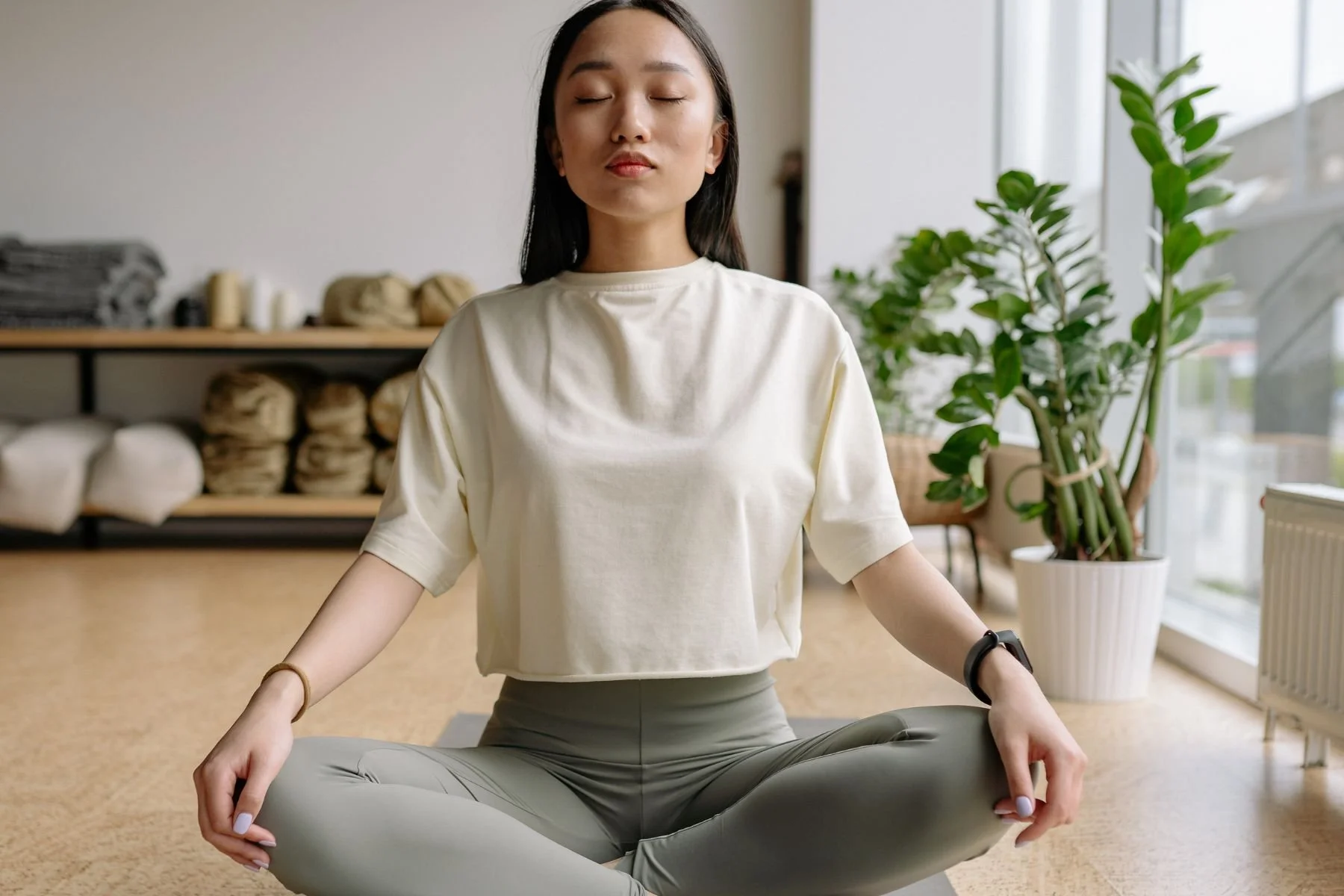
Taking care of yourself doesn't have to become another full-time job. Some of what your body needs is measured in hours, like sleep. Some of it is measured in minutes, like a slow breath or a quick lap around the office. The activity guidelines give you a clear weekly target, many habits overlap, and sleep and food deserve their own protected time.
Professional care is always optional. The healthier habits you practice at home are what support long-term health, and a decent week beats a perfect plan you never start.
It all begins with using the time you already have more intentionally, to move your body, eat, breathe, rest, and reconnect. At Fernz Wellness, the pillars of Nourishment, Movement, and Regulation encourage a grounded approach to everyday wellness, both at home and in our studio. When you're ready for time that's just for you, we'd love to welcome you.

Additional Resources
Healthy Eating Plate – Harvard T.H. Chan School of Public Health
Fiber – Harvard T.H. Chan School of Public Health
How Much Water Do You Need? – Harvard T.H. Chan School of Public Health
Get More Out of Your Daily Walk – Harvard Health Publishing, Harvard Medical School
Age and Muscle Loss – Harvard Health Publishing, Harvard Medical School
Integrating Movement (or Relaxation) Breaks to Promote Well-being – University of Utah Health
Sleep Hygiene: Simple Practices for Better Rest – Harvard Health Publishing, Harvard Medical School
A Higher Dose of Morning Light Will Change Your Life – University of Arizona Department of Psychiatry
Relaxation Techniques: Breath Control Helps Quell Errant Stress Response – Harvard Health Publishing, Harvard Medical School
Relieve Computer Eye Strain by Following the 20-20-20 Rule – The Ohio State University Wexner Medical Center
*The services provided by Fernz Wellness are intended for general wellness and educational purposes only. They are not designed to diagnose, treat, cure, or prevent any medical condition. Please consult with a healthcare provider before starting any new treatment or wellness routine. Results may vary.