15 Ways to Stimulate Your Lymphatic System
Discover 15 ways to stimulate your lymphatic system, both at home and at work, and learn about the benefits of lymphatic drainage massages and ELT.
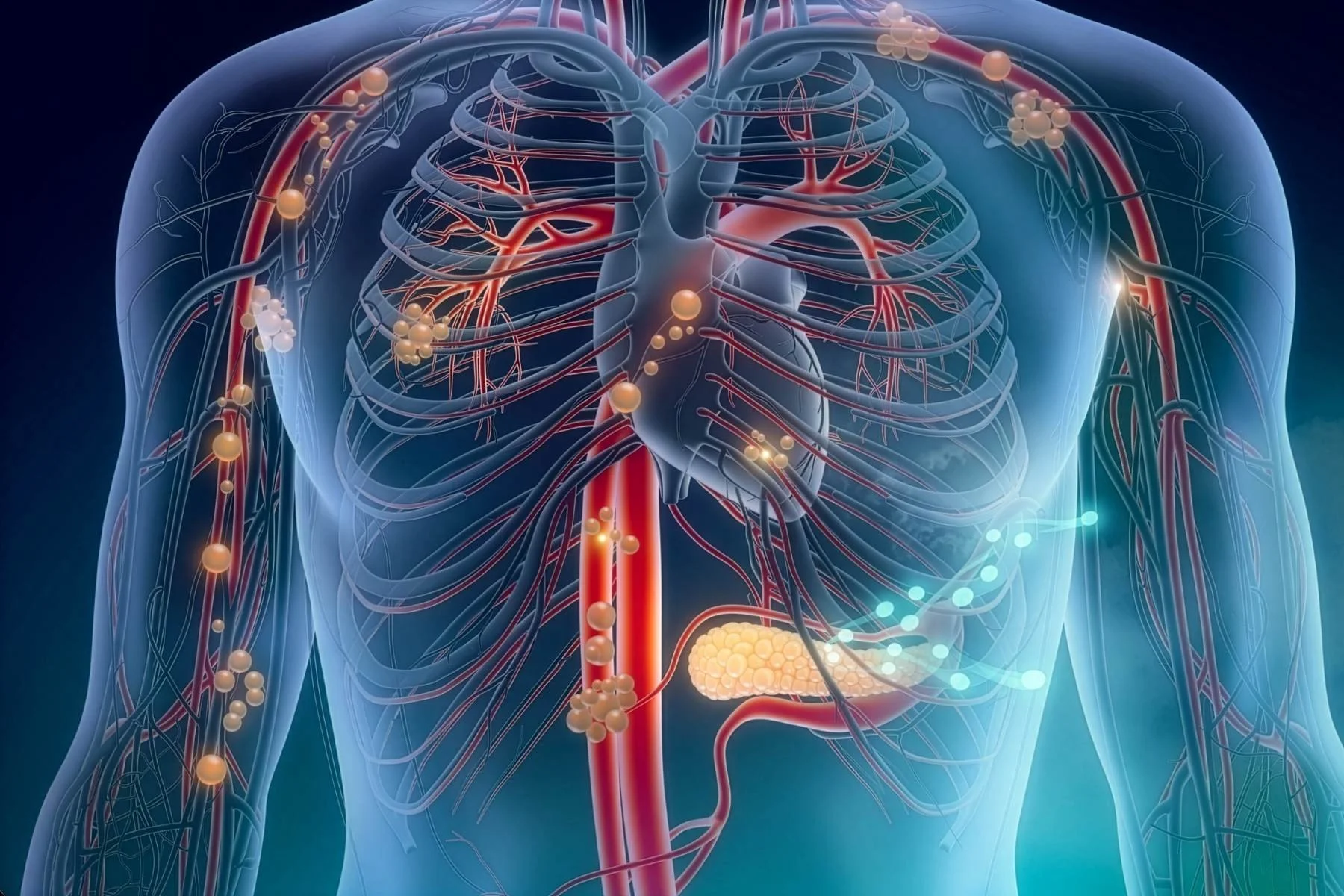
Most wellness conversations focus on what to add. A new supplement. A new workout. A new morning protocol. The lymphatic system is interesting because it does not really need anything new. It needs the things you are already doing, done a little differently and a little more consistently.
That is what this guide is about. The way you breathe between meetings. How long you actually sit before standing up. The temperature your shower ends at. Whether your water bottle is in your line of sight or in the next room. None of it sounds like a wellness practice. All of it is, when the goal is keeping your lymph moving.
We get asked about this constantly. Clients finish a session at our studio and want to know what they can do at home to keep things flowing between visits. The honest answer is that there is a lot, and most of it is free. The lymphatic system is unusually responsive to small daily inputs, which means consistency wins over intensity almost every time. A person who walks twenty minutes a day and breathes well will outperform someone doing aggressive workouts twice a week with eight hours of stillness in between.
What follows is fifteen practices, organized so you can pick the ones that fit your life and skip the ones that do not. We have also included a section on how to weave this into a normal workday, because that is where most of the damage gets done, and a closer look at what professional treatments like Electro Lymphatic Therapy can offer when home care is not quite enough.
Why The Lymphatic System Matters
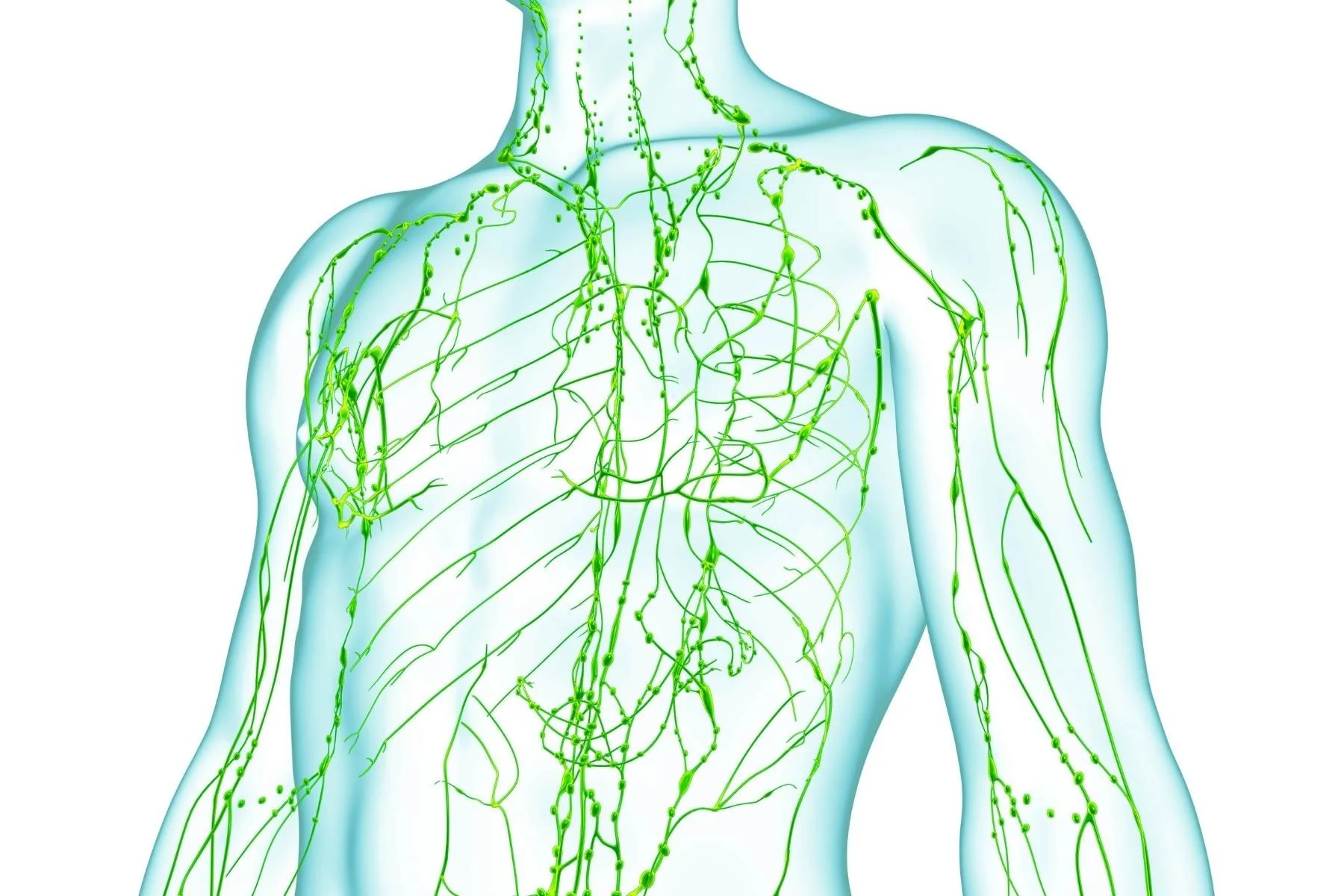
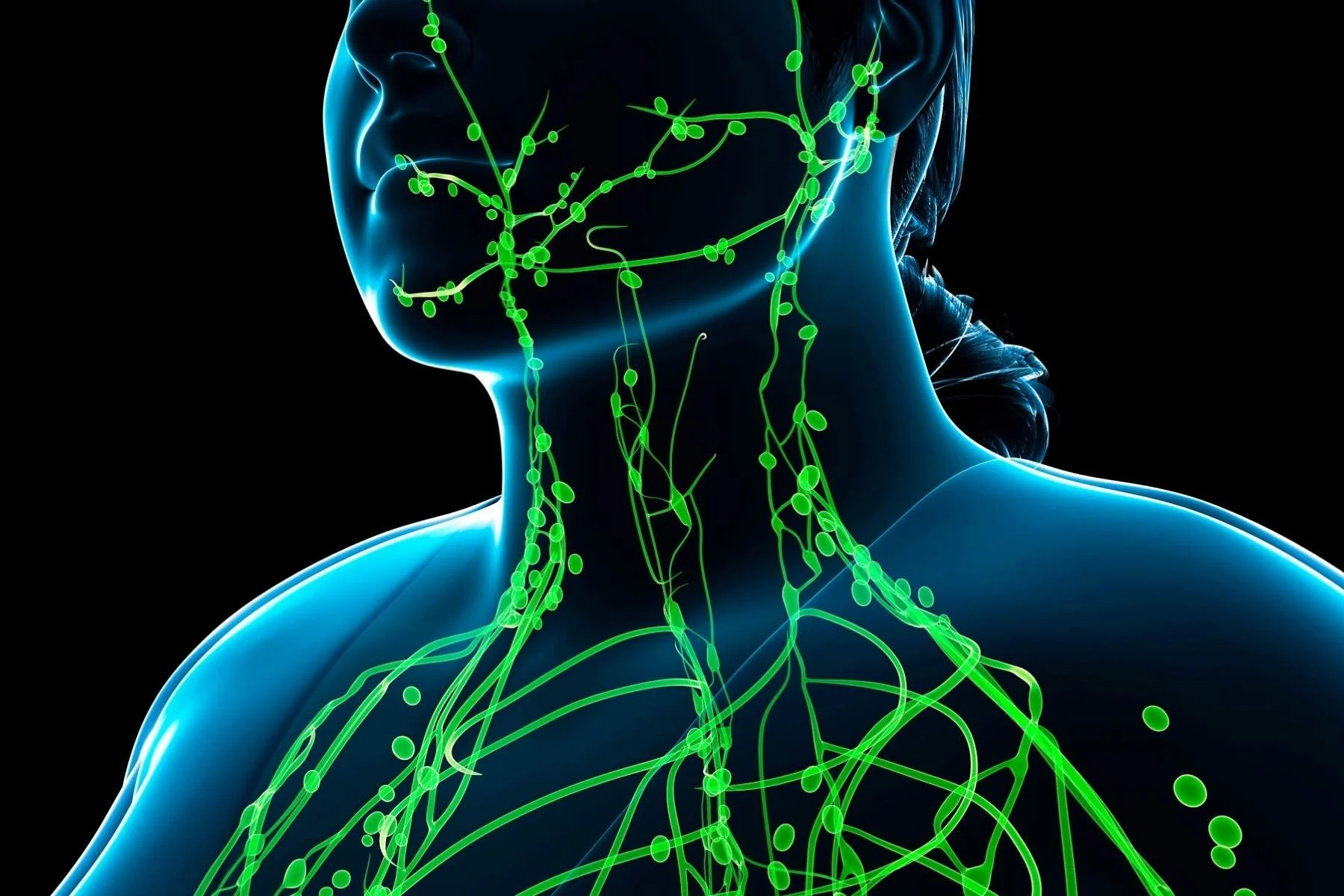
The lymphatic system is a network of vessels, lymphatic organs, and tissues that runs throughout the entire body and works in close partnership with the circulatory system. Tiny lymphatic capillaries collect excess fluid, waste products, and inflammatory byproducts from the tissues. That fluid, called lymph, then drains through progressively larger vessels into the lymph nodes, where immune system cells filter out pathogens and other unwanted material before the fluid then drains back into the bloodstream near the base of the neck.
The lymphatic system is also a vital part of your immune system. Lymph contains the cells that identify threats and coordinate the body's response. The major lymphatic organs, the lymph nodes, spleen, thymus, tonsils at the back of your throat, and the patches of lymphatic tissue in the small intestine, all play roles in keeping the body's defenses calibrated.
It Can Slow Down Without You Noticing
The circulatory system has the heart. The lymphatic system has no pump. It depends on movement, breath, muscle contractions, and the health of the tissues around it to keep flowing.
That dependency is also why modern life puts so much pressure on it. We sit. We breathe shallowly. We carry tension. We dehydrate. None of those things create damage to the lymphatic system in a dramatic sense, but over time they create stagnation, and stagnation is what shows up as the puffiness, fatigue, and bloating.

How to Stimulate Your Lymphatic System at Home
These are not ranked by importance. They are organized roughly from the easiest to fold in to the slightly more involved. Pick three or four to start.
1. Drink Water Like It Is a Job
Lymph is mostly water. When you are under-hydrated, the fluid thickens and slows. The first and biggest shift most people can make is simply staying ahead of thirst rather than chasing it.
Half your body weight in ounces is a reasonable daily floor, more if you are active, drinking coffee, in a dry climate, or living somewhere that pulls moisture from your body the way Los Angeles does. A morning glass of water is simple but important addition to your routine.

2. Walk More Than You Think You Need To
Walking is the single most underestimated lymphatic practice we recommend. The rhythmic muscle contractions in the legs and core act like a hand pump for the lower body's lymphatic vessels, and the cadence of a walk supports the diaphragmatic breathing that engages the upper system.
Twenty to thirty minutes a day, ideally outside, is a sustainable target. If that feels like too much in one block, break it up. Three ten-minute walks across a day add up to the same thing, and they break the long sedentary stretches that cause most of the stagnation in the first place.
3. Bounce on a Rebounder
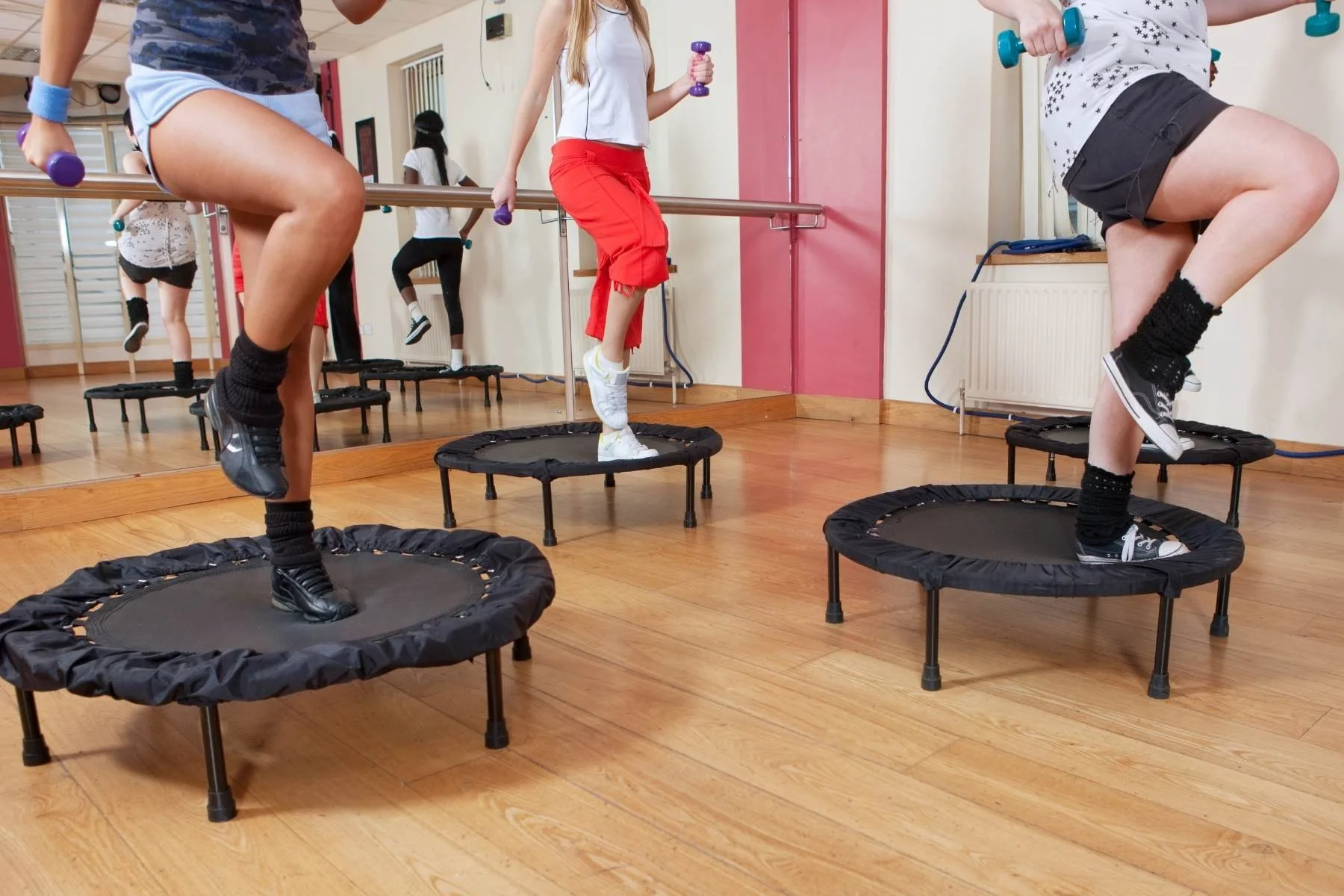
A mini trampoline is one of those tools that feels gimmicky until you try it consistently. The vertical, low-impact bounce creates a rhythm of compression and release that mirrors the way the lymphatic system is meant to move fluid against gravity.
You do not need to bounce hard. The gentle motion where your heels barely lift, sometimes called a health bounce, is enough. Five to ten minutes a day produces a noticeable shift in how your legs and torso feel. Many clients keep one in a corner of the home office and use it in between phone calls.
4. Dry Brush Two or Three Times a Week
Dry brushing has earned its place because it works. A natural-bristle brush, used on dry skin before showering, with long sweeping strokes always directed toward the heart, supports the lymphatic vessels that sit just under the skin.
Start at the feet, work up the legs in long strokes. Move from the hands toward the shoulders. Use circular motions on the abdomen. Pressure should be firm enough to feel pleasantly stimulating, not harsh enough to leave the skin red. Two or three minutes is plenty.

5. Breathe Into Your Belly, Not Your Chest
The largest lymphatic vessel in the body, the thoracic duct, runs through the chest, and the diaphragm is what pumps it. Most adults breathe in a shallow, upper-chest pattern that barely engages this pump at all.
Belly breathing is the fix. Hand on the lower abdomen, slow inhale through the nose so the belly rises, longer exhale through the mouth. Five minutes, twice a day, is a meaningful upgrade. Two minutes is still better than none. Once you start noticing your breath, you will catch yourself reverting to shallow breathing all day, and each correction is a small win for the system.
6. End Your Showers Cool
Contrast hydrotherapy is one of the oldest tools in this category, and it costs nothing. The temperature shift causes the blood vessels and the surrounding tissues to constrict and dilate, creating a gentle pumping action throughout the body.
You do not need a polar plunge. Thirty to sixty seconds of cool to cold water at the end of your normal shower is enough to engage the response. The first few seconds are unpleasant. The next few are bracing. The minute after you step out is one of the most awake feelings you can give yourself for free.
7. Get on the Floor and Stretch
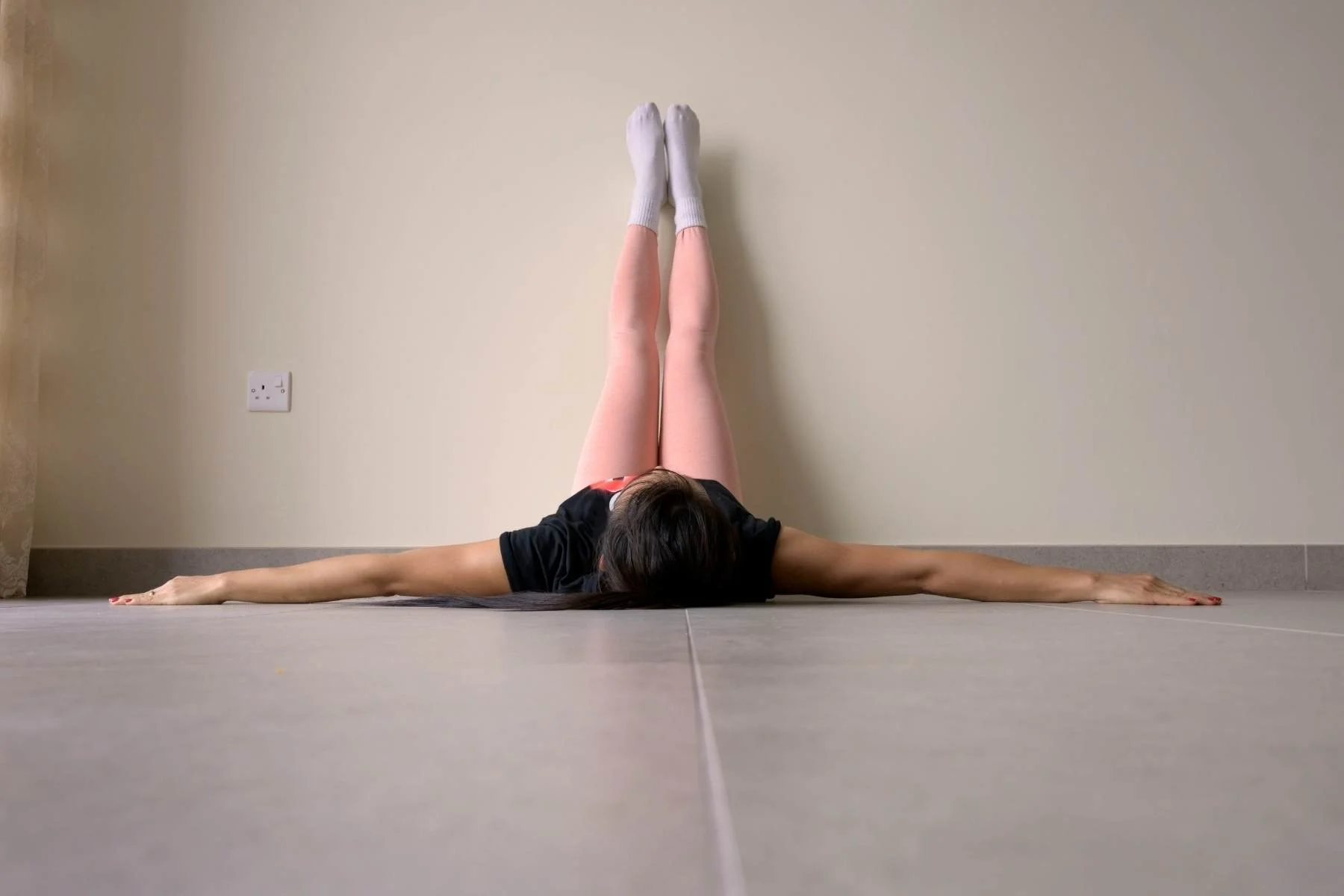
Twists, forward folds, and gentle inversions support the system in ways that more intense workouts do not. Twists wring out the abdominal area where a lot of lymphatic tissue lives. Forward folds shift fluid through the legs. Legs up the wall, the simplest inversion of all, lets gravity do the work for you.
Ten minutes of slow, intentional movement before bed or first thing in the morning can be more useful for lymphatic flow than an hour of high-intensity training. Both have a place. But this is the one most people skip.
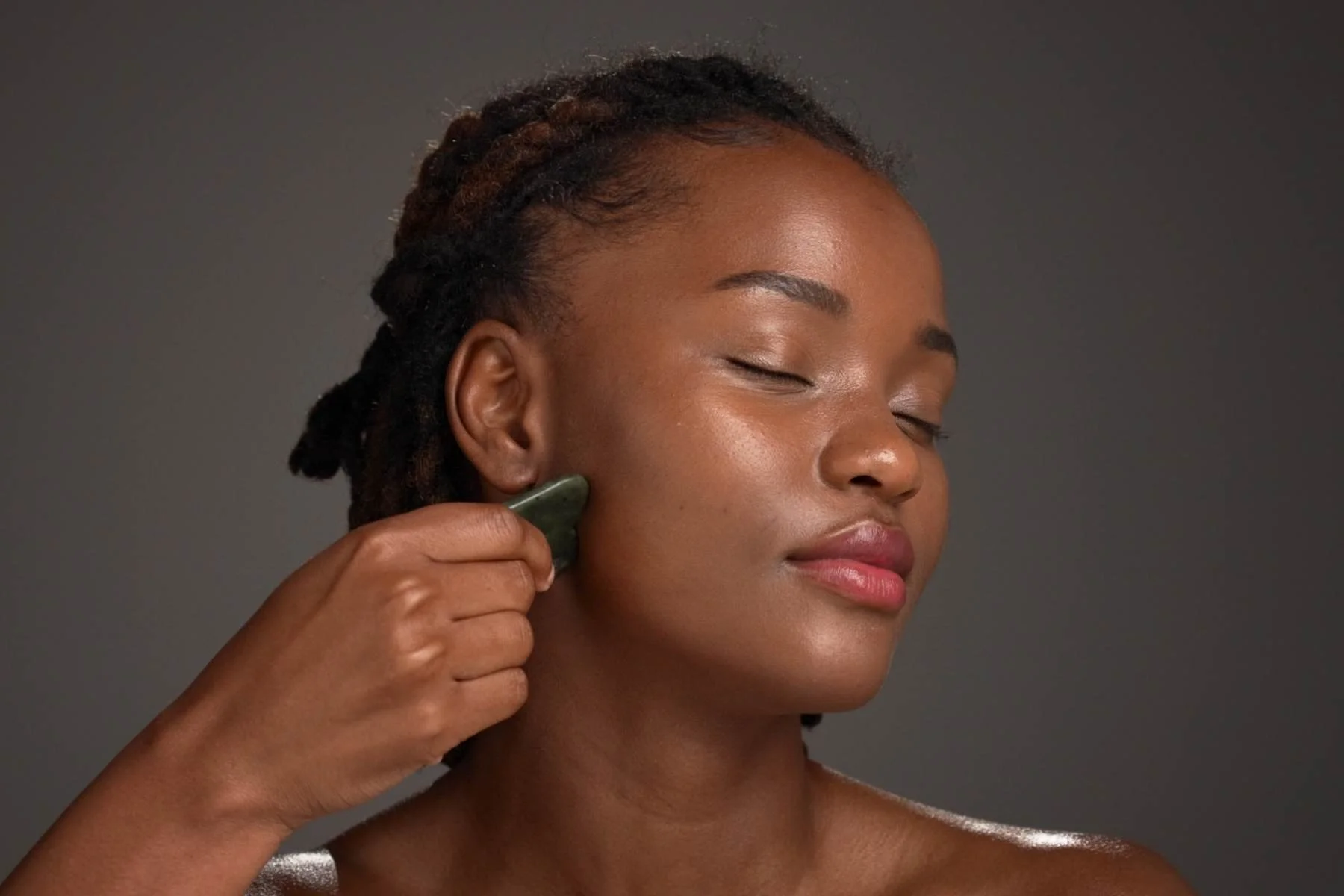
8. Use Light Pressure for Self-Massage
This is where most people go wrong. Lymphatic vessels run shallow, just under the skin, and pressing hard collapses them. The right pressure is so light it almost feels like nothing, like you are moving the skin itself rather than the muscle underneath.
A morning facial sweep, fingertips gliding from the center of the face outward and from the jawline down the sides of the neck toward the collarbones, takes two minutes and visibly softens facial puffiness. The same principle applies anywhere on the body. Direction matters more than pressure. Always toward the lymph nodes, never away.
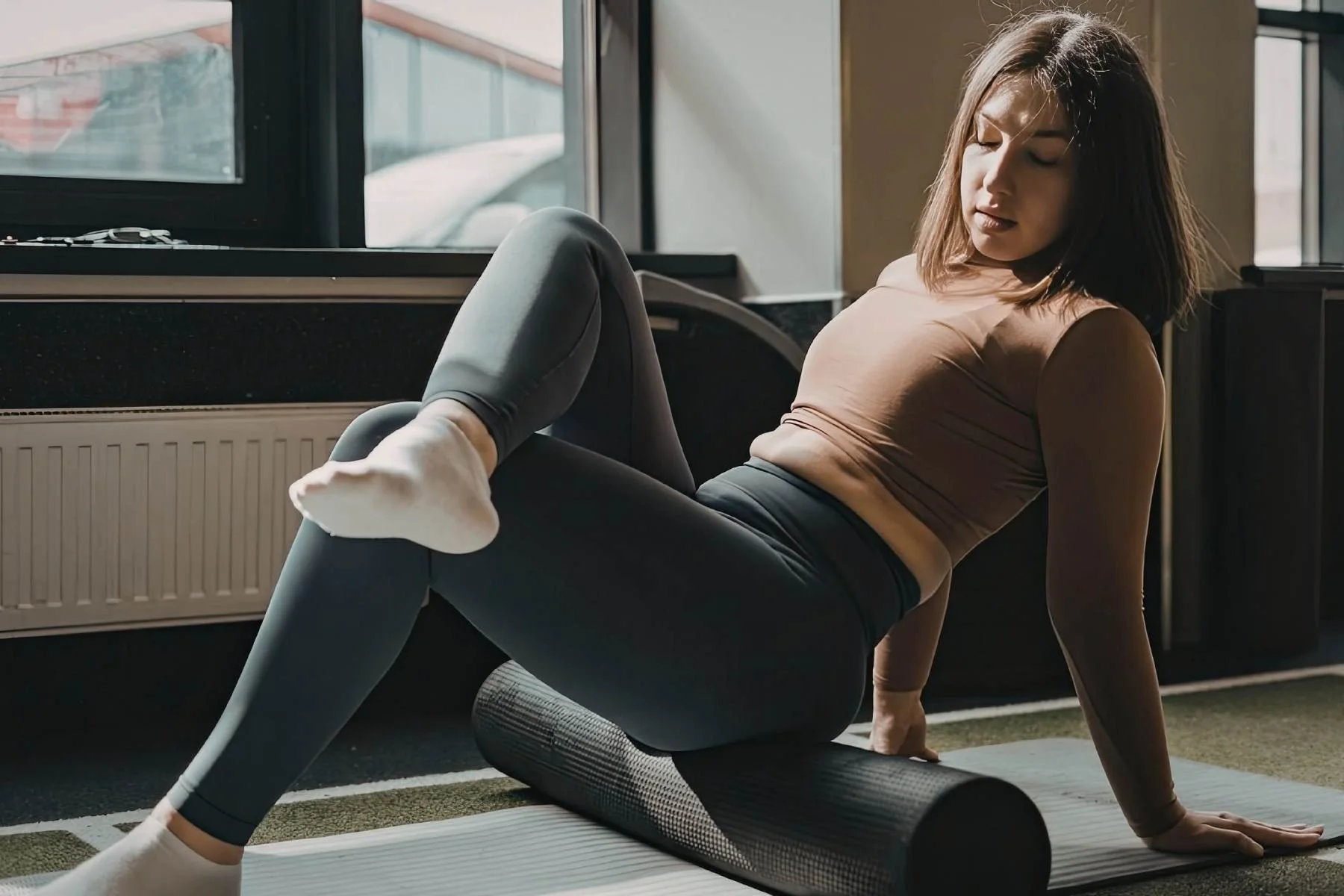
9. Foam Roll Slowly, Not Aggressively
Foam rolling done as a recovery tool tends to be aggressive. Foam rolling done as lymphatic support is the opposite. Slow, gentle pressure, paired with deep breathing, mobilizes fascia and supports flow without crushing the vessels you are trying to help.
If you are using a foam roller for both purposes, the lymphatic version comes first, before the deeper muscular work, while you are still warming into the practice.
10. Eat Like the Inflammation Is the Problem
Food does not move lymph directly, but it shapes the inflammatory load the system has to manage. Vegetables, especially leafy greens. Berries and citrus for antioxidants. Healthy fats. Adequate protein. Plenty of water-rich foods.
The patterns that work against the system are the ones you would expect... Heavy processed foods, excess sugar, industrial seed oils or too much alcohol.

11. Sleep Long Enough for the Cleanup Crew
Recent research on the brain's glymphatic system, the closely related drainage network that works alongside the central nervous system, has shown that some of the most important cellular cleanup happens during deep sleep. Cut sleep short and you cut the cleanup short. 7 to 9 hours, in a cool dark room, with a consistent schedule, is the boring answer that works.
12. Notice What You Are Wearing
Tight waistbands, restrictive bras, shapewear worn for long stretches, all of it compresses the lymph node areas at the groin, armpits, and waist. None of it is catastrophic, but the cumulative effect of spending most of your waking hours in clothing that mildly restricts the system adds up.

13. Take Stress Seriously, Whatever Form That Takes
This one is harder to quantify and arguably more important than any single physical practice. Chronic stress keeps the nervous system locked in a state where breathing stays shallow, tension stays high, and the system never gets the conditions it needs to flow well.
The specific stress practice matters less than whether you do one. Meditation. Journaling. A daily walk where you do not bring your phone. Time with a friend who actually makes you laugh. The point is to give the nervous system regular off-ramps from its default activation, because lymphatic health and nervous system health are inseparable.
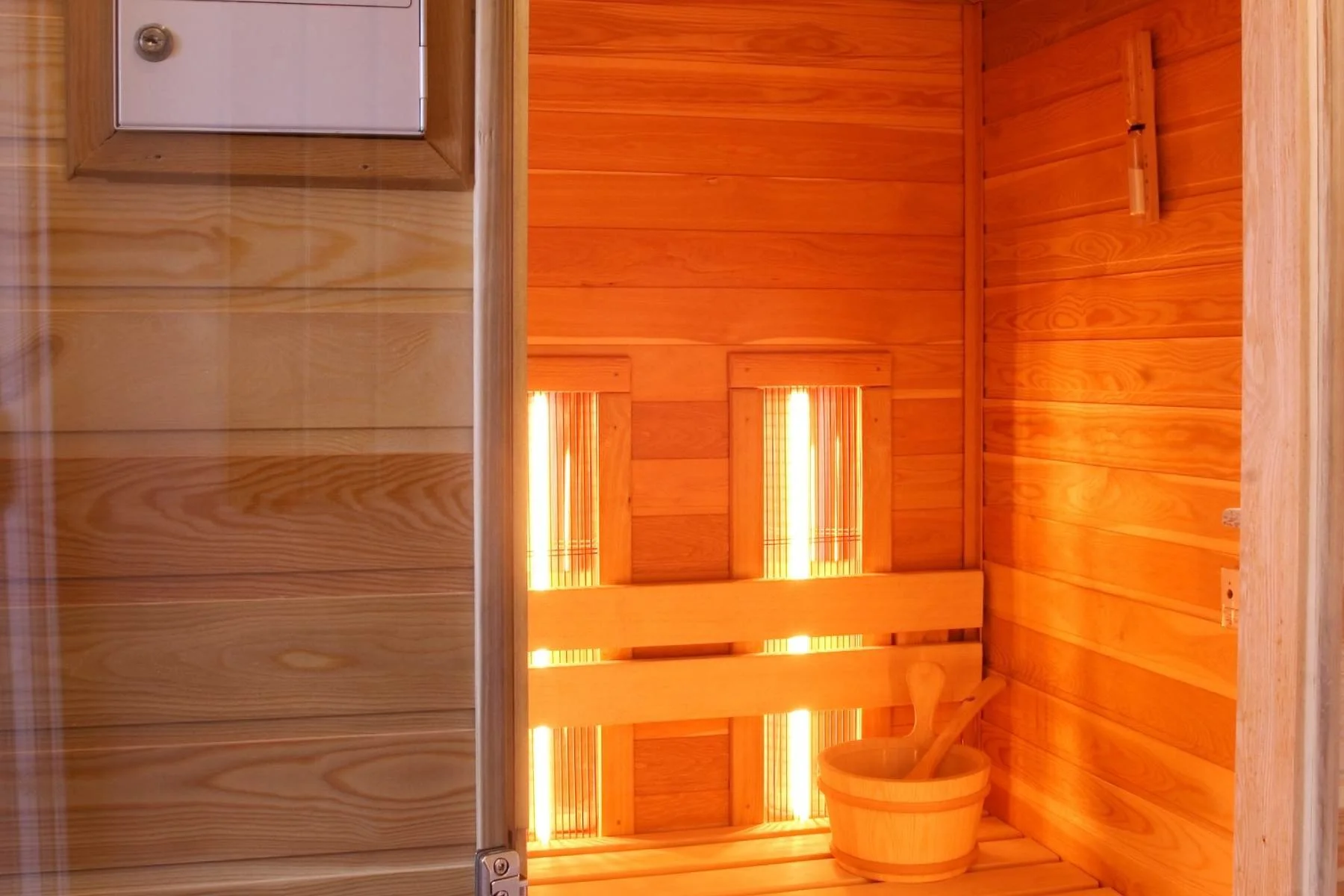
14. Sweat in an Infrared Sauna
If you have access, an infrared sauna is one of the more enjoyable tools in this category. The deep heat encourages sweating, supports circulation, and gives the body multiple pathways to process and clear what it needs to clear.
Two or three sessions per week, twenty to forty-five minutes depending on tolerance, is sustainable for most people. Hydrate before, during, and after. The fatigue afterward is real, and a good signal that you should respect what your body has just done.
15. Pay Attention to Your Patterns
The most underrated practice on this list. People spend years ignoring what their body is telling them and then expect a single intervention to fix it. The quieter practice is to pay attention. Notice which foods leave you puffy the next morning. Notice which weeks of work flatten you the most. Notice which habits leave you feeling the best in your skin.
The lymphatic system rewards listening. The people who feel best in their bodies are almost always the ones who have figured out what works for them specifically and built around it.

How to Keep It Moving During the Workday
The honest reason most people struggle with lymphatic health is the workday. Hours of sitting. Shallow stress breathing. Forgotten water bottles. Tension in the shoulders and hips that compounds across days. None of the morning routines in the world fully undo eight hours of that.
The fix is not to overhaul the workday. It is to weave a few small practices into it. Stand up every thirty to forty-five minutes, even briefly. The lymphatic system responds to small, frequent movement far more than to one big workout that bookends an otherwise sedentary day.
Watch your posture. Slumping compresses the chest and abdomen and shuts down the diaphragmatic pump. A ten-second reset, shoulders rolling back, spine lifting, three deep breaths, is the most efficient lymphatic intervention available between meetings.
Keep water in your line of sight. People drink what they see. A large bottle on the desk, refilled twice a day, is one of the easiest hydration habits to build.
Take micro-breaks for breath. Three slow breaths before opening a difficult email. A long exhale at the end of a tough call. Each one engages the diaphragmatic pump and resets your nervous system in the same moment.
The point is not to do all of it. It is to interrupt the long sedentary blocks often enough that your body never settles fully into stagnation.
When Home Care Is Not Quite Enough
Everything above is the foundation. Done consistently, these practices keep a healthy lymphatic system flowing well, and they make a real difference for people with mild to moderate stagnation.
Where they reach their limit is in three places. Long-standing congestion that has been building for years. Recovery from surgery, where the volume of fluid the body needs to clear is well beyond what daily practices can manage. And situations where someone wants results faster or deeper than home care alone can produce.
That is the gap professional treatments are designed to close.
The Two Main Professional Approaches
There are several professional pathways for lymphatic support, and the right one depends on what you are working with.
Hands-On Manual Drainage
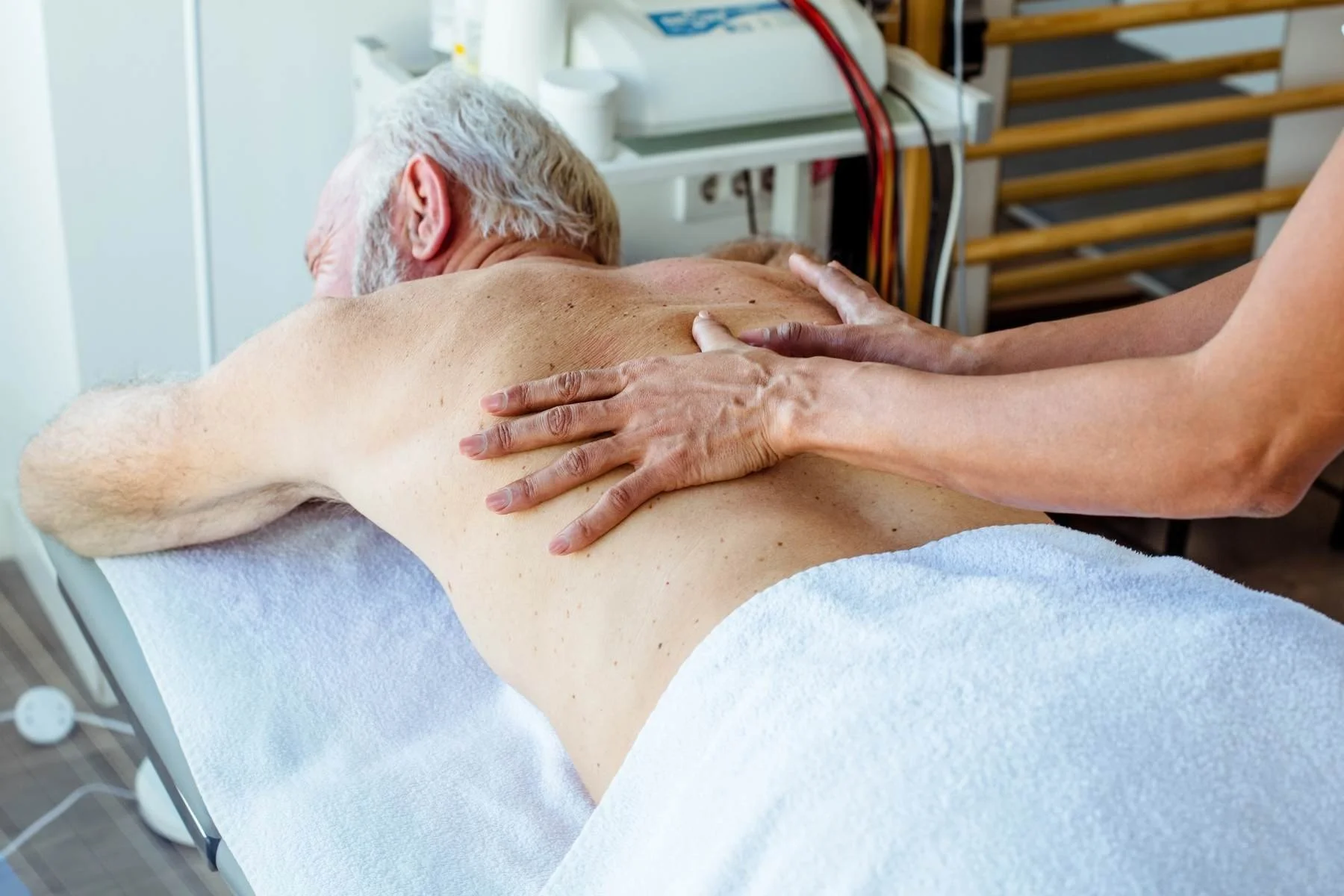
Manual Lymphatic Drainage, often shortened to MLD, is the hands-on technique most people picture when they hear lymphatic drainage. A trained therapist uses very light, rhythmic strokes to encourage flow along the natural lymphatic pathways, always directing fluid toward the appropriate lymph nodes for filtration. It has been refined over nearly a century and remains a great option.

Electro Lymphatic Therapy at Fernz Wellness
Electro Lymphatic Therapy is what we offer, and it is the approach we built our practice around for specific reasons.
ELT is non-invasive and uses gentle vibrational and electrostatic technology, applied through specialized handheld instruments, to stimulate the lymphatic system throughout the body. There is no massage component. There is no deep pressure. There is no discomfort. Most clients describe the session as deeply relaxing, and a fair number almost fall asleep partway through.
The advantages we see, session after session, come down to a few things. ELT can reach areas of the system that hands have a harder time addressing, particularly deeper vessels and zones of long-standing congestion. The therapeutic signal is consistent in a way no manual technique can be, because hands depend on the practitioner's energy on a given day in ways technology does not. It is gentle enough to be ideal for post-surgical recovery, where the tissue is too sensitive for firmer manual work but where lymphatic support is one of the most valuable things a patient can do for their outcome.
The clients who tend to benefit most are those with chronic stagnation that has not responded to lifestyle changes alone, post-surgery patients in their recovery window, people with persistent bloating or stubborn fluid retention, anyone preparing for a meaningful event, and the readers of articles like this one who have been doing the at-home work consistently and want to take their results further.

Why Professional Sessions Move Things Faster
Four reasons.
Precision, because a trained practitioner using the right tools can address areas of the system that are difficult to reach on your own. Technique, because doing this work well takes years to develop, and the difference shows. Technology, because tools like ELT deliver signals that home practices simply cannot replicate. Consistency, because a regular cadence of sessions builds on itself in ways that occasional self-care does not.
None of which makes home practices unimportant. The clients who get the most out of professional sessions are the ones who have built strong daily habits at home. The combination is what produces real shifts. Either piece on its own is significantly less effective.

Mistakes That Keep People Stuck
There are five patterns we see often at our wellness studio, and they're all easy to correct.
Inconsistency. People try a few practices for a week, do not feel a dramatic shift, and stop. The lymphatic system rewards rhythm, not intensity. Modest daily input matters more than occasional bursts of effort.
Heavy-handed self-massage. The vessels run shallow, and pressure compresses rather than supports them. Light, sweeping, almost feather-light strokes are the goal. If it feels like a deep tissue massage, you are too deep.
Catch-up hydration. A large glass of water at six in the evening does not undo a day of dehydration. The system responds to steady input throughout the day, not last-minute volume.
Expecting fast and permanent results. The shifts here are gradual and cumulative. The people who notice the biggest changes are the ones who stop looking for overnight transformation and commit to the practice over weeks and months.
Treating the nervous system as separate. You can do every practice on this list, and if you are living in chronic stress with shallow breathing and tight tension, the results will be limited. The two systems are entwined. Treat them together.

A Simple Routine to Build Around
Daily, build from hydration, some form of movement, two minutes of belly breathing somewhere in the day, and a real attempt at sleep.
Two or three times a week, layer in dry brushing before a shower, a longer walk or movement session, a few minutes of foam rolling, a contrast shower or get into your sauna if you have access to one.
Monthly, consider a professional ELT session. For some clients, twice a month is the right number of sessions. For people in recovery from surgery or working on something more specific, the rhythm is usually more concentrated at first.
That is a sustainable lymphatic practice that can support your body for years without becoming a second job.
Why We Recommend the Combination
The most successful client journeys we see are not built on home practices alone or on professional treatments alone. They are built on the layering of both.
Home habits are the foundation. They do the daily, ambient support that nothing else can replicate. Professional sessions build on that foundation, addressing what home care cannot quite reach and accelerating the kind of results most people are hoping for.
Clients who have committed to both, daily lymphatic habits at home and regular ELT sessions at our studio, tend to describe the same kinds of shifts after a few months. Skin clearer. Energy steadier. Bloating less frequent. Sleep deeper. The low-grade inflammation that had quietly become normal, slowly resolving. None of it comes from one thing. It comes from the combination, working in the same direction over time.

Fernz Wellness - Los Angeles Electro Lymphatic Drainage Therapy
Learn more about us here and contact us today to discover how our services can be a vital part of your journey to optimal health. Our address is 5486 Wilshire Blvd. Los Angeles, CA 90036 and you can also contact is by calling or texting us at (424) 281-9366.

Conclusion
Your lymphatic system is one of the most overlooked parts of how you actually feel, and the practices that support it are some of the most accessible ones in wellness.
For readers who want to take it further, Electro Lymphatic Therapy ay Fernz Wellness is one of the most effective tools we know of. Not as a replacement for daily care, but as a complement to it. If you are in Los Angeles and curious about whether ELT might fit where you are, we would love to have that conversation!
You can contact us here or book a session with us here.
Frequently Asked Questions
What is the lymphatic system?
The lymphatic system is a system of vessels, lymph nodes, and lymphatic organs that runs alongside the circulatory system and is part of the immune system. Tiny lymphatic capillaries collect excess fluid and waste products from the tissues, the fluid then drains through progressively larger vessels into lymph nodes where immune system cells filter out pathogens, and from there it returns back into the bloodstream near the base of the neck.
It is also responsible for maintaining the balance of fluids around the body and supporting immune defense.
What are the main lymphatic system organs?
The major lymphatic organs include the lymph nodes, spleen, thymus, the tonsils at the back of your throat, and the patches of lymphatic tissue in the small intestine. Together, they filter lymph, produce and store immune system cells, and help coordinate the body's response to threats. Bone marrow, while not strictly a lymphatic organ, is also part of the picture because it produces many of the immune cells that eventually circulate through the lymph and the blood.

How is lymph different from blood?
Blood is moved by the heart through the circulatory system, contains red blood cells, and carries oxygen and nutrients throughout the body. Lymph is the clear-to-pale fluid that drains from the tissues into the lymphatic vessels. Lymph contains immune cells, proteins, and cellular waste rather than red blood cells, and it relies on movement and breath rather than a central pump.
Where does lymph drain back into circulation?
Most of the lymph in your body is collected by the thoracic duct, a large vessel that runs through the chest and empties into a vein at the base of the neck on the left side. Lymph from the right upper portion of the body drains through the right lymphatic duct, which empties at a similar point on the right. From there, the fluid then drains into general circulation and the cycle continues.
How fast will I feel a difference?
Some shifts are quick. Reduced facial puffiness after a few minutes of breathing or self-massage can be visible within an hour. The deeper, more meaningful changes, steadier energy, clearer skin, less bloating, better recovery, build over weeks of consistent practice. The system responds to rhythm. The people who feel the biggest changes are the ones who give it at least a month before judging the results.
See more FAQ’s here.

Additional Resources
What Does the Lymphatic System Do? Learn Its Function & How It Works - Cleveland Clinic
Lymphatic Drainage Massage: What It Is, What It Does and Whether You Need It - Cleveland Clinic
How Your Lymphatic System Works
How to Perform a Lymphatic Drainage Self-Massage - Cleveland Clinic
What to Know About Lymphatic Drainage - The Ohio State University / Ohio State Health & Discovery
10 Benefits of Lymphatic Drainage Massage - Southern California Health Institute
Stress and its effect on the lymphatic system - Body Ballancer