How Emotional Stress Affects Gut Health and Body Odor
Explore how emotional stress affects gut health and can manifest as body odor. Learn to understand symptoms and manage your stress.

When new clients walk into our wellness studio, where we offer colon hydrotherapy and electro lymphatic drainage in Los Angeles, they often come in because something in their body just feels off. Sometimes it is their digestion, sometimes it is their energy, sometimes it is a shift in body odor they cannot explain. Emotional stress can show up in the body far more than most expect. We see it daily in the treatment room, and there is absolutely no judgment here. You are not gross, you are human, and your body is simply responding to the world around you.
In this article we will walk through how emotional stress affects gut function, why body odor can change when you are feeling stressed, which signs of emotional stress are easy to miss, how to use simple stress management techniques, and when it is a good idea to seek professional help. From our experience, these patterns are incredibly common, and once you understand what is happening, everything starts to make a lot more sense.

Stress Is a Natural Response, But Modern Life Turns It Up Too High
Emotional stress is something most of us experience long before we even recognize it. It can come from worries you hold onto, fears that pop up when life feels uncertain, or big life changes that shake your sense of safety. It can also come from tiny daily stressors that add up quietly, like being stuck in traffic or receiving a text that hits you the wrong way. A stressor does not have to be dramatic to impact you, although major situations like losing a job or grieving the death of someone dear can obviously raise stress levels in a big way.
When emotional stress builds, your emotional response might include thoughts and feelings of overwhelm, pressure, fear, sadness, or frustration. This can make your heart race, your stomach tighten, or your patience wear thin. Stress can leave you feeling constantly on edge even when nothing huge is happening in that moment. Your system is reacting to what it sees as demand, whether that demand is actually there or not, and that is where perceived stress often takes over.

The Stress Response and Your Body
The stress response is your body’s built in way of protecting you. When you react to stressors, your system prepares you to move through them. Stress hormones like cortisol and adrenaline rise to give you energy and focus. You might not think about it this way, but your HPA axis and autonomic nervous system are working behind the scenes all day to help you adjust to whatever life throws at you.
Stress is a natural part of being human, but problems begin when the amount of stress or the duration becomes too high. What was meant to be temporary can turn into something your body carries constantly, and that is when emotional stress can cause shifts in digestion, energy, mood, and even the way you smell. Your body tries to help, but without stress relief or intentional ways to manage your stress, the system stays activated longer than it should.
Chronic Stress and Toxic Stress
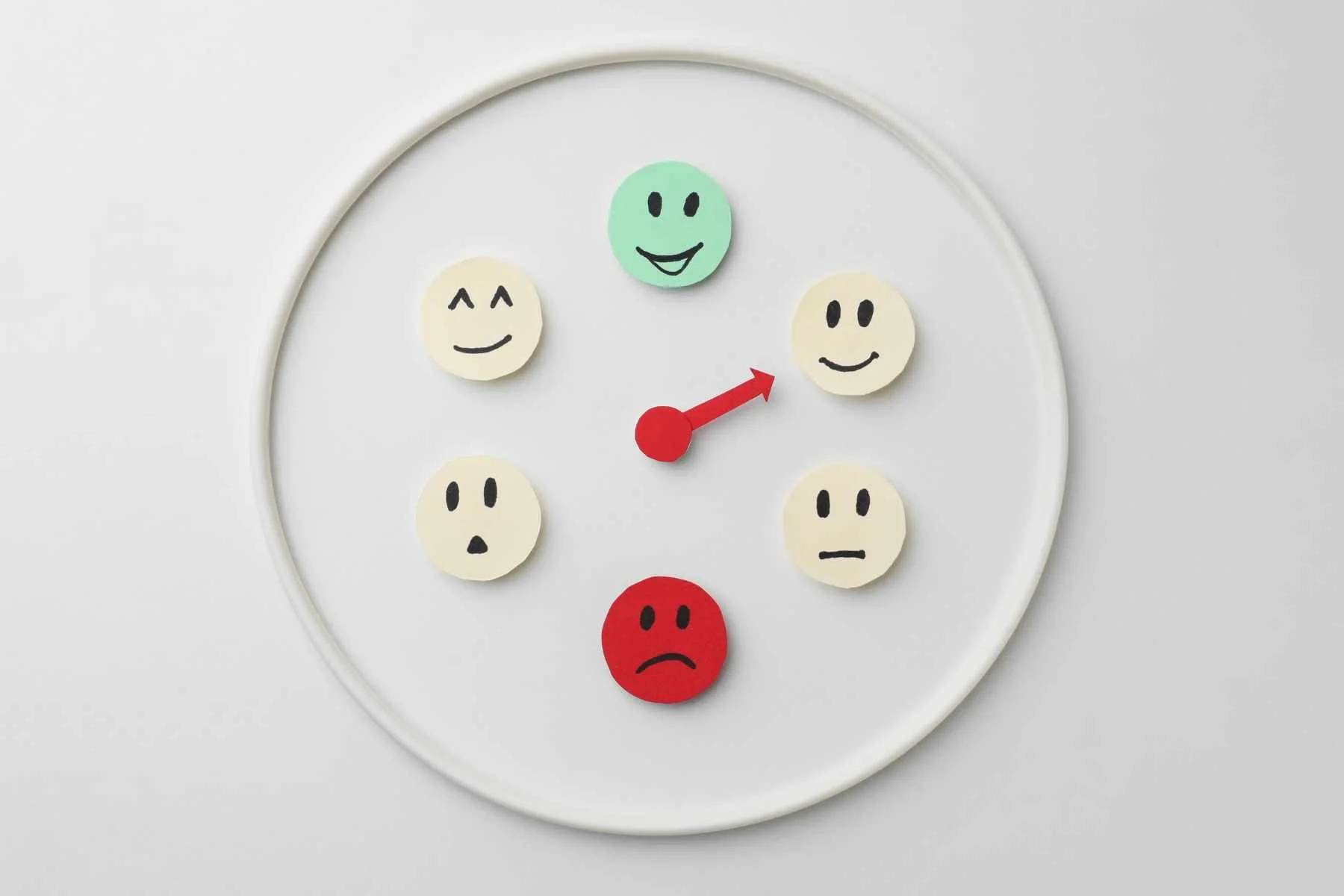
There is a huge difference between experiencing a one time stressful event and living with chronic stress. A temporary upset will activate your stress response then settle back down once things stabilize. Chronic stress is different. It builds slowly, often from linked stress coming from work pressures, family responsibilities, financial worries, or relationship challenges. Over time higher stress that never gets balanced out can turn into toxic stress, which is the kind that lingers in the body and disrupts mental and physical symptoms without you even realizing it is happening.

How Toxic Stress Affects Mind and Body
Toxic stress often shows up in both the mind and body. When the system stays activated too long, stress leads to exhaustion, irritability, tension, and a sense that you cannot fully relax. People often tell us they feel “wired but tired,” which is incredibly common. Long term emotional stress affects mood and can contribute to anxiety or other mental health conditions, including depression and anxiety. This is not about blaming yourself, it is simply acknowledging that the effects of emotional stress do not stay in your head, they ripple outward into every part of how you function.
Emotional and Mental Warning Signs
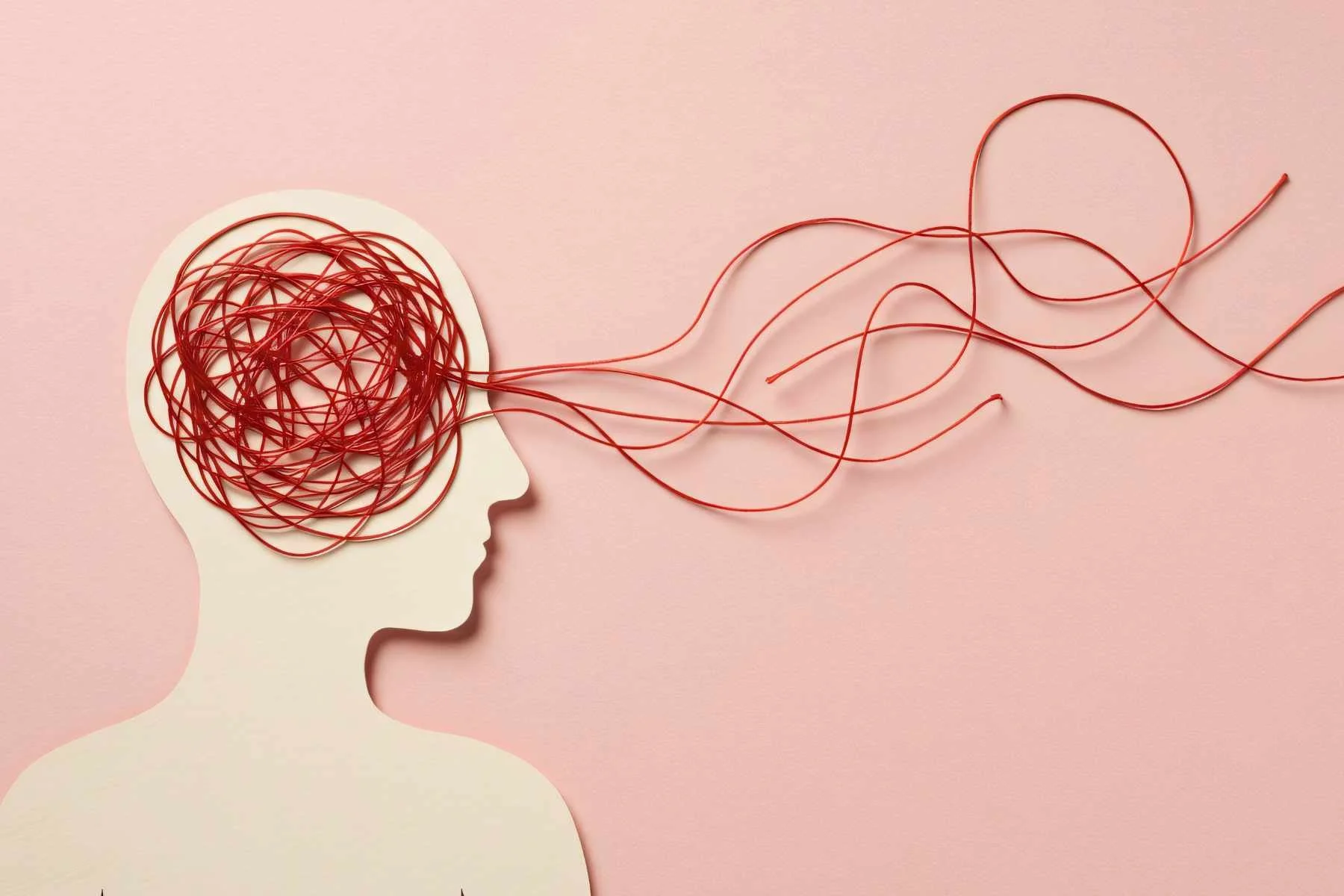
Emotional stress often shows up subtly before it becomes obvious. You might notice changes in mood that feel out of character for you, or moments where you feel numb or disconnected. Some people describe racing thoughts that refuse to slow down, which can make it hard to concentrate. Others find themselves more irritable with partners, friends, or even professional relationships, which can create more negative stress. These are signs of emotional stress that are easy to dismiss, but they often appear before physical symptoms ever show. Feeling overwhelmed, tearful, or unusually flat can all be symptoms of emotional stress, and noticing these warning signs early can make a big difference in how you cope with emotional stress going forward.

Physical Stress Symptoms You Can Feel in Your Body
Emotional stress can also show up through physical symptoms. Headaches that come out of nowhere, muscle tension across the shoulders, shortness of breath, or shifts in appetite can all be symptoms of stress. Some people experience weight gain or weight loss during stressful periods. Others notice their digestion slows down or becomes more unpredictable. High blood pressure can also be connected to chronic stress although this should always be evaluated by a medical provider.

Stress affects sleep, digestion, and energy levels, and when these pieces start shifting, it is often a sign that underlying stress is asking for attention.
See the connection between sleep and gut health here.

Memory and Concentration Under Stress
Another place emotional stress shows up is in how you think. Many people are surprised by how much stress affects memory and concentration. Forgetfulness, difficulty staying on task, or losing your train of thought can appear during stressful periods. Stress can also make focusing harder, which then creates more negative stress as you feel frustrated with yourself. This can create stress in a loop, especially if you are already feeling stressed or overwhelmed by daily responsibilities.

How Emotional Stress Affects Gut Health
Your gut and brain talk to each other constantly, almost like a casual two way text thread happening behind the scenes. When you are feeling stressed or anxious, this conversation becomes louder. You might notice bloating and gas, cramping, or changes in bowel habits. Even small amounts of underlying stress can make existing gut issues feel worse. The gut is incredibly sensitive to emotional stress because it responds to your thoughts and feelings faster than many other parts of the body.
Stress, Cortisol, and Digestion
When stress levels rise, cortisol can slow down digestion or speed it up depending on the person and the situation. Stress may change hunger patterns, which is why some people lose their appetite while others find themselves craving sugar or salt. Weight gain can also appear when the body feels like it is under pressure and needs extra energy. Stress affects the movement of the gut and how food is broken down, which can create stress inside the digestive system itself. Even if you are eating the same foods, your body may process them differently depending on how you are feeling.

Stress, Gut Bacteria, and Your Internal Environment
Long term stress may shift the balance of gut bacteria in a way that affects gas, bloating, and overall comfort. When the internal environment becomes disrupted, the body might have a harder time moving byproducts out efficiently. Hydration, fiber, and regular meals help support your gut during stressful seasons and can be an important part of stress management for digestion. Supporting your internal environment makes it easier for your body to cope with stress and maintain a steadier baseline.
How Emotional Stress Affects Body Odor
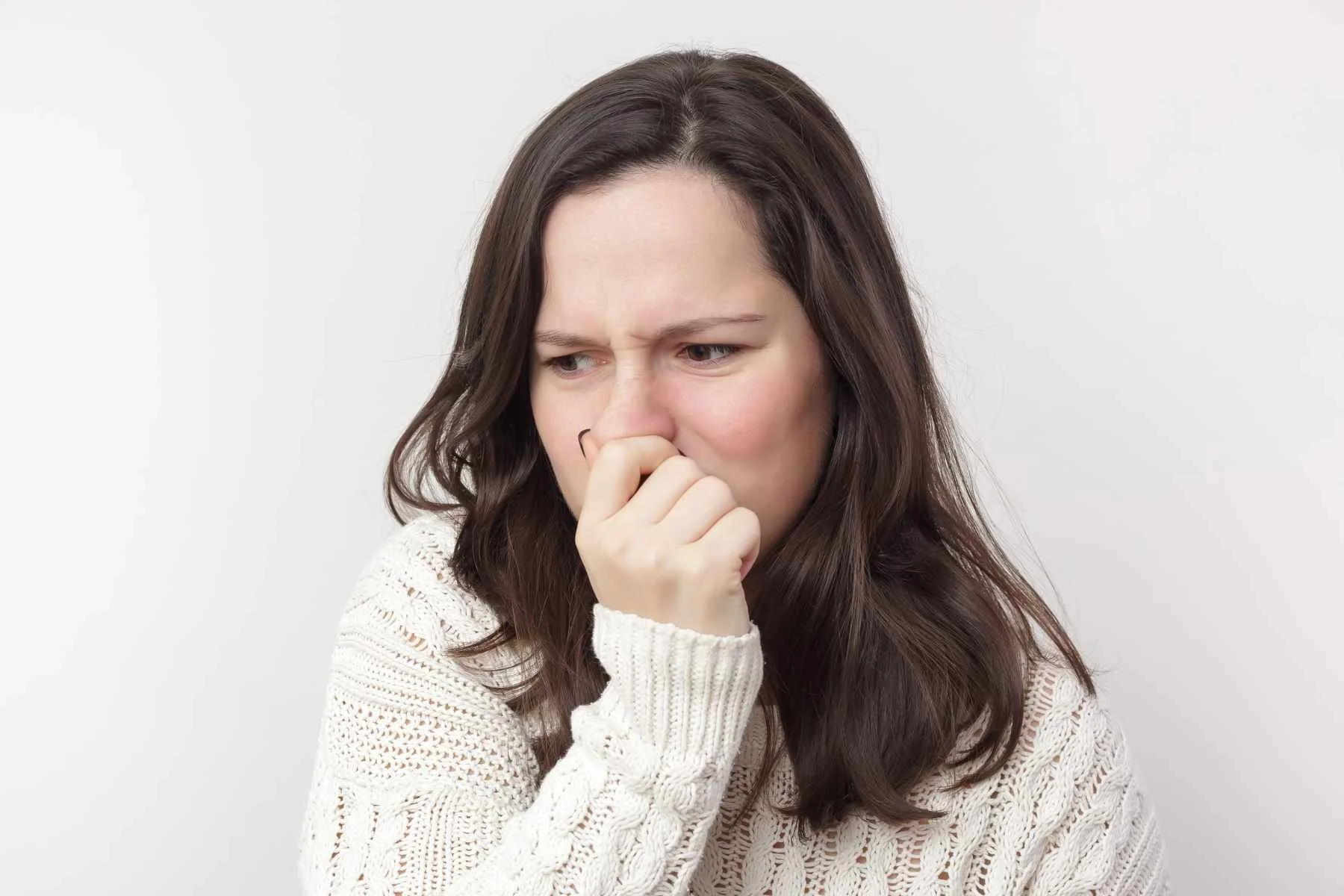
When someone is feeling stressed, the body produces a different kind of sweat than it does when you are simply warm. Heat related sweat comes from the eccrine glands, which mostly release water. Stress related sweat comes from the apocrine glands, which are found in areas like the underarms. This type of sweat mixes with natural skin bacteria and can create a sharper scent. Emotional stress can cause this scent to become stronger and more noticeable because the body is reacting to a stressor rather than temperature.
Many people are surprised by how quickly the scent changes when they are under pressure. Emotional stress can cause the body to release sweat that carries more protein, and that protein becomes a food source for bacteria that naturally live on the skin. When the bacteria break it down, the odor becomes more intense. Emotions like fear, embarrassment, or shame can also raise stress levels and increase sweating. This can form a loop where stress may cause odor, and the odor then raises stress levels even more. It is a very human cycle, and it is something we see often.
See our article on empowering yourself against bathroom anxiety and body shame here.

Gut Health, Metabolism, and Body Odor
Body odor is not only about sweat. It can also be influenced by what is happening inside the digestive system. When digestion feels sluggish, and when constipation or irregular bowel movements appear, the body may show it through a change in scent. This might show up through the breath, the skin, or the armpits, even when someone is showering regularly.
The gut breaks down food through fermentation, and when that fermentation slows or becomes imbalanced, it can create byproducts that move through the bloodstream and out through the skin. This is part of the internal environment that many people never think about, yet it plays a quiet role in how the body feels and smells. None of this means anything is wrong with you. It simply means the body is processing things a little differently during stressful times.

Supporting digestion with hydration, regular meals, and movement can help the body process waste more efficiently. Gentle cleansing of the gut, staying well hydrated, and encouraging lymph flow may also help the system stay on track. These small shifts often make people feel more comfortable in their own skin.
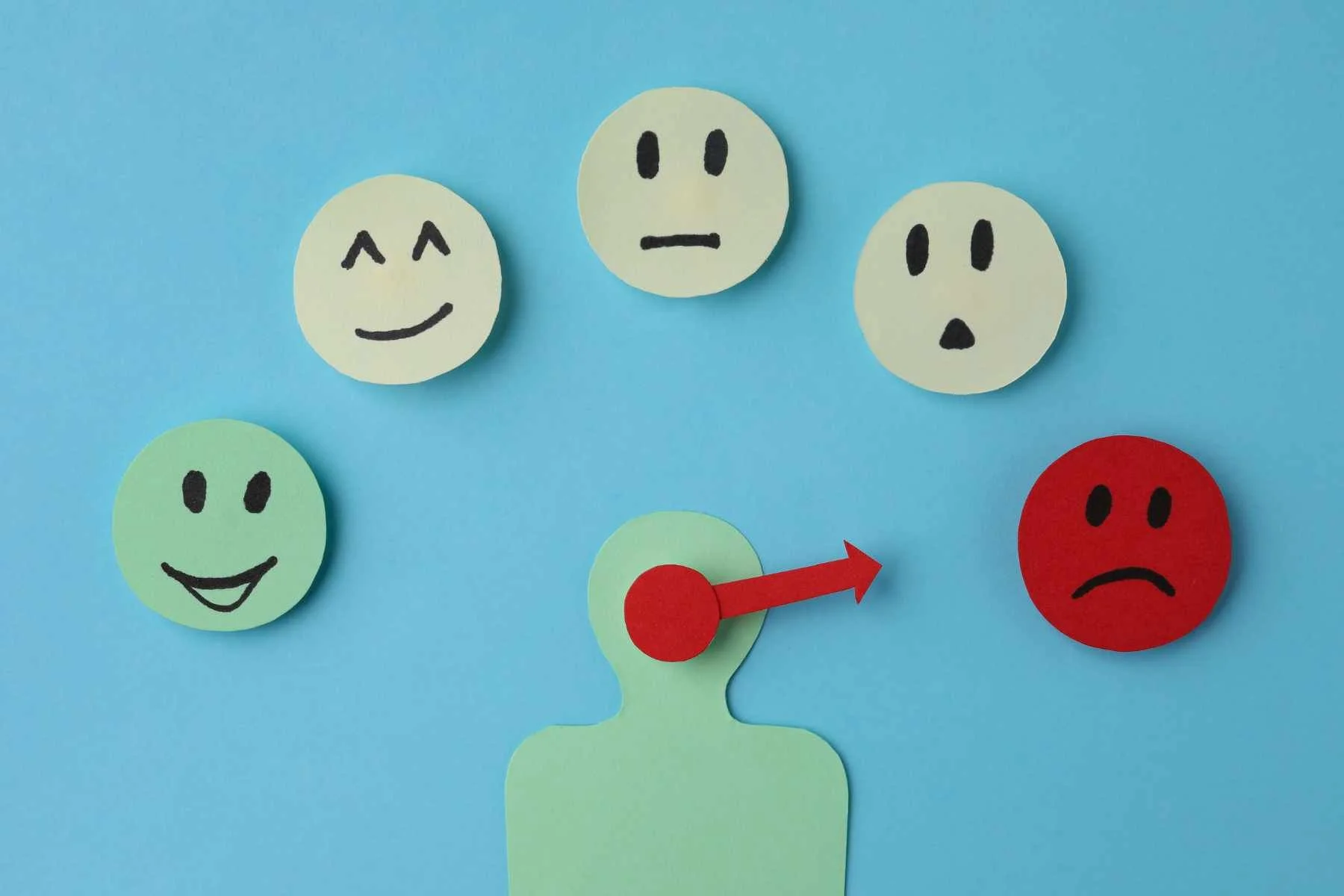
Causes of Emotional Stress in Everyday Life
The human body reacts to many different situations, and emotional stress can come from parts of life that feel completely ordinary. Work pressures can weigh heavily, especially when professional relationships feel strained. Family responsibilities and caregiving can also add a steady sense of demand. Financial worries can linger in the mind even when nothing has changed externally.
Large life changes, such as moving, losing a job, or ending or beginning a relationship, can shake a person’s sense of stability. Experiences of grieving the death of someone important can affect both mood and physical symptoms long after the moment has passed. These situations might look different from the outside, but the body often carries them silently.

Perceived Stress vs Actual Stress
Perceived stress is the way your mind interprets an event. Two people can face the same situation and have completely different reactions because of their history, their support system, or their coping skills. Some may feel overwhelmed by a minor setback, while others stay steady during larger challenges. Neither response is wrong. It simply shows that emotional stress depends on how the body and mind interpret what is happening.
Stress contributes to tension when someone feels they have no control. Even when things appear fine to others, the internal experience can feel heavy. This is why understanding perceived stress is so helpful. When people acknowledge their own reactions without judgment, they often find it easier to cope with emotional stress in healthier ways.

How Stress Affects Your Daily Thoughts, Feelings, and Habits
Stress can shape everyday thoughts without a person noticing how much pressure they put on themselves. Thoughts like feeling behind, feeling like a failure, or believing they cannot handle one more thing can create stress in the body even when nothing new is happening. These thoughts can influence how someone feels emotionally and physically. Emotions like fear or worry can intensify the stress response, especially when they show up regularly.

Behavior Changes That Quietly Signal Emotional Strain
When someone is holding onto emotional stress, it often appears in their habits. Overworking can become a way to avoid uncomfortable feelings. Perfectionism or people pleasing can grow stronger without the person realizing they are coping with stress. Some people start avoiding social situations because they are anxious about body odor or gut symptoms. Others lean on sugar, caffeine, or alcohol to push through feeling stressed. These shifts in behavior are subtle, but they often reveal that the body and mind are looking for relief.
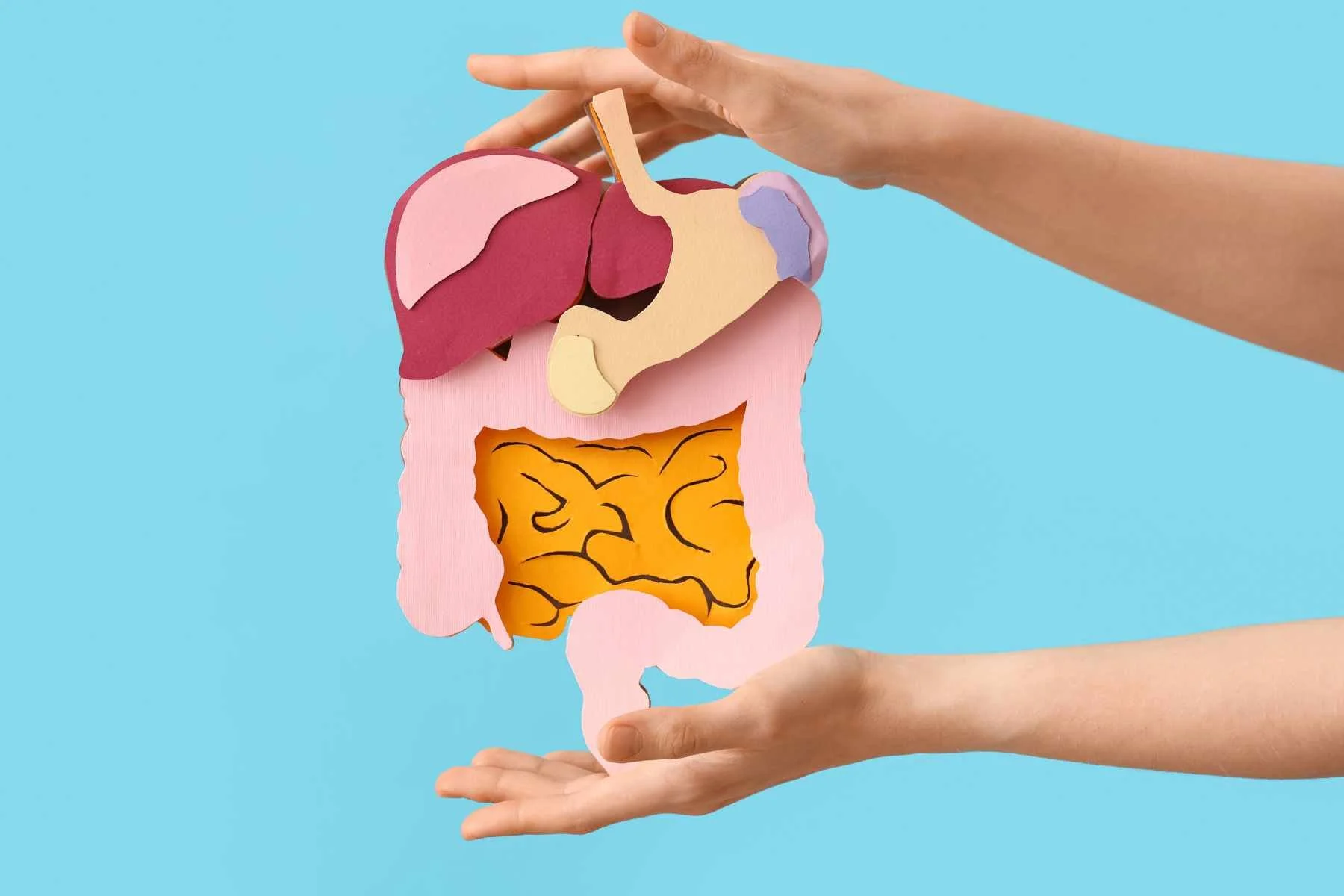
Stress Symptoms That Show Up in Gut Health
The gut often speaks before the mind realizes what is happening. Sudden constipation or loose stools can appear during stressful periods. Appetite may drop or spike, and some people find themselves eating past fullness without knowing why. A nervous stomach before meetings or social events is another sign of emotional stress. These digestive changes can be symptoms of stress rather than something caused by food alone. When the body is overwhelmed, digestion is often one of the first places to react.

When Stress and Gut Issues Start to Affect Body Confidence
Stress related gut issues can influence the way people see themselves. Some begin choosing clothing based on whether their stomach feels bloated that day. Others turn down social plans because they worry about odor or discomfort. Intimacy can also feel more challenging when someone is self conscious about digestion or scent. These emotional responses deserve compassion. Gut issues and body odor are not character flaws, they are signs the body is asking for support.
See more on the Impact of Body Positivity on Self-Esteem and Wellness here.

Stress Management
Managing stress does not have to be complicated. A few minutes of slow breathing can create stress relief for the nervous system. A short body scan helps people notice where they are holding tension. Gentle stretching before bed can support relaxation. These small practices reduce your stress over time, especially when done consistently. Even brief moments of care can shift how the body reacts to stressors.

Relaxation Techniques to Calm Your Mind and Body
Relaxation techniques can support digestion by helping the nervous system settle. Guided meditation can quiet racing thoughts. Soft music or breath awareness can encourage relaxation. Gentle self massage of the abdomen or the shoulders can help soothe muscles that tighten during emotional stress. These practices help calm your mind and allow the body to return to a more balanced state.

Manage Stress and Anxiety Through Daily Micro Choices
Daily habits play a meaningful role in how someone manages stress and anxiety. Eating regular meals, drinking water throughout the day, and having a simple wind down routine can help you manage your stress more effectively. The goal is not to eliminate stress completely but to respond to it with steadier habits. These micro choices support gut balance and may reduce odor concerns because the system is not constantly overwhelmed.

How to Know When It Is Time for a Gut Reset
Sometimes the body gives gentle signals that a reset might be helpful. Signs can include bloating that lingers, sluggish digestion, irregular bowel movements, or a sense that the gut is working harder than usual. When these signals appear together, it may be worth considering ways to support your gut through gentle cleansing, nourishment, and stress relief. Many of our clients find that adding supportive therapies like colon hydrotherapy or electro lymphatic drainage helps them reconnect with their body’s natural rhythm, especially during times when digestion feels a little off or stress has been running high. These sessions are not a fix on their own, but they can be helpful tools as part of a broader reset.
Recognizing When Emotional Stress Can Cause More Serious Issues
Emotional stress can sometimes become more intense and show up through deeper mental and physical symptoms. Persistent sadness, loss of interest in daily activities, or ongoing irritability can be signs that stress has reached a level that deserves attention. Panic, dread, or constant worry may also appear. Physical symptoms like chest discomfort, shortness of breath, or high blood pressure should always be evaluated by a healthcare provider. These experiences are valid, and caring for them early can prevent them from becoming overwhelming.
Some people come to us during these heavier periods because they feel disconnected from their body, and supportive services like electro lymphatic drainage or colon hydrotherapy can help them feel grounded again while they also seek the care they need from licensed mental health professionals.

Mental Health Professional Support and Stress Management
Talking to a mental health professional can make a meaningful difference when stress symptoms begin affecting daily life. Mental health services can offer tools to cope with emotional stress, deal with emotional stress, and cope with stress in sustainable ways.
Organizations like the American Psychological Association offer information that helps people understand the effects of emotional stress and when it may be time to reach out for support. Seeking professional help is a sign of strength, not weakness.

Simple Steps to Reduce Stress and Support Gut Health and Body Odor
Reducing stress often begins with noticing warning signs and stress symptoms early. Adding one small daily habit such as breathwork, journaling, or a short walk can help reduce your stress gradually. Supporting the gut with regular meals, hydration, and gentle movement helps the system stay balanced while the mind works through emotional stress. Some clients also find that incorporating colon hydrotherapy or electro lymphatic drainage into their routine gives them an added sense of lightness and clarity, especially during seasons when stress is affecting digestion or lymph flow.
See how to choose the best colonics in Los Angeles here.

How to Manage Your Stress Without Perfectionism
It is completely normal to have amounts of stress. The purpose of stress management is not to remove stress from your life but to respond to it in a steady way. Tiny acts of self care add up, and we often cheer clients on for the smallest changes because they truly matter. Progress happens through consistency, not perfection.

Invitation to Fernz Wellness
From our experience working with clients every day, we see how common emotional stress, gut issues, and odor concerns truly are. These experiences say nothing about your character, they simply mean your body is communicating.
At Fernz Wellness, we offer colon hydrotherapy and electro lymphatic drainage as supportive tools to help your body feel clearer and more at ease while you navigate the emotional side of healing.
Learn more about us here and discover how our services can be a vital part of your journey to optimal health. We look forward to supporting you on your journey to better health and improved well-being.
Our address is 5486 Wilshire Blvd. Los Angeles, CA 90036 and you can also call or text us at (424) 281-9366.

Conclusion
Emotional stress touches every part of the human experience, from the way the gut digests food to the way the skin releases scent. Understanding this connection allows you to approach your body with patience instead of frustration. When you start noticing the early shifts in digestion, mood, or odor, it becomes easier to support your body rather than push against it. This gentle awareness often leads to real change because you are responding instead of reacting.
Your body is not trying to inconvenience you, it is trying to communicate. When stress makes life feel tense, the signals may feel louder. When you give those signals space and care, you learn what helps you feel balanced again. It might be a few minutes of breathing, a short walk, extra water, or reaching out for support when you need it. Every step matters.
From our experience, people begin to feel better when they stop expecting themselves to be perfect and start allowing themselves to be human. You deserve to feel comfortable in your body, and you deserve to feel supported as you move through emotional stress. With kindness toward yourself and steady attention to your well being, you can create a relationship with your body that feels calmer, clearer, and more grounded.

Additional Resources
Stress & the gut-brain axis: Regulation by the microbiome – National Library of Medicine
How emotional changes affect skin odor and its impact on others - PLOS One
Emotional expression in human odour - Cambridge University
Biological, environmental, and psychological stress and the gut microbiome – Scientific Reports
The impact of acute and chronic stress on gastrointestinal function – The Journal of Physiology.
*The services provided by Fernz Wellness are intended for general wellness and educational purposes only. They are not designed to diagnose, treat, cure, or prevent any medical condition. Please consult with a healthcare provider before starting any new treatment or wellness routine. Results may vary.