Gut Health and Hormones, Why Women Feel Puffy and Bloated
Understand why women feel puffy and bloated by learning about the link between gut health and hormones, metabolism, and how gut bacteria impact your hormone balance.
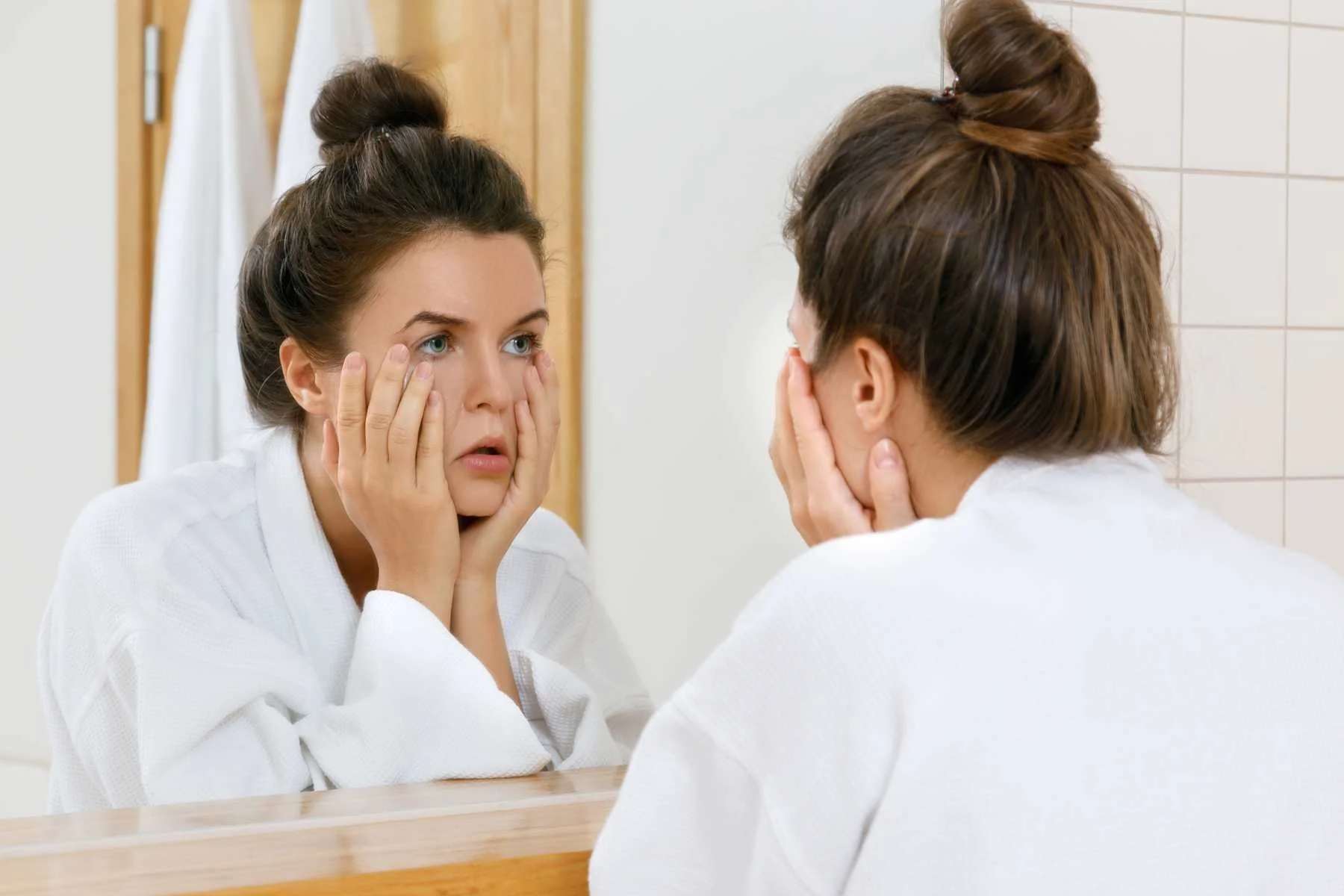
You wake up, look in the mirror, and your face looks fuller than it did the night before. Your eyes feel a little swollen. By mid afternoon your waistband is digging in, even though lunch was the same salad you always eat. The week before your period, your rings feel tight and your favorite jeans seem less comfortable to put on, even though you have been eating clean and drinking enough water all week. If any of that sounds familiar, you are very much not alone.
Most women assume bloating is purely a digestion thing. Eat the wrong food, feel bloated, wait it out, move on. The real story is more layered. Your hormones, your stress levels, your gut bacteria, and your lymphatic system are in constant conversation with each other, and that conversation shows up on your stomach, your face, and your hands.
This guide will cover the root causes of hormonal bloating and puffiness, how bloating differs from water retention, the small daily habits that make a real difference, and the professional treatments worth knowing about when you want extra support. At Fernz Wellness in Los Angeles, this is what we do all day, helping women feel lighter, less puffy, and more like themselves.
Bloating, Water Retention, and Puffiness Are Not the Same Thing
We tend to use one word, bloated, for a handful of very different experiences. Sorting them out matters, because each has a different cause and fix.
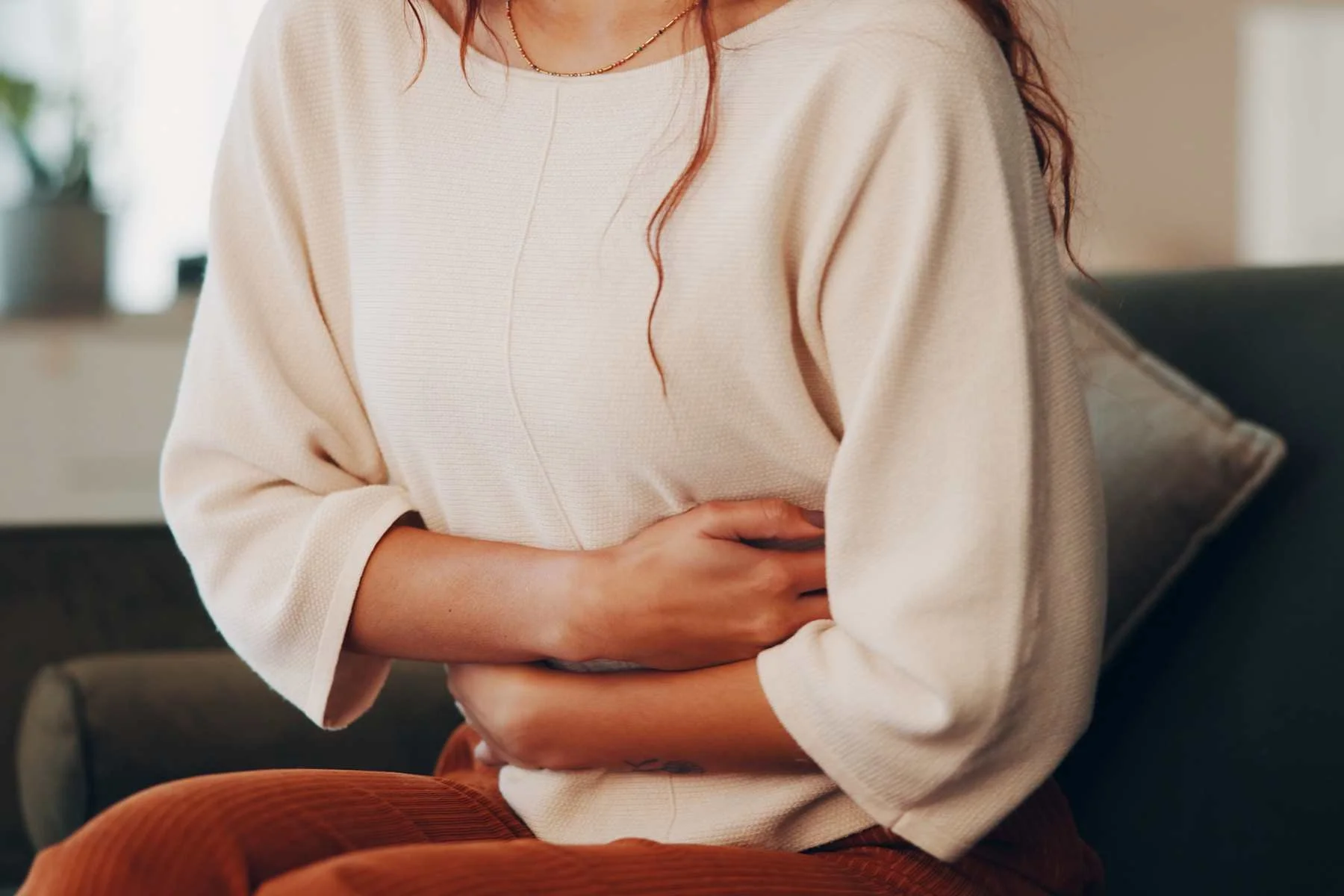
Digestive bloating is the one most people picture. It is gas and pressure inside the gut, usually after eating, with a stomach that feels distended and tight. It builds through the day and eases overnight, driven by how food ferments, how quickly things move through you, and how balanced your gut microbiome is. If this is the version that hits you hardest, our deep dive on understanding bloating and gas breaks down the triggers and what actually helps.

Water retention is fluid, not gas. Your body holds extra water in the spaces between cells, which is why you can feel heavy and tight all over without your stomach being full of air. Sodium, hormones, heat, long flights, and a quiet lymphatic system all play a role. Inflammation is a bit of both, plus heat and reactivity. When your system is inflamed, tissues hold fluid and your gut runs less smoothly, so you get a blurry mix of discomfort and all over puffiness that does not track neatly with what you ate.
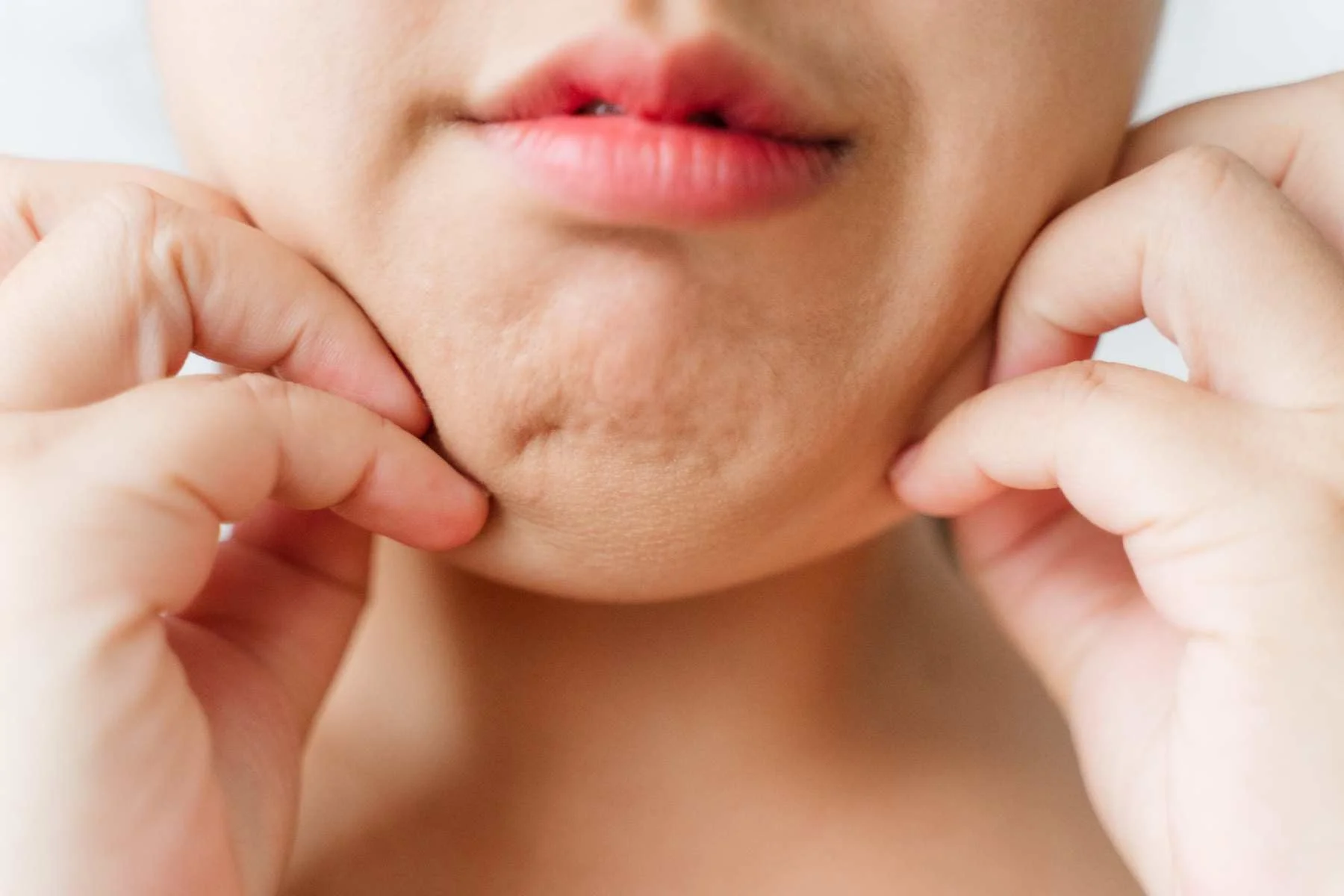
Facial puffiness is water retention you can see. The skin around your eyes is thin and the tissue underneath drains slowly, so overnight fluid pools there first. That is why you can look puffiest in the morning and slowly deflate as you start moving around. If your real issue is fluid, cutting out gassy foods will not fix it.
If your real issue is sluggish digestion, a face roller will not touch it. Most women are dealing with a blend of all three stacked on top of each other. Once you can name which is which, the right solutions get a lot more obvious.
The Gut Hormone Connection
Your gut is not just where food gets digested. It is also a major player in how your hormones are processed, recycled, and cleared. When the gut runs smoothly, hormones stay in healthier balance. When it is sluggish, things back up, and you feel it.
What Is the Estrobolome
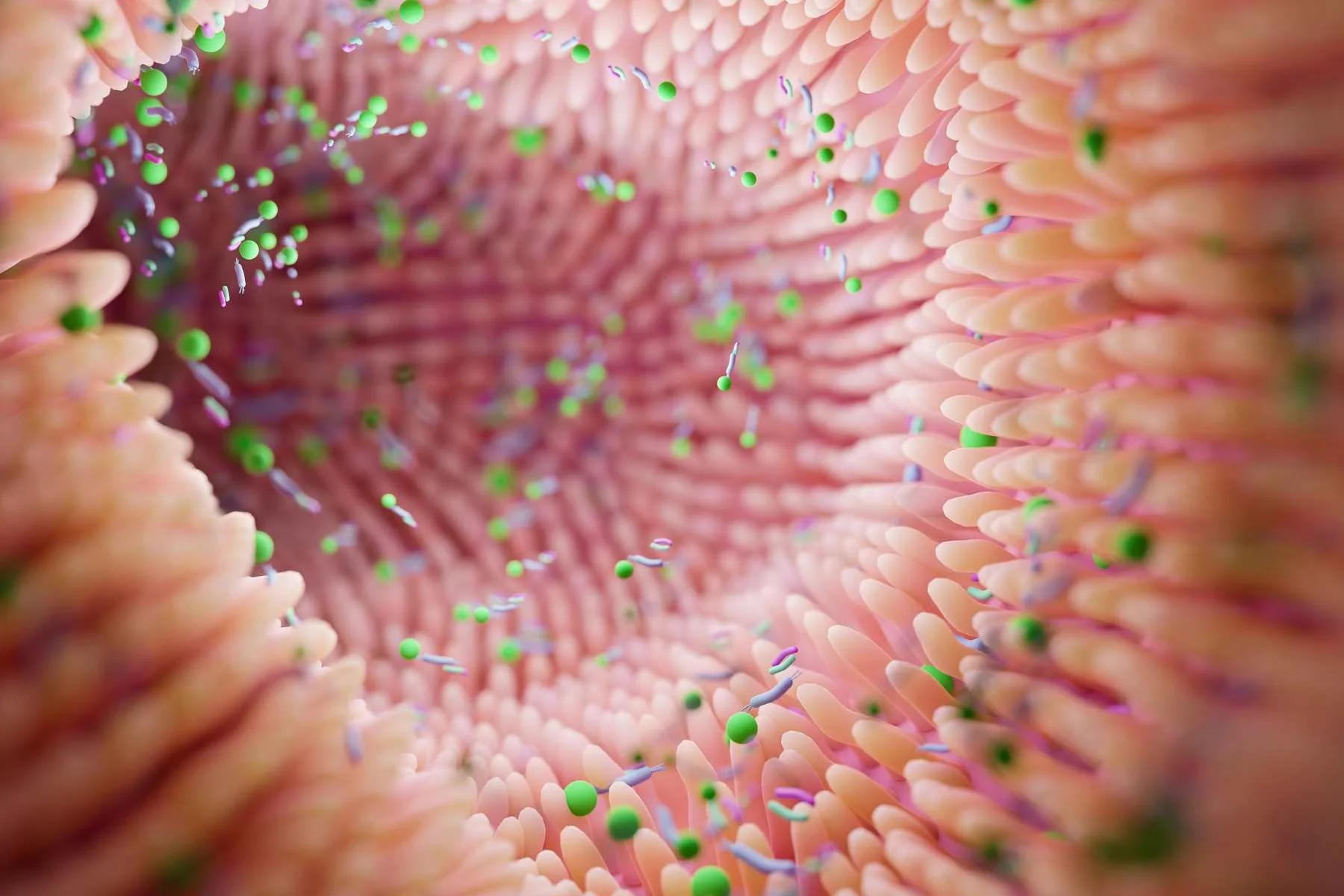
Inside your gut microbiome lives a specific community of bacteria with a very specific job, helping your body process and clear estrogen, a job known as estrogen metabolism. This community is called the estrobolome.
Your liver packages up estrogen you no longer need and sends it to your gut to be eliminated. A healthy estrobolome helps usher that estrogen out. But when your gut bacteria are out of balance, a state known as gut dysbiosis, or things are moving too slowly, some of that estrogen gets unpackaged and reabsorbed back into circulation instead of leaving. Now you are holding onto estrogen your body was trying to clear, a pattern often described as estrogen dominance.
Estrogen influences how much water and salt your body retains, so higher estrogen levels can mean more bloating, more breast tenderness, and more all over heaviness. This is also where constipation becomes more than uncomfortable. When elimination slows, estrogen sits in the gut longer and has more chances to be reabsorbed.
Our guide on why chronic constipation can be dangerous explains what happens when things stop moving, and the Bristol Stool Chart is a surprisingly useful at home check for whether your digestion is on track.
Inflammation feeds the same loop, since an irritated gut handles hormones less efficiently and hormonal swings make the gut more reactive.
Why Women Bloat Before Their Period
That predictable pre period puffiness is not in your head, it's your luteal phase doing exactly what it is designed to do.
In the second half of your menstrual cycle, after ovulation, progesterone rises. Progesterone relaxes smooth muscle, and your digestive tract is made of smooth muscle, so everything slows down. Food moves through more slowly, which means more time to ferment, more gas, and more bloating. This is also why so many women get constipated in the days before their period.
At the same time, the shifting balance of estrogen and progesterone tells your body to hold onto more water and sodium. That is the fluid retention you feel in your fingers, your face, and your lower belly. Add the salty, carb heavy cravings this phase brings and you get even more water retention on top.

Perimenopause and Midlife Puffiness
If you are in your late thirties, forties, or early fifties and your body suddenly feels like it is playing by new rules, you are not making it up.
In perimenopause, the years leading up to menopause, hormones stop following their old, predictable pattern. Estrogen can swing high and low, progesterone tends to decline, and that loss of steadiness changes how your body holds fluid and how your gut behaves. Many women notice more bloating than they ever had, a puffier face, and a midsection that feels different even when nothing about their eating has changed.

The Stress and Cortisol Connection
When you are stressed, your body releases cortisol. In short bursts that is fine. The problem is the low grade, all day, never quite switching off kind of stress so many women live with. Chronically elevated cortisol promotes fluid retention, encourages inflammation, and tells your body to hold on rather than let go.
Stress also hits digestion directly. Your gut and brain are wired together, and when your nervous system is stuck in fight or flight, energy gets pulled away from digestion. Things slow down, food sits longer, and you bloat. This is why two women can eat the same meals and feel completely different. The one running on stress, poor sleep, and a racing mind often holds more fluid, not because of the food, but because of the state her body is in.
We went deep on this in our article on how emotional stress affects gut health, worth a read if your symptoms flare during high pressure weeks.
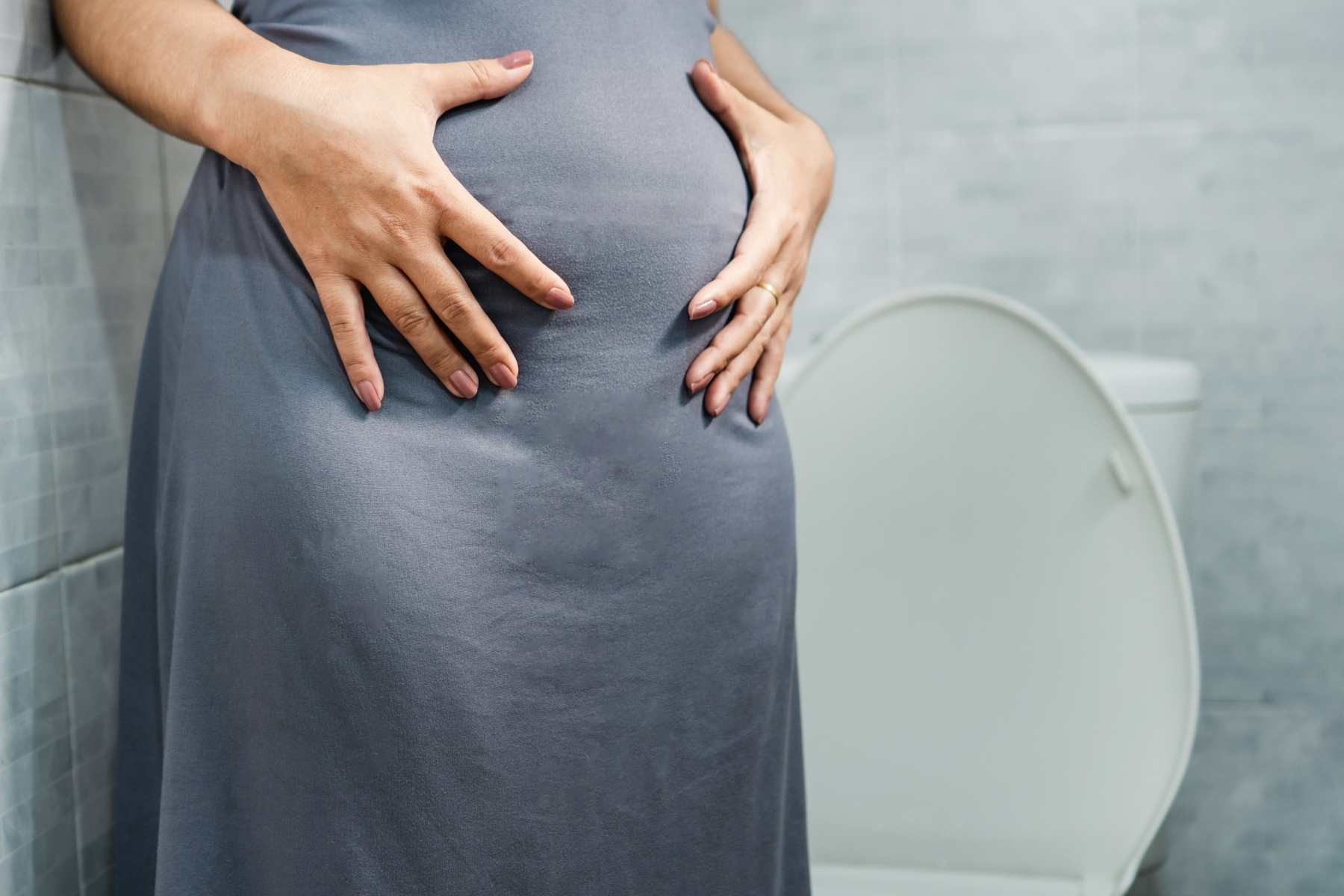
How Gut Health Affects Puffiness and Bloating
Step back and a clear theme shows up. When digestion and elimination run smoothly, you feel lighter. When they get sluggish, everything downstream suffers, including how you look.
Signs of an Unhealthy Gut
Slow digestion is the starting point for a lot of misery. When food moves through you too slowly, it sits and ferments, producing gas, pressure, and that distended feeling. Constipation makes it worse, both physically and hormonally, through the estrogen recirculation process we just covered. Bloating, gas, irregular digestion, and that swollen, tired look are some of the most common signs of an unhealthy gut.
Your microbiome matters too. When the balance of bacteria tips toward the less helpful kinds, a state called gut dysbiosis, you get more fermentation, more gas, and more inflammation. An inflamed gut lining handles food and hormones less well, and chronic low level inflammation shows up on the surface as puffiness and a face that looks swollen and tired.
If you have wondered whether your symptoms point to a deeper gut lining issue, our overview of leaky gut syndrome covers the signs and the dietary approaches that help. Food sensitivities add another layer, since foods your body reacts to can trigger inflammation and fluid retention even when they are healthy on paper, which is why the clean eater who still feels puffy is such a common story.

Fiber, Fermented Foods, and Gut Support
Soluble fiber feeds your good bacteria and keeps things moving, supporting both digestion and estrogen clearance. Think oats, chia, ground flax, beans, and plenty of vegetables. Pair fiber with water, because fiber without enough hydration can make constipation worse.
Fermented foods like yogurt, kefir, sauerkraut, kimchi, and miso deliver beneficial bacteria. Prebiotic foods like garlic, onions, leeks, asparagus, and slightly green bananas feed the bacteria you already have, and a quality probiotic can help when your gut needs extra support. You want both. None of this is a one week fix. A healthy gut is built through consistency.
Where Colon Hydrotherapy Fits
Colon hydrotherapy can offer support when digestion feels sluggish and backed up. A session gently introduces warm, purified water into the colon to help soften and move accumulated waste, which many clients describe as immediate relief from heaviness and pressure. For someone who feels chronically congested, post travel, post holiday, or stuck after a stressful stretch, that physical lightness can be a genuine reset.
It does not replace the daily habits that keep you regular, and it works best as one part of a broader plan. If you want the full picture, see our colon hydrotherapy page and our article on colon hydrotherapy after travel, stress, or diet changes.
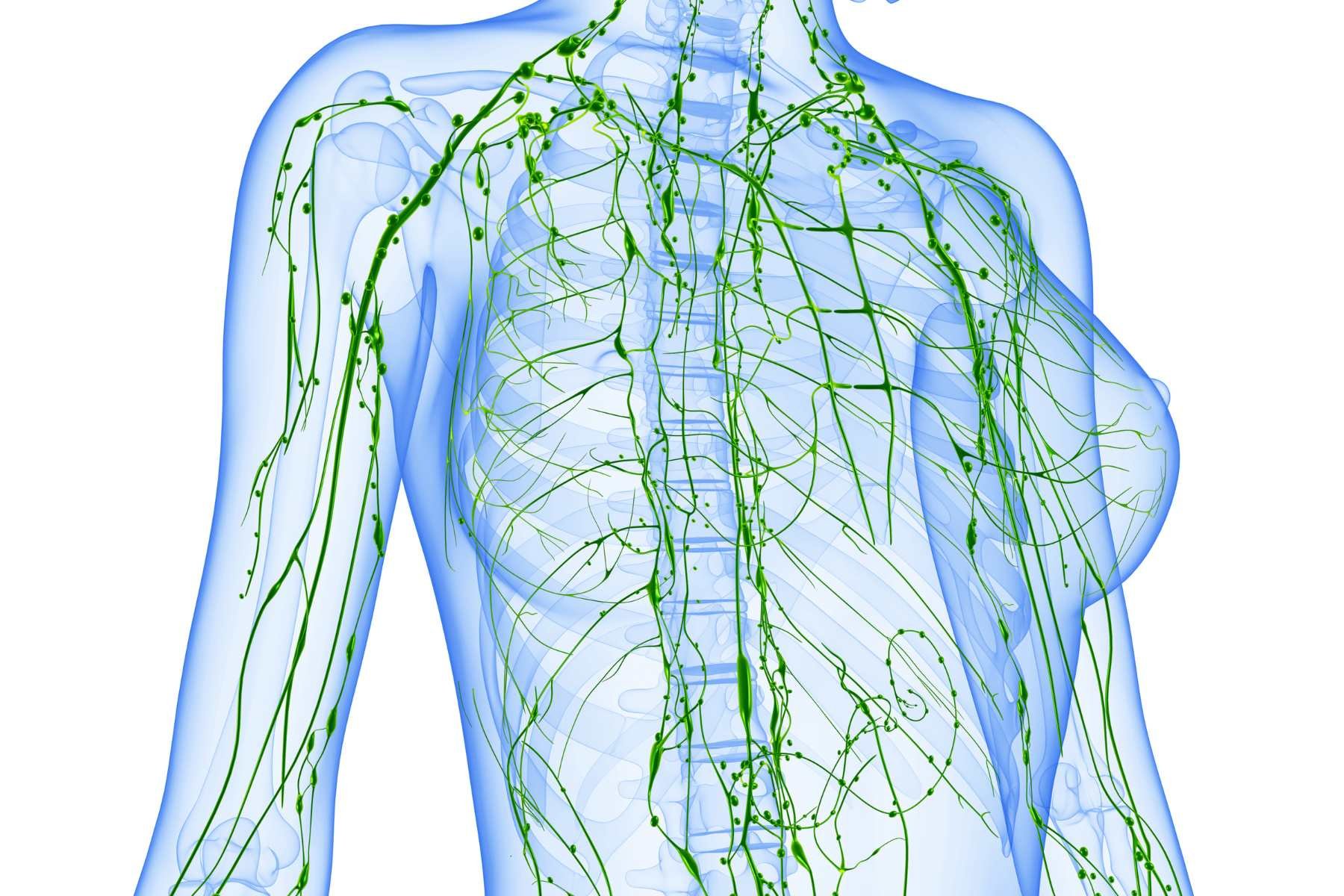
The Lymphatic System and Why Women Feel Puffy
The lymphatic system is the part almost no one talks about, and it might be the most important piece for puffiness specifically.
Your lymphatic system is a network of vessels and nodes that runs throughout your body, quietly carrying fluid, waste, and immune cells. Think of it as your body's drainage and clean up crew. It collects excess fluid that leaks out of your blood vessels into your tissues and routes it back into circulation. But unlike your circulatory system, which has the heart pumping it along, the lymphatic system has no pump. It relies on your movement, your breathing, and the squeeze of your muscles to keep fluid flowing. When you are still, dehydrated, or stressed, that flow slows, fluid pools, and you feel and look puffy.

Why Lymphatic Flow Slows Down
A handful of very ordinary, very modern habits quietly stall your lymph. Sitting all day, because without muscle movement there is nothing pushing fluid along. Dehydration, which thickens things and makes drainage harder, so less water means more retention, not less. Alcohol, which is dehydrating and inflammatory, which is why you wake up extra puffy after a night out. High sodium, which pulls water into your tissues.
Chronic stress, which keeps you tense and shallow breathing when deep breathing is one of the things that actually moves lymph. Poor sleep and a sedentary stretch round out the list.
If you suspect your drainage has been stuck for a while, read about signs of a sluggish lymphatic system here.
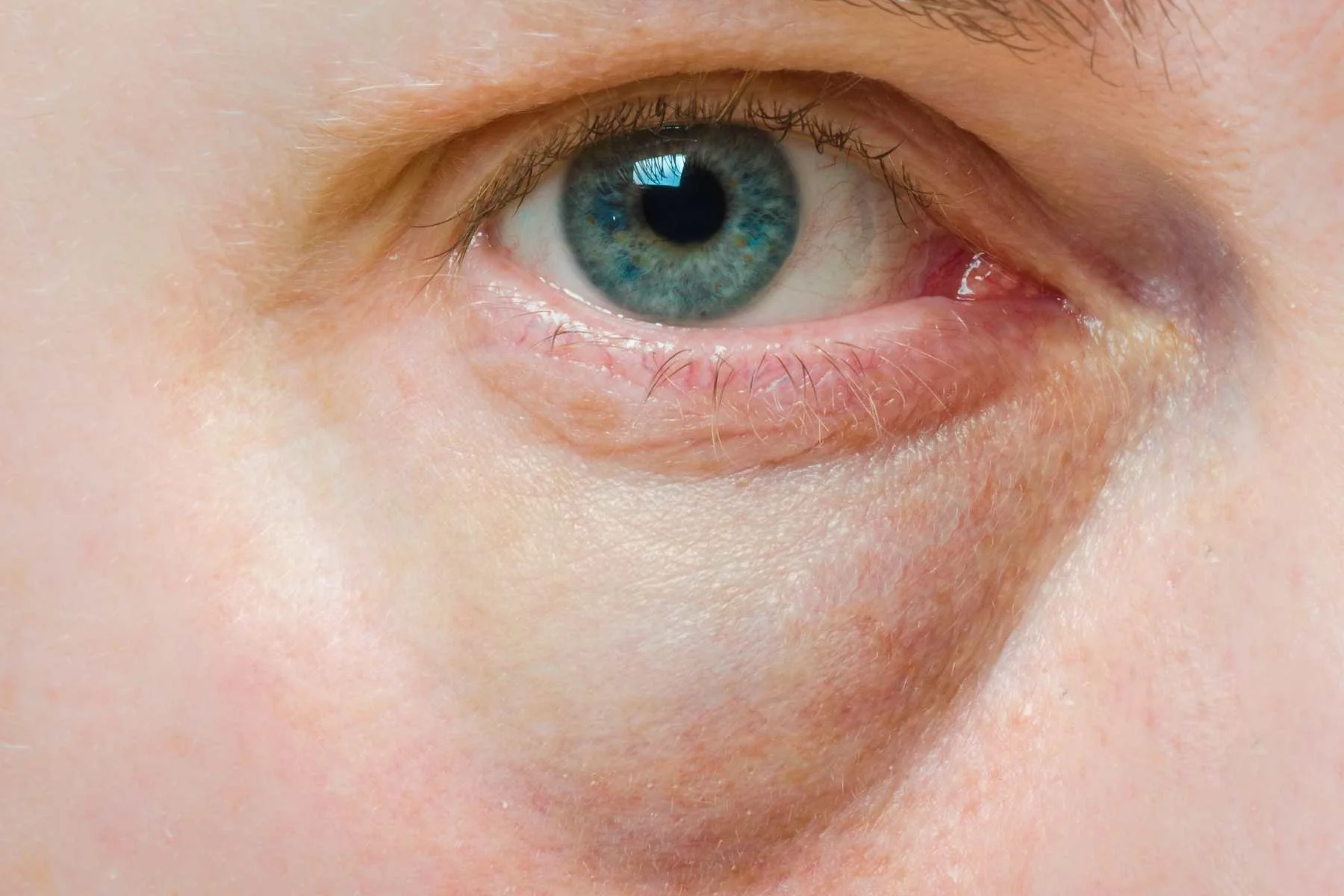
Facial Puffiness and Under Eye Bags
Morning face puffiness is lymphatic stagnation you can see. While you sleep, you lie flat and barely move for hours, so fluid that would normally drain downward settles in your face instead. The delicate tissue around your eyes holds it most visibly. Poor circulation, inflammation from the day before, salty late dinners, alcohol, and bad sleep all make it worse. The good news is that facial puffiness is usually one of the most responsive forms. A little movement, gentle lymphatic massage, hydration, and time upright, and your face deflates.
The skin clearing benefits of better drainage and elimination are real too, see our article on colonic irrigation and skin health here.
Lymphatic Drainage for Water Retention
Because lymph depends on movement and pressure, you can absolutely help it along. Manual lymphatic drainage is a gentle, specialized massage that follows the body's lymphatic pathways to encourage fluid out of congested areas toward the nodes that process it. It is light, not deep tissue, because the lymphatic vessels sit close to the surface. People often notice a flatter stomach, less swelling, and a more sculpted look afterward.
You can support drainage on your own too, with regular movement, proper hydration, gentle facial lymph massage, and time with your legs elevated. Our complete guide to lymphatic drainage in Los Angeles covers both the professional and at home sides.
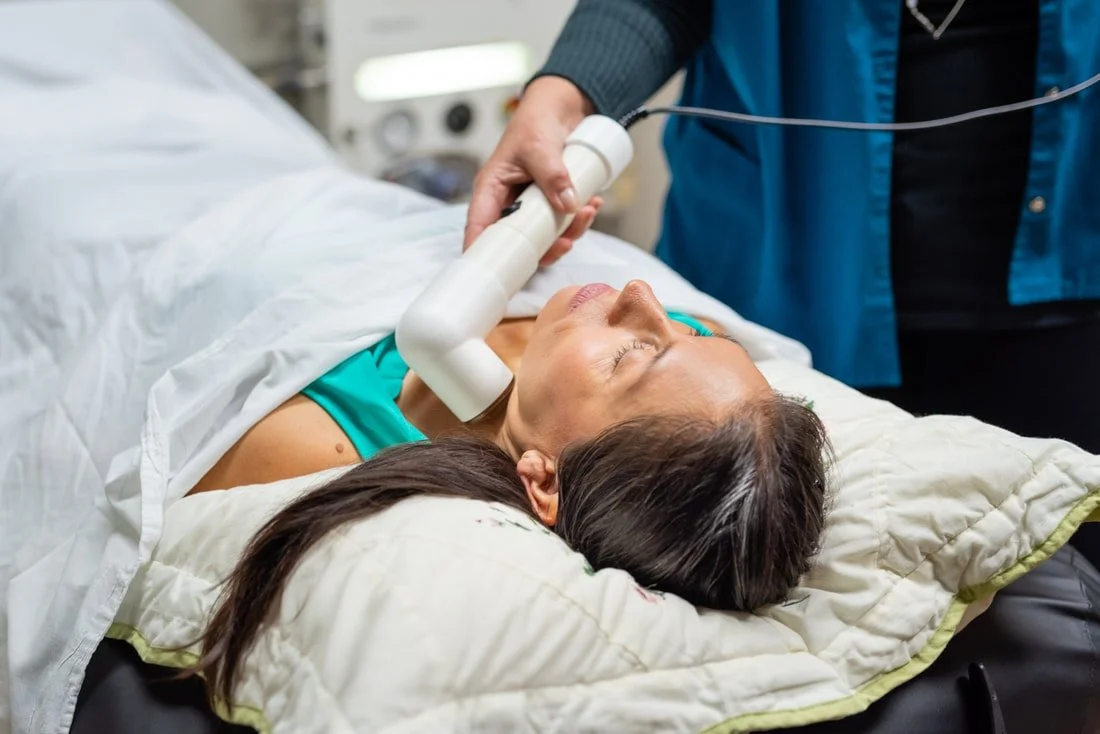
Electro Lymphatic Therapy (ELT)
When you want to take lymphatic support further, this is where Electro Lymphatic Therapy comes in, and it is one of the treatments we are best known for at Fernz Wellness.
ELT is an advanced, non invasive form of lymphatic drainage. Instead of relying on hands, it uses a combination of vibrational, light, and electrical energy to stimulate the lymphatic system and encourage fluid and waste to move. The touch is light and gentle, yet the stimulation reaches the lymph more efficiently than manual work alone, which is why many people find it noticeably more effective than a standard massage for moving stubborn fluid.
Clients commonly report reduced puffiness, less swelling, better circulation, and a more sculpted, defined appearance after a session. It is especially popular for water retention, post travel bloat, that pre and post period heaviness, and as recovery support after cosmetic procedures like liposuction, where reducing swelling is part of healing.
A session is calm and easy. You lie down, the treatment runs around 45 minutes, and most people find it deeply relaxing, often because the gentle, rhythmic stimulation helps shift your nervous system into a calmer state. As for expectations, this is not a single magic fix. You will likely feel lighter and look less puffy right away, but the bigger benefits come from consistency and from pairing it with hydration and movement.
The women who benefit most tend to be those dealing with chronic puffiness, water retention, sluggish lymph, or recovery.
You can read more on our lymphatic drainage service page.
The Salt, Sleep, and Cortisol Triangle
If you want to understand your day to day puffiness, watch these three together, because they feed each other constantly.
Sodium, Alcohol, and Water Retention
Sodium is the obvious one. Salt pulls water into your tissues, so a salty dinner shows up as a puffier face and tighter rings the next morning. You do not need a no salt life, you need balance, and you especially want to ease up late at night when your body is about to lie still for hours. Potassium rich foods like leafy greens, avocado, and bananas help offset sodium. Alcohol belongs here too, since it dehydrates you, disrupts sleep, and ramps up inflammation, a near perfect recipe for waking up swollen and holding extra water retention.
Sleep, Cortisol, and Hormone Balance
Poor sleep raises cortisol, and elevated cortisol promotes fluid retention and inflammation and nudges your hormone balance off track, which is why a few bad nights can leave you looking puffy even when your eating has not changed. We unpacked this link in our article on sleep and gut health. The thread running through all of it is your nervous system. A genuine evening wind down, dimmer lights, slower breathing, less late night sodium and alcohol, is one of the most effective depuffing tools you have, and it costs nothing.
ELT, Gua Sha and Dry Brushing
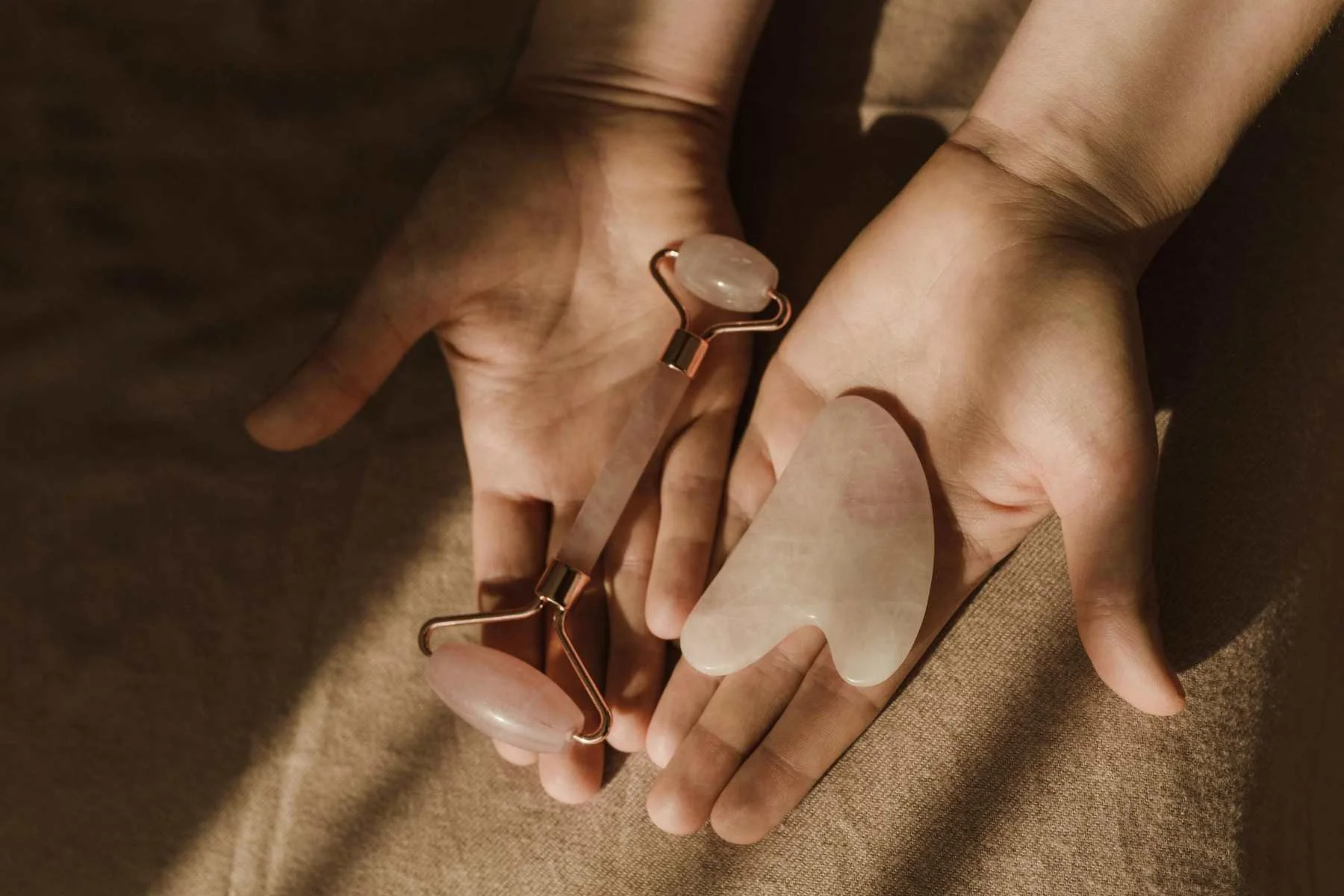
Gua sha, gliding a smooth stone along your face and neck, can give a temporary depuffing effect by moving surface fluid. Dry brushing, sweeping a stiff brush over the skin before you shower, lightly stimulates circulation and surface lymph. Facial massage and rollers do something similar, a small, short lived nudge to drainage. All of these are genuinely useful, with two honest caveats. The effect is gentle and short lived, and it depends almost entirely on consistency. A gua sha session once a month does very little, but two minutes most mornings adds up.
Professional ELT works on a different level, reaching the lymphatic system more deeply and across the whole body, not just the surface of your face. So the smart framing is not ELT versus your face roller, it is both. Use your daily tools to keep things ticking over, and lean on professional treatments when you want a deeper reset. The two together beat either one alone.

A Daily Debloat and Depuff Routine
Here is how all of this comes together in a real day. None of it is complicated, and you don't need to do every single thing. Pick what fits your life and build from there.
Morning
Start with a large glass of warm water to rehydrate and gently wake up digestion. Move your body, even five to ten minutes, because movement gets your lymph flowing after a still night. Spend a minute or two on gentle facial lymph massage or a roller to drain overnight puffiness. Build breakfast around protein to keep blood sugar steady and curb the cravings that lead to salty snacking later. And get some morning sunlight if you can, since it helps set your sleep and stress rhythms.

Daytime
Keep sipping water steadily rather than chugging it all at once. Break up long sitting with short walking breaks to keep fluid moving. Lean on whole foods and produce rather than ultra processed options loaded with sodium, and get fiber in across your meals. Find small ways to lower the stress dial, a few slow breaths or a short walk outside, anything that signals safety to your nervous system.
Evening
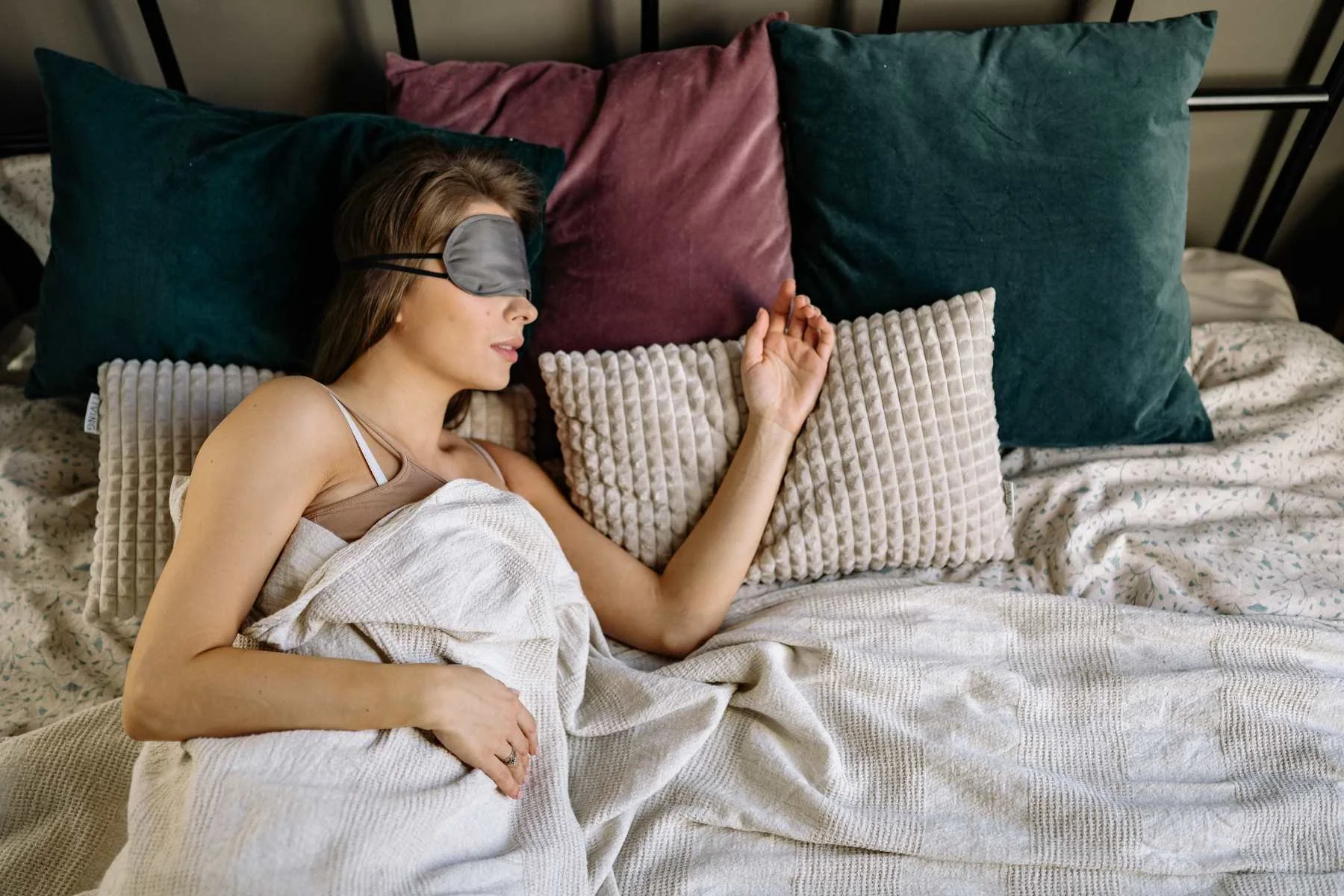
This is your wind down. Magnesium, from food or a supplement, supports muscle relaxation, calm, and regularity. Ease off heavy sodium and alcohol late so you are not setting up morning puffiness. Try legs up the wall for a few minutes to let gravity drain fluid out of your lower body. And protect your sleep with a real routine, dimmer lights, screens down earlier, a consistent bedtime.
Weekly and Monthly Resets
A regular ELT session helps move stubborn fluid and works beautifully before a big event or after travel. And colon hydrotherapy can be a helpful reset when digestion feels backed up after a heavy stretch. Treat these as supportive maintenance.
Hidden Causes of Puffiness Most Women Overlook
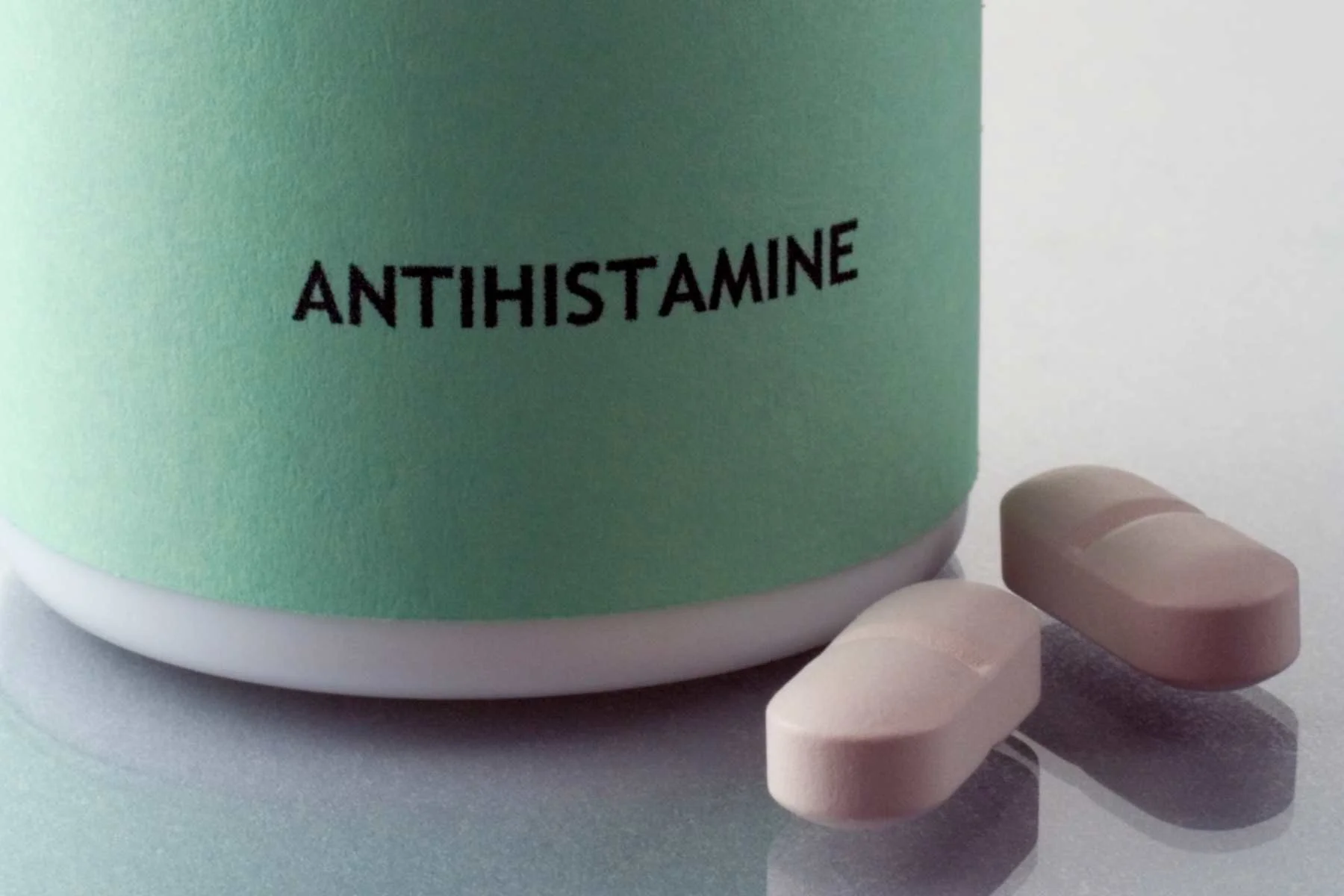
Antihistamines, the allergy medications many people take daily, can contribute to fluid retention for some women. Dehydration, again, because an underhydrated body holds onto water rather than releasing it. Ultra processed foods, quietly loaded with sodium even when they do not taste especially salty. Food sensitivities you have not pinned down, which can drive inflammation and bloat from foods that look perfectly healthy.
There are physical ones too. Excessive cardio can spike cortisol and inflammation and leave some women puffier rather than leaner, especially when paired with under eating and poor recovery. Poor posture compresses the very pathways your lymph and circulation rely on.
Mineral imbalances, particularly low potassium or magnesium against high sodium, tip you toward retention. And chronic mouth breathing, often a sign of disrupted sleep, can leave your face puffier in the morning. Most of these can get missed.

When Bloating or Puffiness Might Be Medical
Almost everything in this article is about the everyday, fluctuating puffiness that comes with being a woman with hormones, a gut, and a busy life. But please get evaluated by a medical professional if you notice sudden or severe swelling, especially in one limb or your face, unexplained weight changes, persistent or worsening digestive symptoms, ongoing pain, or swelling that pits when you press it and does not resolve. Puffiness can sometimes point to thyroid hormone issues, kidney or heart concerns, or other conditions that genuinely need attention.

Fernz Wellness - Los Angeles Lymphatic Drainage & Colon Hydrotherapy
Learn more about us here and contact us today to discover how our services can be a vital part of your journey to optimal health. Our address is 5486 Wilshire Blvd. Los Angeles, CA 90036 and you can also contact is by calling or texting us at (424) 281-9366.
Conclusion
Bloating, water retention, and puffiness are not three random problems, they are one connected story. Your hormones, your gut health, your stress, and your lymphatic system are all talking to each other, and when one is off, the others feel it.
That is actually good news, because it means you have more than one lever to pull. Support your gut with fiber, hydration, and good elimination. Keep your lymph moving with daily movement and drainage. Protect your sleep, manage your stress, and balance your sodium. All of it compounds. The women who feel best are not chasing quick fixes, they are supporting their bodies consistently and understanding the root causes instead of fighting the symptoms.
At Fernz Wellness in Los Angeles, we help women feel lighter and less puffy through Electro Lymphatic Therapy and colon hydrotherapy If you are in LA and ready to feel more like yourself, we would love to help.
FAQ’s
Why is my face puffy in the morning?
Overnight, you lie flat and still for hours, so fluid that would normally drain with gravity settles in your face, especially around the delicate eye area. Salty dinners, alcohol, poor sleep, and inflammation make it worse. It usually eases once you get upright, move, hydrate, and do a little gentle facial lymph massage.
Is my bloating hormonal or gut related?
Often it is both. If your bloating reliably worsens in the week before your period, hormones are clearly involved. If it shows up after certain foods or alongside constipation regardless of your cycle, your gut is a bigger player. For most women it is a blend, and the daily habits that support gut health and lymphatic flow help with both.
Does lymphatic drainage help with water retention?
Yes. Your lymphatic system clears excess fluid from your tissues, and it relies on movement and stimulation to do its job. Lymphatic drainage, whether manual or through Electro Lymphatic Therapy, encourages that fluid to move, which is why many people feel lighter and look less swollen afterward.
Can hormones cause facial puffiness?
They can. Estrogen and progesterone influence how much water and sodium your body holds, so hormonal shifts during your cycle, in perimenopause, or under stress can leave your face looking fuller and puffier than usual.

Does ELT help with bloating?
ELT primarily supports fluid movement and lymphatic flow, so it is especially helpful for water retention, all over puffiness, and that heavy, swollen feeling. For purely digestive, gas type bloating, gut focused habits matter more, though many women find a combined approach works best.
How fast can I debloat before an event?
In a day or two you can make a real difference. Lower your sodium and skip alcohol, hydrate well, move and walk, do gentle lymphatic massage, sleep, and consider a lymphatic drainage or ELT session a day or two ahead. You will not change your body overnight, but you can absolutely look and feel less puffy.
What are the signs of an unhealthy gut?
Common signs of an unhealthy gut include frequent bloating, gas, constipation or irregular digestion, food sensitivities, low energy, and skin that looks puffy or inflamed. Poor gut health can also make hormonal symptoms worse around your period. Gut dysbiosis, an imbalance in your gut bacteria, is often behind these patterns, and improving gut health tends to ease them over time.
Does gut health affect hormones other than estrogen?
Yes. The gut influences far more than estrogen. It plays a role in metabolism, insulin and blood sugar regulation, thyroid hormone activity, and the breakdown of other steroid hormones. A healthy gut supports the enzymes and microbial activity involved in hormone production, which is why gut and hormone health are so closely linked across women's health.
Does gut health change during menopause?
Yes. Estrogen levels decline through perimenopause and menopause, and that shift can change your gut microbiome composition and how your gut behaves. Many women notice more bloating and slower digestion in this window. Supporting a healthy gut with fiber, hydration, and movement can help steady things as your hormone levels change.

Additional Resources
What Does the Lymphatic System Do? Learn Its Function & How It Works - Cleveland Clinic
Stress & the gut-brain axis: Regulation by the microbiome – National Library of Medicine
Leaky Gut Syndrome: What Is It? - WebMD
Feed your gut - Harvard Health
The Gut-Brain Axis: Influence of Microbiota on Mood and Mental Health - National Library of Medicine
How Your Lymphatic System Works
Prebiotics: Definition, Types, Sources, Mechanisms, and Clinical Applications - National Library of Medicine
The impact of acute and chronic stress on gastrointestinal function – The Journal of Physiology.
Colon Cleanse: What You Need to Know - Healthline
*The services provided by Fernz Wellness are intended for general wellness and educational purposes only. They are not designed to diagnose, treat, cure, or prevent any medical condition. Please consult with a healthcare provider before starting any new treatment or wellness routine. Results may vary.