Colon Hydrotherapy After Travel, Stress, or Diet Changes
Book your colon hydrotherapy session in Los Angeles after travel, stress, or diet changes. Holistic colonics for wellness in LA and Santa Monica.

After a long trip, a brutal few weeks at work, or a stretch of eating things you wouldn't normally touch, your digestive system is usually the first place to wave the white flag. Bloating that won't quit, feeling sluggish no matter how much sleep you get, irregular bowel movements that leave you uncomfortable and frustrated, that general heaviness that just sits with you, these are not random, they are signals.
At our wellness studio here in Los Angeles, we see this pattern constantly. Clients come in after returning from vacation, after the holidays, after a stressful time at work, and they all describe a version of the same thing. They feel off. Not sick enough to see a doctor, but not well enough to feel like themselves either. And more often than not, the root of what they're feeling starts in the gut.
What most people don't realize is that travel, stress, and diet changes are actually the three biggest triggers for digestive disruption that we see in our practice. And what makes it even more complicated is that they almost always overlap. You go on a trip, you eat differently, you drink more than usual, you sit on a plane for hours, you come home jet-lagged and stressed about everything that piled up while you were gone. By the time you walk back through your front door, your gut has been through a lot.

The gut and the brain are in constant communication, which means that what happens in your mind affects your digestion, and what happens in your digestion affects your mind. Stress hormones, particularly cortisol, directly slow down the muscles in your colon that move waste through your system.
Disrupted sleep from travel throws off your body's natural elimination rhythm. A week of eating processed food creates an inflammatory environment in the colon that takes time to calm down. None of these things happen in isolation, and that is exactly why a targeted approach like colon hydrotherapy can make such a meaningful difference.

Travel, Stress, and Diet Changes Hit Your Digestive System
Your digestive system loves rhythm. It loves predictability. It loves waking up at a similar time, eating at similar times, and using the bathroom at similar times. When you travel, especially across time zones, that rhythm gets completely scrambled.
Circadian rhythm is not just about sleep, it also directly affects digestion. After a long flight, your body clock is confused. You might be eating when your system expects to be resting. You might be trying to sleep when your digestive tract is used to processing food. That mismatch slows motility, which is just the natural wave-like movement of the colon that pushes waste material along. In our hydrotherapy sessions, we often ask clients about sleep before we even ask about food, because the colon responds to routine more than most people realize.
Then there is something nobody talks about enough, the bathroom factor. When you are in an unfamiliar place, a hotel, an airport, a friend's house, many people subconsciously hold it. They ignore the urge to go because they have bathroom anxiety. When you repeatedly suppress that signal, the colon starts to adjust. Stool sits longer, more water gets absorbed, and it becomes harder and more difficult to pass. What began as one held bowel movement can quietly become constipation within just a few days.
How Food Shifts Change Everything
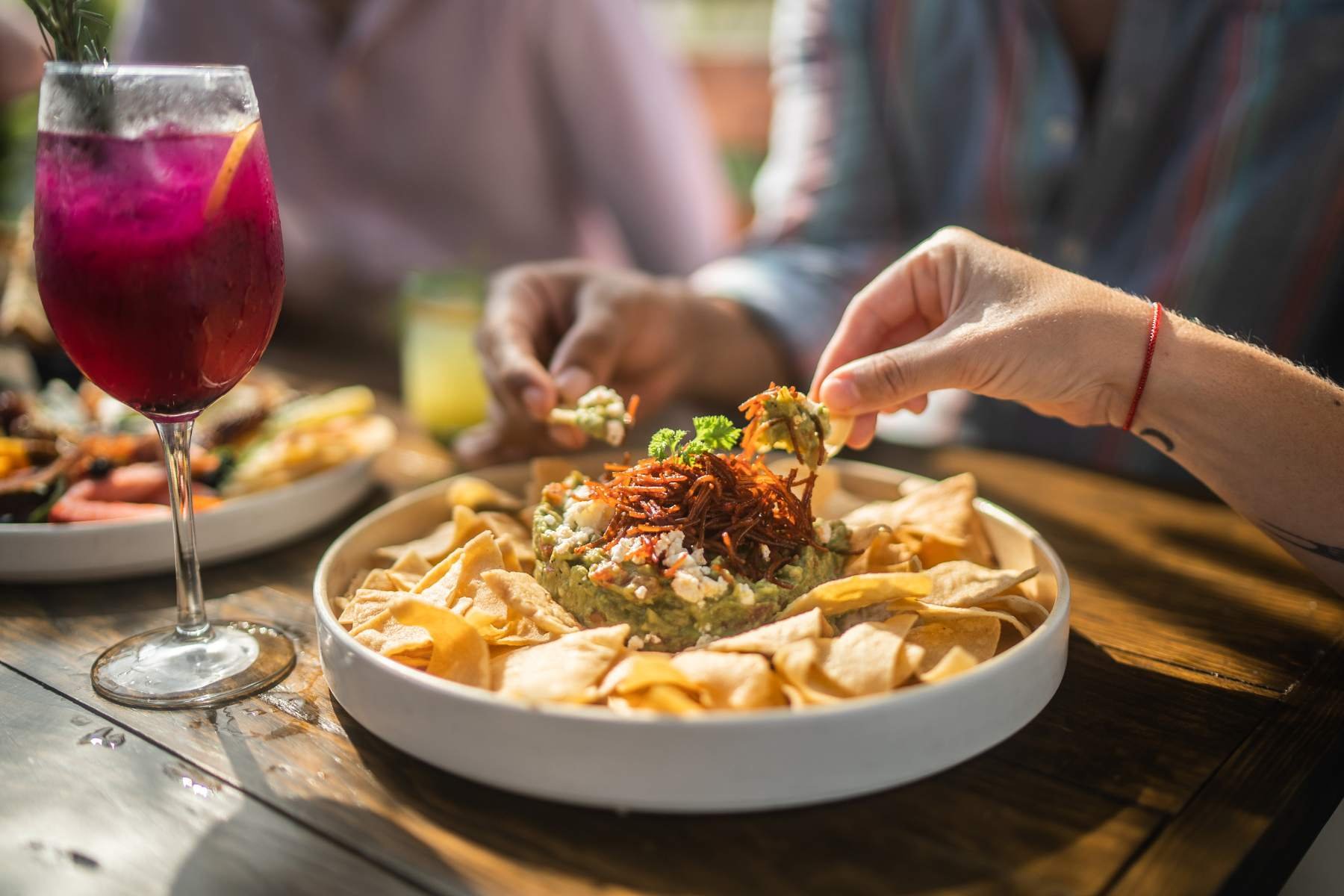
Travel almost always comes with saltier meals, restaurant portions, airplane snacks, and ingredients you aren't used to. Salt pulls water, so when your body is holding onto extra sodium, less water stays in the stool, making it firmer and harder to pass. At the same time, fiber intake usually drops when you're away from your kitchen and reaching for convenience options instead of vegetables and whole foods.
Alcohol and coffee in larger amounts than usual are dehydrating. Sugar can irritate the digestive system for many people, especially those who are sensitive. We see this constantly with clients who notice more bloat or skin issues like acne after a vacation.
Even healthy diet shifts can cause disruption. Starting a high protein plan without increasing hydration can slow digestion significantly. Jumping into high fiber eating too quickly creates gas and bloat. New supplements like iron, certain protein powders, or vitamins can all alter stool texture and frequency. The colon does not judge whether a change is good or bad. It simply reacts to what is different.

The Bloat and Constipation Loop
If you have ever said, I feel full but nothing is moving, you know this loop. Stool sits longer in the colon, gas builds up, your tummy feels tight and uncomfortable, and that discomfort creates more tension, which slows movement further. Some clients tell us they are going, but it doesn't feel complete. That sensation of incomplete elimination is incredibly common after travel or stress, and it can make you feel heavy all day.
See more on bloating and gas here.

Quick Self Check, Is This Normal Adjustment or a Red Flag
Most post-travel or post-stress digestive changes are temporary. Irregular bowel movements for a few days, mild bloat, feeling a bit sluggish, these are common adjustment responses and the body often recalibrates within several days once routine returns. If someone just got back from a trip two days ago, we might first encourage hydration, gentle walking, warm fluids in the morning, and fiber from real food before recommending a colonic hydrotherapy appointment.
Red Flags That Should Not Be Brushed Off
There are clear signs that fall completely outside the scope of a wellness treatment. Severe or persistent abdominal pain, fever, vomiting, black or tarry stool, visible blood in the stool, fainting, or sudden unexplained weight loss are not things we address with a colon cleanse. Those require medical evaluation, and we will always refer you out immediately if anything like that comes up.
A colon hydrotherapist should never attempt to override warning signs. Colon hydrotherapy is a supportive therapy, not a replacement for medical care. Knowing when not to offer a treatment is just as important as knowing when to. That is something we feel strongly about, and it is part of what makes working with a properly trained practitioner so different from going somewhere that just books appointments without asking questions.

What Happens During a Colon Hydrotherapy Session
A colon hydrotherapy session, sometimes called a colonic or colonic hydrotherapy, involves the gentle introduction of warm, filtered water into the colon through a small, single-use disposable speculum. The water flows in slowly, softens waste material that may have been sitting in the colon, and then flows back out along with gas, old residue, and anything else your body is ready to release.
We use open system colonics at our studio, which means you have control during the session and the process feels far more comfortable and private than most people expect. The open system allows waste to release naturally, without pressure, and clients regularly tell us afterward that they wished they hadn't been so nervous beforehand because it was much more manageable than they imagined. Some people experience mild cramping, especially if there is a lot of gas or compacted waste, but that kind of sensation is usually a sign that things are moving and it passes quickly.
Read more about LIBBE open system colon hydrotherapy here.

What We Observe That Most People Don't Know About
One thing that genuinely doesn't get talked about enough is what a trained colon hydrotherapist actually observes during a session. The color of what comes through, the amount of gas, the texture of what is being released, all of it gives us incredibly useful information about what is happening inside your gut. From our experience, we can often tell if someone has been eating a lot of sugar, if there is significant gas buildup from a recent diet change, or if the colon seems sluggish and underhydrated.
This is information that helps us guide the session in real time and offer the kind of personalized care that goes beyond just irrigation. It is one of the things that makes working with an experienced practitioner so different from anything you could do on your own. A typical hydrotherapy session lasts around 45 minutes to an hour, and every component that comes into contact with your body is sterile and disposable. Safety and cleanliness are genuinely non-negotiable for us.
What a Plane Actually Does to Your Digestive System
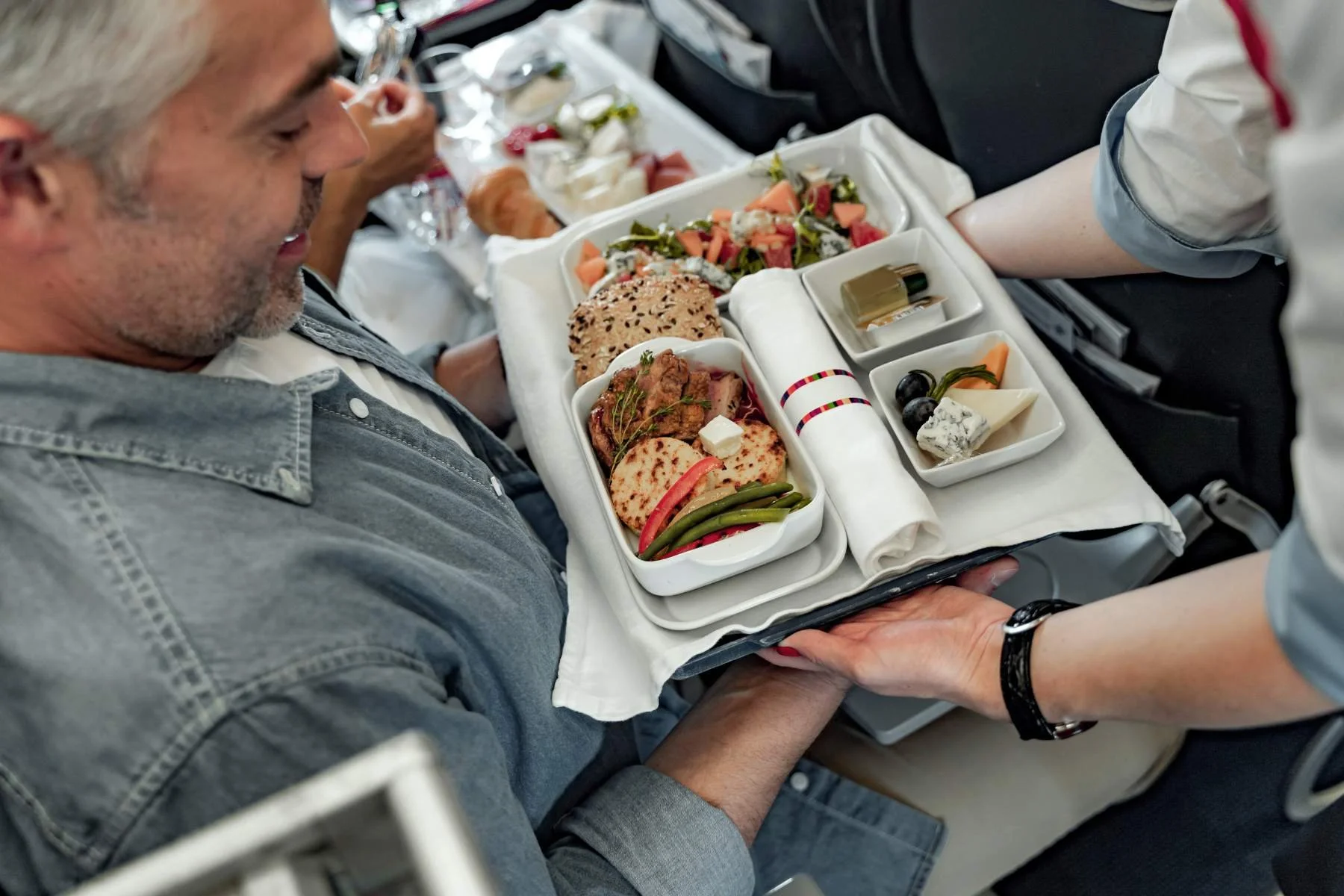
If you have ever stepped off a long flight feeling puffy, heavy, constipated, or strangely exhausted even though you technically just had a vacation, you are not imagining things. When you are on a plane, the cabin pressure is lower than it is on the ground, which causes gas in your digestive system to expand. That is why you feel so bloated mid-flight. Airplane air is also extremely dry, which pulls hydration from your body and directly affects how well your colon can move waste through. You are also sitting still for hours, which compresses the colon and slows the natural movement that keeps things flowing.
Then there's the food situation. Airport meals, in-flight snacks, the indulgence of vacation eating, late dinners in new time zones, more alcohol than usual, less water than usual, every single one of those things adds to the load your colon is trying to process. And here is something that surprises nearly every client when we mention it, when you cross time zones, your entire internal clock gets disrupted, including your elimination schedule. Your colon doesn't know what time it is. When that elimination rhythm is thrown off for even a few days, waste can start to compact, gas gets trapped, and that heavy feeling takes hold fast.

The Morning Reset Trick We Swear By for Post-Travel Recovery
The morning after you return home, before you do anything else, the trick is to drink a warm glass of water or herbal tea and take a short walk. Movement combined with warmth sends a direct signal to your colon to wake up and activate. It sounds simple because it is, and it works remarkably well as a first step.
Gentle abdominal breathing is another trick. Place your hand on your lower abdomen, breathe in deeply so your belly expands outward, then exhale slowly and completely. This stimulates the nervous system in a way that supports elimination and costs absolutely nothing.
Travel Constipation vs. Traveler's Diarrhea, One Approach for Both
Travel constipation and traveler's diarrhea are two sides of the same coin, both driven by disrupted gut rhythm, altered bacteria exposure, and stress on the system. Both respond well to colon hydrotherapy, though the approach within the session looks different for each.
If your gut has been reactive and loose during travel, a session helps calm the inflammatory environment in the colon and encourages regulation. If you have been constipated, the gentle irrigation begins to soften and release what has been sitting.

The Stress-Gut Connection Nobody Talks About Enough
Stress is one of the sneakiest gut disruptors there is, because most people never connect a stressful few months to the fact that they've been bloated, constipated, or dealing with IBS-like symptoms that seem to appear out of nowhere.
When your body perceives stress, it floods your system with cortisol. Cortisol is useful in genuine emergencies because it reroutes blood flow to your muscles and brain. But your digestive system is not considered essential in a survival moment, so blood flow gets diverted away from it. When this happens occasionally, your gut recovers.
When it happens constantly because of chronic work stress, relationship strain, or financial pressure, your colon starts to struggle. Motility slows down, waste sits longer, gas builds, and the environment in the gut becomes unbalanced.
Something else worth knowing is that stress and sugar intake together are a particularly problematic combination. Stress drives cravings for sugar and processed carbohydrates, and those foods feed the kinds of bacteria and yeast in the gut that create more gas, more bloating, and more inflammation. It becomes a cycle that is genuinely hard to break without some support.
Read more about irritable bowel syndrome here.

Colon Hydrotherapy as a Body and Mind Reset
What we love about colon hydrotherapy as a tool for stress recovery is that the session itself activates your body's rest-and-digest mode. Clients who come in wound up and anxious often walk out looking like a completely different person. Lighter, clearer, and noticeably more relaxed.
When the colon is cleaner, less metabolic waste is being reabsorbed into the bloodstream, and that has a direct effect on how your brain feels. The body and mind connection is real, and we see it in the treatment room every single day.
For clients who have been under chronic stress for months, we always have an honest conversation about expectations. One session will help, but it is not going to undo six months of a stressed-out gut in 45 minutes. That is where our packages come in, because a series of sessions combined with guidance around nutrition and lifestyle gives the body the repeated support it needs to actually shift into a real healing process.
After Diet Changes, Holiday Eating, Cleanses, and the In-Between
Holiday eating, celebration seasons, long vacations filled with rich food, excess sugar, alcohol, and fewer vegetables than usual, all of that creates a slow, inflamed, sluggish colon. The liver, which works closely with the digestive system, can become overburdened when fat intake spikes suddenly.
And when the liver is working overtime, the lymphatic system, which runs alongside the digestive tract, also gets congested. The result is that you feel heavy, puffy, foggy, and like no amount of green juice is making a dent in how you feel.
Read more about digestive health here.
After a Cleanse, Yes, You May Still Need a Colonic
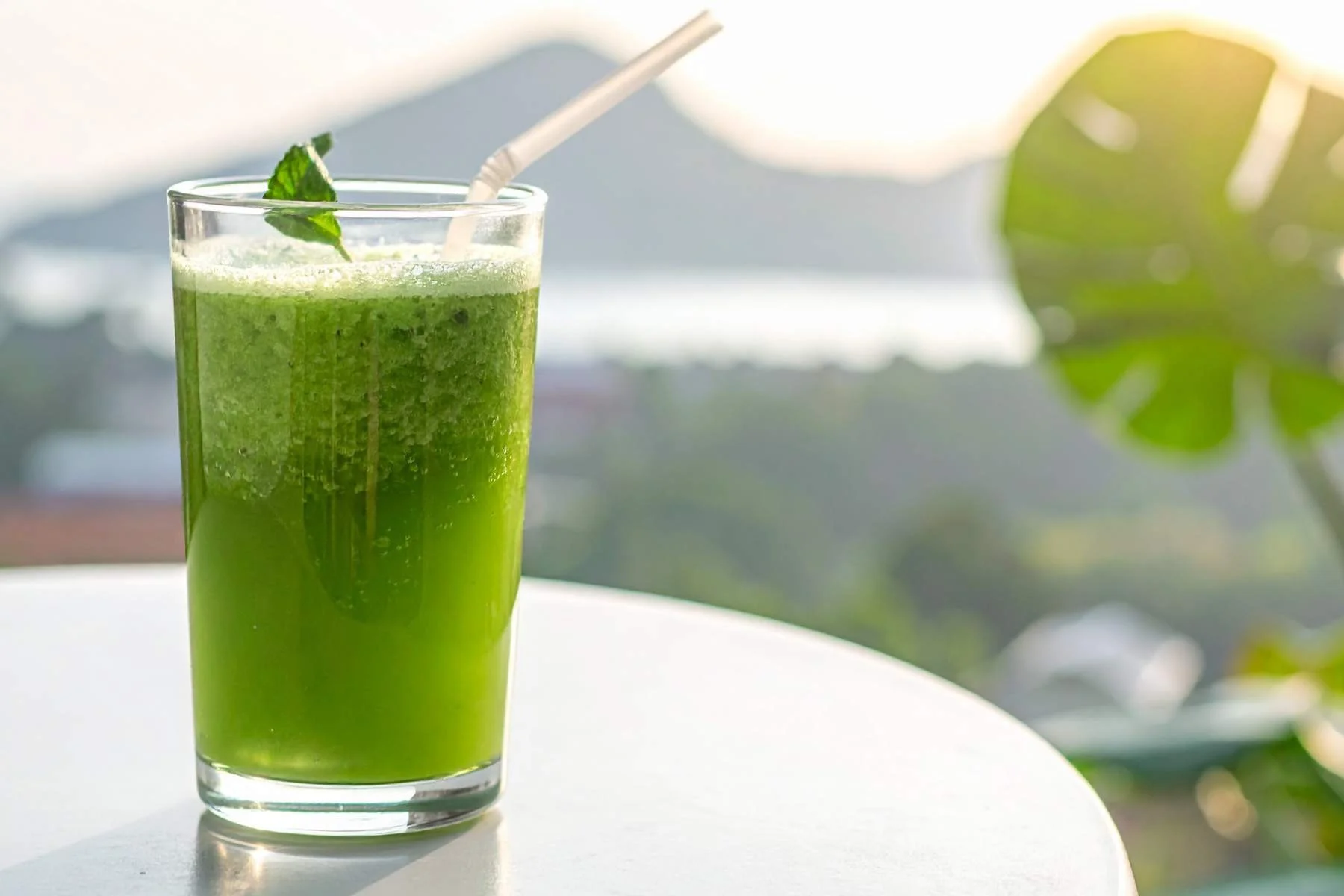
If you have recently done a juice cleanse or an elimination diet hoping to reset, you may still have quite a bit of residue in the colon that the cleanse didn't fully address. Liquid cleanses are wonderful for giving the digestive system a rest and flooding the body with nutrition, but they don't always do a thorough job of physically moving old, compacted waste out of the colon.
We regularly see clients who have just finished a multi-day cleanse and are genuinely amazed by how much a colon hydrotherapy session still releases. It is not a reflection of the cleanse failing, it is simply that the colon sometimes needs a different kind of support to fully empty.
On the opposite end, elimination diets that remove too many foods without careful attention to hydration and fiber balance can sometimes cause constipation. The gut microbiome, which is the complex community of bacteria living in your digestive tract, needs time to adapt to a new way of eating. During that adaptation period, bloating, cramping, and irregular bowel movements are very common, and colon hydrotherapy can ease the transition beautifully.

Sudden Diet Changes and Gastrointestinal Distress
Switching to a high-fiber diet too fast, going keto, dramatically increasing protein, cutting out gluten suddenly, all of these cause gut disruption even when the intention behind them is good. High protein intake without increasing hydration is one of the most common causes of constipation we see in our studio. People are doing everything right nutritionally and still feel backed up, and the answer is almost always more water and more consistent fiber from whole food sources alongside whatever plan they are following.
Supplements are another piece worth mentioning here. Iron is well known for causing constipation. Certain forms of magnesium loosen stool. Protein powders can cause bloating depending on ingredients. If you have recently added something new to your routine and your digestion has changed, that is the first place to look.
Read more about constipation relief here.
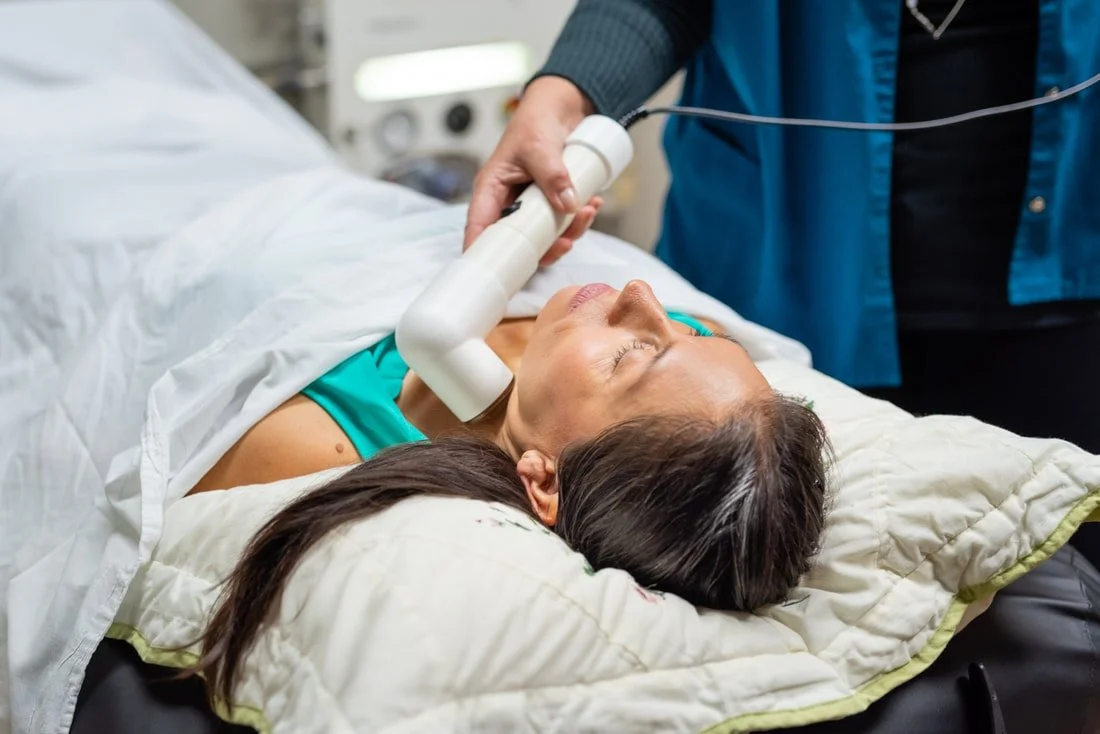
Colon Hydrotherapy and Lymphatic Drainage
If colon hydrotherapy is the foundation of a gut cleansing protocol, electro lymphatic drainage is the upgrade that takes everything to another level. The colon and the lymphatic system are deeply connected in ways that most people have never been told. Your lymphatic system is essentially your body's internal drainage network. It collects cellular waste, inflammatory byproducts, and excess fluid from throughout the body and carries it toward your elimination organs.
The challenge is that the lymphatic system has no pump of its own, unlike the cardiovascular system, which has your heart. It relies on movement, breath, and the health of surrounding organs to keep flowing. When your colon is congested and slow, the lymphatic vessels that run alongside your digestive tract slow down too.
Skin issues are one of the most telling signs of this combined congestion. Acne, psoriasis flares, persistent dullness, puffiness in the face and body, these are all things we have seen improve significantly when clients address both their colon and lymphatic health together. When the primary elimination pathways are backed up, the skin very often picks up the slack, and no amount of topical skincare will fix something that is coming from inside.
Read more about lymphatic health here.

What Electro Lymphatic Drainage Does
Electro lymphatic drainage uses gentle, non-invasive technology to stimulate lymphatic flow throughout the body. It is deeply relaxing, completely painless, and remarkably effective at moving stagnant fluid and waste that has accumulated in the tissues. After travel especially, when your body has been sitting, dehydrated, and working hard to process everything, combining a lymphatic drainage session with colon hydrotherapy gives your system a genuinely comprehensive reset that you can feel.
Sometimes stress doesn't just show up in digestion. It shows up as feeling puffy, sluggish, heavy in the limbs, or mentally foggy. In those cases, combining colon hydrotherapy and lymphatic drainage as part of a single wellness plan addresses both sides of that experience.

Before and After Your Session
Preparation makes a real difference in how productive and comfortable your colon hydrotherapy session is, and it doesn't need to be complicated. In the two days before your appointment, choose foods that are easy to digest. Simple meals, cooked vegetables, moderate protein, fruits you tolerate well, lighter grains if you eat them. Avoid very heavy, greasy, or ultra-processed meals, which can increase cramping and discomfort during the colonic.
One specific thing we ask clients to avoid before a session is raw cruciferous vegetables, so broccoli, cauliflower, cabbage, and Brussels sprouts in the day or two leading up to the appointment. These are incredibly healthy foods, but they produce significant gas during digestion, and walking into a session with a belly full of gas makes the experience far less comfortable than it needs to be. Also avoid large meals in the four hours immediately before you arrive.

Hydrate Before Your Session
Hydration is genuinely the most important thing you can do before a colonic, and most people underestimate it. We recommend drinking at least two to three liters of water in the 24 hours before your session. A well-hydrated colon is softer, more pliable, and releases waste far more easily than a dehydrated one. After travel especially, when cabin air has pulled moisture from your body, this step matters even more.
Steady hydration throughout the day works much better than drinking a large amount at once. For some individuals, adding a small amount of electrolytes can help maintain fluid balance, particularly if they sweat a lot, recently flew, or tend to feel dehydrated easily. When the body is properly hydrated, the session is smoother, more comfortable, and significantly more productive.
After Your Session, The Recovery Window That Matters
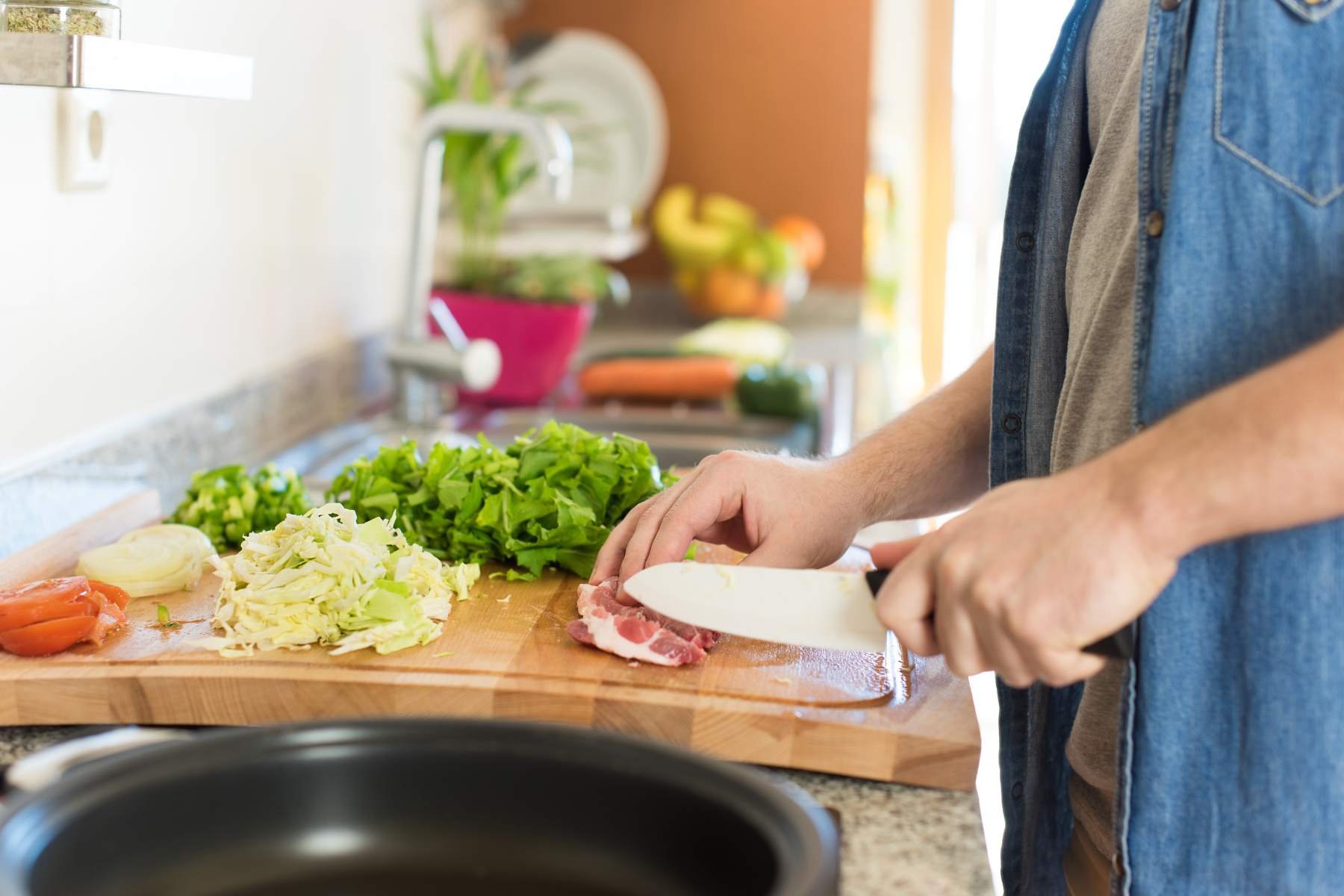
After a colon hydrotherapy session, your colon has just been through a meaningful cleansing process and it deserves gentle support. The first meal should be warm, soft, and easy to digest. Bone broth is genuinely one of the best things you can have, because it is healing for the gut lining, deeply nourishing, and easy on a system that has just been cleansed.
Warm soups, steamed or roasted vegetables, fermented foods like a small amount of quality sauerkraut or kefir, these are all excellent choices. We recommend waiting at least an hour after your session before eating.
What to Expect in the 24 to 48 Hours After
Clients respond in two different ways energetically after a session, and both are completely normal. Some people feel immediately lighter, clear-headed, and energized, almost like a fog has lifted. Others feel relaxed and a little tired, which is a sign the body is processing and integrating.
We always recommend gentle movement like a short walk, avoiding alcohol and heavy meals for at least 24 hours, and if you have access to an infrared sauna, the day after a colon hydrotherapy session is a beautiful time to use it because your body's elimination channels are already open and receptive. Go to bed a little earlier if you can. Your colon and nervous system have both done real work, and sleep is one of the best things you can give them.
Read more about how to choose the best colonics in Los Angeles here.

Why Our Clients Choose Fernz Wellness for Colon Hydrotherapy in Los Angeles
We are a boutique wellness studio, and we serve clients from across Los Angeles, from Santa Monica, Brentwood, Pacific Palisades, and Beverly Hills, to Culver City, Mar Vista, Marina del Rey, and Woodland Hills. People make the drive because of the experience, and that is something we do not take lightly. The environment at our studio is intentionally calm, warm, and spa like because we believe the setting is part of the treatment.
Your nervous system needs to feel safe for your body to truly let go, and we have built every element of the experience with that in mind.
What we hear most consistently from new clients is that they felt nervous before their first appointment and then immediately at ease once they arrived. That is not by accident. It is the result of intentional design, careful communication, and a genuine commitment to making every person feel seen, not processed.
Learn more about us here and discover how our services can be a vital part of your journey to optimal health. We look forward to supporting you on your journey to better digestive health and improved well-being.
Our wellness studio address is 5486 Wilshire Blvd. Los Angeles, CA 90036 and you can also call or text us at (424) 281-9366.

Certified, Experienced, and Deeply Invested in Your Results
Our team is certified, experienced, and passionate about colon health and lymphatic drainage in a way that goes beyond credentials. When you work with practitioners who have navigated their own gut health journeys and experienced firsthand the difference this kind of care makes, you get a quality of empathy and insight that cannot be taught in a classroom. We bring that personal understanding into every single session, and it shapes the way we listen, the way we observe, and the way we guide each treatment.
The Safety Checklist We Follow Without Exception
Before scheduling any appointment, we conduct a detailed intake. We ask about gastrointestinal history, surgeries, medications, hydration habits, pregnancy, kidney or heart concerns, and any history of inflammatory bowel disease.
See our Contraindications page here.
Is Now the Right Time for a Colonic? Here Is How to Know
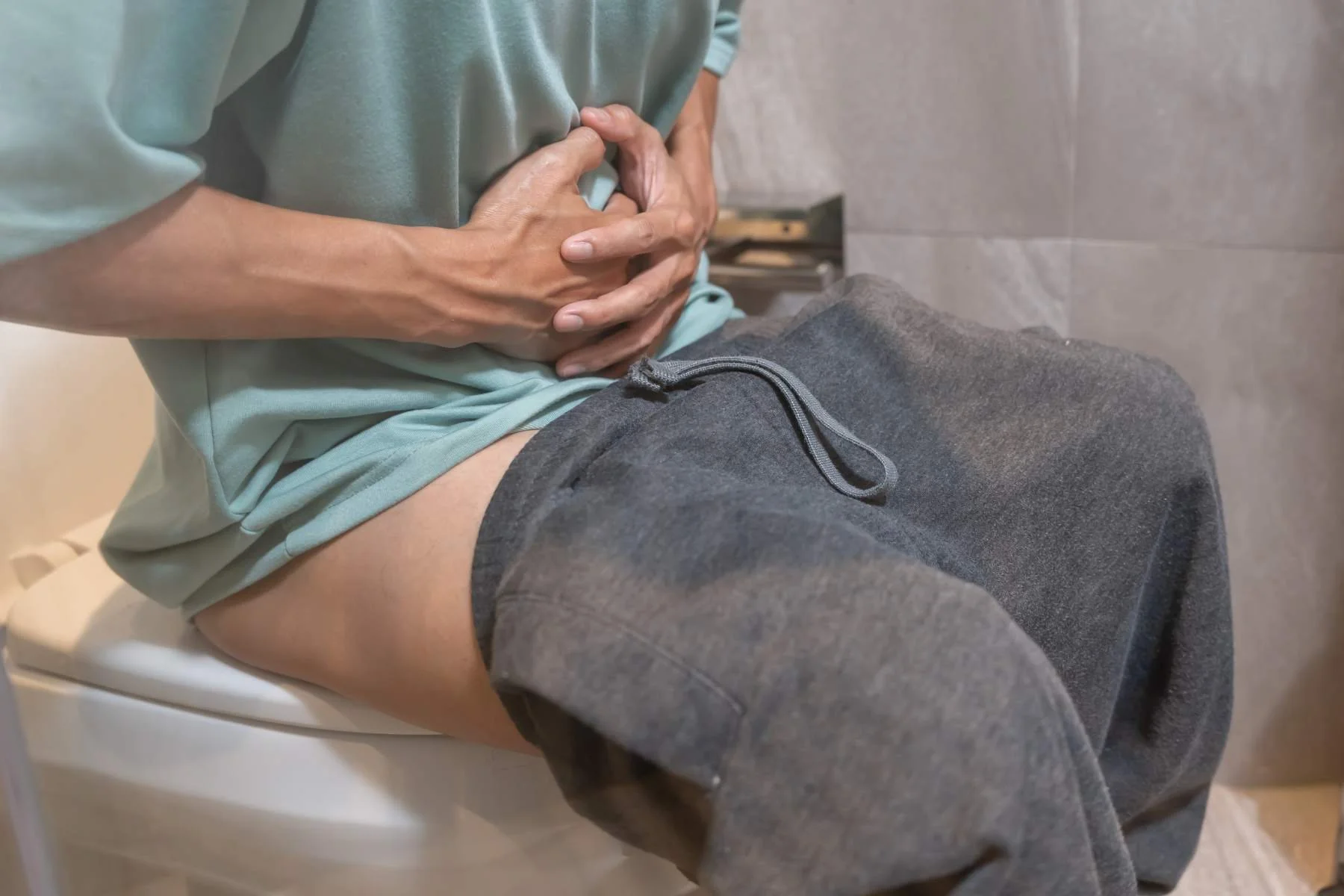
If you just got back from a trip and have been feeling puffy and sluggish since you landed, the answer is probably yes. If you have been grinding through a stressful time and your gut has been off throughout, yes. If you did a cleanse last month and still feel like something is stuck, yes. If your skin is breaking out, your energy is low, your bowel movements are all over the place, and you just generally feel like your body needs support, yes.
The truth is that most people wait longer than they should because they assume what they're feeling will just resolve on its own. Sometimes it does. But when the body has been through a significant disruption, it often needs more than time. It needs thoughtful support.
That said, if you are mildly bloated but otherwise regular, with daily comfortable bowel movements and no significant symptoms, the most helpful move might not be a colonic at all. It might be adjusting meal timing, increasing hydration, reducing salt, or adding a short walk after dinner.

Conclusion
If there is one message we hope you carry with you, it is to support your system, do not force it.
Colon hydrotherapy is not a miracle, and we will never present it as one. What it is, however, is one of the most effective, gentle, and deeply supportive tools available for helping the body return to its natural state of balance and vitality.
When combined with lymphatic drainage, nourishing food, proper hydration, intentional movement, and meaningful stress management, it becomes part of a holistic wellness practice that can genuinely transform how you feel each day.
From our experience, the most beautiful shifts happen when clients approach their colon and their overall well-being with kindness. The digestive system responds to that tone. Your body is not working against you. It is constantly adapting to travel, stress, diet changes, and life itself. When you support it thoughtfully, gently, and with respect, it almost always finds its way back to balance. We are here to help make that happen.

How to Take the First Step
We want to hear your story, understand what you have been through, and build an approach that makes sense for your body and your goals. Tell us about your travel, your stress, your diet shifts, your sleep, your skin. All of it is relevant, and all of it shapes the care we offer. From there we take it one session at a time, and we stay with you throughout the healing process.
Book your first appointment here. We genuinely cannot wait to meet you!

Common Questions We Get Asked
How often should I get a colon cleanse?
It depends entirely on your goal, your lifestyle, and how your body responds. There is no universal colonics schedule that works for everyone. If you are coming in after travel, a stressful period, or a short term bout of constipation, one to three sessions spaced a few days to a week apart is often enough to help reset your rhythm and feel great again.
If someone is working on long term digestive balance as part of a broader holistic health plan, we may tailor a more structured approach. That could mean a short initial series followed by maintenance sessions spaced further apart. The key word here is tailor.
We listen to your symptoms, your stress levels, your nutrition, and your elimination patterns before recommending anything. We never push clients into ongoing colonics they do not need.

Will it hurt?
Most people do not describe colon hydrotherapy as painful. They describe sensations of fullness, gentle pressure, or brief mild cramp like feelings. Those cramp sensations usually happen when the colon is tight, dehydrated, or holding gas. They pass quickly, especially when you breathe and relax your abdomen.
If anything feels sharp, intense, or wrong, we stop immediately. That is non negotiable. A colonic should always feel supportive, never forceful. In holistic health, the principle is to work with the body, not against it. When the session is paced properly, with warm filtered water and careful monitoring, discomfort is usually minimal and manageable.
Will it affect my gut bacteria?
A single gentle session in a healthy individual is unlikely to cause lasting disruption. We always recommend supporting your microbiome afterward through fermented foods, probiotics and fiber.

Additional Resources
The Gut-Brain Connection – Harvard Medical School
Irritable Bowel Syndrome (IBS) – Johns Hopkins Medicine
Digestive Health Overview – UCLA Health
Eating for a Healthy Colon – Rush University Medical Center
5 Things to Know About Colonic Cleanses
The Advantages of Regular Colon Cleansing – Medisential
Understanding Bowel Function and Constipation – Cleveland Clinic Lerner College of Medicine
5 Simple Ways to Improve Gut Health – Harvard Medical School