Holistic Wellness in Los Angeles
Holistic wellness in Los Angeles. Experience a modern, holistic approach to full-body health with colon hydrotherapy and lymphatic drainage treatments.

Something has shifted in the way people think about their health, and if you live in Los Angeles, you have probably felt it too. People are no longer satisfied with a ten-minute appointment that results in a prescription and a handshake. They want to understand what is actually happening in their bodies. They want to ask why. They want care that treats them as a whole person, not a collection of symptoms. And increasingly, they are finding that in the world of holistic wellness.
We see it every single day in our practice. Clients come to us after years of managing symptoms that never fully resolved through conventional medicine alone. Not because their doctors were wrong or careless, but because the system they work within is often focused on managing what is already broken rather than understanding why it broke in the first place. Holistic health asks a different question. Instead of just asking what is wrong, it asks what is out of balance, and what does this person need to come back into alignment.
The word holistic itself simply means whole. It means looking at the entire picture, your physical health, your mental and emotional state, your stress load, your nutrition, your sleep, your relationships, your environment, and understanding how all of those things interact. When one area is struggling, others feel it. When one area is supported, others benefit. That interconnection is not a theory, it is something you can feel in your own body when you start paying attention to it.

What Holistic Wellness Means
Holistic wellness is not a single therapy or a specific treatment. It is a philosophy and a framework for understanding health. The core idea is that your physical and mental health are inseparable, and that true well-being requires addressing the root causes of imbalance rather than just suppressing the symptoms on the surface.
In practice, this means that a holistic health practitioner is going to ask you about your sleep before they ask about your supplements. They are going to ask about your stress before they recommend a treatment plan. They want to understand the full context of your life, because context is everything when it comes to understanding why the body is struggling.
A headache is not always just a headache. It might be dehydration, hormonal imbalance, digestive sluggishness, tension in the neck and jaw from stress, or all of the above at once.
This whole-person approach stands in contrast to a narrower, symptom-focused model where each complaint gets its own specialist and nobody is looking at the big picture. We are not saying conventional medicine is wrong, we genuinely believe in it and rely on it for what it does brilliantly. But when you layer holistic care alongside it, something remarkable often happens.
Symptoms that never fully responded to conventional treatment alone begin to shift. People feel better in ways they did not expect, and they start to understand their bodies in a way they never did before.
Read more about holistic healing here.

The Difference Between Holistic, Integrative, and Alternative
These three terms get used interchangeably all the time, and they are actually quite different. Understanding the distinction helps you make smarter decisions about your care.
Holistic health is the broadest term. It refers to the philosophy of treating the whole person, body, mind, and spirit, rather than isolated symptoms. It encompasses many different approaches and is more of an overarching mindset than a specific set of practices.
Integrative medicine is more specific. It refers to a model of care that intentionally combines conventional Western medicine with evidence-based complementary therapies. An integrative medicine practitioner might be a board-certified medical doctor who also incorporates acupuncture, nutrition counseling, mindfulness practices, or herbal medicine into their treatment plans. The key word is integrative, meaning both worlds are brought together thoughtfully rather than one replacing the other.

Alternative medicine, by contrast, refers to therapies used instead of conventional medicine rather than alongside it. This is where things can get more nuanced, and why working with trained, certified practitioners matters so much.
The goal of true holistic wellness is never to reject the tools that work. It is to expand the toolkit and address the parts of health that conventional medicine alone sometimes misses.

Why Holistic Wellness Is Thriving in Los Angeles
Los Angeles has always been a city that moves toward what is next. It is a place where people invest in their physical and mental health and where wellness culture is not considered indulgent but essential.
But there is something deeper than culture driving this. Los Angeles is also a high-stress city. The traffic, the pressure of certain industries, the pace of life, the cost of living, the social comparison culture, all of it takes a toll on the nervous system. And when the nervous system is under chronic stress, the body feels it everywhere, in digestion, in sleep, in skin health, in immunity, in mood.
People in LA are often living at a level of stimulation that their bodies were not designed to sustain, and they feel it. That is what drives so many people toward holistic wellness services, not just curiosity, but genuine need.
There is also a growing community of functional medicine doctors, naturopathic doctors, licensed acupuncturists, integrative health coaches, and wellness practitioners in Los Angeles who are extraordinary at what they do. The ecosystem is rich and collaborative. Clients move between practitioners, and there is an understanding that comprehensive well-being requires a team, not a single appointment with a single provider.

The Research Is Catching Up
One of the most exciting things happening in health right now is that the research is beginning to validate what holistic practitioners have observed in clinical practice for years. Studies on the gut-brain axis, on the connection between chronic inflammation and mental health, on the measurable effects of mindfulness on cortisol levels, on the ways that acupuncture influences the nervous system, all of this is building a more robust scientific case for integrative approaches to health.
This matters because it shifts the conversation from "alternative" to evidence-based. Practices that were once dismissed as fringe are increasingly being recognized by primary care physicians, internal medicine specialists, and behavioral health practitioners as genuinely useful complements to conventional treatment. The gap between Western medicine and holistic care is narrowing, and that is good for everyone.
We have personally seen this shift in the clients who come to us. More and more of them are being referred by their doctors, their gastroenterologists, their functional medicine physicians. That referral culture is a sign that the integration is real and growing.

The Core Practices of Holistic Health
Acupuncture
Acupuncture is one of the most well-researched and widely practiced complementary therapies in the world. It comes from Traditional Chinese Medicine and involves the careful placement of thin needles at specific points on the body to influence the flow of energy and stimulate the body's natural healing responses. That might sound abstract, but the physiological mechanisms behind it are increasingly well understood.
Licensed acupuncturists use acupuncture to address a wide range of conditions including chronic pain, back pain, neck pain, joint pain, anxiety and depression, digestive issues, hormonal imbalance, and immune function. The way acupuncture treatment works involves stimulating the nervous system, influencing the release of neurotransmitters and hormones, reducing inflammation, and promoting circulation.
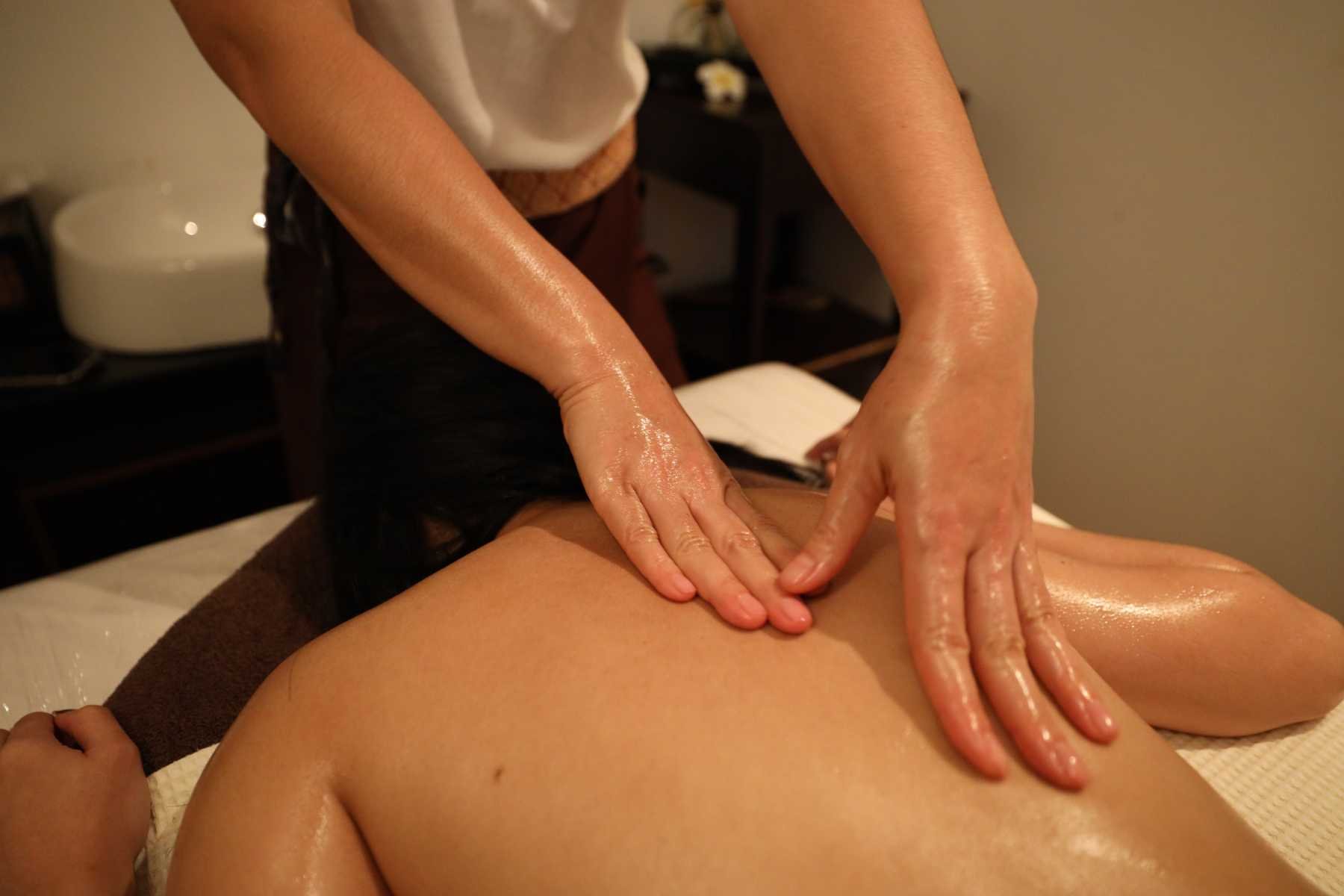
Massage Therapy and Bodywork
Therapeutic massage and bodywork are far more than relaxation tools, though relaxation is genuinely therapeutic in itself. Skilled massage therapy reduces cortisol, lowers blood pressure, decreases muscle tension, improves circulation, and stimulates lymphatic flow. For people managing chronic pain, tension-related headaches, stress-driven digestive issues, or postural imbalances, regular bodywork is not a luxury, it is a legitimate part of managing their overall health.
Chiropractic care occupies a related space in holistic medicine, focusing on the relationship between the spine, the nervous system, and the rest of the body. When the spine is misaligned, it can affect nerve function in ways that impact organs, digestion, and immune response, not just the back itself. Chiropractic care alongside other holistic therapies creates a more comprehensive approach to structural health and pain management.
The broader category of bodywork also includes practices like craniosacral therapy, myofascial release, and somatic therapies that work with the physical body to address patterns of holding and tension that are often connected to emotional stress. The body stores what the mind has not fully processed. Bodywork, in its many forms, helps move that stored tension in ways that talking alone sometimes cannot.

Mindfulness, Breathwork, and the Nervous System Reset
When the nervous system is chronically activated, digestion suffers, immunity weakens, sleep deteriorates, and the body ages faster. Mindfulness practices and breathwork are two of the most accessible and evidence-backed tools we have for actually shifting the nervous system out of that state.
Yoga therapy goes a step further by combining breathwork, movement, and mindfulness into a single practice that addresses the physical body, the nervous system, and the mental and emotional landscape simultaneously. Many yoga studios in Los Angeles offer therapeutic yoga specifically designed for people managing anxiety and depression, chronic pain, or recovery from injury. Cognitive behavioral therapy, while typically considered part of conventional behavioral health care, also integrates beautifully with holistic wellness practices because it addresses the thought patterns that drive stress responses in the body.
From our perspective as practitioners who work with the body every day, we cannot overstate the role of the nervous system in physical health. When someone is chronically stressed, their digestion is compromised, their lymphatic flow is sluggish, their colon is either overactive or underactive, and their immune system is stretched.

Herbal Medicine, Nutrition, and Food as Information
Herbal medicine is one of the oldest forms of healing on the planet, and it sits at the intersection of Traditional Chinese Medicine, Ayurvedic practice, and indigenous healing traditions from cultures around the world. Many of the compounds found in medicinal herbs have been isolated and studied extensively, and the evidence for certain herbal medicines in managing chronic conditions, supporting immune function, regulating hormones, and promoting digestive health is genuinely compelling.
Nutritional therapy is perhaps the most universal thread running through every holistic and integrative approach to health. Food is information. Every meal you eat sends signals to your hormones, your gut microbiome, your immune system, and your brain. A holistic approach to nutrition is not about following a rigid diet, it is about understanding how food affects your specific body and using that knowledge to support your health goals. This is deeply personalized work, because what optimizes health for one person can be problematic for another.
The connection between nutrition and gut health is one of the most exciting and rapidly growing areas of integrative medicine right now. We now understand that the gut microbiome influences immunity, mood, skin health, hormonal balance, and cognitive function. Taking care of the gut through nutrition, thoughtful supplementation, and targeted therapies like colon hydrotherapy is not just about digestion, it is about whole-body wellness.
Read more about the benefits of colonic irrigation for skin health here.

Symptoms Are Signals, Not the Problem Itself
One of the most transformative ideas in holistic health is that symptoms are the body's way of communicating an imbalance, not the problem to be silenced. When you take a painkiller for a headache, the headache goes away, but if the headache was driven by dehydration, gut inflammation, or chronic tension in the neck, the underlying cause is still there, waiting to create the next symptom.
Sometimes you need to function and relief is appropriate. But a holistic approach asks what is driving this symptom. What does the body need that it is not getting. Where is the imbalance. And then it works to address that, often through a combination of therapies, lifestyle adjustments, and supportive treatments that work together as a comprehensive approach.
In our experience, this shift in thinking is one of the most powerful things a person can experience in their health journey. When you start asking why instead of just treating what, you often discover that multiple symptoms you thought were unrelated are actually coming from the same root source.

Preventive Care Is The Underrated Pillar
Conventional medicine is extraordinary at treating acute illness and managing established disease. Where it historically falls short is in the space before disease takes hold, in the years of imbalance, inflammation, fatigue, and dysfunction that often precede a formal diagnosis. Holistic wellness and integrative medicine shine most brightly in that space.
Preventive care in the holistic model means paying attention to early signals, supporting the body's natural healing capacity before it is overwhelmed, and making consistent choices that promote long-term wellness rather than reactive care. It means treating your gut health, your sleep, your stress levels, and your lymphatic system as maintenance priorities, not emergencies. It means working with practitioners who are invested in helping you live your healthiest life, not just managing your current health condition.
The economic case for preventive care is also compelling, though it rarely gets discussed. Investing in your wellness now, through integrative therapies, nutrition, stress management, and supportive treatments, is almost always less costly in every sense than treating the chronic conditions that develop when those foundations are ignored for years.

A Simple Self-Check You Can Do Right Now
Before you book a single appointment or buy a single supplement, the most valuable thing you can do is pause and take an honest look at where you actually are. Not where you think you should be, not where you were six months ago, but right now today.
Try this. On a scale of one to ten, rate how you are feeling in five areas, start with your energy levels throughout the day, the quality of your sleep, your digestion and daily comfort after meals, your emotional resilience when stress hits, and how much pain or physical tension you are carrying. You do not need a doctor or a form to do this. You just need five minutes.
Those numbers tell you more than you would expect, and more importantly, they give you a baseline so that when things start improving, you can actually see and feel the progress rather than wondering if anything is working.
What we look for when a client shares their snapshot are the patterns. Low energy combined with poor digestion and disrupted sleep almost always has a gut and stress component. Persistent tension and pain that lives alongside mood difficulties often has a nervous system component. These patterns help determine which therapies make the most sense as a starting point, and in what order to introduce them.
See more on the connection between sleep and gut health here.

The Signals of Imbalance Most People Dismiss
One of the things we notice consistently is that people have been living with early signals of imbalance for so long that they have stopped recognizing them as signals at all. They have normalized feeling tired by two in the afternoon. They have accepted that their tummy is always a little bloated by evening. They have learned to live with tension headaches a few times a week. They chalk up brain fog to being busy. They assume waking up at three in the morning is just how they sleep now.
None of that is normal, and none of it is inevitable. Persistent fatigue, recurring headaches, cravings for sugar or salt, chronic bloating and gas, digestive discomfort after eating, skin that never quite clears up, a low mood that seems tied to nothing in particular, these are the body's early language. They are polite requests for attention before they become louder demands.
Holistic Wellness and the Gut
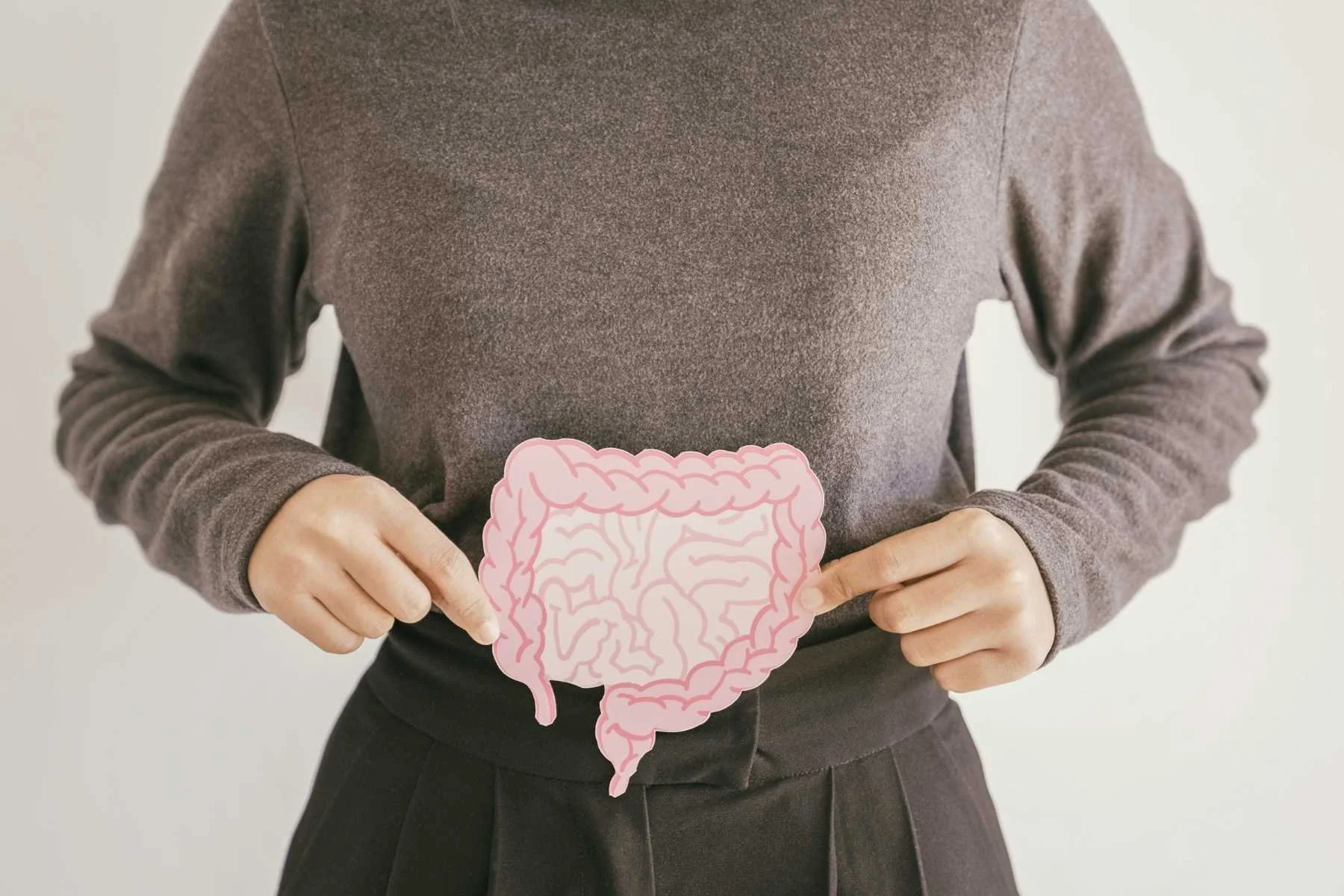
If there is one area where holistic health and modern science have completely converged, it is gut health. The research on the gut-brain axis, the microbiome, and the relationship between digestive health and immunity, mood, and skin is now so robust that even the most conventional practitioners are paying attention. Your gut is not just a digestion machine. It is a central player in your immune system, your mental health, your hormonal balance, and your overall vitality.
From our position as colon hydrotherapists and lymphatic drainage specialists, we see the downstream effects of poor gut health every single day. Clients come in with skin issues that no topical treatment has resolved. They come in with fatigue that sleep does not fix. They come in with bloating, brain fog, irregular bowel movements, and a vague but persistent feeling that their body is not working the way it should. Almost always, the gut is part of the story.
A holistic approach to gut health goes far beyond adding a probiotic. It means looking at diet, stress, sleep, hydration, the health of the colon itself, the state of the lymphatic system, and the overall environment in which the gut microbiome is trying to thrive. It means asking what is disrupting the system and addressing those root causes rather than just patching symptoms with supplements.

How Colon Hydrotherapy Fits Into the Holistic Picture
Colon hydrotherapy is one of the most direct and effective tools available for supporting colon health as part of a broader holistic wellness plan. Using an open system with warm, filtered water, a trained colon hydrotherapist gently supports the colon cleansing, helping to remove compacted waste material, relieve gas and bloating, and create an environment where the gut can begin to rebalance.
At Fernz Wellness, we use an open system colonic approach because we believe client comfort and control are essential to a genuinely therapeutic experience.
What makes colon hydrotherapy uniquely powerful within a holistic framework is that it works on multiple levels at once. It supports elimination, activates the parasympathetic nervous system, which shifts the body into rest-and-digest mode and supports everything from mood to immune function. And it provides the practitioner with direct observational information about what is happening inside the gut that informs the broader wellness plan.
We are always transparent that colon hydrotherapy is a tool and an aid, not a cure. It does not replace good nutrition, stress management, sleep, or movement. But as one part of a comprehensive holistic wellness plan, it can make a profound difference in how someone feels, and it often opens the door to healing in areas of health that seemed completely unrelated to digestion.
Read more about LIBBE open system colon hydrotherapy here.
What the Lymphatic System Does
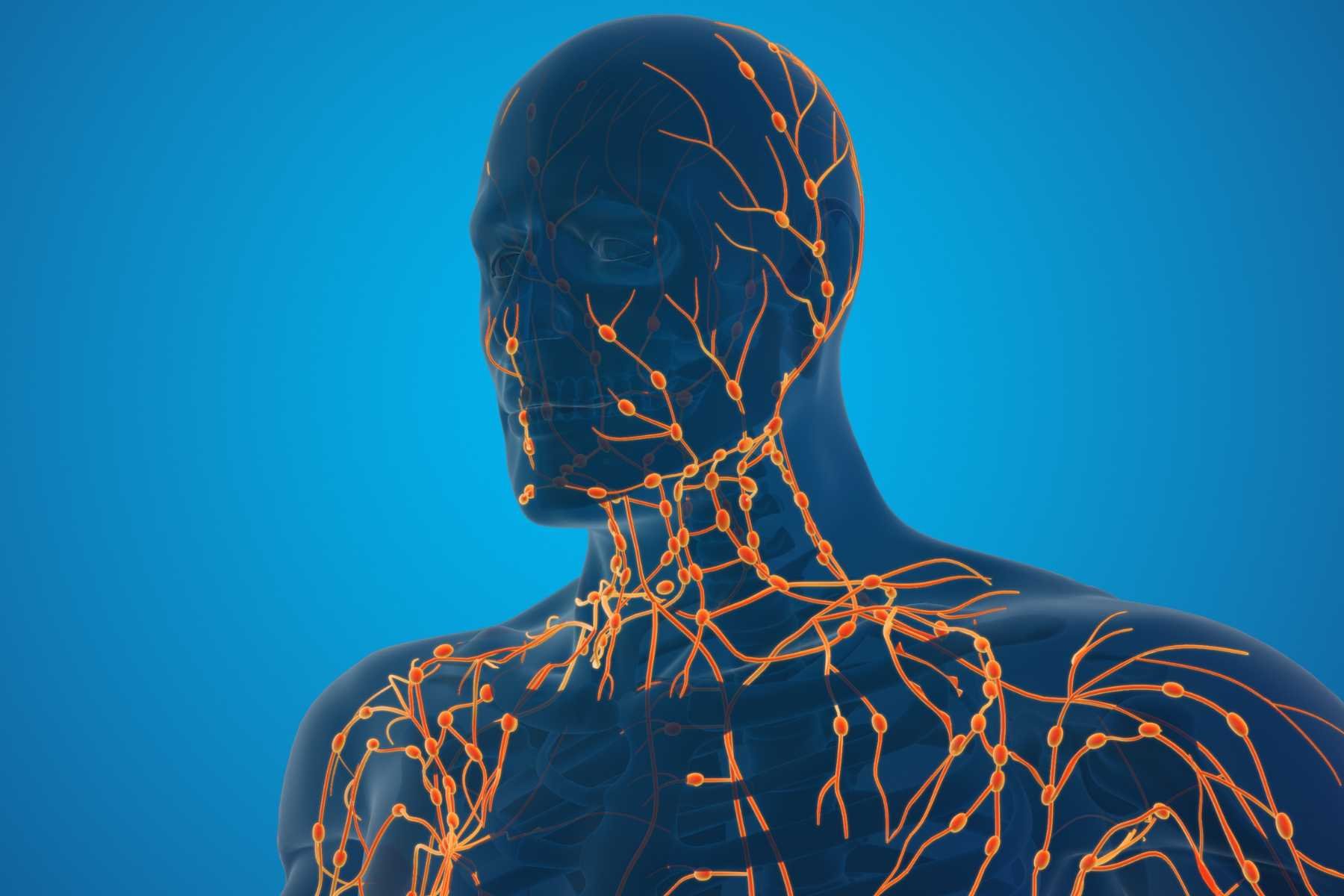
The lymphatic system is one of the most important and most overlooked systems in the body. It is your internal drainage network, responsible for collecting cellular waste, excess fluid, and inflammatory byproducts from throughout the body and moving them toward your elimination organs. It is also central to immune function, helping to identify and respond to pathogens and keeping the body's fluid balance in check.
Unlike the cardiovascular system, which has your heart to keep blood circulating, the lymphatic system relies entirely on movement, breathing, muscle contraction, and the health of the surrounding tissues to keep flowing. When you are sedentary, chronically stressed, dehydrated, or dealing with gut congestion, your lymphatic flow slows down. And when lymphatic flow slows down, everything from skin health to immunity to cognitive clarity is affected.

How Electro Lymphatic Drainage Works
Electro Lymphatic Therapy, or ELT, is a non-invasive, deeply relaxing treatment that uses gentle vibrational and electrostatic technology to stimulate lymphatic flow throughout the body. It is not massage, it is not painful, and it does not require needles or any kind of invasive procedure.
What it does is provide the kind of signal the lymphatic system needs to move stagnant fluid and waste material through the body's drainage pathways more efficiently than it can on its own when congested.
At Fernz Wellness, we offer electro lymphatic drainage as both a standalone treatment and as part of a combined holistic wellness protocol with open system colon hydrotherapy. The reason these two therapies work so beautifully together is that they address two deeply connected systems.
When the colon is supported through hydrotherapy, the body's primary elimination pathway is open and functioning. When the lymphatic system is simultaneously supported through ELT, the cellular waste and inflammatory byproducts that have accumulated in the tissues have a clear pathway to exit the body. The combined effect is something clients often describe as genuinely transformative.
Read more about electro lymphatic drainage massage in Los Angeles here.

Health and Wellness in Los Angeles: Where to Start
The most common mistake people make when approaching holistic wellness in LA is trying to do everything at once. They read about all the therapies, all the supplements, all the practices, and they attempt to overhaul their entire lifestyle in a single week. That approach almost always leads to burnout and abandonment within a month.
Working with a practitioner rather than going it alone matters more than most people realize. Not because you cannot make positive changes on your own, but because a trained practitioner can see patterns you might not recognize in yourself, screen for contraindications, sequence therapies in the most effective order, and provide the kind of accountability and personalized guidance that makes the difference between sustainable progress and stalling out.
See tips from a certified Los Angeles colon hydrotherapist here.

What to Look for When Choosing Holistic Wellness Practitioners
Not all wellness practitioners are created equal, and in a city like Los Angeles where wellness services are everywhere, knowing what to look for matters. Credentials, training, and ongoing education are non-negotiable. Ask about certifications. Ask how long someone has been practicing. Ask what their approach is to safety and screening. A good practitioner will welcome those questions, because they are invested in outcomes and they understand that informed clients make better partners in their own care.
Beyond credentials, look for practitioners who listen. Who ask questions before they recommend treatments. Who are honest about what their therapy can and cannot do. Who refer out when something falls outside their scope. Who see themselves as one part of a larger picture of your health rather than the only answer you need. That combination of skill and humility is rare and valuable, and when you find it, it makes an enormous difference in your experience and your results.
See more on how to choose the best colonics in Los Angeles here.

The Shift That Is Happening Right Now
There is a generational shift happening in how people relate to their health, and it is particularly visible in Los Angeles. Younger generations are far more likely than their parents to seek out holistic and integrative care before reaching for a prescription. They are more likely to ask questions about root causes, more likely to invest in preventive care, and more likely to see their mental and physical health as inseparable. That is not naivety or anti-science sentiment, it is a more sophisticated and complete understanding of health.
At the same time, conventional medicine is moving toward greater openness. More primary care physicians are recommending complementary therapies. More hospitals are incorporating integrative medicine services. More medical schools are including coursework on nutrition, mindfulness, and complementary therapies. The wall between holistic and conventional is coming down, slowly but unmistakably, and the people who benefit most are the patients who no longer have to choose between one world and the other.

How Fernz Wellness Fits Into Your Holistic Health Picture
At Fernz Wellness, we are clear about what we are and what we are not. We are not a primary care clinic or a diagnostic center. We are a boutique wellness studio offering two deeply therapeutic, complementary treatments, open system colon hydrotherapy and Electro Lymphatic Therapy, that integrate beautifully into a broader holistic wellness plan.
What we offer is a space where your digestive system and your lymphatic system, two of the most foundational and most overlooked aspects of whole-body health, receive the focused, professional, personalized attention they deserve.
We also know when something is outside our scope, and we refer accordingly. If a client comes in with symptoms that suggest they need a medical evaluation, we say so clearly and directly.
Our commitment is to your overall health and well-being, not to filling our schedule. That honesty is something we hear about in our client reviews consistently, and it is something we take genuine pride in. Learn more about us here and discover how our services can be a vital part of your journey to optimal health.
Our address is 5486 Wilshire Blvd. Los Angeles, CA 90036 and you can also call or text us at (424) 281-9366.

Integrating Our Services Into Your Wellness Plan
If you are already working with a functional medicine doctor, a naturopath, an acupuncturist, or a nutritionist, colon hydrotherapy and lymphatic drainage can complement that work powerfully. The cleaner and more efficient your elimination pathways, the more effectively everything else you are doing for your health can take hold.
Nutrition works better when the gut is healthy. Detoxification protocols work better when the lymphatic system is flowing. Stress management practices work better when the nervous system is not also carrying the load of chronic digestive congestion.
If you are newer to holistic wellness and are not sure where to start, our services are actually a wonderful entry point, because they are immediate, and they often produce a shift in how you feel that motivates everything else.
When you walk out of a session feeling genuinely lighter, clearer, and more energized, it becomes much easier to make the other choices that support your health. That experience of feeling good in your body is one of the most powerful motivators for long-term wellness that exists.

We serve clients throughout Los Angeles, and we welcome you exactly where you are, whether you are brand new to holistic health or have been living this way for years and are looking for practitioners who match your level of commitment and care. Either way, we are here for the same thing you are, to help you feel as good as your body is capable of feeling, sustainably, thoughtfully, and without shortcuts.
Your body is doing its best with what it has been given. Our job is to help give it more.

Common Questions About Holistic Wellness
Is holistic wellness just for people who are already into alternative medicine?
Absolutely not. Some of the most skeptical first-time clients we have ever worked with have become our most committed regulars. You do not need to have any particular belief system to benefit from holistic wellness practices. You just need to be curious and open to paying attention to your body.
Can holistic therapies replace my doctor?
No, and any honest holistic practitioner will tell you the same. Holistic wellness works best alongside conventional medicine, not instead of it. The goal of integrative health is to bring both worlds together in service of your complete well-being.
How do I know which therapies are right for me?
Start with a consultation with a trusted practitioner who takes the time to understand your full health picture. A good holistic health consultation will surface the areas that need the most attention and suggest a logical, personalized sequence for addressing them.

Is there research supporting holistic and integrative therapies?
Yes, and the evidence base is growing rapidly. Practices like acupuncture, mindfulness, therapeutic massage, and nutritional medicine have substantial bodies of research behind them. Some newer or less studied therapies require more personal discernment, which is why working with educated, experienced practitioners matters.
How does colon hydrotherapy fit into a holistic wellness plan?
Colon hydrotherapy supports one of the body's most fundamental functions, elimination. When the colon is working well, every other system in the body works better. As one piece of a comprehensive holistic approach that includes nutrition, stress management, lymphatic support, and lifestyle awareness, it can be a profoundly effective tool for improving overall health and vitality. See reasons to get a colonic cleanse here.

How soon should I expect to notice changes from holistic wellness practices?
It genuinely depends on where you are starting and what you are addressing. Some people feel a noticeable shift after a single session of colon hydrotherapy or massage. Others are working on patterns that have been building for years, and those take longer to unwind. What we tell clients is to track their wellness snapshot numbers monthly rather than daily, because the real changes often happen gradually and are most visible when you look back over time rather than day to day.
What does whole-person care actually include in practice?
It means your physical symptoms are never assessed in isolation. A whole-person approach considers your sleep, stress levels, emotional landscape, nutritional patterns, movement habits, environmental factors, and the interconnection between all of them. It means the practitioner is interested in you as a person, not just the symptom that brought you in. And it means the goal of care is optimal health and vitality, not just the absence of a specific complaint.

Additional Resources
Understanding Integrative Medicine – Duke University
Integrative Therapies to Help Manage Chronic Pain – Keck School of Medicine (USC)
Where Does Complementary Medicine Fit into Healthcare? – Johns Hopkins School of Nursing
Integrative Medicine Research and Initiatives – Boston University Family Medicine
Tips for Relieving Constipation - UW Health
13 Pros and Cons of Colon Cleansing - HRF - Health and Medical Blog
Natural Colon Cleanse: A Gentle Path to Better Health
Types of Complementary and Alternative Medicine – Johns Hopkins Medicine