10 Signs of a Sluggish Lymphatic System (What to Do)
Is your lymphatic system sluggish? Learn 10 signs, from swell to poor lymphatic flow and discover how to support this vital part of your immune system at our wellness studio.
Most people can tell you what the heart does, what the lungs do, what the liver does. But ask about the lymphatic system and you usually get a blank stare or a vague memory of swollen glands from a childhood illness. And yet the lymphatic system is doing some of the most essential work in your body every single minute of every day, quietly filtering waste, transporting immune cells, regulating fluid balance, and helping your body identify and neutralize threats before they become problems.
What makes the lymphatic system fascinating, and what makes it vulnerable in ways most people don't anticipate, is that unlike the cardiovascular system, it doesn't have a central pump. Your heart beats automatically and continuously, pushing blood through your circulatory system without you having to think about it. The lymphatic system has no equivalent mechanism. It relies entirely on your movement, your breathing, the contraction of your muscles, and the health of the surrounding tissues to keep lymph fluid flowing. When your lifestyle changes, when stress increases, when you stop moving as much, when your diet shifts, the lymphatic system feels it almost immediately.
We work with the lymphatic system every day at our wellness studio in Los Angeles, and it is genuinely one of the most underappreciated systems in the conversation about health and wellness. Clients come in describing symptoms they have been managing for years, persistent puffiness, fatigue that doesn't respond to sleep, skin that never quite clears up, a heaviness in the body that feels impossible to shake, and when we explain the lymphatic system and how it works, something clicks. They were not imagining things. Their body was communicating, and this article is going to help you understand that language.
What the Lymphatic System Actually Does
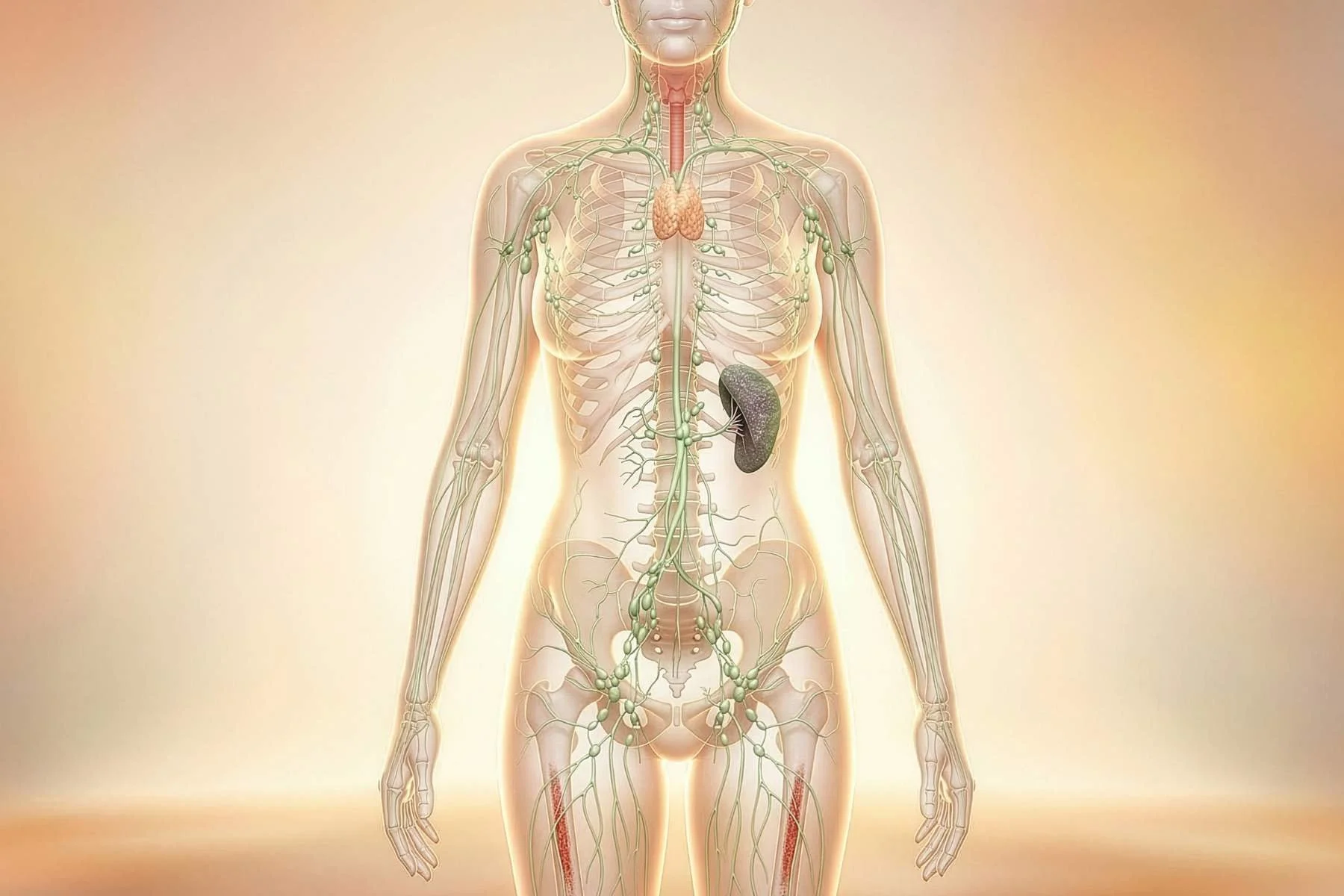
The lymphatic system is a network of tubes called lymphatic vessels that run throughout your entire body, parallel to your blood vessels but doing a very different job. These lymphatic channels collect excess fluid from your tissues, a fluid called lymph, and carry it back toward the bloodstream. Along the way, that fluid passes through lymph nodes, which are small, bean-shaped structures clustered throughout the body in places like the neck, armpits, groin, and abdomen. Lymph nodes act as filtration stations, trapping harmful substances, bacteria, viruses, and cellular debris so that immune cells can identify and neutralize them.
The lymphatic system is also responsible for absorbing fats and fat-soluble vitamins from the digestive system and transporting them to the bloodstream. This is why gut health and lymphatic health are so deeply connected, something we see reflected in our practice constantly. When either system is sluggish, both eventually feel it.
The largest lymphatic organ in the body is actually the spleen, though the thymus, the tonsils, and the appendix all play supporting roles in lymphatic function as well. This gives you a sense of how extensive the system is, it is not a minor player tucked away in one corner of the body. It is a comprehensive network that influences immunity, fluid balance, digestion, and the body's ability to clean up after itself at a cellular level.

The Pump Problem and Why It Matters
Because the lymphatic system doesn't have a central pump the way the cardiovascular circulatory system does, it is uniquely sensitive to lifestyle. Every time your muscles contract during movement, they squeeze the lymphatic vessels nearby and push lymph fluid forward. Every deep breath you take creates pressure changes in the chest cavity that move lymph through the thoracic duct, which is the largest lymphatic vessel in the body. When you are sedentary for extended periods, when you breathe shallowly because of stress or screen posture, when you are dehydrated and lymph fluid becomes thicker and less mobile, the flow of lymph slows down.
This slow lymph flow is what we refer to as a sluggish lymphatic system, and it is remarkably common. It is not a disease in the clinical sense for most people, it is a functional state that responds beautifully to the right support. Understanding what causes it and what signs to look for is the first step toward addressing it, and that is exactly what the rest of this article is built to do.

What Makes the Lymphatic System Sluggish
The most common causes of a sluggish lymphatic system are also the most ordinary parts of modern life, which is part of why the problem is so widespread and so underrecognized. Prolonged sitting is at the top of the list. Long work days at a desk, extended periods of travel, sedentary evenings after exhausting days, all of these reduce the muscle contractions that the lymphatic system depends on to keep moving. The lymph vessels in the legs are particularly affected, which is why swollen ankles and heavy legs are such a consistent complaint among people who sit for most of their day.
Poor hydration is the second major contributor. Lymph fluid is roughly ninety-five percent water, so when you are chronically underhydrated, the fluid itself becomes thicker, more viscous, and harder to move through the lymphatic channels. A lot of people believe they are adequately hydrated because they are not thirsty, but thirst is actually a late signal of dehydration. By the time you feel thirsty, your lymphatic flow has already been affected.
A poor diet high in processed foods, refined sugar, and inflammatory ingredients places a heavy burden on the lymphatic system because it increases the amount of cellular waste and inflammatory byproducts the system has to process. This is compounded by the fact that processed food diets tend to be high in sodium, which promotes fluid retention and makes the lymphatic system work harder to manage fluid balance throughout the body.
The 10 Signs Your Lymphatic System Is Sluggish
Some of these will be immediately familiar. Others might surprise you, because the lymphatic system shows up in places most people would never connect to it.

Sign 1: Persistent Puffiness and Swelling, Especially in the Face and Limbs
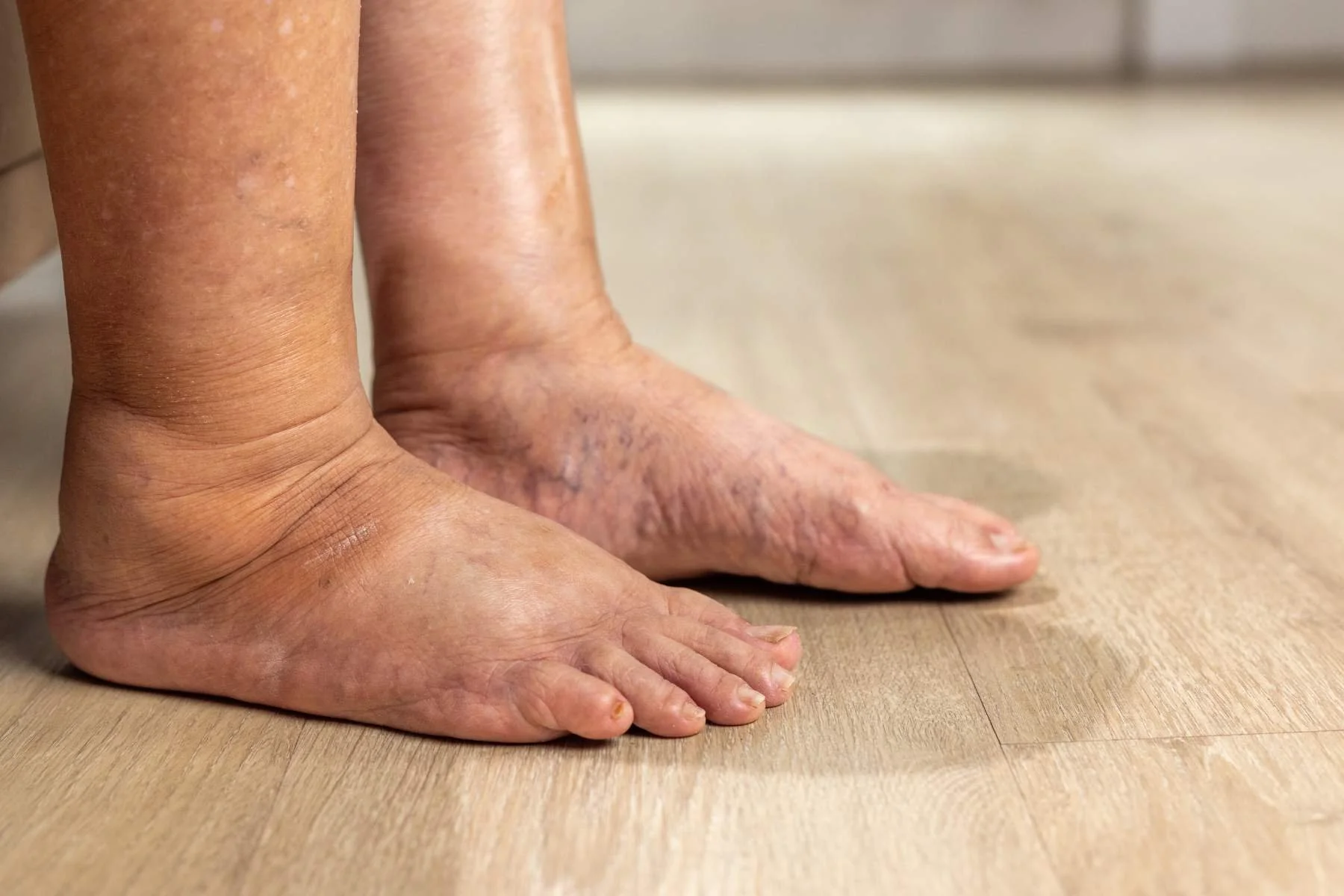
This is one of the most visible and most commonly reported signs of a sluggish lymphatic system. When lymph fluid is not moving efficiently, it accumulates in the tissues and causes a puffy, swollen appearance, most noticeably around the eyes and face in the morning, in the hands and fingers during the day, and in the ankles and feet by evening. This is not the same as the occasional puffiness from a salty meal or a poor night of sleep, though both of those things can certainly worsen it. Chronic, recurring puffiness that follows a consistent pattern, especially if it is worse in the morning and improves somewhat with movement, is one of the clearest signals that lymph drainage is compromised.
In more significant cases, this swelling becomes lymphedema, a medically recognized condition that involves persistent swelling usually in the arms or legs. Lymphedema is most commonly associated with situations where lymph nodes are removed, as is sometimes necessary during cancer treatment, but it can also develop from infection, trauma, or other forms of lymphatic obstruction. If swelling is severe, persistent, or accompanied by pain or skin changes, a healthcare provider should be consulted before pursuing any wellness-based support.

Sign 2: Fatigue That Sleep Does Not Fix
One of the most frustrating signs of a sluggish lymphatic system is a particular quality of fatigue that is distinct from normal tiredness. It is a heaviness, an almost cellular exhaustion that persists even after adequate sleep, and it tends to be accompanied by a general sense of malaise that is hard to put into words. People often describe it as feeling like they are moving through water, or feeling heavy from the inside out.
This happens because when the lymphatic system is not efficiently clearing cellular waste and inflammatory byproducts from the tissues, those substances accumulate and create a systemic burden. The immune system has to work harder, inflammatory signaling increases, and the body's overall energy allocation shifts toward managing internal congestion rather than powering daily life. It is a deeply physical kind of fatigue, and addressing the underlying lymphatic sluggishness, rather than reaching for more caffeine, is what actually resolves it.
See more on the connection of sleep and gut health here.

Sign 3: Skin Issues That Don't Respond to Topical Treatments
The skin is an elimination organ, and when the lymphatic system is sluggish and the body's internal drainage is compromised, the skin often steps in to help carry the load. This shows up as persistent acne that doesn't fully respond to topical skincare, a dull or congested complexion, texture that feels bumpy or uneven, and in some cases skin conditions like eczema or psoriasis that flare more intensely than usual. Clients come to us with years of skincare routines that have produced only partial results, and when we address the lymphatic system, the skin changes in ways that no cleanser or serum could produce on its own.
This is not to say that skincare is irrelevant, of course it matters. But if you have been doing everything right externally and your skin is still struggling, the conversation needs to move inward. The lymphatic system collects and processes waste that would otherwise circulate back through the bloodstream and eventually find its way to the skin. When that collection and filtration process is slow, the skin reflects it.

Sign 4: Frequent Illness or Slow Recovery
The lymphatic system is a vital part of your immune system. Lymph nodes house white blood cells and immune cells that are responsible for identifying and neutralizing pathogens, and the lymphatic vessels are the highways those immune cells travel through to reach areas of infection or inflammation. When lymphatic flow is slow, immune cell transport is less efficient, lymph nodes can become overwhelmed, and the body's response to illness is slower and less precise.
If you find yourself catching every cold that circulates, taking longer than most people to recover from common illnesses, dealing with recurring sinus infections, or noticing that your lymph nodes stay enlarged and tender for extended periods, these are meaningful signals that your lymphatic system may be struggling. A well-functioning lymphatic system should be able to respond to threats quickly and recover promptly. Chronic susceptibility to illness is a sign that the system needs support.

Sign 5: Brain Fog and Difficulty Concentrating
The connection between the lymphatic system and cognitive clarity is one of the more recently understood aspects of lymphatic function, and it is genuinely fascinating. Research has identified a system of lymphatic-like vessels in the brain called the glymphatic system, which is responsible for clearing metabolic waste from brain tissue, primarily during deep sleep. When the broader lymphatic system is sluggish, and particularly when sleep quality is poor, this brain-clearing function is impaired.
The result is that mental waste products accumulate, inflammatory signaling increases in the brain, and cognitive function suffers. The fog is real, it is physical, and it is not fixed by pushing through with more effort or more caffeine. Clients who address their lymphatic health consistently report improvements in mental clarity, focus, and that sense of being able to think clearly that they did not even realize they had lost until it came back.

Sign 6: Joint Stiffness and Achiness, Especially in the Morning
When lymphatic flow is sluggish, fluid can accumulate around joints and in the surrounding connective tissues, creating a stiffness and achiness that is often most pronounced in the morning or after extended periods of inactivity. People dismiss this as aging, as sleeping in the wrong position, or as a consequence of a workout, but when it happens consistently and is accompanied by other lymphatic signs, it deserves a closer look.
For people managing conditions like arthritis, sluggish lymphatic drainage can significantly amplify joint symptoms because the inflammatory byproducts that worsen joint discomfort are not being cleared efficiently. Supporting lymphatic flow is not a replacement for medical management of arthritis or other joint conditions, but it can be a meaningful complementary support that reduces the inflammatory burden the joints are carrying.

Sign 7: Bloating and Digestive Discomfort
The connection between the lymphatic system and digestion is something most people have never been told about, and yet it is one of the most clinically relevant relationships in the body. The lymphatic vessels of the digestive system, called lacteals, are responsible for absorbing fats and fat-soluble vitamins from the small intestine and transporting them into the bloodstream. When these lymphatic channels are sluggish or congested, fat absorption is impaired, digestive efficiency decreases, and the gut environment becomes more prone to bloating, gas, and general abdominal discomfort.
The relationship also runs in the other direction. A congested, sluggish gut creates more inflammatory waste and more demands on the surrounding lymphatic tissue, which is extensive in the abdominal region. This is one of the reasons why many clients find that colon hydrotherapy and lymphatic drainage may complement each other so well, because clearing the colon can reduce the burden on the abdominal lymphatic network, which in turn may support improved lymphatic flow throughout the body.

Sign 8: Cold Hands and Feet
Poor circulation and sluggish lymphatic flow often go hand in hand, quite literally. The lymphatic system supports circulatory health by maintaining fluid balance in the tissues and reducing the inflammatory burden on blood vessels. When lymphatic drainage is slow, fluid accumulates in the peripheral tissues and can impair the efficiency of circulation in the extremities. The result is hands and feet that are persistently cold, even in warm environments, as blood flow to those areas is reduced.
This is different from a cardiovascular condition and should not be confused with one. But when cold extremities show up alongside several other signs on this list, it is a meaningful indicator that fluid movement throughout the body is not functioning optimally, and that supporting lymphatic flow is worth exploring.

Sign 9: A Heavy, Sluggish Feeling Throughout the Body
This is perhaps the most common thing we hear from clients who come in for lymphatic drainage, and it is also one of the hardest to describe. It is not quite pain, not quite fatigue, not quite bloating, but a pervasive heaviness that settles into the body and makes movement feel effortful, mornings feel difficult, and everything feel slightly harder than it should. People often describe it as feeling like they are carrying something extra, or like their body is denser than usual.
This sensation is the lymphatic system telling you, in the most direct physical language it has, that it is congested and struggling to move. Fluid is accumulating in the tissues, inflammatory waste is not being cleared efficiently, and the overall system is working harder than it should to do its basic job. It is one of the most responsive signs to targeted lymphatic support, and clients almost universally describe a notable lightness after a lymphatic drainage session that addresses exactly this feeling.

Sign 10: Recurring Sinus Congestion and Ear Pressure
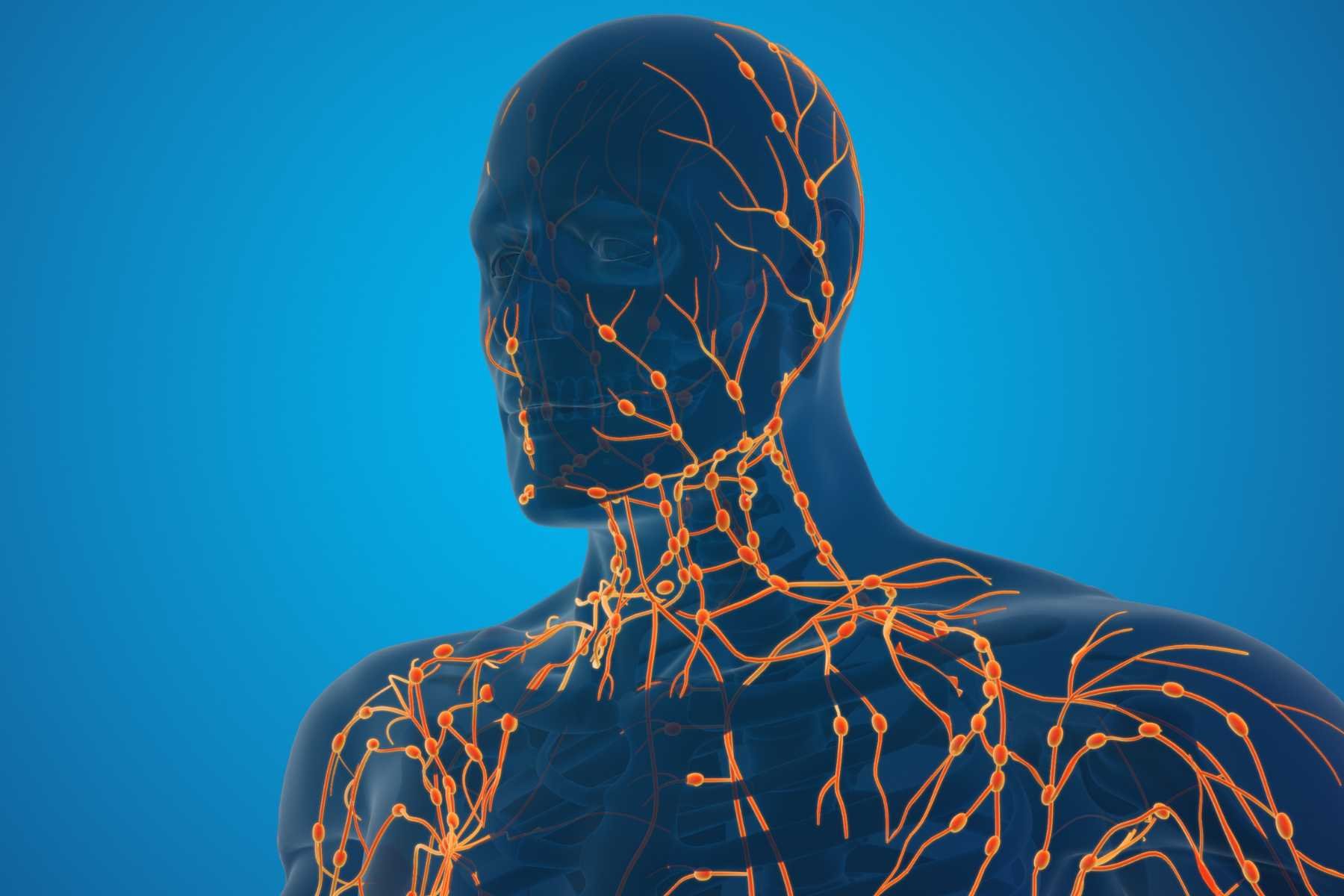
The lymph nodes in the neck and head are some of the most active in the body, because the head and face are constantly exposed to environmental pathogens, allergens, and irritants. When the lymphatic system in this region becomes sluggish or overwhelmed, it shows up as chronic or recurring sinus congestion, a feeling of pressure behind the ears or in the jaw, tender lymph nodes in the neck, and a general stuffiness that lingers even when you are not acutely sick.
Many people manage this with antihistamines or nasal sprays and never connect it to their lymphatic system. When lymphatic drainage addresses the cervical lymph nodes and the lymphatic channels of the neck and jaw, the relief is often immediate and surprising. It is one of those responses that makes clients say, I never knew that was connected to this.
What Causes the Lymphatic System to Slow Down
Beyond the obvious lifestyle factors, there are two specific contributors that rarely get mentioned but that we see reflected in our clients constantly.

Posture and Breathing
We touched on sedentary lifestyle earlier, but posture and breathing are specifically and directly connected to lymphatic function. Forward head posture, rounded shoulders, and the compressed chest position that most people hold when looking at a phone or computer screen, all restrict the natural movement of the diaphragm and the thoracic duct. This is the largest lymphatic vessel in the body, and it sits right behind the heart and in front of the spine. When posture compresses that region and breathing stays shallow, lymph fluid stalls in the upper body and the face.
This is why so many people notice that their face is puffiest on days when they have been at a desk for hours, or when they have been on their phone more than usual. It is not just fluid from salt or alcohol, it is lymph that has been sitting because the mechanical pump of movement and breathing was not doing its job. Correcting posture and consciously deepening the breath throughout the day is free, immediately available, and genuinely effective at stimulating lymphatic flow in the upper body.
See more on the Long Term Effects of Alcohol on the Digestive System here.

Diet, Inflammation, and the Lymphatic Burden
A diet high in processed food, refined sugar, and inflammatory ingredients does not just affect the digestive system. It creates a systemic inflammatory environment that places a constant, elevated demand on the lymphatic system. The more inflammation the body is producing, the more cellular waste and inflammatory byproducts the lymphatic vessels need to collect and transport to the lymph nodes for filtration. When this demand is consistently higher than the system can efficiently manage, the backlog begins to build.
Alcohol is worth mentioning specifically because it is both inflammatory and dehydrating, which means it affects the lymphatic system through two separate mechanisms simultaneously. People who notice that their face is particularly puffy the morning after drinking are experiencing a very direct demonstration of lymphatic congestion in action. The combination of dehydration thickening the lymph fluid and increased inflammatory waste from alcohol metabolism slows the system significantly.

What to Do About a Sluggish Lymphatic System, The Full Toolkit
The good news is that the lymphatic system responds remarkably well to consistent, targeted support. Here is what actually moves the needle, from what you can do at home today to when professional support makes a meaningful difference.

Movement, The Non-Negotiable Foundation
Movement is the primary mechanism by which the system functions. The good news is that the movement does not need to be intense. Walking is genuinely one of the best things you can do for lymphatic flow because it involves the continuous rhythmic contraction of the leg muscles, which are surrounded by an extensive network of lymphatic vessels, and it pairs movement with diaphragmatic breathing. A thirty-minute walk done consistently is more valuable for lymphatic health than an intense workout done occasionally.

Rebounding, which means bouncing gently on a small trampoline or rebounder, is often described as one of the most effective exercises for stimulating lymphatic flow because the vertical movement combined with the shifting of gravitational forces provides a direct pumping action on the lymphatic vessels throughout the body. Swimming is another excellent option because the hydrostatic pressure of the water combined with full-body movement creates a natural lymphatic massage effect throughout the session.

Hydration, Dry Brushing, and Hot and Cold Showers
Keeping lymph fluid properly hydrated is one of the simplest aspects of lymphatic health. The goal is consistent water intake throughout the day, not a large amount consumed at once. Starting the morning with a full glass of water before coffee is one of the most effective habits we recommend, because the body has been in a mild state of dehydration overnight and lymph fluid is at its thickest first thing in the morning. Herbal teas, particularly those with anti-inflammatory properties like ginger or dandelion, can also support lymphatic function.
Dry brushing, using a natural bristle brush on dry skin before a shower and brushing in long strokes toward the heart, provides a mechanical stimulation to the superficial lymphatic vessels just beneath the skin. It takes about five minutes, it improves circulation and skin texture alongside lymphatic flow, and it is one of those practices that clients who adopt it almost universally continue because the way the skin feels afterward is immediate and satisfying. Alternating hot and cold water in the shower causes the lymphatic vessels to dilate and constrict alternately, which creates a pumping effect that moves stagnant lymph fluid.

Deep Breathing as a Daily Lymphatic Practice
Diaphragmatic breathing, where the belly rises and falls rather than the chest, is one of the most direct ways to stimulate lymphatic flow in the torso and upper body without any equipment, any cost, or any significant time investment. The movement of the diaphragm creates pressure changes in the chest cavity that actively pump lymph fluid through the thoracic duct and back into the bloodstream.
A simple practice is to spend two to three minutes in the morning and again before bed breathing slowly and deeply with one hand on the chest and one on the belly, making sure the belly hand rises first and the chest hand rises second. This confirms you are using the full diaphragm rather than shallow chest breathing. Over time, this pattern begins to carry over into your resting breathing throughout the day, and the cumulative lymphatic benefit is significant.

Electro Lymphatic Therapy Takes It Further
Electro Lymphatic Therapy, or ELT, is a non-invasive treatment that uses gentle vibrational, electrostatic, and light energy to stimulate the lymphatic system in a way that goes deeper and reaches further than manual lymphatic drainage alone. The technology works by using a handheld device that emits a gentle, oscillating electrical field to break up congested lymphatic clusters and stimulate the natural contractile movement of the lymphatic vessels. It is completely painless, deeply relaxing, and remarkably effective at reaching areas of lymphatic congestion that are difficult to access with manual technique alone.
At Fernz Wellness in Los Angeles, Electro Lymphatic Therapy is one of our core offerings precisely because we believe the lymphatic system deserves the most effective support available. What we consistently observe in our practice is that ELT produces a more thorough and faster-moving response than manual drainage alone, particularly for clients dealing with longstanding lymphatic congestion, post-travel heaviness, chronic puffiness, skin issues connected to poor lymphatic drainage, or the accumulated effects of a high-stress lifestyle.

Fernz Wellness - Electro Lymphatic Therapy
Learn more about us here and discover how our services can be a vital part of your journey to optimal health.
Our address is 5486 Wilshire Blvd. Los Angeles, CA 90036, you can also call or text us at (424) 281-9366 or click here to book a session!

Colon Hydrotherapy and Electro Lymphatic Therapy Work Together
At our Los Angeles wellness studio on Wilshire Blvd, this is the combination we come back to again and again, because the results clients experience when both systems are supported together consistently go beyond what either treatment produces on its own.
The colon and the lymphatic system are not separate concerns with separate solutions. They are deeply intertwined, and supporting one almost always benefits the other. The abdominal region is one of the most lymph-rich areas of the body, with an extensive network of lymphatic vessels surrounding the digestive organs, the liver, and the intestines. When the colon is congested and eliminating poorly, the lymphatic tissue in that region takes on a heavier burden. Inflammatory waste from a sluggish gut accumulates in the abdominal lymphatic network, and that congestion ripples outward through the broader lymphatic system.

When we support the colon through open system colon hydrotherapy, gently cleansing accumulated waste and relieving the inflammatory burden on the gut and surrounding lymphatic tissue, the abdominal lymphatic network becomes freer and more responsive.
A lymphatic drainage session that follows, or that is woven into the same wellness plan, then has a clearer pathway to work through, and the results of both treatments are amplified. Clients who combine colon hydrotherapy and ELT in a coordinated plan consistently describe a more complete sense of lightness and well-being than either treatment produces on its own. We see this every day in our studio, and it is one of the things we feel most genuinely passionate about sharing.

How do I know if what I am feeling is actually lymphatic sluggishness or something else?
The pattern is what matters most. Lymphatic signs tend to cluster together, puffiness alongside fatigue alongside skin issues alongside brain fog, rather than appearing in isolation. If several of the signs on this list resonate with you and they tend to worsen together, the lymphatic system is a very reasonable place to start. If symptoms are severe, involve significant pain, or include markedly enlarged lymph nodes that do not resolve, a healthcare provider should evaluate them.
Is lymphedema the same as a sluggish lymphatic system?
No, though they are on the same spectrum. Lymphedema is a specific medical condition involving significant, persistent swelling, usually in a limb, caused by damage to or removal of lymph nodes. A sluggish lymphatic system is a functional state that most healthy people can experience to varying degrees. Lymphedema requires medical management, while sluggish lymphatic function responds well to lifestyle support and professional drainage therapies.
How often should I get a lymphatic drainage session?
It depends on your goals and your starting point. For a post-travel or post-stress reset, one to three sessions close together can produce a significant shift. For ongoing lymphatic health maintenance, monthly or bi-monthly sessions work well for most people. We always assess after a first session before making ongoing recommendations, because every body responds differently.
Can I do lymphatic drainage on myself at home?
Yes, to a degree. Gentle self-massage in the direction of lymph flow, particularly in the neck, underarms, and groin where large lymph node clusters are accessible, can provide meaningful stimulation. Combined with dry brushing, deep breathing, and consistent movement, self-care practices are a genuine and valuable complement to professional treatment. They are not a replacement for a skilled practitioner when significant congestion is present, but they are excellent for daily maintenance.

Does diet make a real difference for lymphatic health?
Absolutely. Reducing processed food, refined sugar, and alcohol decreases the inflammatory burden on the lymphatic system. Increasing water intake improves lymph fluid viscosity and flow. Anti-inflammatory foods, healthy fats, and adequate fiber all support the gut-lymphatic connection. You can think of dietary changes as turning down the demand on the system at the same time that exercise and drainage therapy are improving its capacity. Both sides of that equation matter.
What makes Electro Lymphatic Therapy different from a regular lymphatic massage?
Manual lymphatic drainage works on the superficial lymphatic vessels through gentle surface touch, which is valuable and effective. ELT uses vibrational, electrostatic, and light energy to reach deeper lymphatic structures and stimulate the contractile function of the lymphatic vessels themselves, creating a more comprehensive response.
For many clients, particularly those with longstanding or systemic congestion, ELT produces results that are noticeably more thorough and longer-lasting than manual drainage alone.
See more FAQ’s here.

Additional Resources
Lymphatic Drainage Massage: What It Is, What It Does and Whether You Need It - Cleveland Clinic
What Does the Lymphatic System Do? - Cleveland Clinic
How to Perform a Lymphatic Drainage Self-Massage - Cleveland Clinic
Lymphedema: Symptoms and Causes - Mayo Clinic
What to Know About Lymphatic Drainage - The Ohio State University / Ohio State Health & Discovery
The Brain's Drainage System in 3 Dimensions - Yale School of Medicine
10 Benefits of Lymphatic Drainage Massage - Southern California Health Institute