Colonic vs Enema: Differences, Benefits & Which Is Right for You
What is the difference between a colonic cleanse and an enema? Fernz Wellness in Los Angeles answers this question and more.
If you have been researching ways to support your digestive health, you have almost certainly stumbled across both of these terms and wondered what the actual difference is. Colonic vs enema, enemas vs colonics, colonics vs everything else, the comparison comes up constantly, and the confusion is completely understandable because both involve introducing water into the colon, both are used to support elimination, and both have been around for a very long time. But beyond that surface-level similarity, they are genuinely quite different in terms of reach, process, setting, and what they are best suited for.
We talk about this in our Los Angeles wellness studio regularly, because clients coming in for their first colon hydrotherapy session almost always have this question. And the honest answer is, kind of, but not really. Understanding the key differences between the two helps you make a smarter, more informed decision about what your body actually needs, and that is exactly what this article is here to do.
We are going to walk through how each one works, what the main differences are in terms of depth, technique, and setting, what the appropriate uses are for each, and where colon hydrotherapy fits into the bigger picture of digestive health and long-term wellness.

What Is an Enema?
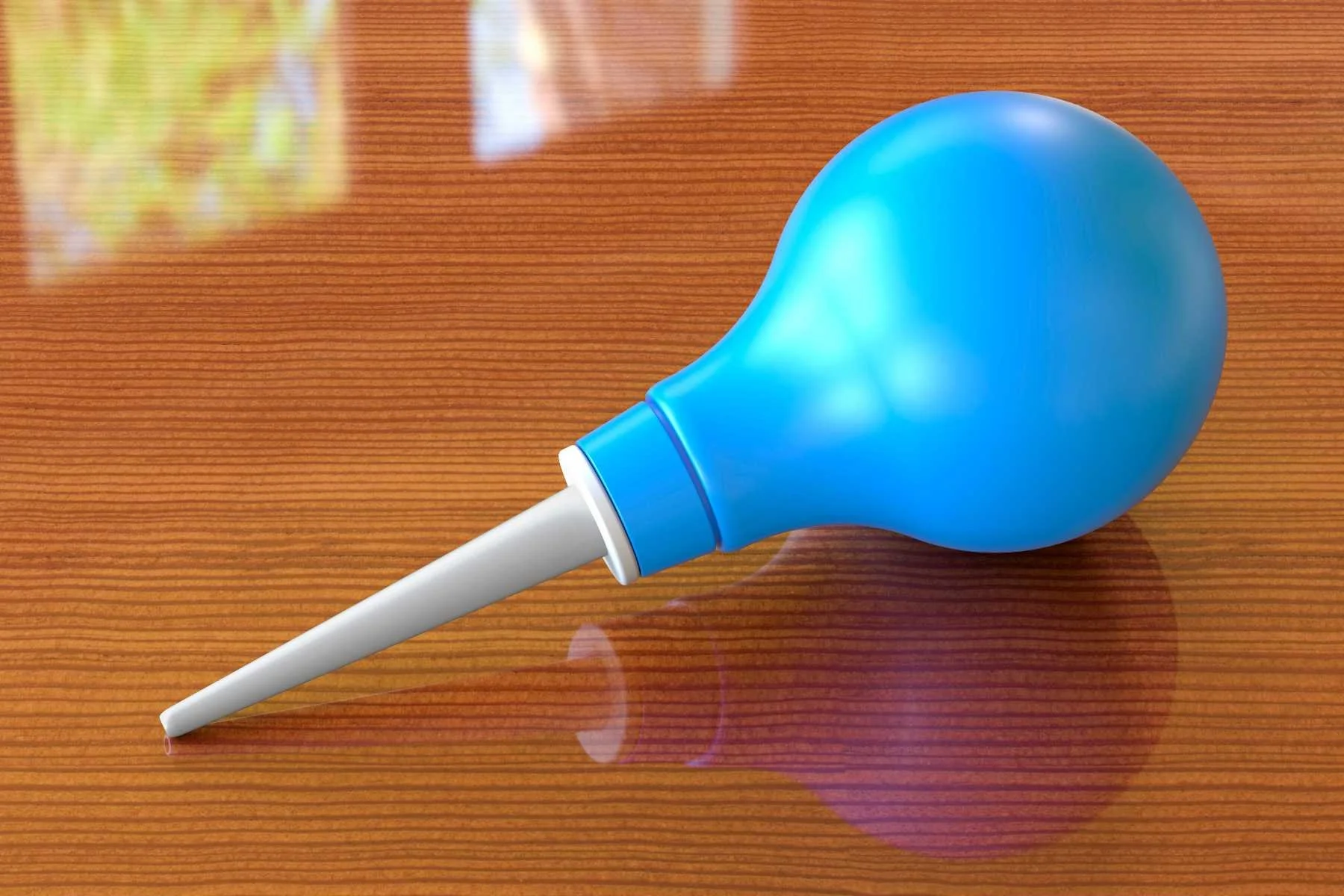
An enema involves introducing a liquid, most commonly water or a saline solution, into the rectum and the lower part of the colon through a nozzle or small tube that is gently inserted into the rectum. The fluid flows into the colon, stimulates the bowel wall, and triggers the urge to go, prompting the release of waste from the lower colon. The entire process is typically done at home using an enema kit, takes anywhere from a few minutes to around half an hour depending on the type, and targets the lower part of the digestive tract rather than the entire colon.
Enemas have been used for thousands of years across many cultures, and they remain a recognized tool in certain medical contexts today. Before certain medical procedures like colonoscopies, enemas are sometimes used to clear the lower bowel for better visibility. They are also used in some clinical settings to address severe constipation that has not responded to other interventions, and in specific situations prescribed by a healthcare provider as part of managing particular medical conditions.

The Different Types of Enemas
Not all enemas involve plain water. The fluid used varies depending on the purpose, and the differences matter. A standard water or saline enema uses clean or lightly salted water to stimulate bowel movement and cleanse the lower colon. Fleet enemas, which are commercially available, use a phosphate solution that draws water into the bowel to stimulate a contraction and prompt elimination. These are the kind most people recognize from a pharmacy shelf and are sometimes used before medical procedures or to provide relief from constipation.
Coffee enemas are a different category entirely and deserve a specific mention because they come up frequently. A coffee enema involves introducing brewed organic coffee into the rectum, and it is used in some alternative wellness and detoxification protocols based on the idea that the coffee stimulates liver and bile duct activity through the portal vein system. Coffee enemas are not endorsed by mainstream medical organizations and carry specific risks, including electrolyte imbalance, infection, and in some cases more serious complications. If you are considering coffee enemas, talking to a healthcare professional before doing so is genuinely important.

What Enemas Are Best Suited For
Enemas are most appropriate as an occasional, targeted tool for specific situations, particularly relief from constipation, preparation for certain medical procedures, or use under medical supervision for a defined health reason. They are not designed to be a regular part of a wellness routine, and using them frequently without a healthcare provider's guidance can irritate the bowel lining, disrupt the electrolyte balance in the body, and over time may make the bowel more reliant on external stimulation to function.
The key distinction is that enemas are designed to cleanse the lower part of the colon, not the entire length of the digestive tract, which limits both their reach and their application as a broader wellness tool.
What Is a Colonic, And How Does It Differ?
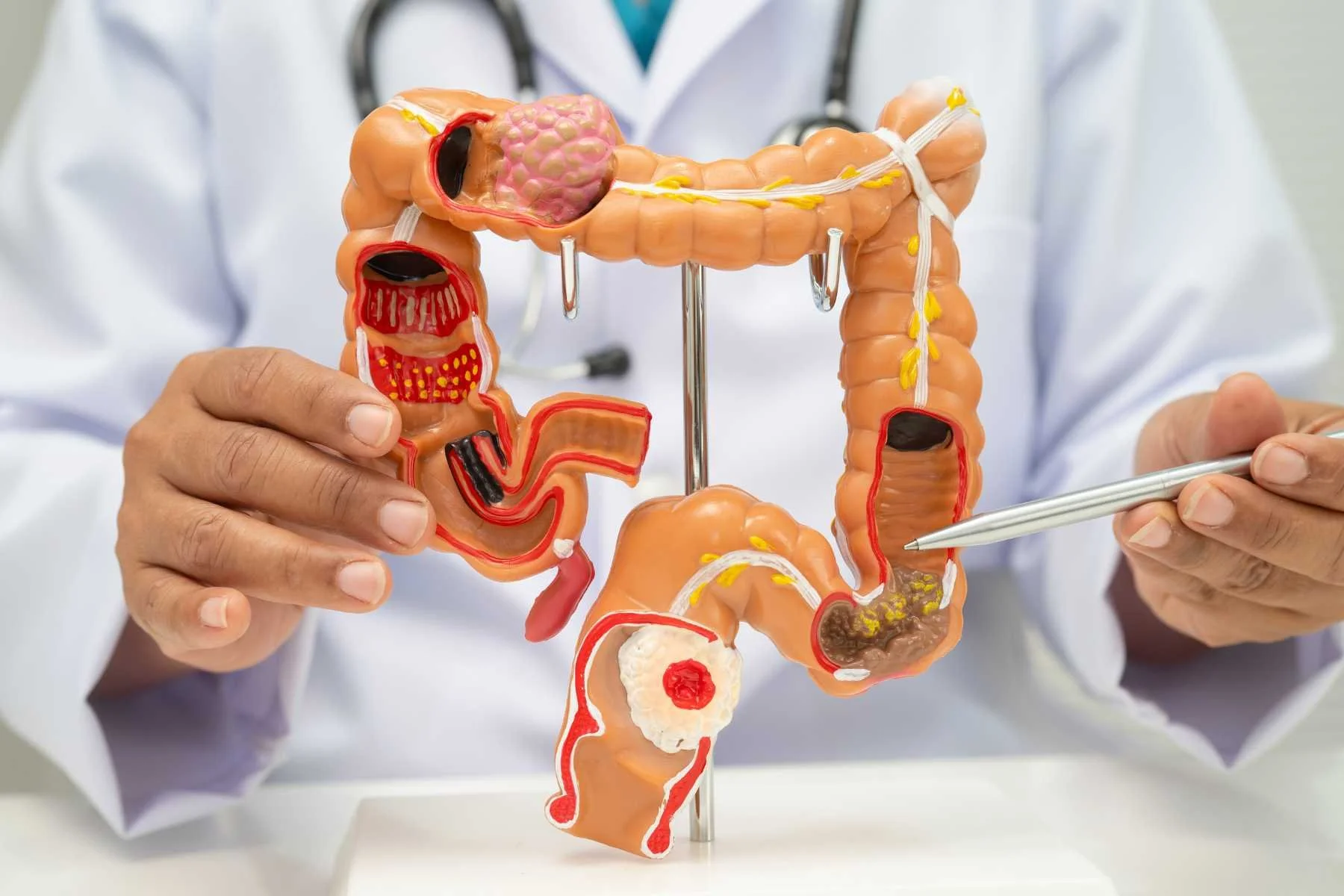
Colonic hydrotherapy, also called colon hydrotherapy, a colonic, or colonic irrigation, is a professionally administered treatment that involves gently flushing the entire colon with warm, filtered water using a controlled, repeating flow rather than a single introduction of fluid. Where an enema reaches the lower part of the colon, a colonic session is designed to cleanse the entire length of the colon, which is approximately five feet of large intestine.
This difference in reach is one of the most significant key differences between the two, and it is directly relevant to what each treatment can address.
During a colonic, water flows into the colon in a series of gentle cycles. As the water flows in, it softens and loosens waste material that may have accumulated along the entire length of the large intestine. That softened waste then flows back out through the system along with gas and other material the body is ready to release. The cycles repeat over the course of the session, which typically lasts between 45 minutes and an hour, allowing the water to reach progressively further into the digestive tract and create a thorough cleanse that an enema simply cannot replicate in terms of coverage.
Read more about the transformative power of colon clean hydrotherapy here.
The Professional Setting and Equipment
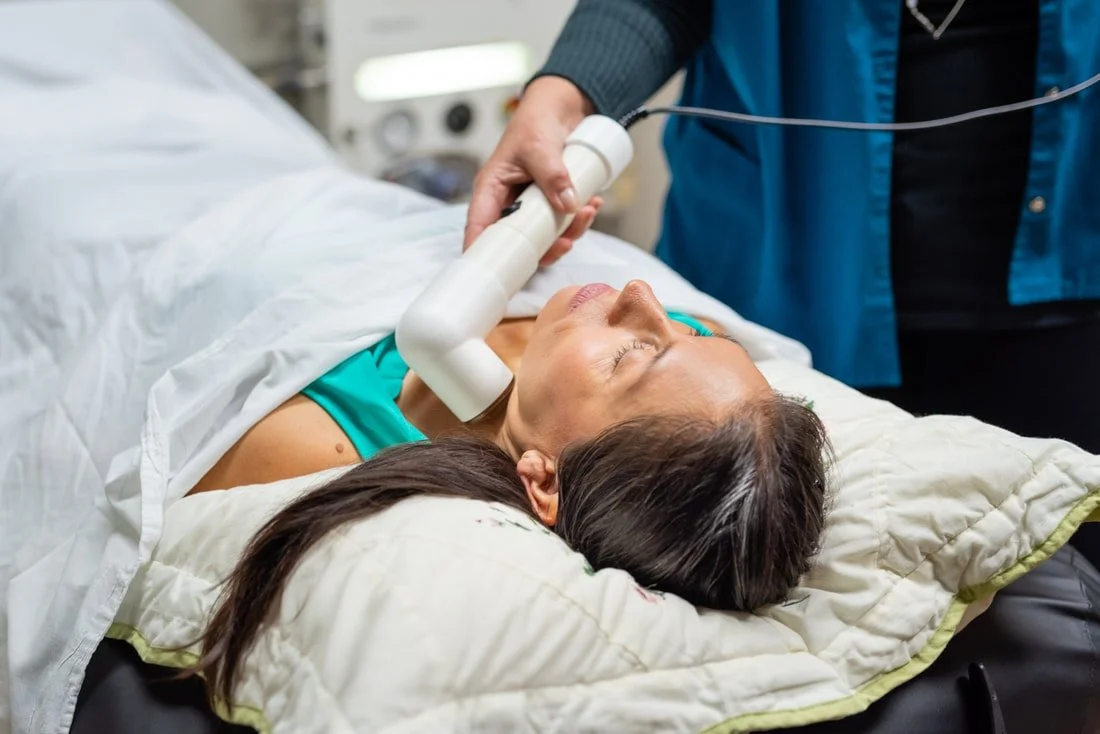
One of the clearest distinctions when comparing enemas vs colonics is the setting. An enema can be self-administered at home using an enema kit, and the use of enemas is typically limited to the lower colon for short-term relief. A colonic, on the other hand, is performed by a trained, certified colon hydrotherapist in a professional wellness setting, using equipment specifically designed for cleansing the colon in a controlled and supportive way. At our studio, we use a LIBBE open system, which is an FDA-registered device that uses warm, filtered water to gently rinse the colon, delivered through a small, sterile, single-use speculum that is gently inserted into the rectum.
Colonic hydrotherapy involves gently flushing the colon with water, supporting the release of accumulated waste from the colon and promoting more comfortable, regular bowel movements. This approach is very different from a home enema, where the reach and control are limited and where frequent use may lead to irritation, as enemas can irritate the bowel lining if overused.
See our full article on getting a Colon Cleanse in Los Angeles here.

In an open system colonic, the client has control over the release of waste, allowing the body to naturally eliminate waste from the body as it is ready, without force or discomfort. The water flows in gently, the body responds in its own time, and the certified colon hydrotherapist monitors everything throughout, from water temperature and flow rate to how you are feeling at every stage of the session. This gentle, guided process supports the release of toxins and waste that may have built up, while maintaining a safe and controlled environment.
That level of professional oversight and equipment precision is completely absent from a home enema, and it is one of the reasons the experience and the outcome are so different, particularly for those dealing with bloating and constipation or ongoing digestive discomfort.

What a Colonic Session Actually Feels Like
This is something people are genuinely curious about before trying colon hydrotherapy, most clients describe the sensation during a colonic session as a feeling of fullness as water enters the colon, followed by a sense of relief and release as the body responds. As the colon is gently rinsed with water, areas where gas or compacted material have been sitting begin to shift, allowing waste and toxins that may have accumulated to move more easily through the system.
There can be mild cramp-like sensations, particularly when the water reaches areas where gas or compacted waste is sitting, and those moments tend to be brief and quickly relieved as the material moves.
The overall experience in our studio is calm and private. The room is quiet and warm, the process is explained fully before anything begins, and clients are never rushed or pressured. The vast majority of people who come in nervous for their first colonic leave describing the experience as far less uncomfortable than they anticipated, and far more relaxing. That relaxation is not just anecdotal, when the nervous system shifts into a calm state, the colon actually becomes more responsive and cooperative during the session, which is why the environment and approach of the clinic you choose genuinely matters.
Key Differences Between Enemas and Colonics
Reach and Coverage
The most fundamental difference between enemas and colonics is how much of the colon is actually addressed. Think of it this way. If your colon is five feet long, an enema addresses roughly the last foot or so. A colonic session is designed to move through the entire length. Waste material can accumulate throughout the large intestine, not just in the section closest to the exit, which is why many people who have tried enemas for digestive discomfort find that a colonic addresses a more complete picture of what has been building up.
Duration, Cycles, and Water Volume
An enema typically involves a single introduction of a relatively small volume of fluid, held for a few minutes, and then released. The whole process at home might take fifteen to thirty minutes from start to finish. A colonic session involves multiple cycles of water flowing into and out of the colon over the course of 45 minutes to an hour, with the water reaching progressively further into the digestive tract as the session progresses and the colon relaxes and responds to the irrigation.

What Each One Is Designed For
Enemas are generally best suited for acute, specific situations, constipation relief, preparation for a medical procedure, or targeted use under medical guidance. They are not typically recommended as a regular wellness practice, and frequent use without medical supervision carries risks including electrolyte imbalance, bowel irritation, and in rare cases more serious complications.
Colon hydrotherapy is designed as a supportive wellness treatment for people looking to address digestive health more comprehensively, whether after travel, a period of dietary change, stress, or as part of an ongoing holistic wellness routine. It is not a medical procedure in the clinical sense, and it does not claim to treat or cure any condition.
What it offers is a professional, thorough, and supportive cleansing of the entire colon in a controlled, comfortable setting, and that distinction places it in a very different category from a home enema both in terms of intent and in terms of what it is actually capable of reaching.

When to Talk to a Healthcare Provider First
Both enemas and colonics fall into the category of practices where a conversation with your healthcare provider is genuinely worthwhile if you have any existing medical conditions, are on medications that affect fluid or electrolyte balance, have a history of gastrointestinal conditions, or are pregnant. This is not about being overly cautious or suggesting that either treatment is inherently dangerous. It is about the simple reality that your existing health picture is relevant to whether and how either treatment is appropriate for you.
We say this clearly in our studio because we believe that holistic wellness and conventional medical care are partners, not competitors. If something about your health history gives us pause during the intake process, we will tell you, and we will point you toward the right kind of support.
Enemas vs Colonic Hydrotherapy
For Constipation Relief
Both enemas and colonics can provide relief from constipation, but they work differently and are appropriate in different contexts. An enema is a faster, more immediately accessible option for acute constipation, particularly if you need relief tonight and do not have access to a colonic appointment. The fluid introduced into the lower colon stimulates contraction and can produce a bowel movement relatively quickly, providing real relief from the discomfort of bloating and backed-up waste.
Colon hydrotherapy is a more comprehensive option for people dealing with chronic or recurring constipation, where the pattern has been building over time and the lower bowel alone is not the full picture. When waste has compacted throughout the length of the large intestine, a thorough cleanse that addresses the entire colon is going to produce a more complete resolution of that pattern than a treatment limited to the lower section. From our experience, clients who come in with longstanding constipation often release material during a colonic session that has clearly been sitting for significantly longer than a few days, and the relief they describe afterward is of a different quality than what they get from occasional enema use at home.

For Digestive Reset After Travel or Diet Changes
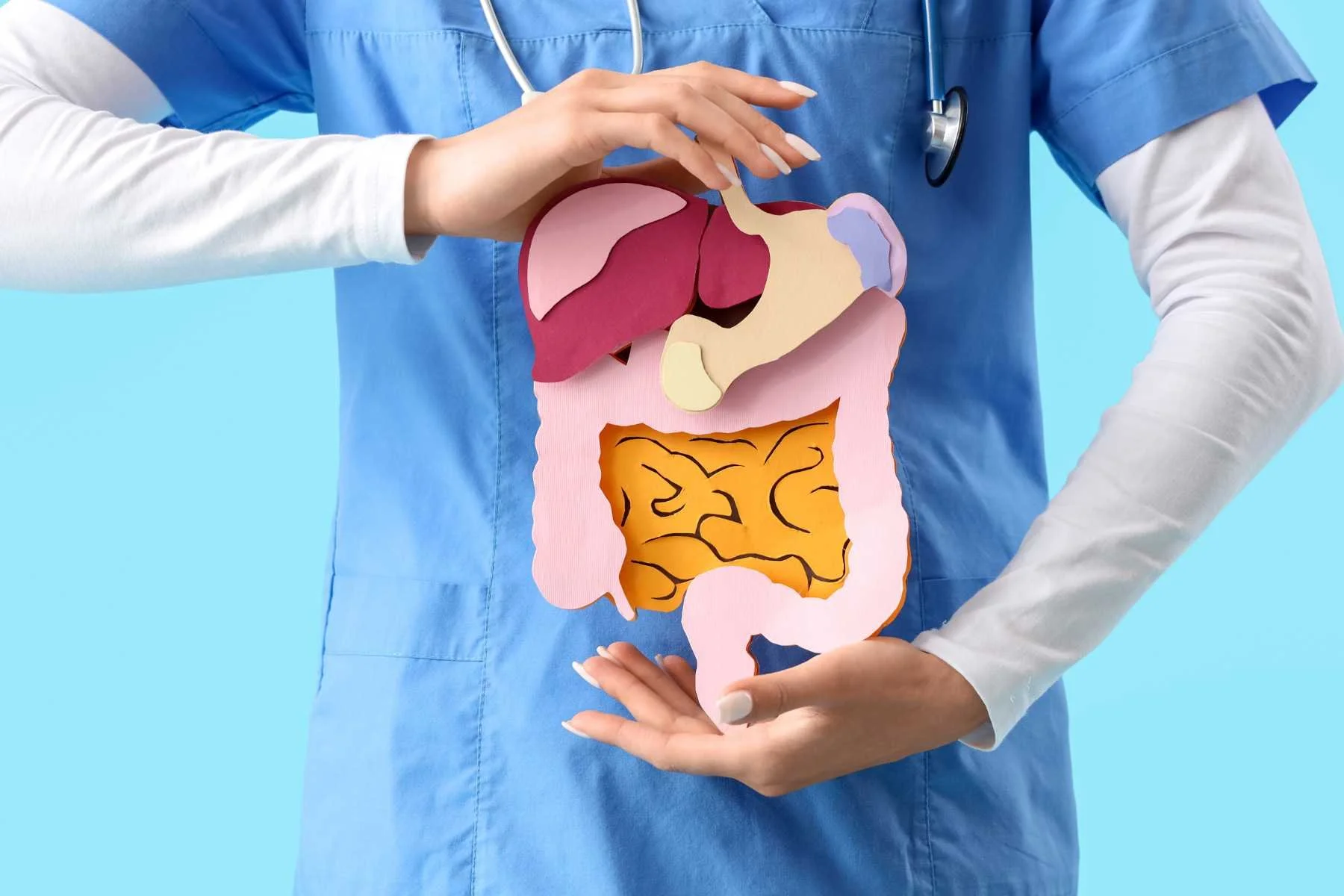
This is an area where colon hydrotherapy genuinely stands apart from enemas as a wellness tool. After a period of travel, holiday eating, dietary disruption, or a stressful season, the entire digestive tract tends to be affected, not just the lower colon. The kind of reset that addresses that broader disruption requires treatment that reaches the full length of the large intestine, combined with the professional observation and guidance that helps you understand what your body is telling you and how to support it going forward.
An enema can take the edge off some of the discomfort in the short term, but it is not going to address what has accumulated in the ascending colon, or the gas trapped at the hepatic or splenic flexures, or the sluggish peristalsis throughout the entire digestive tract. For a genuine reset, colon hydrotherapy is the more appropriate tool, and pairing it with electro lymphatic therapy, as many of our clients do, creates a whole-system approach to recovery that is meaningfully more complete than either treatment alone.
For Ongoing Digestive Health Maintenance
Enemas are not typically recommended as a regular maintenance practice for healthy adults without a specific clinical reason, and that is a consistent position across mainstream medical sources. The risks of frequent use, including bowel dependence, electrolyte disruption, and irritation of the bowel lining, make them a tool for specific situations rather than a routine.
Colon hydrotherapy, when performed by a trained practitioner and approached thoughtfully as one part of a broader holistic wellness plan, is used by many people as a periodic maintenance support for digestive health. Monthly or seasonal sessions alongside good nutrition, hydration, movement, and stress management are a different proposition from frequent enema use, because the professional oversight, the thorough but gentle approach, and the aftercare guidance make it a sustainable practice rather than a dependency. We always encourage clients to think of colon hydrotherapy as support for the body's own natural function, not a replacement for it.
The LIBBE Open System: Colon Hydrotherapy at Fernz Wellness
At Fernz Wellness, our Los Angeles wellness studio, we use the LIBBE open system for all of our colon hydrotherapy sessions. The LIBBE is an FDA-registered, open system device that is specifically designed for professional colon hydrotherapy, and choosing it reflects our commitment to the kind of controlled, comfortable, and safe treatment that we would want for ourselves. The open system design means that you, the client, are always in control of the release during the session. Nothing is forced, nothing is pressured, and the entire process moves at the pace your body sets.
How Colon Hydrotherapy and Electro Lymphatic Therapy Work Together
For many of our clients, colon hydrotherapy is most powerful as part of a broader wellness plan that also includes Electro Lymphatic Therapy, or ELT. The reason these two treatments complement each other so well comes down to the relationship between the colon and the lymphatic system, which we discuss in detail in other articles on our site. In short, when the colon is supported through hydrotherapy and elimination is more efficient, the lymphatic tissue surrounding the digestive organs has a lighter burden to manage.
When that lymphatic tissue is then supported through ELT, the cellular waste and inflammatory byproducts that have accumulated throughout the body have a clearer pathway to be processed and eliminated.

Who Is a Good Candidate for Colon Hydrotherapy
Most healthy adults who are experiencing digestive sluggishness, post-travel heaviness, bloating that has not responded to dietary changes, irregular bowel movements, or who simply want to support their gut health as part of a holistic wellness routine are good candidates for colon hydrotherapy.
People who are newer to the practice and are trying colon hydrotherapy for the first time often come in with a mix of curiosity and nerves, and we genuinely love working with first-time clients because the care we put into explanation, pacing, and comfort almost always transforms that nervousness into something much more positive.
The intake process we do before every session is thorough precisely because we want to be confident that colon hydrotherapy is the right choice for the person in front of us. If we have questions about a client's health history, we ask them. If something in the intake suggests that a healthcare provider consultation should happen first, we say so.
Our goal is always your overall health and well-being, not filling the appointment slot. That commitment to appropriate care is the foundation on which everything else we offer is built.
When an Enema Might Be the Appropriate Choice
If you need acute relief from constipation tonight and do not have access to a professional colonic appointment, an enema may be the most practical immediate option. If your healthcare provider has recommended an enema in preparation for a medical procedure, follow that recommendation. If you are in a remote location, have limited access to wellness services, or are dealing with a very specific and time-sensitive digestive need, an enema kit used carefully and conservatively may be a reasonable short-term tool.
What we would caution against is using enemas regularly at home as a substitute for addressing the underlying patterns that are creating the digestive discomfort in the first place. Constipation that keeps coming back is telling you something about your diet, your hydration, your stress load, your movement habits, or your colon's overall health. Repeatedly treating the symptom without looking at the root is a holding pattern, not a solution.

When Colon Hydrotherapy Is the Better Option
If you are looking for a thorough cleanse that addresses the entire length of the colon rather than just the lower section, if you want professional guidance and oversight rather than managing something alone at home, if your digestive challenges have been building over time rather than appearing acutely, or if you are approaching this as part of a genuine commitment to your digestive health and overall wellness, colon hydrotherapy is the more appropriate and more comprehensive choice.
It is also the better choice if you want to understand what is happening inside your digestive system beyond just whether or not you had a bowel movement. A skilled colon hydrotherapist observes the session closely and can offer observations about what they are seeing, how the colon is responding, whether there appears to be significant gas or compaction in specific regions, and how your body is releasing throughout the process. That practitioner insight is something no enema kit can provide, and for many people it is one of the most valuable parts of the entire experience.
See more on the LIBBE Open System Colon Hydrotherapy here.

Conclusion
Enemas and colonics are not interchangeable. They serve different purposes, reach different parts of the colon, carry different risk profiles, and belong in different contexts. An enema is a targeted, occasional, short-reach tool that is most appropriate for specific acute situations or under medical direction. Colon hydrotherapy is a comprehensive, professionally administered wellness treatment designed to support the health of the entire colon and the digestive system more broadly.
Neither of them is a miracle. Neither of them cures anything. And neither of them replaces the foundational habits of good nutrition, adequate hydration, consistent movement, quality sleep, and stress management that are the bedrock of digestive health. What colon hydrotherapy can do, when chosen thoughtfully and performed well, is provide a level of support for the body's own natural cleansing processes that goes well beyond what any home kit can offer.
If you are in Los Angeles and you are curious about whether it is right for you, we would love to have that conversation.

Common Questions About Colonics vs Enemas
Is a colonic just a fancy enema?
Not exactly. The most important distinction is reach. An enema cleanses the lower part of the colon. A colonic is designed to cleanse the entire length of the large intestine through repeated cycles of warm filtered water. The professional setting, the equipment, the oversight, and the duration are all fundamentally different as well.
How often can I safely use an enema?
Occasional use for acute constipation or specific medical preparation is generally considered safe. Regular or frequent use without medical guidance carries risks including electrolyte imbalance, bowel irritation, and over time, impaired bowel function. If you find yourself relying on enemas regularly, that is worth discussing with a healthcare provider.
Will a colonic hurt?
Most clients describe mild sensations of fullness and occasional brief cramping, particularly when gas or compacted material is moving, but not pain. Discomfort should be mild and temporary.
Do colonics wash away good gut bacteria?
A colonic session does clear material from the colon, which includes some of the bacterial population alongside the waste. This is why we have specific aftercare guidance around supporting the microbiome afterward through fermented foods, fiber, and thoughtful probiotic use. The microbiome in a healthy gut is remarkably resilient, and the evidence suggests that a well-nourished microbiome recovers well after a gentle cleansing session.

Is colon hydrotherapy safe if I have IBS?
Irritable Bowel Syndrome (IBS) is a condition that requires a personalized approach. Some clients with IBS find meaningful relief from gentle colon hydrotherapy, particularly if constipation is their predominant pattern. Others need a more cautious pace or may need to wait for a flare to settle before a session is appropriate. We always conduct a thorough intake and move carefully with any client who has a history of inflammatory bowel conditions. If you have IBS, mentioning it when you book is the most important first step.
See our contraindications page here.
What should I do to prepare for my first colonic cleanse?
Hydrate well in the 24 hours before your session, opt for lighter and easier-to-digest meals, avoid raw cruciferous vegetables in the day or two before, and eat your last full meal at least two to three hours before your appointment. Arriving a little early so you have time to settle and ask questions before we begin makes the whole experience significantly more comfortable.
See more FAQ's here.

Fernz Wellness - Los Angeles Colon Hydrotherapy
Learn more about us here and discover how our services can be a vital part of your journey to optimal health. We look forward to supporting you on your journey to better digestive health and improved well-being.
Our address is 5486 Wilshire Blvd. Los Angeles, CA 90036 and you can also call or text us at (424) 281-9366.

Additional Resources
What Is an Enema? - Cleveland Clinic
Are Colon Cleanses Safe? - Harvard Health Publishing / Harvard Medical School
Your Digestive System: 5 Ways to Support Gut Health - Johns Hopkins Medicine
5 Foods to Improve Your Digestion - Johns Hopkins Medicine
Foods for Constipation - Johns Hopkins Medicine
Feed Your Gut - Harvard Health Publishing / Harvard Medical School
5 Simple Ways to Improve Gut Health - Harvard Health Publishing / Harvard Medical School
Digestive Health Overview - Harvard Health Publishing / Harvard Medical School