How Often to Get a Colonic Cleanse and What to Eat After
Wondering about colon hydrotherapy? Learn how often to get a colon cleanse, what to eat after, and potential benefits.
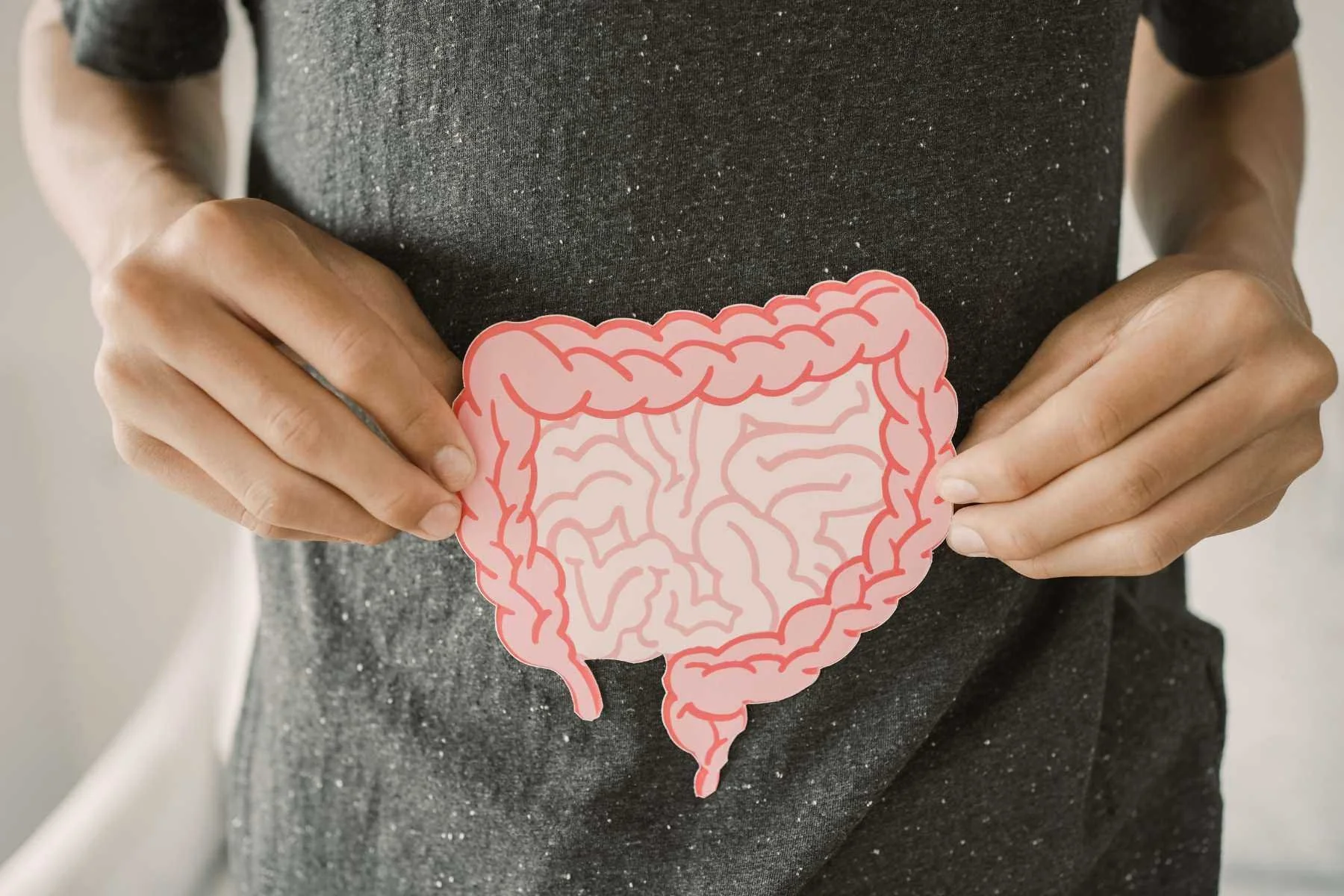
The session itself is only part of the process. Knowing when to return and how to care for your body afterward can help you feel more prepared, comfortable, and confident from the start.
At Fernz Wellness, we have spent years guiding clients through every stage of the experience. This guide covers realistic frequency schedules, what to eat after a colonic, which foods to avoid for a few days, who should not have a colonic, signs to pay attention to, and simple ways to make your results last.

How Often Should You Get a Colonic
Most healthy adults benefit from a colonic every 4 to 8 weeks for general maintenance, while first-time clients or people dealing with constipation often start with a short series of sessions spaced closer together before settling into a longer rhythm. There is no universal colonic maintenance schedule, because the right frequency depends on what you are trying to support and how your body responds along the way.
A colonic, also called colon hydrotherapy or colonic irrigation, gently flushes the colon with warm, filtered water to soften and remove waste along the entire length of the large intestine, which is exactly why both frequency and aftercare matter so much. That said, we can give you realistic ranges based on the goals we see most often in our studio.

First-Timers and Starter Series
If this is your very first colonic, your body is adjusting to something new, and one session is often the beginning of the process rather than the whole of it. Waste material can accumulate gradually over months and years, and a single visit usually addresses what is closest to the surface rather than everything that has been sitting deeper in the colon.
This is why many therapists, ourselves included, often suggest a starter series for new clients. A typical starting point is two or three sessions spaced about seven to ten days apart. That spacing gives your body time to rest and respond between visits while still keeping enough momentum to make meaningful progress.
After that initial series, most people transition into a longer maintenance rhythm. None of this is about doing more for the sake of it. It is about giving your body a fair chance to reset before you decide what ongoing frequency feels right for you.

General Maintenance
Once you are past that first stretch, maintenance is where most people settle in for the long term. For general wellness, a colonic every 4 to 8 weeks is a sensible and sustainable rhythm. Some clients prefer monthly colonics because it lines up neatly with how their body feels, while others find that every six to eight weeks is plenty. Monthly colon hydrotherapy is safe for most healthy adults when it is paired with good nutrition, steady hydration, and movement. The goal of maintenance is to support your body's own natural elimination, not to replace it, so think of these sessions as one consistent habit alongside everything else you do for your overall wellness.
If you want to learn more about why people keep coming back, see top reasons to get a colonic cleanse.

Constipation and Sluggish Digestion
If you are dealing with constipation or chronically sluggish digestion, your needs are a little different. In the short term, sessions spaced closer together can help soften and release what has compacted over time, especially when the pattern has been building for a while. We often work through this with a supportive series rather than a single visit.
The important part, and the part we never skip, is lifestyle support. Colon hydrotherapy works best alongside more fiber, more water, more movement, and better stress management, not as a substitute for any of those things. We are genuinely careful here, because the goal is to help your body work better on its own, never to create reliance on the treatment.
If constipation is your main concern, see our articles on colon hydrotherapy for constipation relief and why chronic constipation can be dangerous.

Seasonal Reset or Wellness Cleanse
A lot of people like to time their colonics around the seasons, and it makes a certain intuitive sense. After a winter of richer food, after the holidays, after a stressful work stretch, or when inflammation and heaviness start to creep in, a seasonal reset can be a satisfying way to feel like yourself again. Four times per year, roughly at each change of season, is a common and gentle cadence for people who do not need more frequent support.
A seasonal session pairs beautifully with the other lifestyle resets people tend to make at those moments, like cleaning up their diet, moving more, and prioritizing sleep. It becomes a marker, a small ritual that nudges everything else in a healthier direction.

Pre-Event, Vacation, or Post-Travel
Then there are the practical, life-driven reasons. Plenty of clients come in before a wedding, a photoshoot, a vacation, or any moment where they want to feel light and comfortable in their body. Others come in after travel, when bloating, sluggishness, and that backed-up heaviness have set in from days of plane food, time zone changes, and less water than usual. A colonic can be a helpful quick reset in these moments, particularly when you pair it with good hydration before and after.
Travel in particular tends to disrupt the entire digestive system, not just the lower colon, which is something we explore in depth in our guide to colon hydrotherapy after travel, stress, or diet changes.
If you have a big trip coming up or just landed and feel off, this is one of the common reasons people walk through our door.

Can You Get Too Many Colonics?
Yes, it is possible to overdo it, and we would rather be honest with you about that than tell you what sells more sessions. Like any wellness practice, colon hydrotherapy is best in a thoughtful rhythm rather than to excess. But the worry you sometimes hear about, that colonics make your bowel dependent on them, is more of a concern with the frequent, unsupervised use of harsh laxatives and at-home methods than with occasional, gentle, professionally guided sessions paired with real lifestyle support.
Electrolytes, Minerals, and Gut Flora
Doing too many colonics, too close together, with no attention to the rest of your health, can throw off your body's balance and, in extreme cases, contribute to an electrolyte imbalance. The two things worth being mindful of are your electrolytes and your gut flora. Because a session moves water and material through the colon, your minerals and hydration matter, which is why we always emphasize drinking enough water and, for some people, adding electrolytes around your sessions.
A colonic also clears some of the bacterial population along with the waste, so giving your gut microbiome thoughtful support afterward through fermented foods, fiber, and a sensible approach to probiotics is part of doing this well. The healthy gut is remarkably resilient and recovers nicely from a gentle session, but that recovery is something you support, not something to ignore.
What Responsible Colon Hydrotherapists Recommend
What we actually recommend is moderation guided by your body. For most healthy adults, that looks like a starter series if you are new, then maintenance every 4 to 8 weeks, with closer spacing only for a defined short-term goal. If you find yourself wanting colonics constantly, or relying on them in place of basic gut care, that is a signal to step back and look at your diet, hydration, stress, and movement instead. We will always tell you when we think you do not need another session. Our commitment is to your health, not to filling the schedule, and that honesty is the foundation of everything we do.

Signs You're Due for a Colonic
A few specific signals are worth watching for. Bloating and gas that stick around through the evening no matter what you eat, digestion that feels slow with a sense of incomplete elimination, and constipation or a noticeable change in your usual bowel movements all point toward needing some support. So does post-travel heaviness, jet lag, and that backed-up feeling after flying, along with puffiness or fluid retention that does not seem tied to anything obvious. Many people also feel weighed down after a weekend or holiday of richer food and drinks.
One of the most useful habits you can build is paying attention to what your stool is telling you, because it is one of the clearest windows into your digestive health. Our Bristol Stool Chart guide breaks down what healthy elimination should look like and when things are drifting off track. And if bloating is your recurring complaint, our article on understanding bloating and gas digs into the causes and what helps.
You do not need to wait until things feel extreme to do something supportive. Gentle, consistent care tends to work far better than waiting for a crisis, and a colonic is most pleasant and productive when you come in feeling a little off rather than completely miserable.
What to Eat After a Colonic
What you eat after a colonic shapes how you feel for the next couple of days. Your colon has just been through a gentle cleansing process, and the goal afterward is simple. Be kind to your digestion, rehydrate, and ease back into food rather than overwhelming a system that is in reset mode.
The First Few Hours After Your Colon Hydrotherapy Session
The hours right after your session are about hydration and gentleness above all else. We recommend waiting at least an hour before eating anything, and using that window to drink water steadily and let your body settle. Hydration is the single most important piece of colon hydrotherapy aftercare, so keep sipping throughout the day rather than gulping a large amount at once.
When you do reach for something, keep it light, warm, and easy to digest. Some of the best foods after colon hydrotherapy in those first few hours are coconut water and herbal teas like peppermint or chamomile, which support hydration and gentle digestion. Bone broth or a simple vegetable broth is soothing and nourishing for the gut lining, and steamed or lightly cooked vegetables are easy on the system. If you want something more substantial, a simple smoothie made with fruit and a little healthy fat works nicely.
For some people, adding a small amount of electrolytes to their water helps maintain fluid balance, especially if they tend to feel dehydrated easily. What you want to avoid in this window is anything heavy, greasy, or hard to break down, since that asks a lot of a digestive system that is still settling.

What to Eat the Rest of Day One
As the rest of day one unfolds, you can keep building on that gentle foundation. Think warm, cooked, and comforting rather than raw and complex. Soups, cooked vegetables, soft grains if you eat them, and easy-to-digest meals are all excellent choices. A bowl of vegetable soup, some roasted squash, or a simple piece of cooked fish with steamed greens is exactly the right energy for the day of your session.
This is also a lovely time to gently reintroduce probiotic foods, which help support your gut microbiome as it rebalances. A small amount of sauerkraut or kimchi, a little quality yogurt or kefir if you tolerate dairy, or another fermented food you enjoy can all be wonderful here. Keep the portions modest and listen to how your body responds.

What to Eat on Day Two
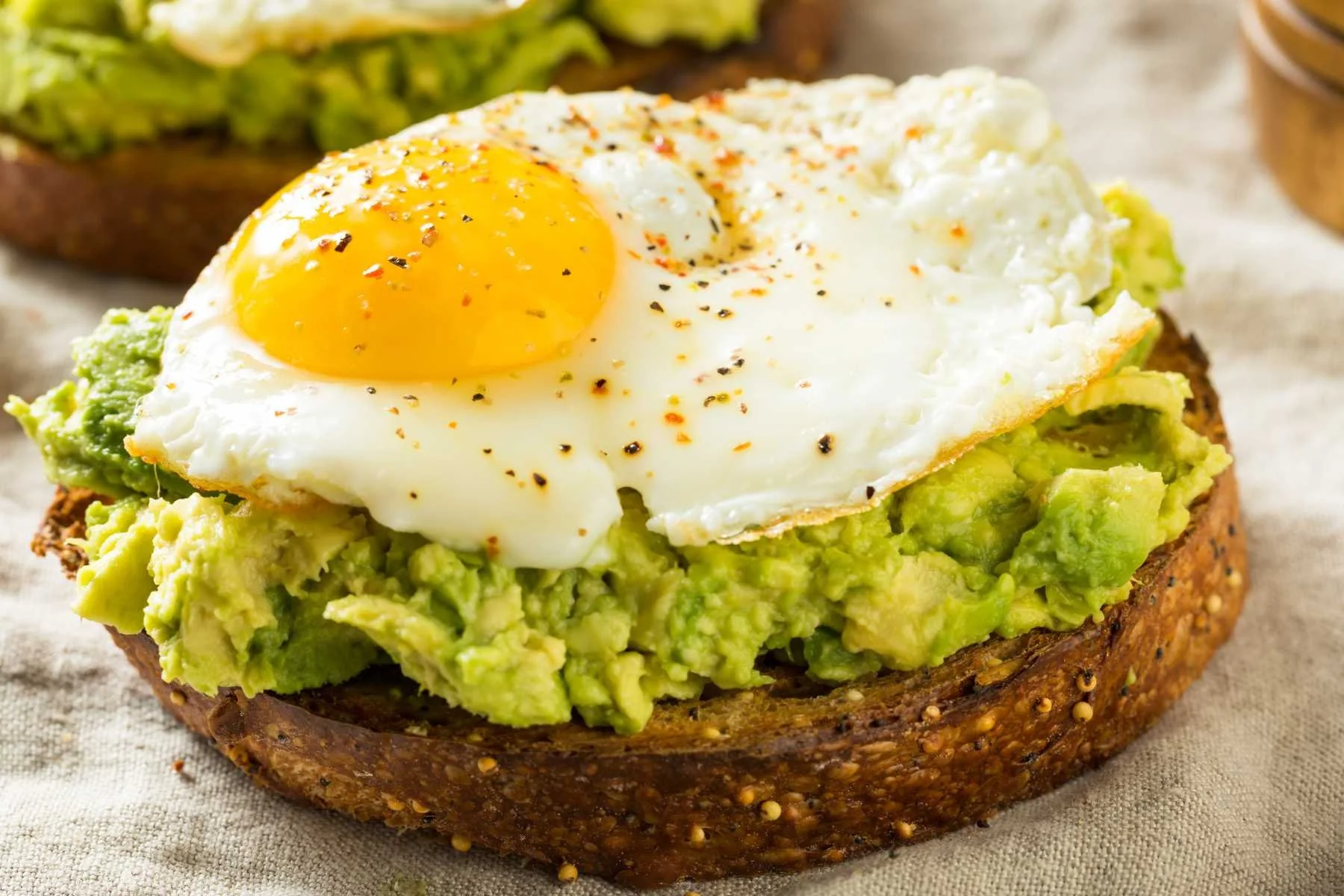
By day two, you can begin returning to your normal way of eating, just thoughtfully. This is when you gradually reintroduce more fiber from fiber-rich foods, add back healthy fats, and bring in lean protein to round out balanced meals. Avocado, olive oil, nuts and seeds in moderation, eggs, fish, chicken, and beans are all good additions as your digestion comes fully back online.
The word to keep in mind is gradual. Reintroduce fiber at a steady pace rather than all at once, since a sudden jump can cause gas and bloating even when the food itself is healthy. By the end of day two, most people are comfortably back to their usual meals, ideally with a renewed appreciation for how good light, whole, well-hydrated eating actually feels.
Foods to Avoid After a Colonic for 48 Hours
For about 48 hours after your session, there are several foods worth skipping while your digestion finds its footing. Alcohol is at the top of the list, because it is dehydrating and irritating to a freshly cleansed colon, which works directly against the hydration you are trying to rebuild.
Fried and greasy foods sit heavily and can undo the lightness you just created, and processed foods tend to be high in salt and additives that promote bloating and water retention. Excess sugar is worth pausing on too, since it feeds the gas-producing bacteria and yeast you are trying to bring back into balance.
Heavy red meat and large portions of meat are slow to digest and ask a lot of the colon, and raw cruciferous vegetables like broccoli, cauliflower, cabbage, and Brussels sprouts, while genuinely healthy, produce significant gas during digestion.
Large amounts of caffeine round out the list, since they can dehydrate a gut that is meant to be resting. None of this is about restriction for its own sake. Each of these foods either dehydrates you, slows digestion, or stirs up gas and bloating at the exact moment your body wants calm and hydration.

A Simple Two-Day Eating Rhythm
If it helps to picture it, here is a simple two-day rhythm. On day one, you might start with warm herbal tea and a small fruit smoothie with a spoon of nut butter, then have a vegetable and bone broth soup with soft, cooked vegetables for lunch, and steamed greens with cooked white fish or a simple lentil stew for dinner. Coconut water, herbal teas, and a little sauerkraut or kefir make easy snacks throughout the day.
On day two, you can move toward oatmeal with berries and a drizzle of olive oil or some seeds for breakfast, a grain bowl with cooked vegetables, avocado, and a little lean protein for lunch, and roasted vegetables with chicken or fish and a small portion of whole grains for dinner. Fresh fruit, a handful of nuts and seeds, or hummus with cooked vegetables are good snacks as your appetite returns.
Adjust this to your own preferences and any dietary needs. The throughline is warm, simple, hydrating, and gentle, easing back toward your normal meals by the end of day two.
If you want to go deeper on building a gut-friendly plate, seee our guide to leaky gut and the foods that support intestinal health.

A Normal Delay in Bowel Movements After a Colonic
If you are wondering how long after a colonic you will poop, it is completely normal not to have a bowel movement for one to three days after a session. People expect things to ramp up immediately, and sometimes they do, but just as often the colon takes a short pause while it resets, simply because so much was already cleared during the session. A quiet day or two afterward is not a sign that something is wrong.
During that window, the most helpful things you can do are to keep your hydration up, since water is what keeps everything soft and moving through the digestive tract. Add gentle movement like a walk, which encourages the natural wave-like motion of the colon. And reintroduce fiber gradually over those couple of days to give your digestion something to work with as it comes back online. Most people find their rhythm returns naturally within a few days, often feeling lighter and more regular than before.
That said, you should reach out to your provider, and to a medical professional if needed, if you experience anything beyond a quiet pause. Persistent or severe abdominal pain, significant bloating that does not ease, or ongoing digestive issues that stretch well past a few days are worth a conversation rather than waiting.

Who Should Not Get a Colonic and Is It Safe?
When colon hydrotherapy is performed by a trained, certified practitioner in a clean, professional setting, with a thorough intake beforehand, it is considered safe for most healthy adults. The gentle introduction of warm, filtered water, with sterile single-use equipment and careful monitoring throughout, is a far cry from harsh at-home methods. But safe for most does not mean appropriate for everyone, and being honest about that is one of the most important parts of doing this responsibly.
There are real situations where a colonic is not the right choice, see our contraindications page here.
How to Find a Safe, Certified Colon Hydrotherapist
The single biggest factor in whether colon hydrotherapy is safe and pleasant is who you choose to work with, so it is worth being selective. Look for a certified colon hydrotherapist with genuine training and experience, and do not hesitate to ask about their credentials. Ask how they handle sanitation, because clean, sterile, single-use equipment is non-negotiable. A reputable studio uses an FDA-registered device and disposable components for every client.
Beyond the technical side, pay attention to professionalism. A good practitioner asks questions before recommending anything, and creates a calm, pressure-free environment where you never feel rushed into a package you do not need. They should be honest about what the treatment can and cannot do, and willing to refer you elsewhere when something falls outside their scope.
Our guide to choosing the best colonics in Los Angeles walks through exactly what to look for, and our 12 tips from a certified Los Angeles colon hydrotherapist covers prep, aftercare, and what a quality experience should feel like.

Additional Lifestyle Habits That Support Colon Health
Beyond the core basics, a handful of small, specific habits can meaningfully support your digestion day to day, and they cost almost nothing. These are the little practices we share with clients who want to get the most from their care between visits.
Walking after meals is one of the simplest and most effective. A gentle ten to fifteen minute walk after eating helps stimulate digestion and keeps things moving naturally. Abdominal self-massage is another easy tool, where you use gentle, clockwise circular pressure across your lower belly to encourage the colon's natural direction of flow. Nervous system regulation deserves a place on the list too, since practices like slow abdominal breathing shift your body into rest-and-digest mode, where digestion actually works best.
Reducing ultra-processed foods, even modestly, lightens the inflammatory load on your gut and lets your microbiome thrive. And keeping consistent meal timing, eating around the same times each day, gives your digestive system the predictable rhythm it relies on.

Fernz Wellness - Los Angeles Colon Hydrotherapy
Learn more about us here and discover how our services can be a vital part of your journey to optimal health. We look forward to supporting you on your journey to better digestive health and improved well-being.
Our address is 5486 Wilshire Blvd. Los Angeles, CA 90036 and you can also call or text us at (424) 281-9366.

Conclusion
How often you should get a colonic depends on your goals, your body, and your life, not on a fixed number someone hands you. For most people, that means a starter series if you are new, then maintenance every 4 to 8 weeks, with adjustments for constipation, seasonal resets, or travel. Just as important is what comes after. Thoughtful aftercare, hydration, gentle food, and the daily habits that support your gut, is what turns a single good session into lasting results.
And above all, safety and provider quality matter. The right frequency and the best aftercare in the world cannot make up for the wrong practitioner, so choose someone certified, careful, and honest, and always share your full health history before you book. Listen to your body, favor consistency over extremes, and treat your digestion with the same kindness you would offer a friend. It tends to respond in kind.
If you are in Los Angeles and want personalized guidance on frequency, aftercare, and whether colon hydrotherapy is right for you, we would love to help. At Fernz Wellness, we take the time to understand your body and your goals, and we will build an approach that actually fits your life. Come see us, and let us help you feel as good as your body is capable of feeling.
Book your session here, and bring your questions. It is a simple way to take the first step toward feeling your best, and we genuinely look forward to meeting you.

Frequently Asked Questions
How often is too often?
For most healthy adults, getting colonics more frequently than your body needs, with no attention to diet, hydration, and lifestyle, is too often. Maintenance every 4 to 8 weeks suits most people, with closer spacing reserved for a defined short-term goal. If you feel like you are relying on colonics constantly, that is a signal to focus on your daily gut care.
What should I eat the night after a colonic?
Keep it warm, light, and easy to digest. A vegetable or bone broth soup, steamed vegetables, and a small portion of easily digested protein are ideal. Skip alcohol, fried food, dairy products, and heavy meals, and keep drinking water through the evening.
Can I work out after a colonic?
Gentle movement like walking or light stretching is great and even encouraged. Hold off on intense, strenuous workouts for the rest of that day, since your body is in a resting, rehydrating state. You can return to your usual exercise routine the next day.

How long until I see results?
Many people report feeling lighter and clearer right after a session, while others notice the benefits unfold over the following day or two as their body integrates the experience. Longer-term improvements in regularity and comfort tend to build with consistent sessions and good daily habits.
Can colonics help with bloating?
Many clients find that colon hydrotherapy provides real relief from bloating and that backed-up, heavy feeling, especially after travel or richer eating. Pairing it with hydration, fiber, and stress management tends to produce the most lasting comfort.
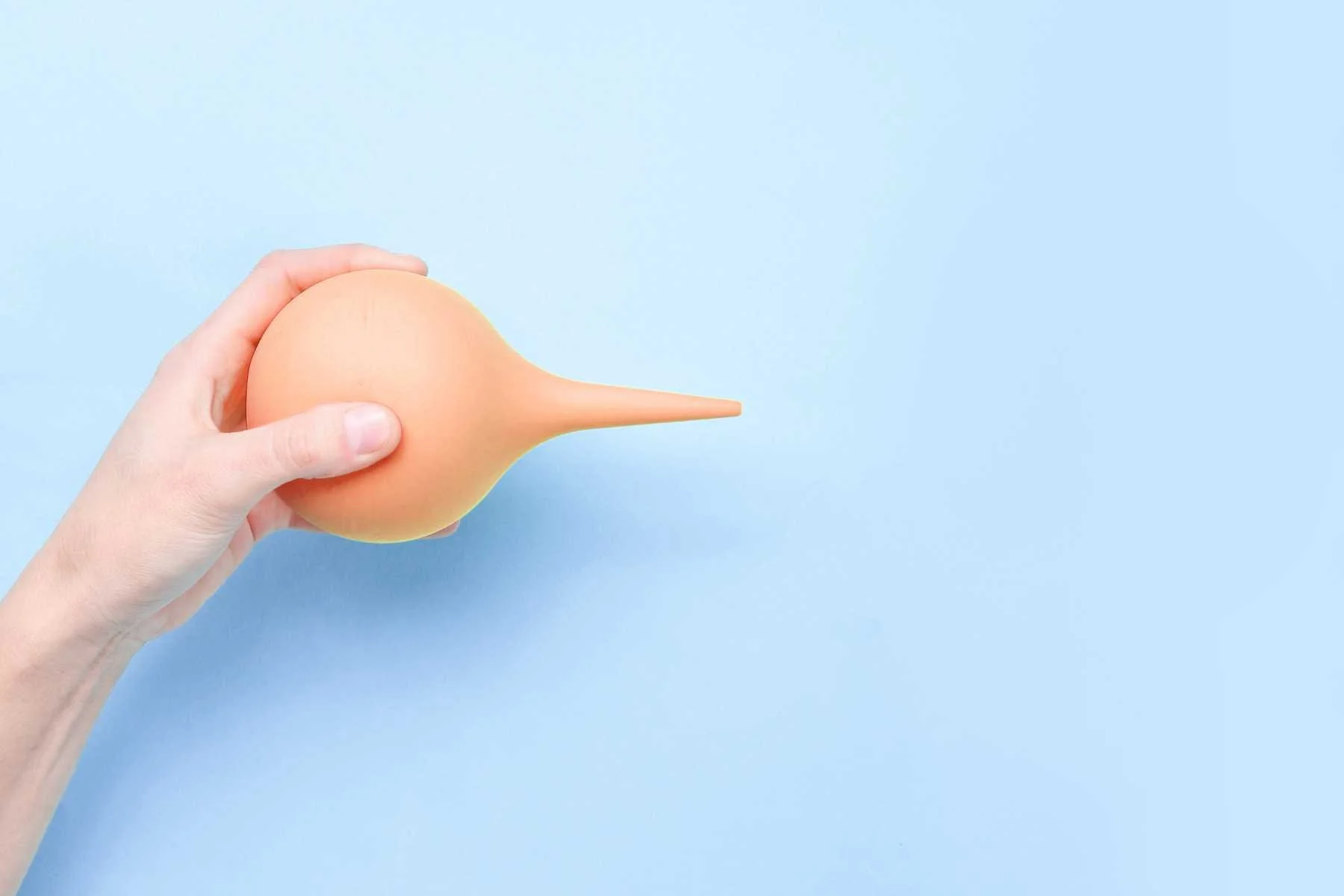
Is a colonic the same as an enema?
Not exactly. An enema works on the lower part of the colon and is usually a quick, at-home option for occasional, acute relief, while a colonic, also called colon hydrotherapy or colonic irrigation, gently flushes the entire length of the large intestine over a full session with a certified practitioner. If you want the full comparison, our guide on the difference between a colonic and an enema breaks it down in detail.
What should I drink after a colon hydrotherapy session?
Water is the priority, sipped steadily throughout the day rather than all at once, since hydration is the most important part of aftercare. Herbal teas like peppermint or chamomile are soothing and support gentle digestion, coconut water is a nice option, and for some people a small amount of electrolytes helps maintain fluid balance, especially after travel.

Additional Resources
Feed Your Gut - Harvard Health Publishing / Harvard Medical School
Eating for a Healthy Colon – Rush University Medical Center
5 Things to Know About Colonic Cleanses
What Is an Enema? - Cleveland Clinic
Are Colon Cleanses Safe? - Harvard Health Publishing / Harvard Medical School
Your Digestive System: 5 Ways to Support Gut Health - Johns Hopkins Medicine
5 Foods to Improve Your Digestion - Johns Hopkins Medicine
The Advantages of Regular Colon Cleansing – Medisential
Colon Cleanse: What You Need to Know - Healthline
Natural Colon Cleanse: Benefits, Types, Effectiveness, and Risks
*The services provided by Fernz Wellness are intended for general wellness and educational purposes only. They are not designed to diagnose, treat, cure, or prevent any medical condition. Please consult with a healthcare provider before starting any new treatment or wellness routine. Results may vary.