Benefits of Lymphatic Drainage After Liposuction in LA
Heal faster after your lipo in LA! Discover the benefits of a lymphatic drainage massage after liposuction to reduce swelling and help your recovery.

Lymphatic drainage after liposuction may help reduce post-op swelling, support the movement of trapped fluid, ease tightness, and make your body feel less heavy while it heals. In Los Angeles, most liposuction clients start looking for gentle post-op lymphatic drainage because they feel swollen, tender, tight, and unsure whether what they are feeling is normal. If that sounds like where you are right now, you are in the right place.
Swelling after liposuction is completely expected. So is bruising, tenderness, firmness, uneven puffiness, and that strange sensation of being tight and heavy in areas that used to feel soft. Your body has just been through a procedure, and it responds the way bodies do, by sending fluid to the area and working to heal.
At Fernz Wellness in Los Angeles, we offer Electro Lymphatic Therapy, or ELT, for liposuction patients and others recovering from body contouring, always with respect for what your surgeon has told you. Start only when your surgeon has cleared you, and think of lymphatic drainage as supportive care that works alongside your compression garment, walking, hydration, wound care, and follow-up appointments, not as a cure or replacement for any part of your recovery plan.
This guide will walk you through the real benefits, when people usually start, how many sessions people tend to book, what is normal and what is not, the difference between manual lymphatic drainage and ELT, and how to choose a provider you can actually trust.
What Is Lymphatic Drainage After Liposuction?
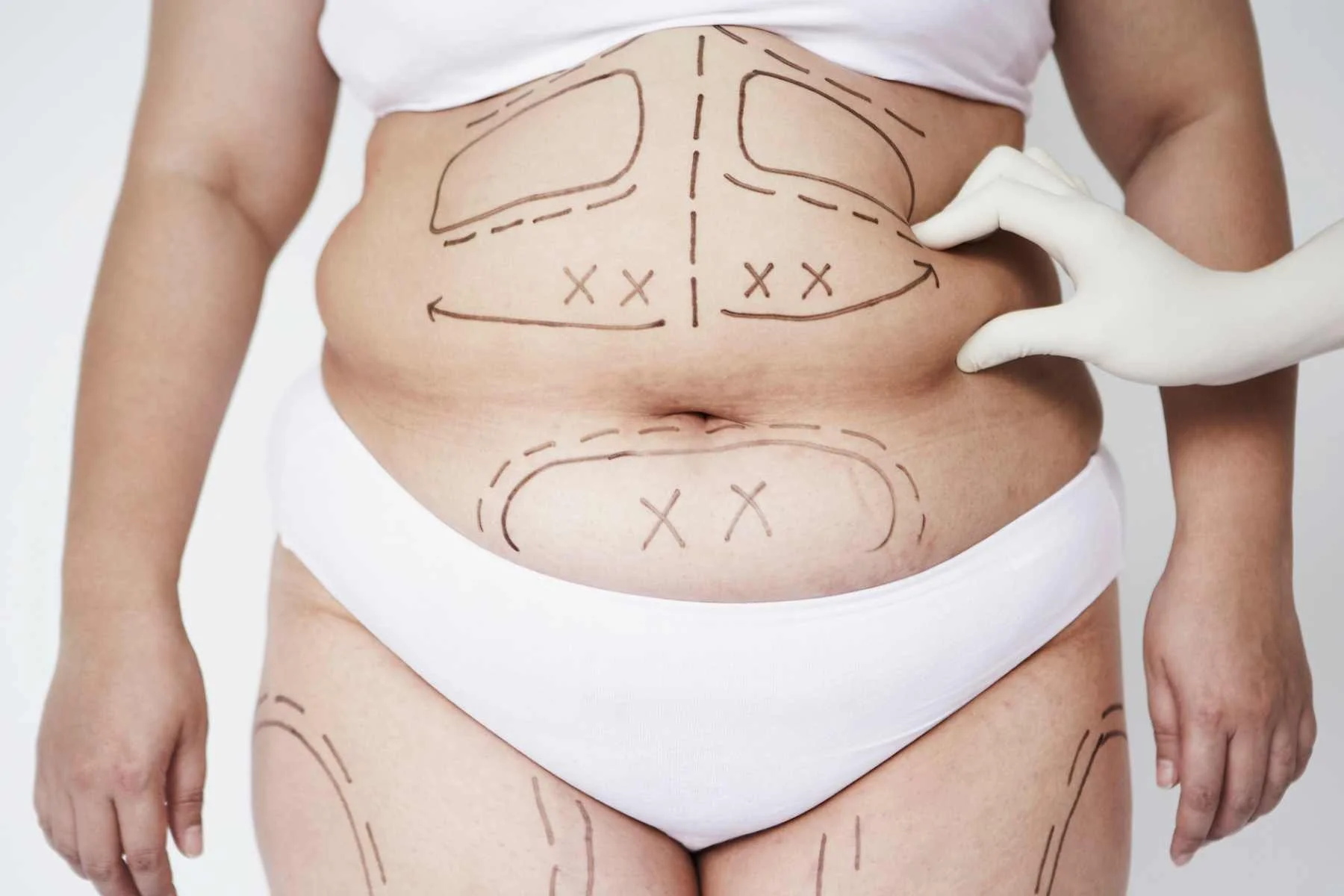
Lymphatic drainage after liposuction is a gentle post-operative support technique designed to encourage lymph fluid to move, reduce temporary fluid buildup, and support your body’s natural swelling response after surgery.
The first thing to understand is that ELT is not deep tissue massage. It is the opposite. Deep, aggressive pressure is exactly what you do not want early after liposuction. This gentle approach uses light, rhythmic strokes and intentional movement instead.
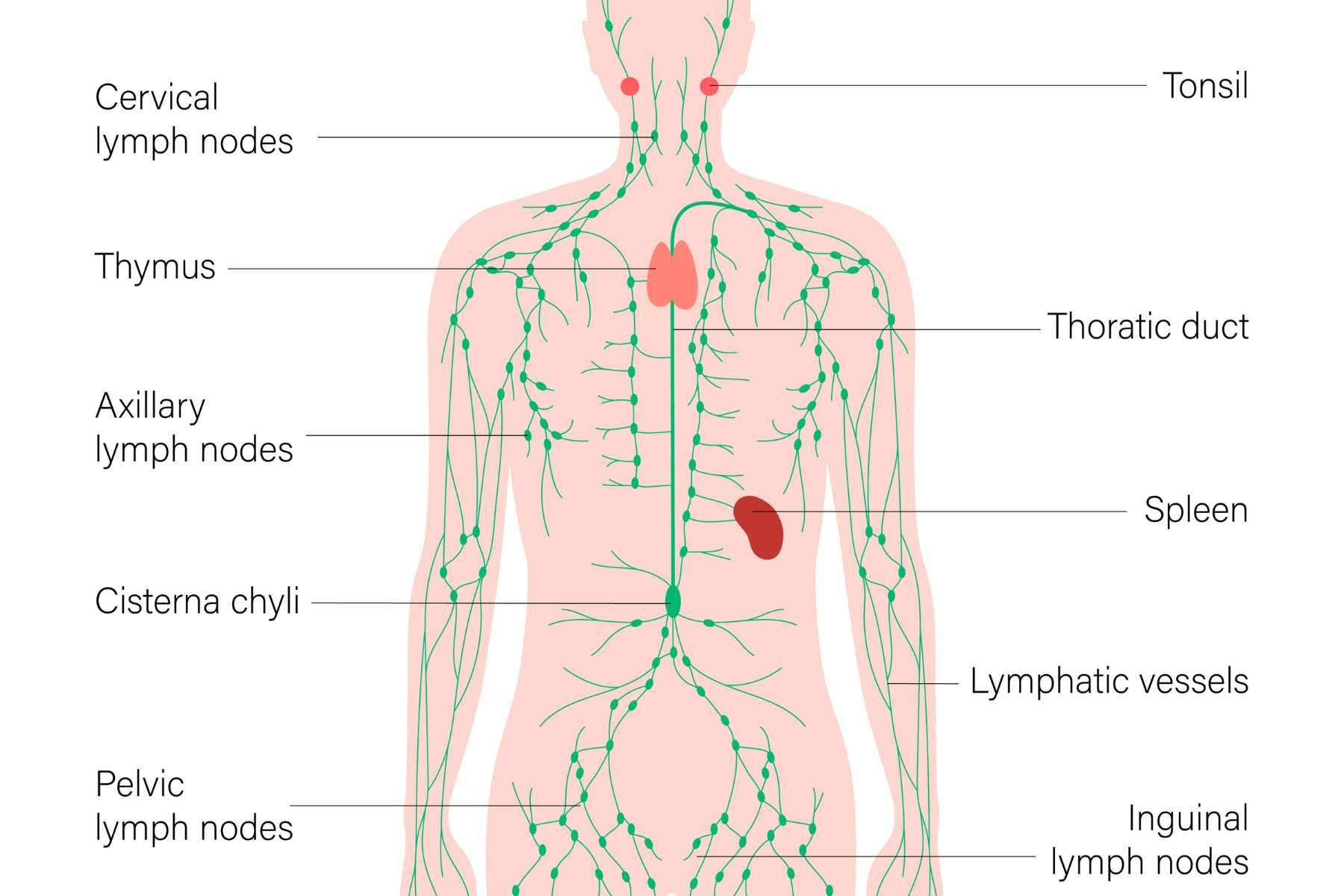
Your lymphatic system is your body’s internal drainage network. It handles the removal of cellular debris, moves fluid and immune cells, and helps maintain fluid balance, carrying waste toward your elimination pathways through a web of lymphatic vessels and nodes. Since the lymphatic system has no pump of its own the way your heart moves blood, it relies on movement, breath, muscle contraction, and gentle stimulation to keep flowing.
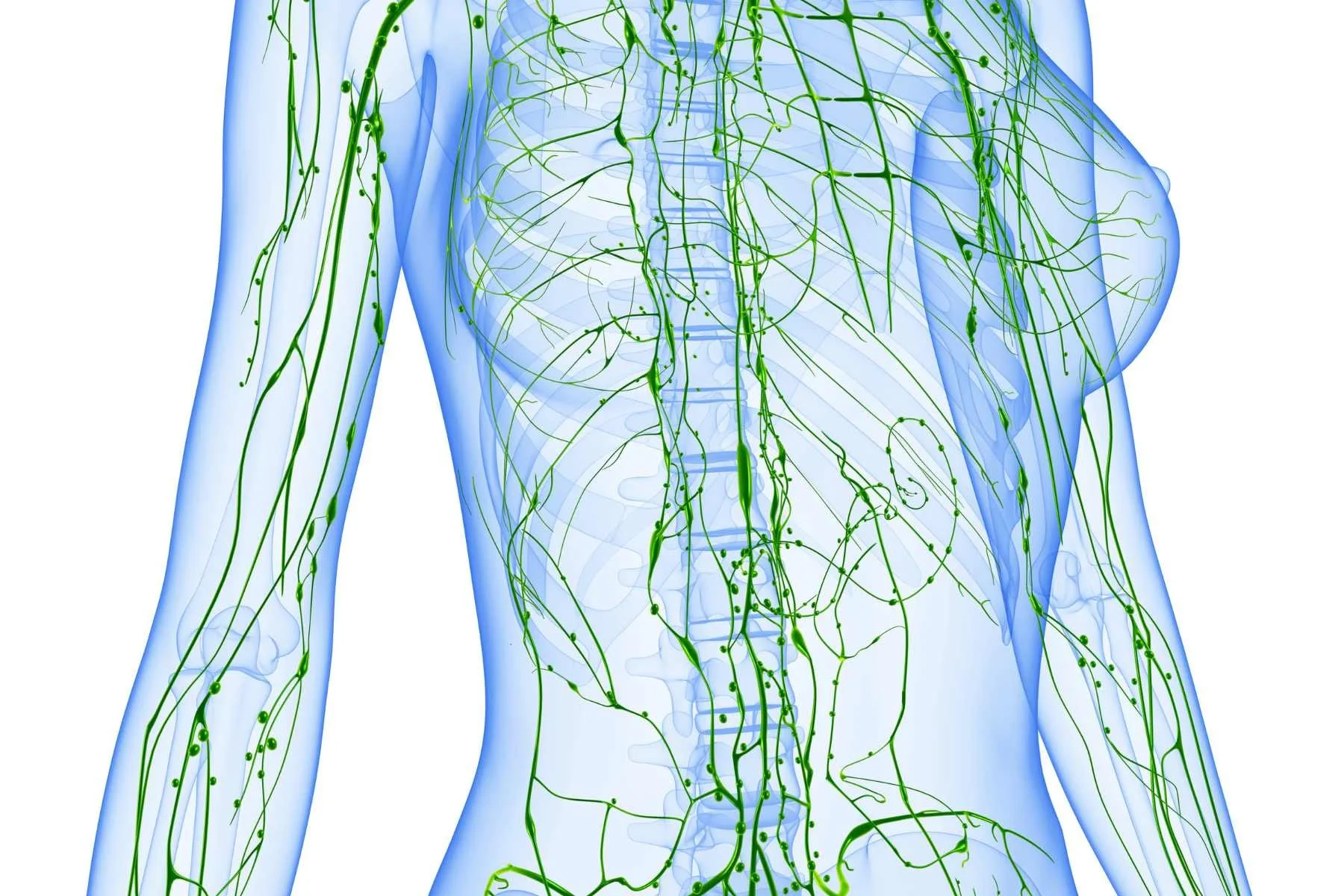
We wrote a full breakdown of how this system works in our complete guide to lymphatic drainage in Los Angeles if you want to go deeper.
After liposuction, the tissue in the treated area has been disrupted, and inflammation is part of the healing response, so normal lymphatic function can be temporarily overwhelmed. That inflammation can slow fluid movement, which is why you feel puffy, heavy, firm, or swollen. Gentle lymphatic techniques aim to help move that fluid from the tissues toward your lymph nodes and natural drainage routes so your body can process it more comfortably.
Why Swelling Happens After Liposuction
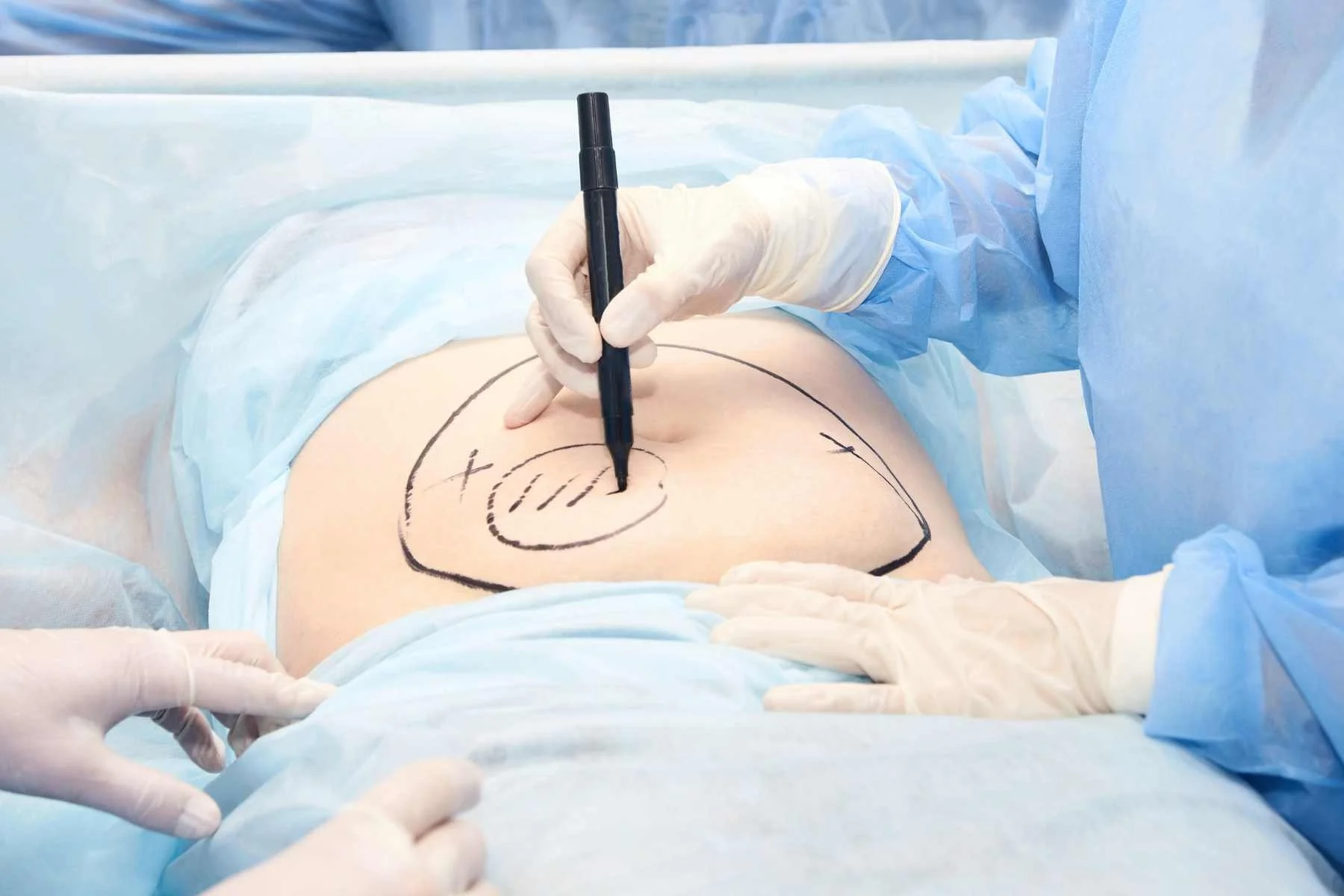
To understand why lymphatic drainage can be useful, it helps to understand what your body is actually doing after lipo. During the procedure, fat is removed through a thin tube called a cannula, and moving that cannula through the tissue causes disruption. Your body reads that disruption as something to heal, so it responds with inflammation and sends fluid to the area.
That fluid, along with the trauma to the tissue, is what creates swelling, bruising, tenderness, numbness, and firmness in the days and weeks that follow. Swelling often changes from day to day, and many people notice they look and feel puffier in the evening than in the morning, or more swollen after a long day on their feet. Heat, salt intake, travel, activity level, hormones, and how consistently you wear your compression garment can all make swelling feel different from one day to the next.
Your final liposuction results are not what you see in the first few weeks. Contour changes continue to refine over the following months, recovery times vary from person to person, and patience is genuinely part of the process.
Post-Op Fluid and the Lymphatic System
Your lymphatic system is the network responsible for moving excess fluid out of your tissues and keeping your fluid balance in check. After surgery, the sheer volume of fluid, combined with inflammation, can slow that system down or overwhelm it temporarily. When that happens, the fluid lingers, and you feel it as heaviness, tightness, or a full, swollen sensation.
This is exactly the situation where gentle lymphatic support can be helpful. By encouraging fluid toward the drainage pathways that are still working, lymphatic drainage may help your body process that post-op fluid a little more comfortably.
If you want to understand what a slow lymphatic system feels like in general, our article on the 10 signs of a sluggish lymphatic system covers it well, and a lot of it will feel familiar when you are recovering.

Why Some Areas Feel Hard, Lumpy, or Tight
One of the most common worries we hear from post-lipo clients is about hard spots, lumps, and areas that feel tight or uneven. In many cases, this is part of normal healing. Swelling is rarely perfectly even, healing tissue can feel firm, and the creases from a compression garment can create temporary ridges and unevenness that smooth out over time.
In some people, firmer scar tissue called fibrosis, sometimes felt as fibrotic nodules, can develop as part of the healing process. This kind of scar tissue formation is a normal possibility for some liposuction patients, not automatically a sign that something has gone wrong.
Deep or aggressive massage is not the answer to hard areas early in recovery, and it can actually irritate healing tissue and make swelling worse. If you have areas that are hard and getting worse, or that come with heat, redness, sharp pain, or swelling on only one side, that is not something to massage away on your own. A good provider knows the difference and will send you back to your medical team rather than working over something that needs attention.

The Real Benefits of Lymphatic Drainage After Liposuction
The main benefits of lymphatic drainage after liposuction include reduced swelling, improved fluid movement, less post-op heaviness, better comfort, softer-feeling tissue over time, support for the way bruising resolves, and a calmer, more structured recovery experience. Results vary from person to person, and lymphatic drainage works best when the rest of your recovery basics are in place.
Clinical interest in this is not new. A 2023 review in the Aesthetic Surgery Journal Open Forum noted that manual lymphatic drainage, often abbreviated MLD, is commonly used in recovery from cosmetic procedures, and that several studies have reported reductions in swelling and fibrosis, as well as pain, when it is paired with other supportive therapies following cosmetic liposuction or lipoabdominoplasty.
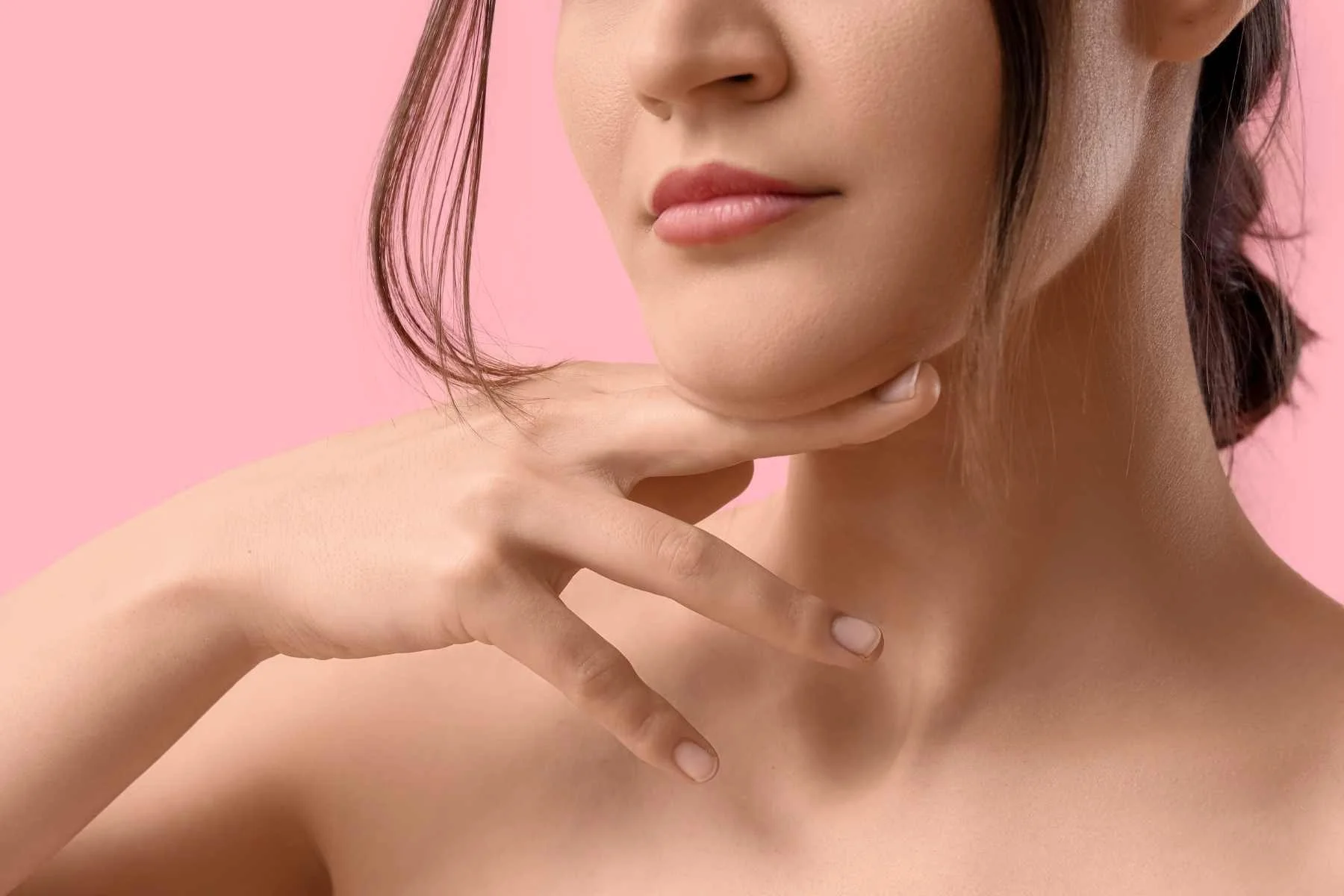
It May Help Reduce Post-Op Swelling
Swelling is the number one reason people come to us after lipo. They feel puffy, tight, and they want relief. Lymphatic drainage may support the movement of that excess fluid toward pathways where your body can process it. What it will not do is remove your swelling in a single visit, and we would never promise that.
It also helps to know that swelling naturally fluctuates. So if you feel more swollen one day, it does not mean anything went wrong. Think of lymphatic drainage as support for fluid movement, not a shortcut around the healing your body has to do on its own timeline.
The whole point of this work is to gently direct fluid toward your natural lymph vessels and drainage pathways using light, rhythmic stimulation, giving your body a clearer recovery pathway. ELT offers a light-touch, technology-assisted way to do this, which many post-op clients appreciate because they are tender and do not want anything that feels like pressure or force.
If you are curious about the many ways to support this system beyond a session, our piece on 15 ways to stimulate your lymphatic system has practical ideas you can use at home between appointments.
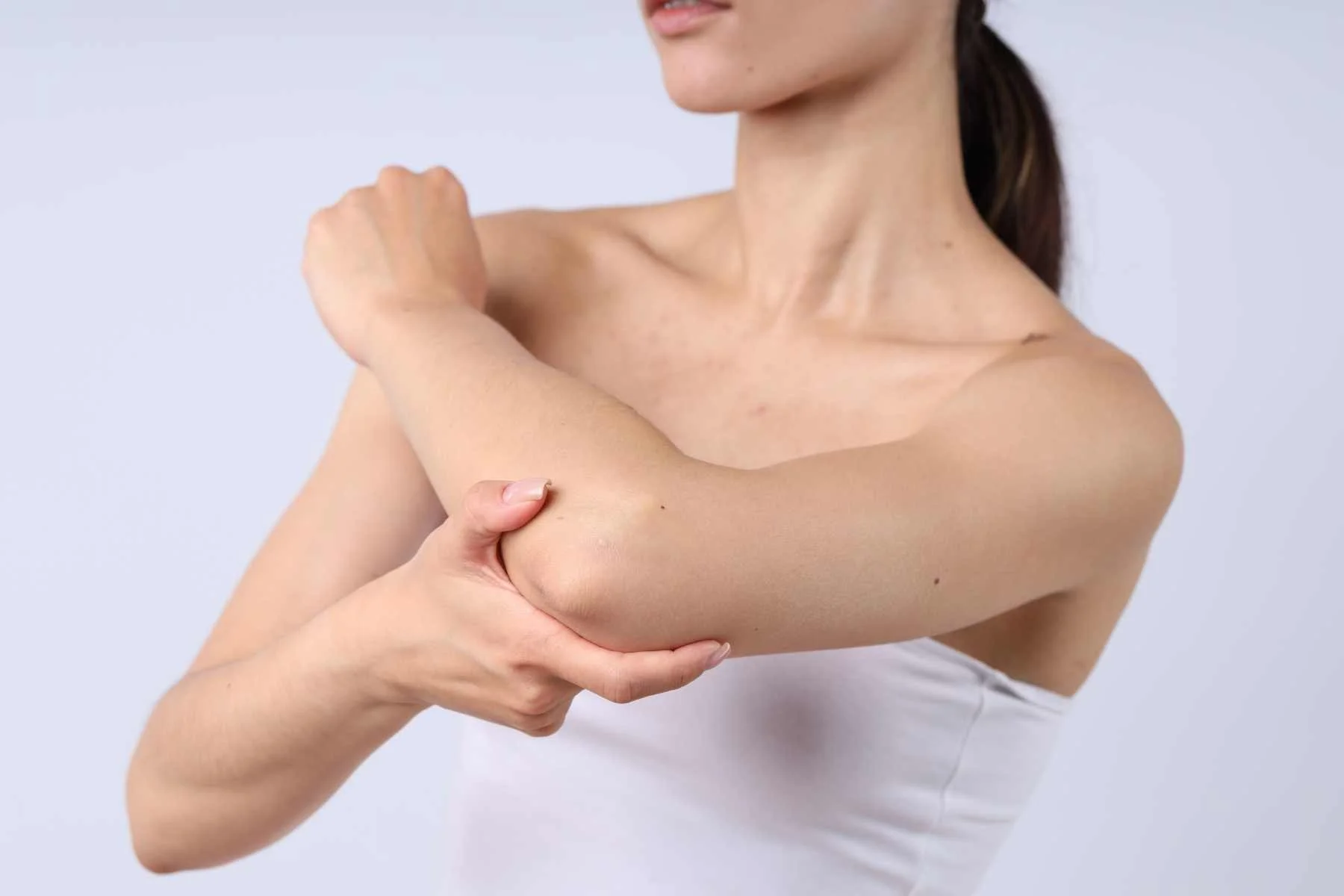
It May Ease Tightness and Improve Comfort
Swelling creates a stretched, heavy sensation, and that tightness is uncomfortable. Gentle lymphatic work may reduce that feeling of internal pressure, which can make it easier to move around, stand comfortably, and tolerate your compression garment.
This is about comfort, not pain elimination. If you are in real pain, that is a conversation for your medical team.
It May Support the Way Bruising Resolves
Bruising is common after liposuction, and it takes time to fade. Because your lymphatic system is part of how your body clears fluid and manages the cleanup of blood and lymph byproducts after tissue trauma, supporting lymphatic flow may help that natural process along.
Bruising still resolves on its own schedule, and no session speeds that up dramatically, but gentle support can be part of a more comfortable recovery.
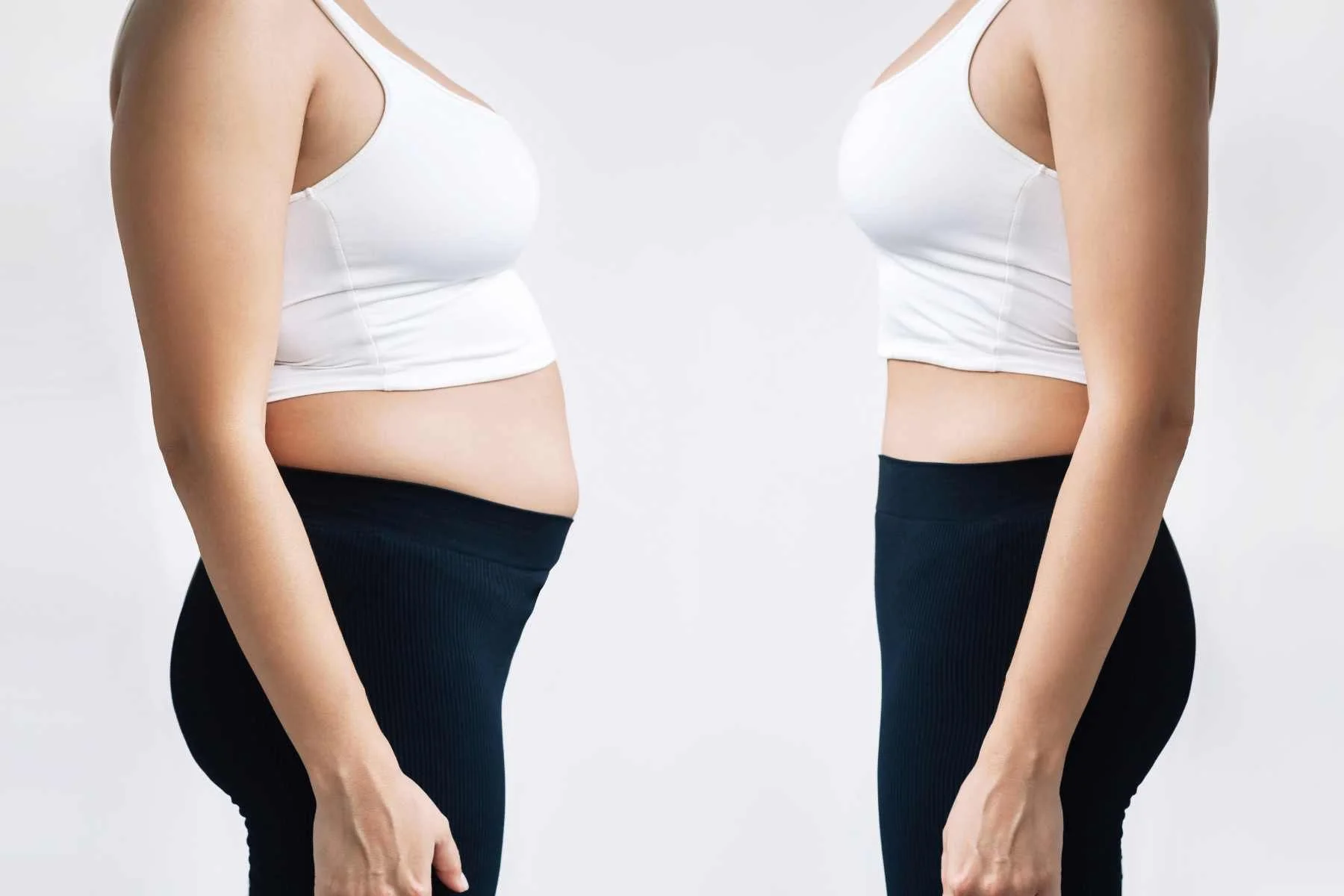
It May Help Tissue Feel Softer Over Time
Post-op tissue can feel firm, ropey, lumpy, or congested, and that texture is unsettling when you are watching your body change. Gentle lymphatic support may help tissue feel less congested and more settled over a series of sessions. Over time, as swelling settles, many clients also notice their skin texture looks more even.
It Supports Mobility and Confidence During Recovery
There is an emotional side to recovery that does not get talked about enough. Swelling and tightness can make people nervous about moving, and after cosmetic surgery a lot of people feel vulnerable in their own bodies.
Many clients tell us they leave a session feeling lighter and more at ease, and that reassurance genuinely matters. Feeling calmer and more comfortable in your body during recovery is a real benefit.
It Creates a Structured Recovery Routine
One of the powerful things about booking a short series of sessions is the rhythm it gives you. A predictable schedule of gentle support tends to keep people consistent with the rest of their recovery process too, so they stay hydrated, keep walking, wear their compression as directed, and stay in communication with their surgeon.
Fernz Wellness can become the calm, steady anchor point in an otherwise stressful few weeks, and that structure is worth more than people expect.
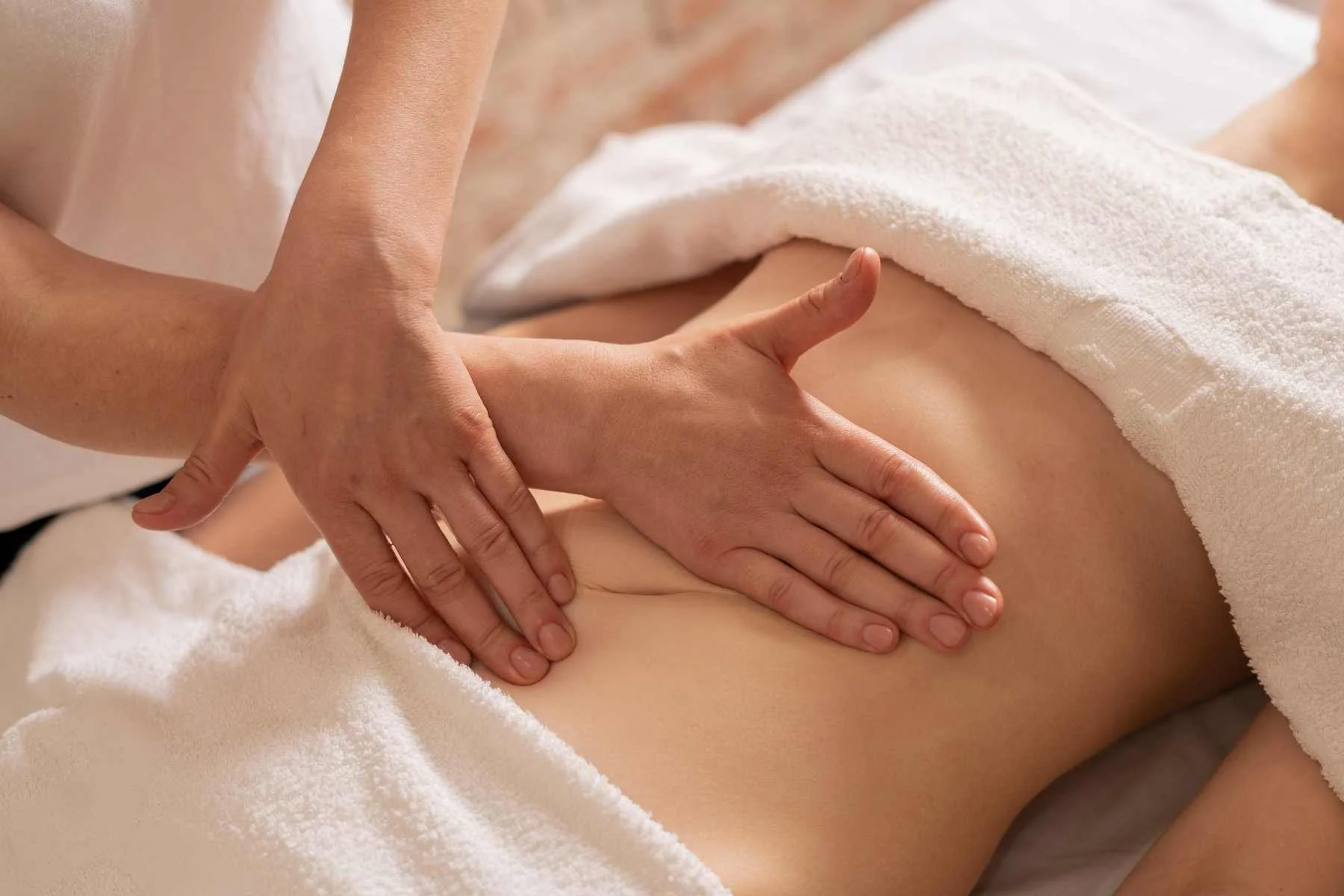
Manual Lymphatic Drainage vs. Electro Lymphatic Therapy After Lipo
A lot of clients come to us confused about the difference between traditional hands-on lymphatic drainage and Electro Lymphatic Therapy, so let us clear it up. Both aim to support your lymphatic system, and both should feel gentle. They just get there in different ways.
Manual Lymphatic Drainage
Manual lymphatic drainage, often shortened to MLD and also called lymphatic drainage massage, is a hands-on technique that uses rhythmic pressure to encourage fluid toward your lymph nodes and drainage pathways. It is a specific form of therapeutic massage that was originally developed to help manage lymphedema, and it later became common in post-surgical recovery.
When it is done well, it is soothing rather than intense. Because the massage is generally gentle and light, it should never feel forceful. The key word is light. This should never be confused with deep tissue massage, and early after liposuction, deep pressure is not appropriate. A provider offering this kind of massage after liposuction should have real post-op knowledge and should always work carefully.

Electro Lymphatic Therapy
Electro Lymphatic Therapy is a technology-assisted approach to lymphatic support. It is non-invasive and light-touch, and it uses a combination of vibrational, electrostatic, and light-based stimulation to encourage lymphatic flow and support healthy lymphatic function.
Because it is so gentle, it can be especially appealing when you are swollen and tender and the idea of being touched firmly feels like too much.
At Fernz, ELT is the lymphatic service we offer, a light, non-invasive form of lymphatic support in Los Angeles, and it is one of the reasons post-lipo clients seek us out. You can read more about how we approach it on our Electro Lymphatic Therapy page.
Which One Is Better After Liposuction?
Neither one is automatically better for everyone. The right choice depends on your stage of healing, how tender you are, your swelling pattern, the extent of your liposuction, and the training of your provider.
The single most important factor is choosing a post-op-aware practitioner who will not use aggressive pressure too early.
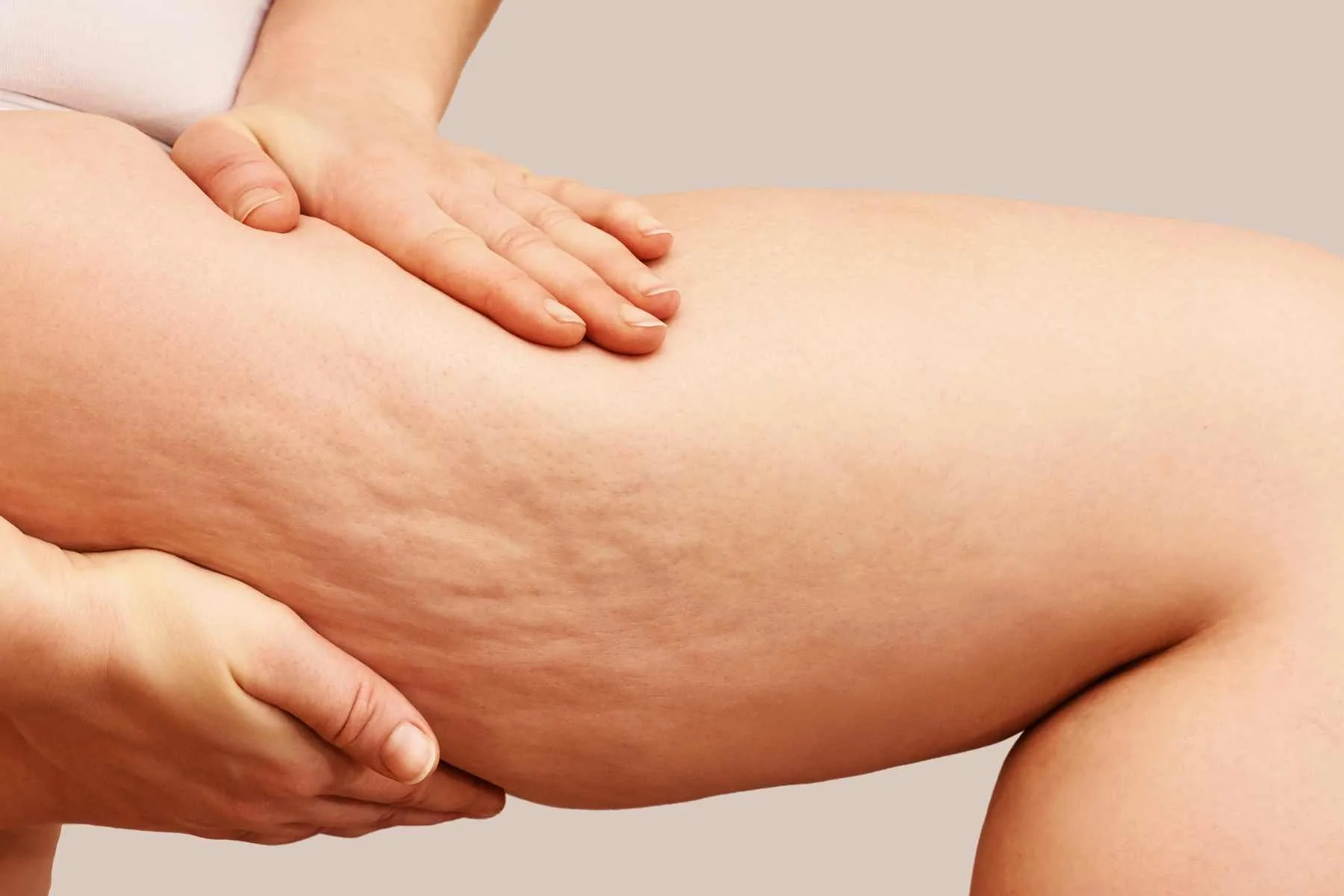
When to Start Lymphatic Drainage After Lipo
Many clients begin lymphatic drainage within the first week or two after liposuction, but the right timing depends on the type of procedure you had, the status of your incisions, whether you have drains, your pain level, and how your body is healing.
We are not going to hand you a rigid timeline, because there is no single correct one. What we can do is explain how recovery tends to unfold so you can understand what the early weeks may look like.
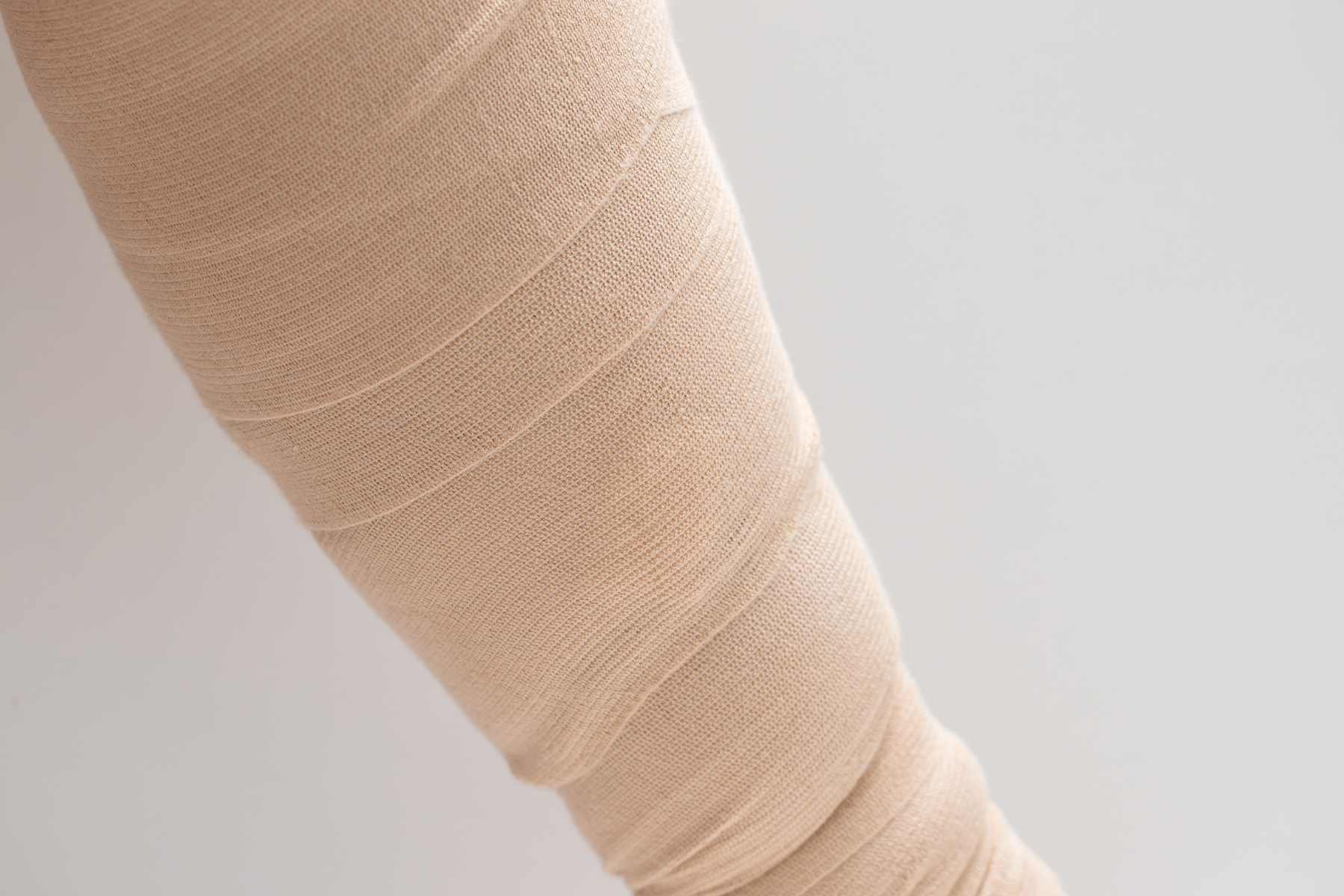
Early Recovery, Days 1-7
In the first week, swelling, bruising, drainage, and tenderness can all be high. Some surgeons recommend starting gentle lymphatic drainage early, believing it helps clients stay ahead of swelling. Others prefer to wait. The deciding vote belongs to your surgeon.
Weeks 2-4
This is a common window for consistent sessions. Many people are still noticeably swollen, garments are usually still in daily use, and the tissue may start to feel firmer as healing progresses. Gentle lymphatic drainage during this stage may support comfort and fluid movement while you are in the thick of it. A lot of our post-lipo clients find their rhythm here in the weeks following liposuction.
Weeks 4-12
Swelling often continues to come and go through this period, and residual firmness, unevenness, and puffiness are common. Many clients start to shift into more of a maintenance pattern during these weeks, spacing sessions further apart as their body settles. Frequency tends to naturally decrease as swelling improves.
Beyond 3 Months
Some swelling can linger well past three months, and that is not necessarily a problem. Certain clients keep booking lymphatic drainage during this later stage for lingering fluid retention, for travel, for hormonal puffiness, or simply as part of ongoing body-contouring maintenance.

How Many Lymphatic Drainage Sessions Should You Get After Lipo?
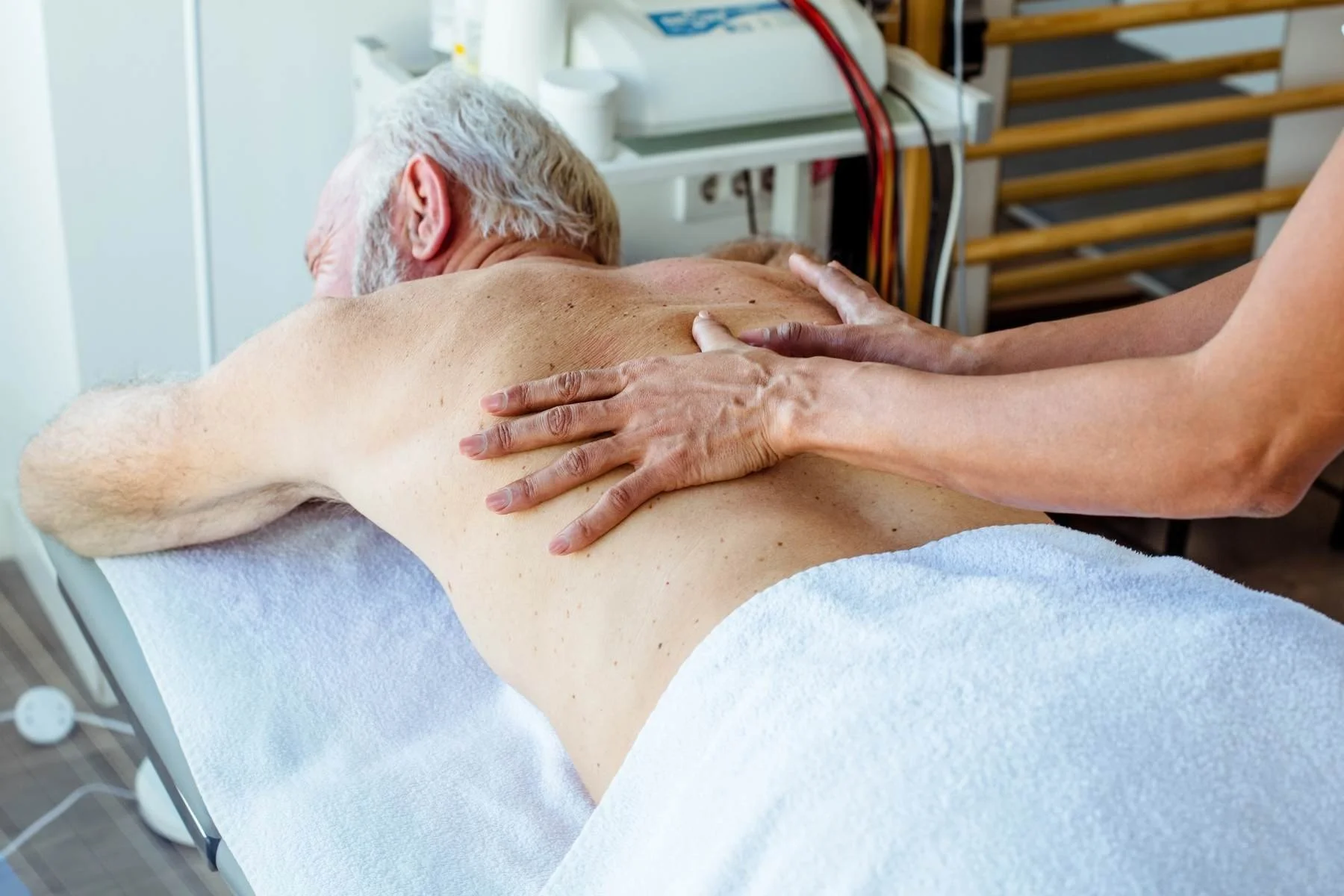
Many post-lipo clients book a short series of lymphatic drainage sessions, often starting with two or three sessions a week early in recovery and tapering down as swelling improves. The right number for you depends on your procedure, your swelling, and how your body responds along the way.
As a general sense of how it tends to go, clients focused on early swelling support often book two to three gentle sessions a week. As swelling and tightness ease into a moderate range, that usually settles to one or two sessions a week. Later, when the main concern is lingering puffiness, weekly or every-other-week visits are common. Beyond that, some people keep occasional sessions on the calendar for maintenance, travel, or a special event, booking as needed.
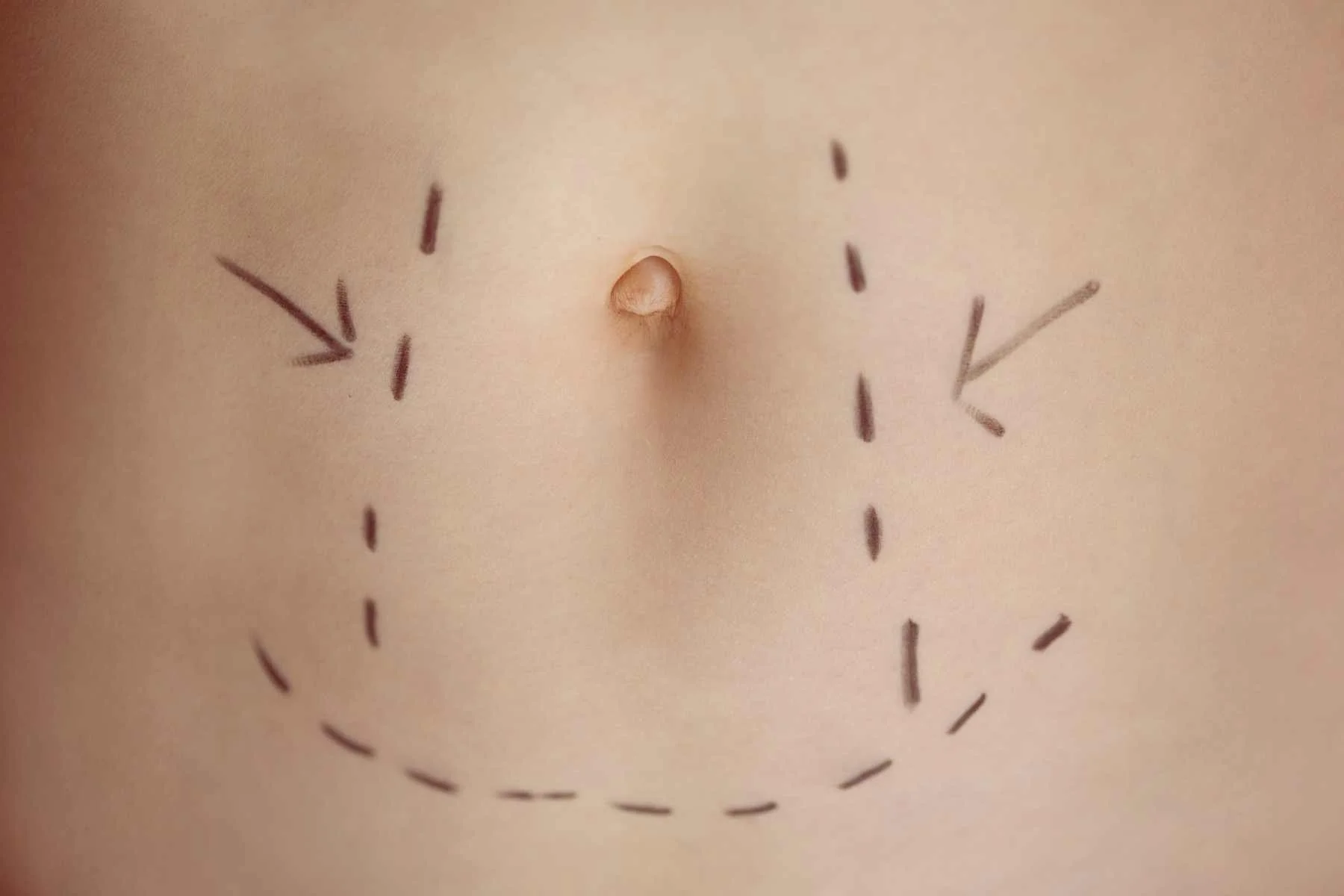
The scope and extent of your liposuction changes the picture too. Small, single-area liposuction may need fewer sessions, while 360 lipo, a BBL with lipo, or work across the abdomen and flanks may benefit from more consistent support. Clients who swell a lot tend to want more regular care early on, and recovery times naturally differ from person to person.
Why More Is Not Always Better
It is tempting to think that if a little helps, a lot must help more, but that is not how recovery works. Your body needs rest, and too much manipulation can irritate healing tissue.
What happens between your sessions matters just as much as the sessions themselves, which is why hydration and consistent compression are such a big part of the picture. A skilled provider watches how your body is responding and adjusts, sometimes recommending fewer sessions rather than more.

What to Expect During a Post-Op Lymphatic Drainage Session at Fernz Wellness
We designed the Fernz experience around the reality that post-op clients often feel nervous, swollen, and a little raw, both physically and emotionally. Our Los Angeles studio is private, calm, and quiet, and the whole point is for your nervous system to feel safe enough to relax, because a relaxed body responds far better to gentle lymphatic work than a tense one does.
Every session starts with a real conversation, we want to know about your swelling, tightness, bruising, tenderness, your compression garment, any drains, and the state of your incisions. From there, we keep everything gentle. There is no deep tissue work, no aggressive pressure, and no pushing through discomfort. Your comfort sets the pace.
After Your Session
Many clients feel lighter and less tight afterward, and it is common to notice you need to urinate more as your body processes fluid. Swelling can still fluctuate over the following day or two, so do not read too much into a puffy morning. Keep hydrating and continue wearing your surgeon-approved compression.
Who Benefits Most From Lymphatic Drainage After Liposuction
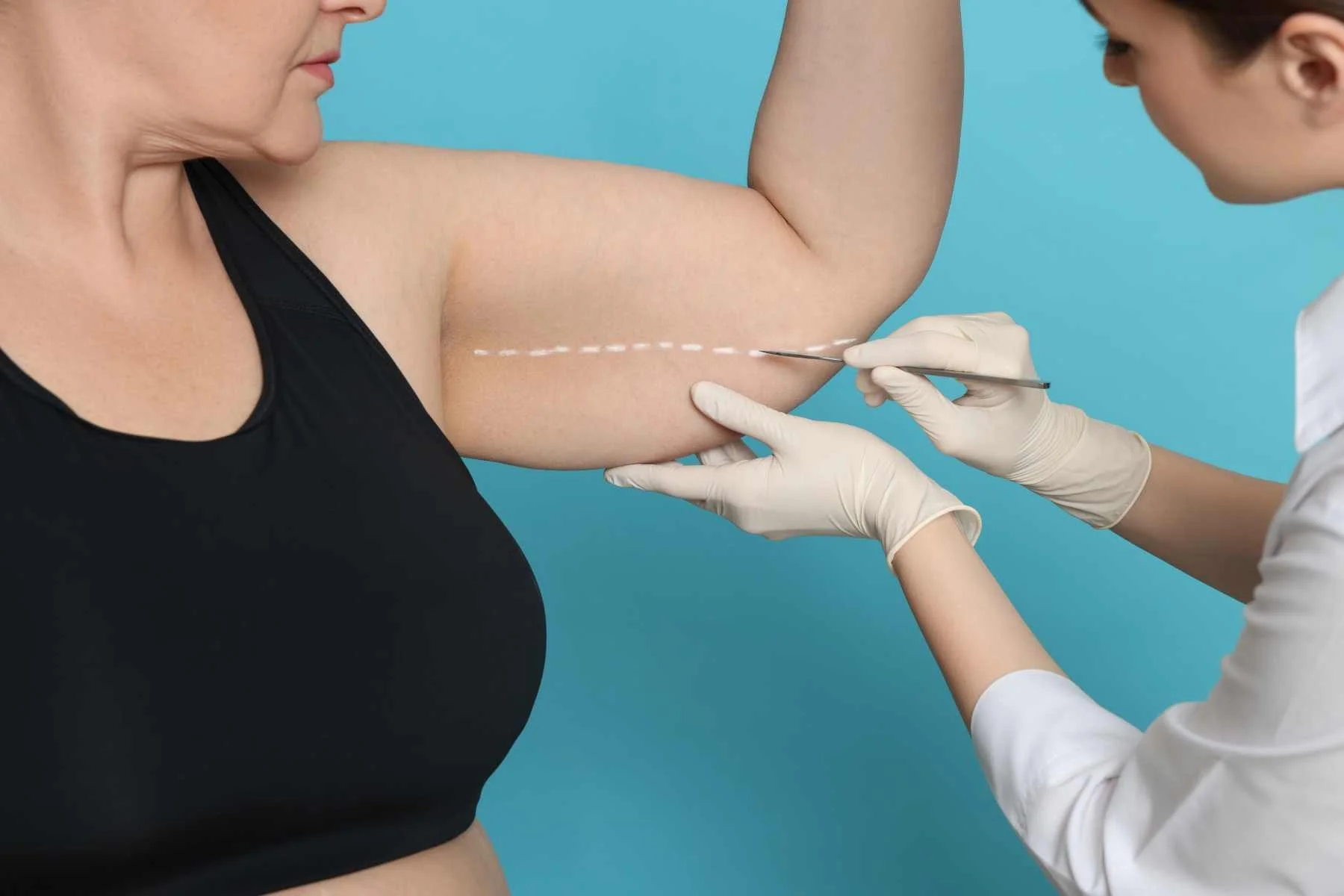
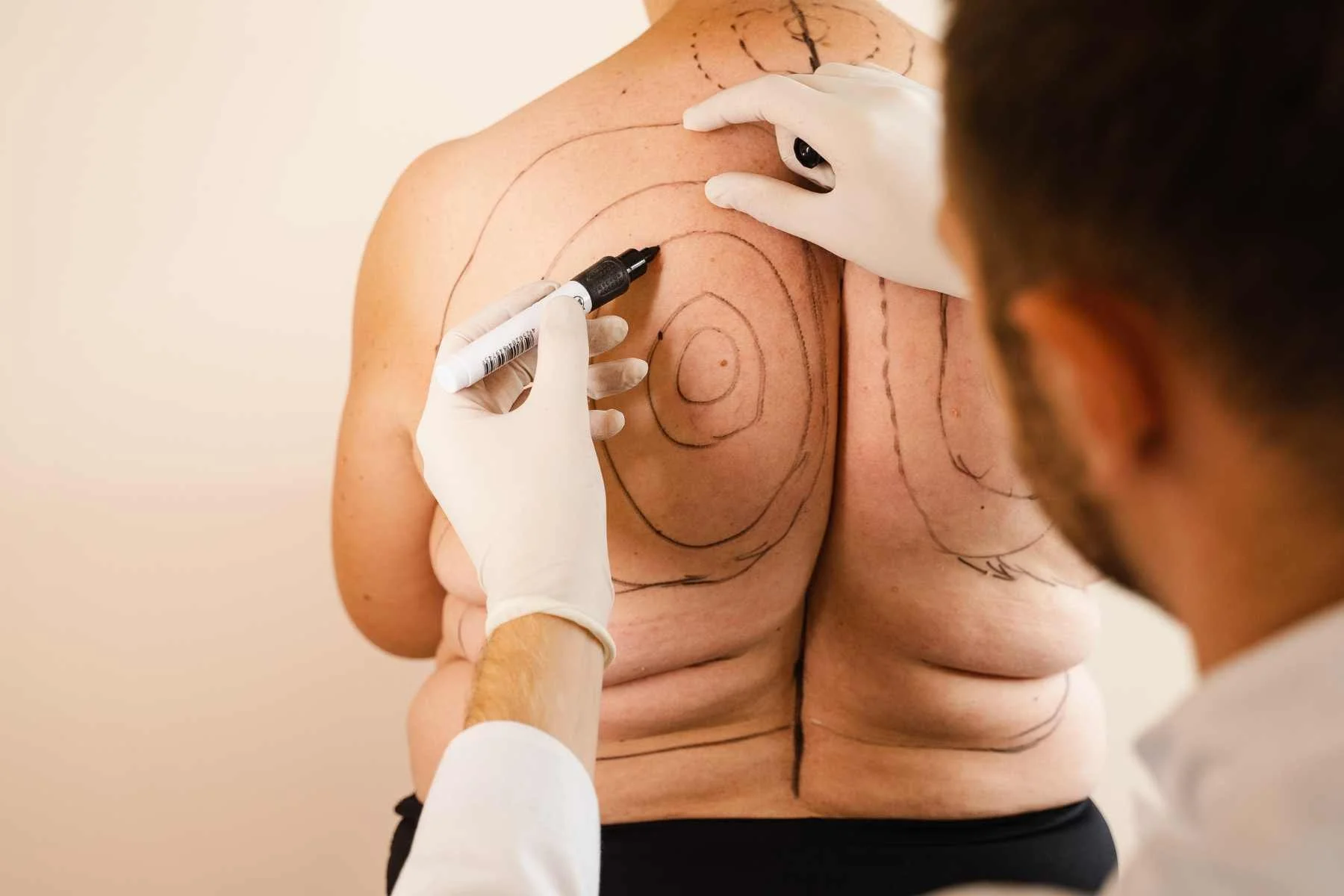
Lymphatic drainage tends to be most helpful for liposuction patients recovering from abdominal liposuction, 360 lipo, waist and flank lipo, back lipo, arm lipo, thigh lipo, chin lipo, and BBL procedures with lipo donor areas. Clients recovering from a tummy tuck combined with lipo, or from a mommy makeover, may also benefit, but those procedures are more involved and require extra care.
The best candidates are people who are dealing with swelling, puffiness, or tightness, who want gentle post-surgery support rather than aggressive treatment, who are following their compression instructions, and who understand that post-op recovery takes time. If that is you, this kind of work can make your recovery feel meaningfully more comfortable.
There are also people who should hold off and check in with their medical team first. If you have drains still in place, open incisions, any concern about infection or an elevated risk of infection, a known blood clot risk, severe pain, or post-op instructions that are unclear to you, please contact us first before booking anything.
What to Do Between Sessions to Support Your Results
The sessions are only part of the story. What you do at home in between is where a lot of your comfort and an effective recovery actually come from, and none of it is complicated.
Wear Your Compression as Directed
Your garment schedule is doing real work to control swelling and support your tissue. Make sure it fits properly too, because a garment that cuts in, rolls, or creates painful lines can do more harm than good. If yours is not sitting right, mention it to your surgical team.
Hydrate Consistently
Fluid movement depends on hydration, so this is one of the highest-value things you can do. Steady water intake throughout the day works far better than a huge amount all at once, and letting yourself get very dehydrated before or after a session makes everything less comfortable.
If your provider and medical team agree it is appropriate for you, a little electrolyte support can help you maintain fluid balance, especially if you tend to run dehydrated.

Walk Gently
Gentle walking is one of the best things you can do for both circulation and lymphatic flow, and it also keeps your digestion moving, which pain medication can slow down. If you are dealing with post-op constipation from medications or reduced movement, our Bristol Stool Chart guide is a simple way to gauge whether things are back on track. Keep your movement easy and safe, and skip intense workouts entirely until your surgeon clears you for them.
Ease Off Sodium and Alcohol Early On
Salt encourages your body to hold onto water, which can make swelling feel worse, so easing back on very salty foods early in recovery tends to help. Alcohol works against hydration and recovery too, so it is worth setting aside for a while. As always, follow whatever restrictions you were given first.
Prioritize Protein and Anti-Inflammatory Foods
Protein gives your body the building blocks it needs to repair tissue, and a plate built around colorful plants, healthy fats, and balanced, whole foods supports your overall healing. This is not the time for a crash diet. Your body is doing hard work, and it needs fuel, not restriction. If you want a broader look at eating for recovery and reduced puffiness, our article on understanding bloating and gas has useful context on how food and fluid retention interact.

What Is Normal and What Is Not After Lipo
This is the section we most want you to read carefully, because knowing the difference between normal healing and a red flag can genuinely protect you.
Common Post-Lipo Experiences
A lot of what feels alarming after liposuction is actually part of normal healing. Swelling and bruising, tenderness, numbness, tightness, and firmness are all common, and swelling is often uneven from one area to another and from one day to the next.
Some fluid drainage from incisions early on can be expected, and in some cases a surgeon places temporary drains to remove excess fluid or blood. Garment discomfort and general fatigue are common too. None of this automatically means something has gone wrong, and much of it eases as the weeks pass.

Call Your Doctor If You Notice
Some symptoms fall outside the range of normal healing and deserve prompt medical attention. Reach out to your surgical team if you notice worsening pain, severe swelling on only one side, redness, warmth, or spreading inflammation, a fever, foul-smelling drainage, excessive bleeding, shortness of breath, chest pain, calf pain or swelling, dizziness or fainting, sudden asymmetry, any concern about an open incision, or any signs of infection.
If something simply feels wrong to you, or if things are getting worse instead of slowly better, trust that instinct and call. Johns Hopkins notes that potential liposuction complications can include bleeding or blood clots, infection, injury to skin or deeper tissue, and irregular changes to the skin surface, which is exactly why you need to contact your doctor if you experience symptoms like these.
When to Wait Before Booking Your Lymphatic Drainage Session
Please hold off on booking until you are cleared if you have not yet had your surgeon's approval, if you have a fever, if you suspect an infection, if your pain is uncontrolled, if your incisions are open or concerning, if you have active bleeding, if you suspect a blood clot, if you feel faint or dehydrated, or if you have been specifically told to avoid massage and bodywork.
You can also review the specifics on our contraindications page before you book.

How to Choose the Best Post-Op Lymphatic Drainage Provider in Los Angeles
Los Angeles is full of wellness providers, and the quality varies enormously, so knowing what to look for genuinely matters when you are searching for lymphatic massage after lipo near you.
The best post-op providers have real experience working with liposuction patients, they use gentle technique, and they never reach for aggressive deep tissue massage early after surgery. They keep a clean and private studio, they are comfortable working around compression garments and post-op sensitivity, and they are transparent about pricing and packages.
They make realistic claims, they recognize red flags, and they communicate in a calm, supportive way that puts you at ease.
Questions to Ask Before Booking
Before you book with anyone, or before you schedule a consultation, it is worth asking whether they work with post-liposuction clients, whether their pressure is gentle, whether they offer ELT, manual lymphatic drainage, or both, what you should bring, and how soon after surgery they accept clients.
Red Flags in a Provider
Walk away from any provider who promises instant results, uses painful pressure, tells you compression is unnecessary, dismisses your surgeon's instructions, claims they can fix your surgical results, ignores infection symptoms, pressures you into buying large packages, or leans on fear to get you to book. Every one of those is a sign that comfort and profit are being put ahead of your safety, and you deserve better.

Post-Op Lymphatic Drainage in Los Angeles at Fernz Wellness
If you are looking for post-op lymphatic drainage in Los Angeles, Fernz Wellness offers gentle Electro Lymphatic Therapy in a calm, private studio environment. Our approach is built for clients who want supportive lymphatic care after liposuction, body contouring, travel, swelling, or fluid retention, always with respect for your surgeon's instructions and your body's own timeline.
We are located in the Mid-Wilshire area, which keeps us close and convenient for clients across Los Angeles, including Beverly Hills, West Hollywood, Santa Monica, Culver City, Hancock Park, Hollywood, Koreatown, and the Miracle Mile. People make the drive because the experience is different, and that is by design. The room is quiet and warm, nothing is rushed, and you are treated as a whole person in recovery rather than an appointment slot to fill.
Our post-op clients most often come in for Electro Lymphatic Therapy (ELT), and some choose our RESET package, which pairs lymphatic support with colon hydrotherapy for a fuller full-body reset.

Conclusion
Swelling after liposuction is normal, and so is feeling tight, heavy, tender, and a little anxious about it all. Lymphatic drainage may support fluid movement, ease that heaviness, reduce swelling over time, and help your tissue feel softer and calmer, which is a real gift during a vulnerable stretch of recovery.
Your recovery basics still matter enormously. Compression, hydration, gentle walking, rest, good nutrition, and medical follow-up all work together to help your body heal. ELT can be a genuinely gentle way to support your body through it, and the right provider will always put your safety ahead of a booking.
If you are recovering from liposuction in Los Angeles and looking for gentle post-op lymphatic drainage, Fernz Wellness offers Electro Lymphatic Therapy in a calm, private studio environment.
You can contact us here or book a session with us here.
Frequently Asked Questions About Lymphatic Drainage After Liposuction
Is lymphatic drainage good after liposuction?
Yes, lymphatic drainage may help support fluid movement, reduce temporary swelling, ease tightness, and improve comfort after liposuction. It should only be done with your surgeon's clearance, and it works best as a complement to your compression garment, walking, hydration, and medical follow-up rather than as a replacement for any of them.
When should I start lymphatic massage after lipo?
Some clients begin within the first week or two, but the right timing depends on your surgeon's instructions, your procedure type, the status of your incisions, whether you have drains, your pain level, and how you are healing.
Can I get ELT after liposuction?
ELT may be a good option for lymphatic support after liposuction if your surgeon has cleared you for post-op bodywork. When you are cleared, ELT offers a light-touch, non-invasive way to support your lymphatic system.

How many lymphatic drainage sessions do I need after lipo?
Many clients book a short series, often more frequently early in recovery and less often as swelling improves. The right number depends on your surgery, your swelling, your tenderness, your surgeon's protocol, and how your body responds.
Does lymphatic drainage help with hard lumps after lipo?
Lymphatic drainage may help tissue feel less congested and support fluid movement, but hard lumps can have several different causes. Any lump that is persistent, painful, worsening, hot to the touch, or otherwise unusual should be evaluated by your surgeon before you pursue massage or ELT over that area.
Is lymphatic drainage painful after liposuction?
Post-op lymphatic drainage should be gentle, not painful. Early after surgery, deep pressure is too aggressive and can irritate healing tissue. A qualified provider adjusts the pressure to your stage of healing and stops immediately if anything feels sharp, intense, or wrong. Comfort should guide the entire session.
Where can I get lymphatic massage after lipo near me in Los Angeles?
Fernz Wellness offers Electro Lymphatic Therapy in Los Angeles for clients seeking gentle post-op support after liposuction, body contouring, travel, swelling, or fluid retention. We serve Beverly Hills, West Hollywood, Santa Monica, Culver City, and surrounding areas.
See more FAQ’s here.

Additional Resources
What Does the Lymphatic System Do? Learn Its Function & How It Works - Cleveland Clinic
Lymphatic Drainage Massage: What It Is, What It Does and Whether You Need It - Cleveland Clinic
How to Perform a Lymphatic Drainage Self-Massage - Cleveland Clinic
10 Benefits of Lymphatic Drainage Massage - Southern California Health Institute
Lymphatic system - Better health
What to Know About Lymphatic Drainage - The Ohio State University
How Your Lymphatic System Works
Stress and its effect on the lymphatic system - Body Ballancer
*The services provided by Fernz Wellness are intended for general wellness and educational purposes only. They are not designed to diagnose, treat, cure, or prevent any medical condition. Please consult with a healthcare provider before starting any new treatment or wellness routine. Results may vary.