Menopause and Constipation: What Helps
Get rid of menopause constipation! Understand hormonal changes impacting your gut, find relief solutions for digestive issues during perimenopause and menopause.
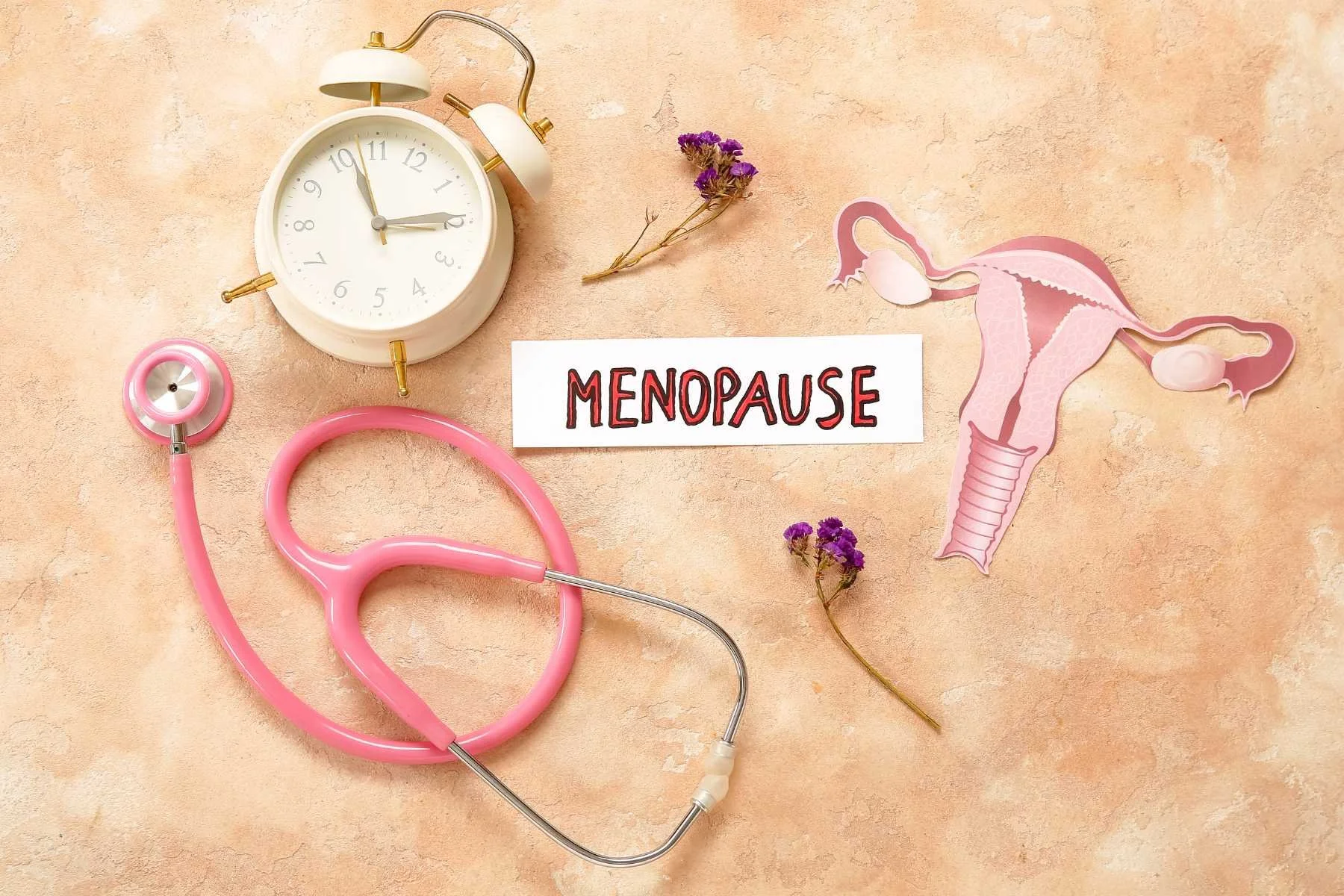
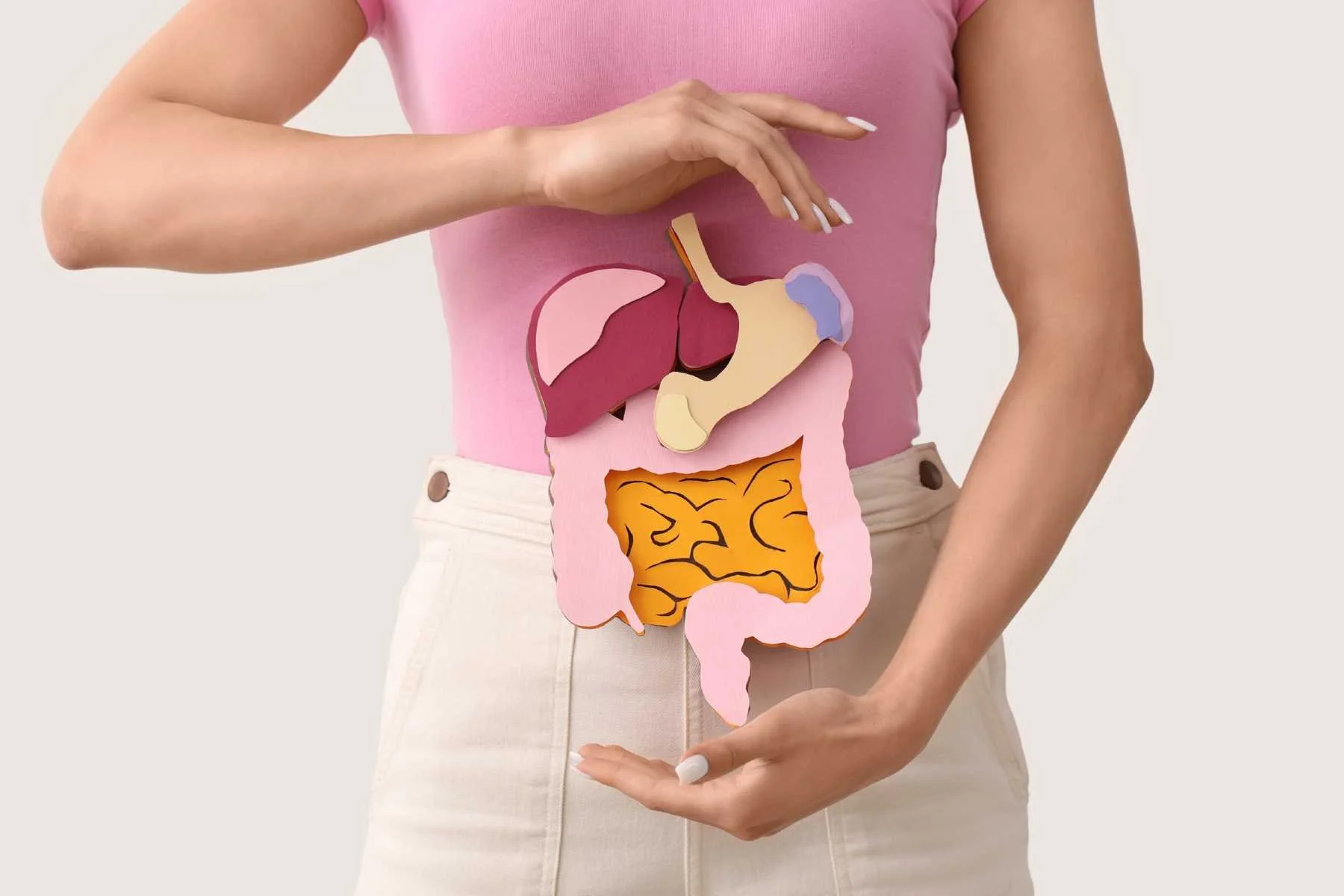
During perimenopause and menopause, changing levels of estrogen and progesterone can slow the movement of food and waste through your gut, change how much water your body holds onto, influence bile flow, and alter the constant back and forth between your gut and your brain. When stool travels more slowly through the colon, it sits longer, more water gets pulled out of it, and it can become drier, harder, and more difficult to pass.
If you have found yourself suddenly straining, feeling backed up, bloating by the afternoon, or noticing that your old digestion routine just does not work the way it used to, you are not imagining it and you are far from alone. Constipation is common in menopause, and in midlife it is one of the most frequent gut complaints women bring to us, usually arriving with a cluster of familiar friends like bloating, gas, and a lower-belly heaviness that lingers.
Constipation during menopause is almost never about one single thing. Hormones play a real role, but so do stress, sleep, hydration, fiber, movement, medications, and the strength and coordination of your pelvic floor. That is good news, because it means there are many levers you can pull to feel better.
In this guide we will walk through why menopause and constipation are connected, how perimenopause differs from menopause, what makes things worse in midlife, what actually helps, where colon hydrotherapy and Electro Lymphatic Therapy fit in, and the red flags that mean it is time to talk to a doctor.
Can Menopause Cause Constipation?
Yes, menopause can contribute to constipation, but it is usually not the only cause. Think of hormones as one important instrument in a much larger orchestra rather than a solo act.
Common Causes of Constipation in Menopause
As estrogen and progesterone shift and eventually settle at lower levels, several things can happen at once. The wave-like muscle contractions that move waste through your colon, known as motility, can slow down. When transit slows, stool spends more time in the large intestine, and the colon does what it is designed to do, which is reabsorb water. The longer stool lingers, the more water it loses, and the result is the harder, drier, more stubborn bowel movement so many women describe in their forties and fifties. This is also why the change can feel so sudden. You might not have altered your diet, workouts, or water intake at all, yet your body seems to be operating under new rules.
Doctors often describe constipation as having fewer than three bowel movements per week, meaning you go to the toilet fewer than three times a week, along with hard stool that is difficult to pass. Beyond that clinical definition, the signs tend to be recognizable. You may notice fewer bowel movements than you used to have, more straining, hard or pellet-like stool, bloating that builds through the day, more gas than usual, a nagging feeling that you did not fully empty, general abdominal heaviness, and a bowel rhythm that feels unpredictable. If several of those sound familiar, hormonal change is likely one piece of the story.
One quick word of caution. Menopause does not automatically cause constipation in every woman, so it is a mistake to hang everything on estrogen and progesterone. Hormones may contribute to constipation but are likely one factor among several.
Why Menopause Causes Constipation, the Hormone Mechanism
This is the part people search for and rarely get explained clearly, so let us go through the physiology because understanding the mechanism is what turns a frustrating mystery into something you can work with.
Progesterone, Smooth Muscle, and Slower Motility
Your colon moves waste along using smooth muscle, the involuntary muscle that contracts in rhythmic waves without you thinking about it. Progesterone is thought to have a relaxing effect on smooth muscle throughout the body, which is one reason many women notice slower digestion in the second half of their cycle and during pregnancy, both times when progesterone is higher.
In perimenopause, progesterone can swing and generally trend downward in an uneven way, and those fluctuations may influence how briskly the colon contracts. When those contractions are weaker or less frequent, waste sits longer. Many women describe this as feeling stuck or blocked, or as a strange absence of the strong urge they used to get like clockwork.
Estrogen, Bile Flow, and Sluggish Digestion
Estrogen does far more than support reproductive health. It interacts with the gut lining, with inflammation signaling, with the microbiome, and with the way your body handles bile, the fluid your liver and gallbladder release to break down fat and help keep things moving through the digestive tract.
When digestion feels heavier, richer or fattier meals can sit uncomfortably and add to bloating for some women. Lower estrogen does not cause low bile flow in every woman, but it's woven into several digestive processes, and when those processes shift, some women notice their digestion feels more sluggish than it used to. If bloating is a big part of your experience, our deeper look at bloating and gas breaks down what is happening and what helps.
Estrogen, Cortisol, and the Stress Digestion Link
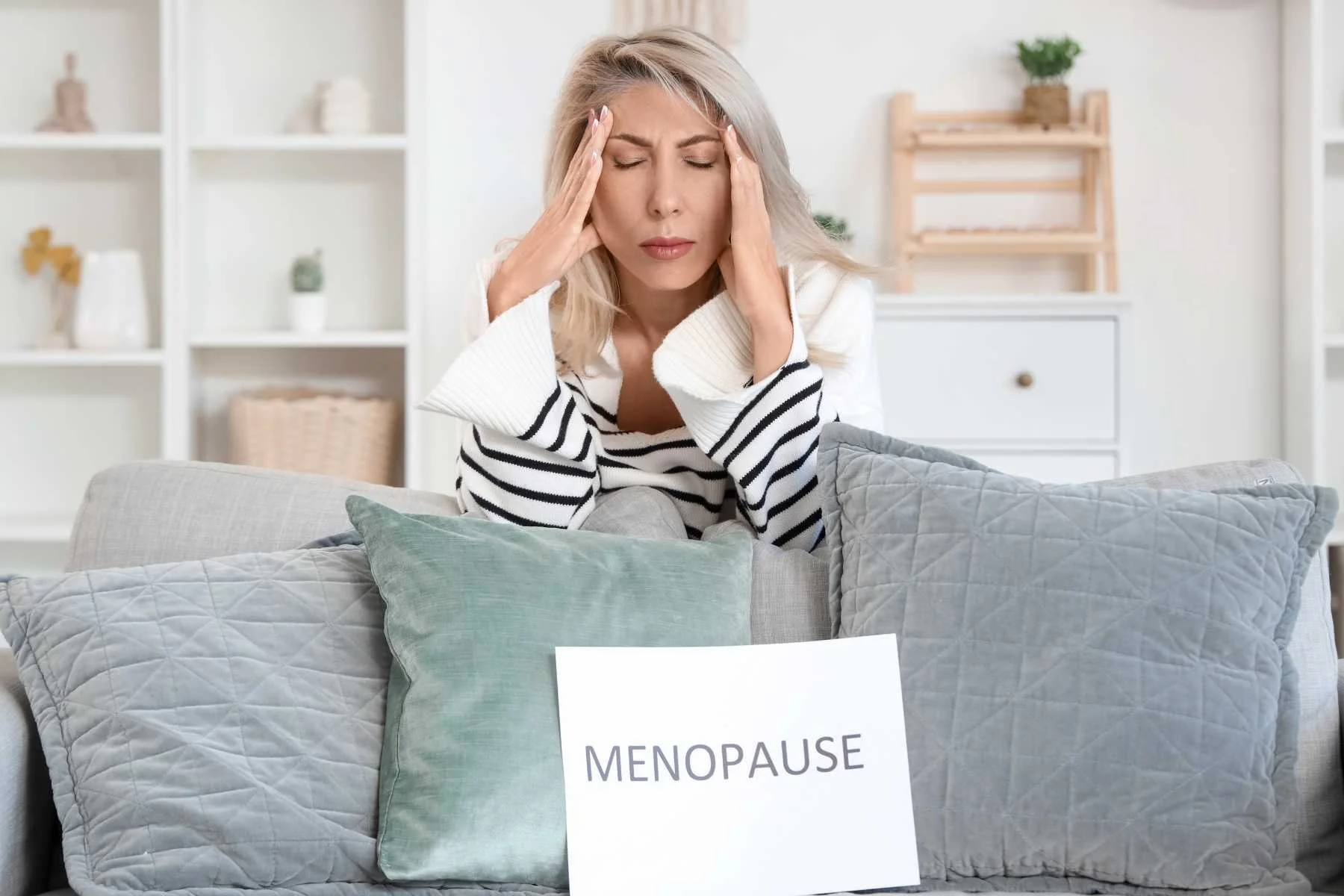
Estrogen also influences how sensitive you are to stress, and menopause has a way of arriving at the same time as poor sleep, night sweats, more anxiety, and a higher perceived stress load. That combination matters a great deal for your gut.
When your nervous system tips into fight-or-flight mode, your body sensibly decides digestion is not the priority, so blood flow and energy get redirected and the colon slows down. If you are running warm on stress hormones for weeks at a time, constipation can quietly worsen alongside abdominal tension, an unpredictable appetite, and that unmistakable gut-brain heaviness.
We explored this whole loop in our article on how emotional stress affects gut health, and it is one of the most overlooked pieces of the midlife puzzle.
The Gut Brain and Serotonin Connection
Your gut and your brain are in constant conversation through what researchers call the gut-brain axis. Serotonin, a chemical most people associate with mood, is heavily involved in gut signaling and motility, and a large share of it is actually produced in the gut itself.
This is why mood, stress, sleep, and bowel rhythm tend to rise and fall together. It is also why constipation is not in your head in the dismissive sense, even though the nervous system has a powerful say in how regularly you go. When you are calm and rested, your digestive tract tends to behave. When you are wired, exhausted, or anxious, it often does not.

The Microbiome and the Gut Lining
Hormonal change may also shift the makeup of your gut microbiome, the vast community of bacteria that helps regulate everything from gas production to how your food is broken down. Changes in that community may influence bloating, stool consistency, and even how sensitive you feel to foods that never bothered you before. The gut lining and the immune signaling around it may change during midlife too, which helps explain why menopause constipation so rarely travels alone and instead shows up as a package deal with bloating, sensitivity, and a gut that feels reactive.
If you want the fuller hormone and microbiome picture, our post on gut health and hormones unpacks why so many women can feel puffy and bloated.
Perimenopause Constipation vs Menopause Constipation
One of the most confusing things about this transition is that the two phases can feel quite different, and knowing which one you are in helps you make sense of your symptoms.
Perimenopause is the transitional stretch that comes before menopause itself, and it can last for years. During this phase, hormones do not decline in a tidy straight line. They rise and fall unpredictably, sometimes dramatically, which is why your symptoms can change from week to week and month to month. Constipation might dominate for a stretch, then give way to looser stool, then return, and many women feel these changes are tied to where they are in a still-present but increasingly irregular cycle.

Why Perimenopause Constipation Comes and Goes
Because estrogen and progesterone are fluctuating rather than steadily dropping, your gut receives inconsistent signals. Some women feel noticeably backed up in the days before a period and then looser once bleeding starts. Bloating can shift throughout the month, feeling manageable one week and stubborn the next. Foods you have eaten your whole life can suddenly seem to disagree with you, then behave again a few weeks later.
That unpredictability is a signature of the hormonal roller coaster of perimenopause, and it can be maddening precisely because there is no clean pattern to plan around. That is exactly why building steady daily habits matters so much during this phase.
What Menopause Constipation Tends to Feel Like
Once you have reached menopause, defined as twelve consecutive months without a period, and moved into the postmenopausal years, the experience often becomes more consistent than the perimenopausal swings. Instead of alternating, many women settle into a steadier sluggishness. That can look like fewer bowel movements overall, more straining, a persistent sense of incomplete emptying, bloating that worsens as the day goes on, lower belly heaviness, and hard, dry stool that takes effort to pass. Repeated straining can also flare up hemorrhoids.
A simple, low-pressure way to track what is happening is to pay attention to the shape and texture of your stool. Our guide to the Bristol Stool Chart shows you how to read whether your stool points to constipation, sluggish transit, or a more balanced rhythm.
What Makes Constipation Worse in Midlife
Hormones set the stage, but a handful of everyday factors often turn a mild slowdown into full constipation. The encouraging thing is that everything on this list is something you can influence.
Moving Less Than You Used To
Physical activity is one of the most direct ways to stimulate the colon, because walking, stretching, and moving your body help those muscle contractions along. Midlife often brings a quiet decline in daily activity, more sitting for work, more time at a desk or in the car, and less incidental movement than you had in earlier decades. That lack of physical activity alone can slow motility. A short walk after meals, even ten minutes, is a small habit that pays off surprisingly well.
Less Fiber Than You Think
Fiber adds bulk and helps stool hold onto moisture, which keeps things soft and easy to pass. Most people simply do not eat enough of it, and busy schedules make it easy to reach for convenient, processed foods that are low in fiber. One important caution is that increasing fiber too quickly can worsen bloating and gas, and can even worsen constipation if you are not drinking enough water, so build up gradually and always pair more fiber with more water. Fiber without hydration can backfire and make stool harder rather than softer.
Stress and Broken Sleep
We keep returning to stress and sleep because they keep showing up in the treatment room. Stress slows digestion through that fight-or-flight response, and poor sleep raises cortisol and drives cravings for exactly the foods that make bloating worse. Menopausal sleep disruption from night sweats and racing thoughts creates a perfect storm for a sluggish gut.
If sleep is the piece that has come undone for you, our article on the connection between sleep and gut health is worth a read, because improving your rest often also improve your digestion.
Shifting Hydration
Dehydration leads to drier, harder stool, full stop, and menopause can quietly work against your hydration in ways you might not connect to your gut. Night sweats increase fluid loss, and everyday pleasures like coffee, alcohol, salty restaurant meals, and travel all pull water out of the equation. Sipping steadily through the day tends to serve your colon far better than drinking a large amount all at once.
Weight and Metabolic Changes
Midlife frequently brings changes in weight, metabolism, and body composition, and those shifts can ripple into your gut in indirect ways, affecting how active you feel, the level of low-grade inflammation in your body, and how regularly you eat. Dieting can accidentally reduce your fiber intake or leave you skipping meals, both of which slow things down.
If you are curious how weight and metabolism interact with so many factors beyond food alone, see our article on the real causes of obesity.
Pelvic Floor Tension or Weakness
This one is underdiscussed and genuinely important. For a comfortable bowel movement, your pelvic floor muscles need to relax and coordinate so everything releases smoothly. Over time, and especially after childbirth or during hormonal change, these muscles can become either too tense or too weak, and either problem can lead to straining and that maddening feeling of incomplete evacuation.
We go deeper into this connection in our article on why chronic constipation can be dangerous.
Other Triggers That Can Cause Constipation
Because midlife rarely arrives in isolation, it is worth naming a few other common triggers that pile onto hormonal change.
GLP-1 and Ozempic Related Constipation
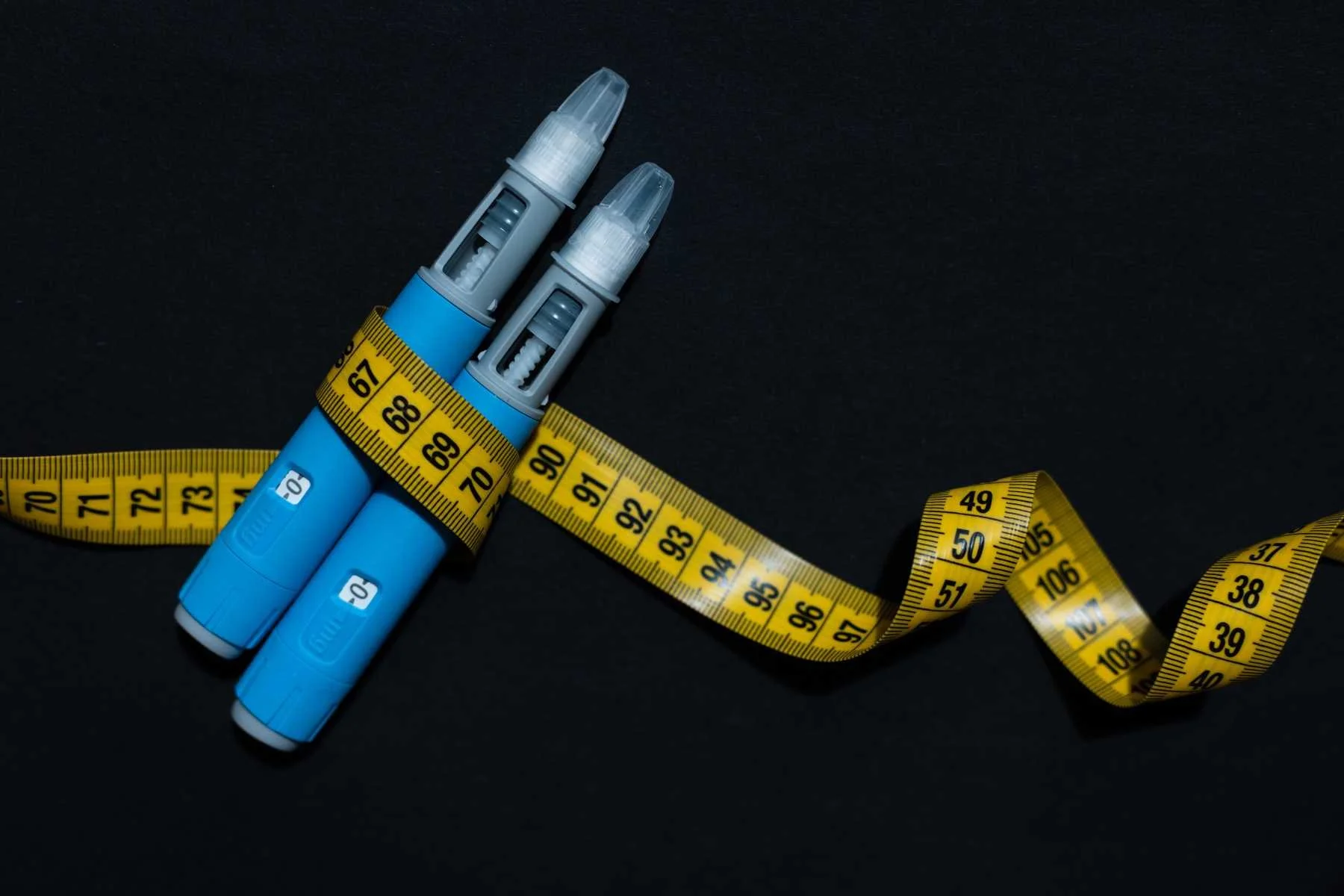
GLP-1 medications, the category that includes Ozempic and similar semaglutide and tirzepatide drugs, work partly by slowing gastric emptying so you feel full longer. That slowdown is part of how they help, but it also commonly brings constipation, nausea, fullness, and bloating. For a woman already navigating slower midlife digestion, adding a GLP-1 medication can compound that sluggishness noticeably.
If this is you, steady hydration, gentle movement, and a gradual approach to fiber matter even more, and it is wise to keep your prescribing provider in the loop about your digestion.
Constipation After Surgery
Constipation after a procedure is extremely common and usually temporary. Anesthesia, pain medications, dehydration, and the reduced movement that follows surgery all conspire to slow the bowel for a stretch. If you have recently had surgery and are also in perimenopause or menopause, those effects can stack. Give your body time, follow your surgical team's guidance, and make sure you have medical clearance before adding any new digestive support.
Postpartum Constipation
Postpartum and menopause are very different chapters, but they rhyme, since both can involve real hormonal shifts and real changes to the pelvic floor. After birth, constipation can come from hormones, pelvic floor strain, hemorrhoids, dehydration, iron supplements, and a very understandable hesitation about that first bowel movement. It is another reminder that the fix is usually about supporting the whole system, not chasing a single hormone.
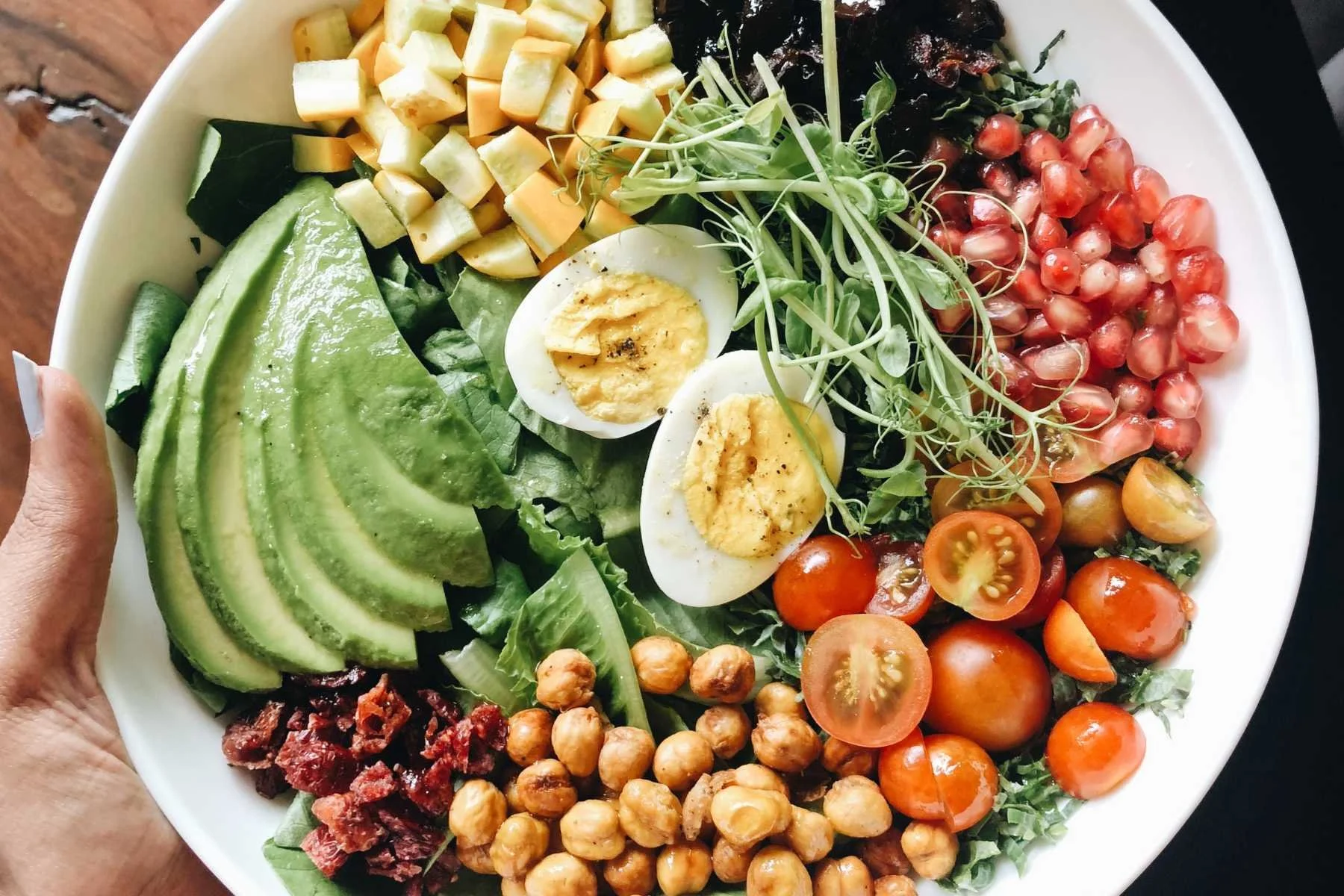
What Actually Helps Menopause Constipation, Natural Relief That Works
These simple lifestyle changes are the levers that make the biggest difference and help reduce constipation over time, and the beauty of them is that they work together. You do not have to do all of them perfectly. Start with one or two, stay consistent, and let them build.
Add Fiber Slowly
Fiber is your foundation because it helps stool hold water and adds the bulk your colon needs to move things along. Both soluble fiber, which softens stool, and insoluble fiber, which adds bulk, matter here.
Good sources include chia seeds, ground flax, oats and other whole grains, lentils, beans, berries, pears, leafy greens, and sweet potatoes, and fiber supplements like psyllium husk can help fill the gaps when whole foods fall short. The single most important rule is to increase your fiber gradually, because piling it on too fast is a reliable way to make bloating and gas worse.
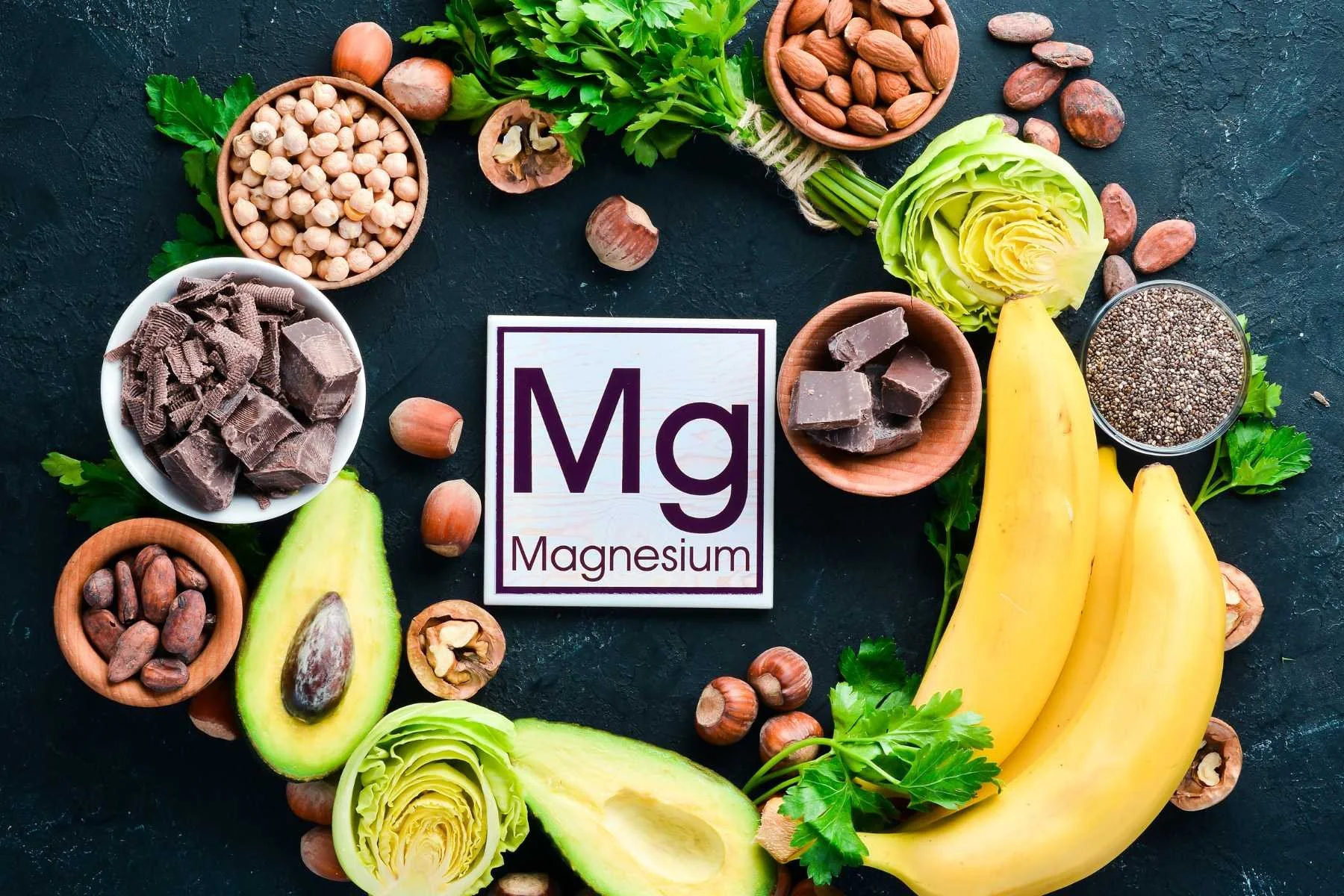
Consider Magnesium
Magnesium in certain forms, such as magnesium citrate or magnesium oxide, draws water into the bowel and helps some people move more easily. It tends to be gentler than reaching for a stimulant laxative or stool softeners, and it can be a helpful tool, though it is not right for everyone and does not truly treat constipation at its root. Anyone with kidney disease, heart conditions, or interacting medications should talk to a provider first, because this is a supplement that belongs in a conversation with someone who knows your health history.
Hydrate Steadily
Water is what keeps that added fiber working for you rather than against you, so make a point of drinking plenty of water, and getting enough water steadily across the day rather than in one big gulp in the morning. Many women find a warm drink first thing, whether that is warm water, herbal tea, or warm lemon water, gently nudges the natural bowel reflexes that tend to be strongest after waking. If you are sweating through night sweats, traveling, or prone to dehydration, a pinch of electrolytes can help you hold onto the fluid you are drinking.
Move Every Day
Consistency beats intensity when it comes to your gut. Walking, stretching, gentle yoga, and strength training all support motility, and a short walk after meals is one of the most effective and underrated habits you can build.
Build a Real Bowel Routine
Your colon loves rhythm, so give it one. Many women find that pairing breakfast with a warm drink and then allowing themselves a few unhurried minutes in the bathroom sets up the natural post-meal reflex beautifully. Using a small footstool to bring your knees above your hips puts you in a more natural squatting posture, making stool easier to pass.
Try not to strain, and go to the bathroom as soon as you feel the urge instead of putting it off, because ignoring the signal teaches your colon to stop sending it.
Look After Stress and Sleep
Since your nervous system has such a strong say in motility, tending to it is not optional. Slow breathing, a steadier sleep routine, daily walking, journaling, and gentle stretching all help shift your body out of fight-or-flight and into the rest-and-digest state where your gut actually functions well. Your digestive system does its best work when it feels safe, so anything that calms your nervous system is quietly working on your constipation too.
Where Colon Hydrotherapy and ELT Fit In
Colon hydrotherapy is not a cure for menopause constipation but it is supportive wellness care, and part of a bigger plan that also includes hydration, fiber, movement, stress care, and medical guidance when you need it.
At Fernz Wellness, our boutique studio in Los Angeles, colon hydrotherapy sessions are private, personalized, and guided by a certified colon hydrotherapist from start to finish.
We use the LIBBE open system, an FDA-registered device that gently rinses the colon with purified, temperature-controlled water while you stay in control of the pace and the release throughout. Nothing is forced and nothing is rushed, and thoughtful aftercare is always part of the experience.
If you want to see how a session works and how the open system differs from a closed one, we explain it in our guides on open system colonics and how often to get a colonic cleanse.

Can a Colonic Help Menopause Constipation?
A colonic may help some women feel lighter, less bloated, and less backed up, offering short-term relief from constipation when sluggish transit or a sense of incomplete elimination is part of the problem. It should be viewed as supportive care, not a cure for hormone-related constipation and not a substitute for a proper medical evaluation. A gentle session can offer real relief in the moment while the daily habits above do the deeper, longer-term work.
Our overview of colon hydrotherapy for constipation relief walks through who tends to benefit and what to expect.
Where Our RESET Session Fits
Menopause constipation often travels with bloating, puffiness, water retention, and a kind of inflammatory heaviness that women describe as their whole body holding on. That overlap is exactly what our RESET package is designed for, since it combines colon hydrotherapy with Electro Lymphatic Therapy in a single session.
ELT is a gentle, non-invasive treatment that uses light-touch vibrational, light, and electrical stimulation to support lymphatic flow, your body's internal drainage system for excess fluid and cellular waste. When your elimination pathways and your lymphatic flow are both supported at once, many clients feel a fuller sense of relief than either treatment gives on its own.
If you feel simultaneously backed up and puffy, that pairing is worth understanding, and our complete guide to lymphatic drainage in Los Angelesexplains why the colon and the lymphatic system are so closely linked.
You can also support that flow at home with our 15 ways to stimulate your lymphatic system.
If you are in Los Angeles and dealing with menopause-related bloating, sluggish digestion, or constipation, Fernz Wellness offers personalized colon hydrotherapy, ELT, and RESET sessions in a calm, private studio.
Explore our services here.

Fernz Wellness - Los Angeles Colon Hydrotherapy
Learn more about us here and discover how our services can be a vital part of your journey to optimal health. We look forward to supporting you on your journey to better digestive health and improved well-being.
Our address is 5486 Wilshire Blvd. Los Angeles, CA 90036 and you can also call or text us at (424) 281-9366.

Conclusion
Menopause and constipation are genuinely connected. Shifting estrogen and progesterone can slow gut motility, influence bile flow, nudge the microbiome, heighten your stress response, and change stool consistency. In other words, constipation during this season is not random or all in your head. It is often your body responding to hormonal, nervous system, and digestive changes happening at the same time
That is why relief works best when it is layered and realistic, and why small, steady habits compound. Colon hydrotherapy and Electro Lymphatic Therapy can be supportive options for some women, offering a lighter, less bloated, more comfortable feeling in the moment, but they are one thoughtful part of a bigger picture and never a cure. Your body is not working against you. It is adapting to a real transition, and your digestive health responds beautifully when you support it with kindness and consistency.
For women in Los Angeles who feel bloated, sluggish, or backed up during perimenopause or menopause, Fernz Wellness offers personalized colon hydrotherapy, Electro Lymphatic Therapy, and RESET sessions in a calm, private environment.
Book a session or contact us to see what support is right for your body.
FAQs About Menopause and Constipation
Can menopause cause constipation?
Yes. Menopause can contribute to constipation because shifting estrogen and progesterone levels may affect gut motility, hydration, your stress response, bile flow, and the gut-brain connection. When stool moves more slowly through the colon, it tends to become drier, harder, and more difficult to pass. Hormones are usually one factor among several, not the only cause.
Does HRT help constipation?
Hormone therapy may ease some menopause symptoms, but it is not guaranteed to relieve constipation. If your constipation arrived alongside hot flashes, disrupted sleep, vaginal dryness, or mood changes, ask your healthcare provider whether hormone therapy fits your overall situation. It is best thought of as one possible piece of a bigger plan rather than a targeted constipation fix.
How long does menopause constipation last?
It varies. For some women, symptoms fluctuate during perimenopause and improve steadily with better hydration, fiber, movement, and routine. For others, constipation continues into the postmenopausal years because of stress, medications, pelvic floor changes, or slower motility. Consistent daily habits tend to shorten and soften the experience over time.
Can a colonic help menopause constipation?
A colonic may offer supportive relief for some women who feel sluggish, bloated, or backed up, but it is not a cure for menopause constipation and not a replacement for medical care. At Fernz Wellness, colon hydrotherapy is offered as wellness support that works alongside hydration, fiber, movement, and healthy bowel habits.
Why am I constipated during perimenopause?
Perimenopause hormones fluctuate unpredictably, which may affect gut motility, water balance, your stress response, and the gut-brain connection. Constipation during this phase can also worsen from poor sleep, lower activity, dehydration, diet changes, medications, and pelvic floor tension. Because the causes stack, steady daily habits usually help more than any single fix.
What helps menopause constipation naturally?
Natural support includes adding fiber slowly, drinking water steadily through the day, walking daily, building a consistent bathroom routine, managing stress, improving sleep, and considering magnesium with medical guidance. If your symptoms are severe, persistent, or unusual, or if you notice any red-flag signs, speak with a healthcare provider first.

Additional Resources
Your Digestive System: 5 Ways to Support Gut Health - Johns Hopkins Medicine
5 Foods to Improve Your Digestion - Johns Hopkins Medicine
The Advantages of Regular Colon Cleansing – Medisential
Colon Cleanse: What You Need to Know - Healthline
Natural Colon Cleanse: Benefits, Types, Effectiveness, and Risks
Digestive Health Overview – UCLA Health
Eating for a Healthy Colon – Rush University Medical Center
Understanding Bowel Function and Constipation – Cleveland Clinic Lerner College of Medicine
Eating for a Healthy Colon – Rush University Medical Center
5 Simple Ways to Improve Gut Health – Harvard Medical School
*The services provided by Fernz Wellness are intended for general wellness and educational purposes only. They are not designed to diagnose, treat, cure, or prevent any medical condition. Please consult with a healthcare provider before starting any new treatment or wellness routine. Results may vary.